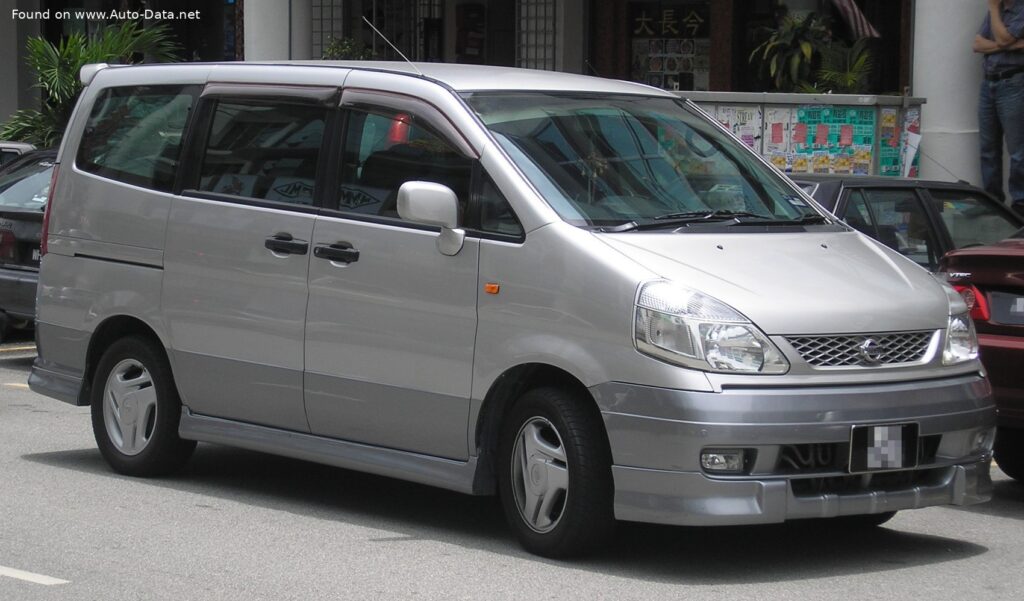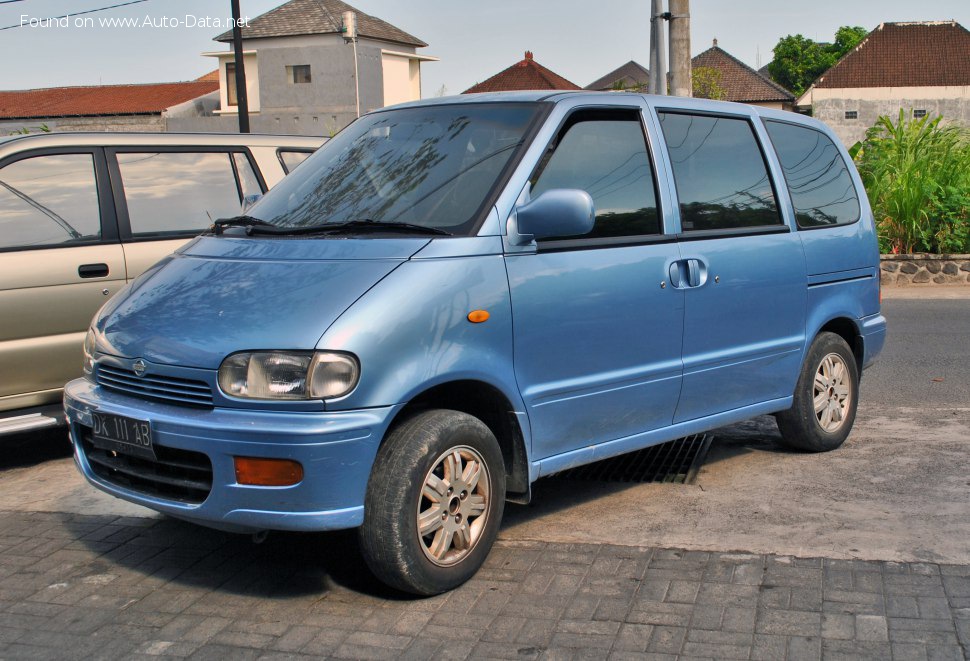
The Nissan Serena (C23M) 2.0 16V, producing 126 horsepower, was a significant iteration of Nissan’s popular minivan, manufactured from 1992 to 2000. This generation of the Serena, built on the C23M chassis, represented a move towards a more refined and family-oriented vehicle within the Japanese domestic market (JDM) and select export markets. The 2.0-liter 16-valve engine variant occupied a middle ground in the Serena lineup, offering a balance between performance, fuel economy, and affordability. It was positioned above the smaller displacement engines and below the more powerful, though less common, variants.
Nissan Serena C23M: The 2.0 16V Variant
The C23M Serena was a second-generation model, building upon the success of its predecessor. It was characterized by its boxy, yet functional design, prioritizing interior space and practicality. The 2.0 16V engine was a key component of this model, offering a noticeable step up in power compared to the base engine options. This variant was primarily aimed at families needing a spacious and reliable vehicle for daily commuting and longer journeys. The Serena C23M was available in both standard and Super Long wheelbase configurations, further enhancing its versatility.
Powertrain & Engine Architecture
At the heart of the Serena C23M 2.0 16V lies the GA20DE engine, a 1998 cc (121.93 cu. in.) inline-four cylinder gasoline engine. This engine featured a double overhead camshaft (DOHC) valvetrain with four valves per cylinder, contributing to its improved breathing and power output. The engine utilized multi-port fuel injection, ensuring efficient fuel delivery and optimized combustion. The GA20DE produced 126 hp at 6000 rpm and 169 Nm (124.65 lb-ft) of torque at 4800 rpm. The engine’s bore and stroke measured 86 mm x 86 mm, resulting in a compression ratio of 9.5:1. The engine was mounted longitudinally in the front of the vehicle.
While a five-speed manual transmission was available, the 2.0 16V Serena was frequently paired with a four-speed automatic transmission. This automatic gearbox was chosen by many buyers for its convenience, particularly in urban driving conditions. The automatic transmission featured electronically controlled torque converter lock-up for improved fuel efficiency at highway speeds. The transmission’s gear ratios were tuned to provide a balance between acceleration and fuel economy, prioritizing smooth operation over outright performance.
Driving Characteristics
The Serena C23M 2.0 16V offered a comfortable and predictable driving experience. Acceleration from 0 to 100 km/h (0-62 mph) took approximately 13 seconds, and 0 to 60 mph was achieved in around 12.4 seconds. While not a performance-oriented vehicle, the 2.0-liter engine provided sufficient power for everyday driving, including highway overtaking. The automatic transmission shifted smoothly, although it could sometimes feel hesitant during quick acceleration. Compared to the manual transmission version, the automatic offered less driver engagement but greater ease of use. Compared to lower-powered Serena variants, the 2.0 16V felt noticeably more responsive, especially when fully loaded with passengers and luggage. The rear-wheel drive configuration contributed to a stable and predictable handling characteristic.
Equipment & Trim Levels
The Serena C23M 2.0 16V was typically equipped with a range of features designed to enhance comfort and convenience. Standard equipment often included power steering, air conditioning, and a basic audio system. Interior upholstery was typically cloth, with options for upgraded materials available on higher trim levels. The dashboard layout was functional and straightforward, prioritizing ease of use. Optional extras included power windows, power door locks, and an upgraded audio system with a cassette player or CD changer. Some models also featured a sunroof or alloy wheels. The Serena’s seating configuration was highly versatile, with the ability to accommodate up to eight passengers. The rear seats could be folded or removed to create additional cargo space.
Chassis & Braking
The Serena C23M featured a robust chassis designed to handle the vehicle’s weight and passenger capacity. The front suspension utilized coil springs, while the rear suspension employed leaf springs – a common configuration for rear-wheel drive vans of this era. This suspension setup provided a comfortable ride, although it could sometimes feel slightly bouncy when unloaded. The braking system consisted of ventilated discs on the front wheels and drum brakes on the rear wheels. Anti-lock braking system (ABS) was available as an option, enhancing safety by preventing wheel lockup during hard braking. The steering system was a rack and pinion type with hydraulic power assistance, providing precise and responsive steering feel. The vehicle rode on 195/70R14 tires mounted on 6J x 14 inch steel or alloy wheels.
Market Reception & Comparison
The Nissan Serena C23M 2.0 16V was generally well-received by critics and consumers alike. It was praised for its spacious interior, comfortable ride, and reliable engine. Fuel economy was considered reasonable for a vehicle of its size and class, with combined fuel consumption averaging around 10.7 l/100 km (22 US mpg). Compared to other minivans on the market, such as the Toyota Estima (Previa), the Serena offered a more affordable price point. However, the Estima was often considered to be more refined and technologically advanced. Within the Serena lineup, the 2.0 16V variant offered a compelling balance between performance and fuel economy, making it a popular choice for families. The lower-powered engines were more economical but lacked the same level of responsiveness, while the higher-output variants were less common and more expensive.
Technical Specifications
| Brand | Nissan |
| Model | Serena |
| Generation | Serena (C23M) |
| Engine Type | 2.0 16V (126 Hp) |
| Production Years | 1992 – 2000 |
| Body Type | Minivan |
| Seats | 8 |
| Doors | 4 |
| Fuel Consumption (Urban) | 12 l/100 km (19.6 US mpg) |
| Fuel Consumption (Extra Urban) | 8 l/100 km (29.4 US mpg) |
| Fuel Consumption (Combined) | 10.7 l/100 km (22 US mpg) |
| Fuel Type | Petrol (Gasoline) |
| Acceleration 0-100 km/h | 13 sec |
| Acceleration 0-62 mph | 13 sec |
| Acceleration 0-60 mph | 12.4 sec |
| Maximum Speed | 170 km/h (105.63 mph) |
| Kerb Weight | 1496 kg (3298.12 lbs) |
| Max. Weight | 2075 kg (4574.59 lbs) |
| Engine Displacement | 1998 cm3 (121.93 cu. in.) |
| Number of Cylinders | 4 |
| Engine Configuration | Inline |
| Compression Ratio | 9.5:1 |
| Fuel Injection System | Multi-port manifold injection |
| Drivetrain | Rear wheel drive |
| Gearbox | 5 gears, manual transmission (also available with 4-speed automatic) |
Legacy
The Nissan Serena C23M 2.0 16V has proven to be a relatively reliable vehicle, with many examples still on the road today. The GA20DE engine is known for its durability and relatively simple maintenance requirements. However, like any vehicle of this age, it is susceptible to wear and tear, and regular maintenance is essential to ensure its continued reliability. In the used car market, the Serena C23M 2.0 16V remains a popular choice for budget-conscious buyers seeking a spacious and practical minivan. Its affordability, combined with its reputation for reliability, makes it a compelling option for families and individuals alike. While it may lack the modern features and refinement of newer minivans, the Serena C23M 2.0 16V continues to offer a valuable and versatile transportation solution.