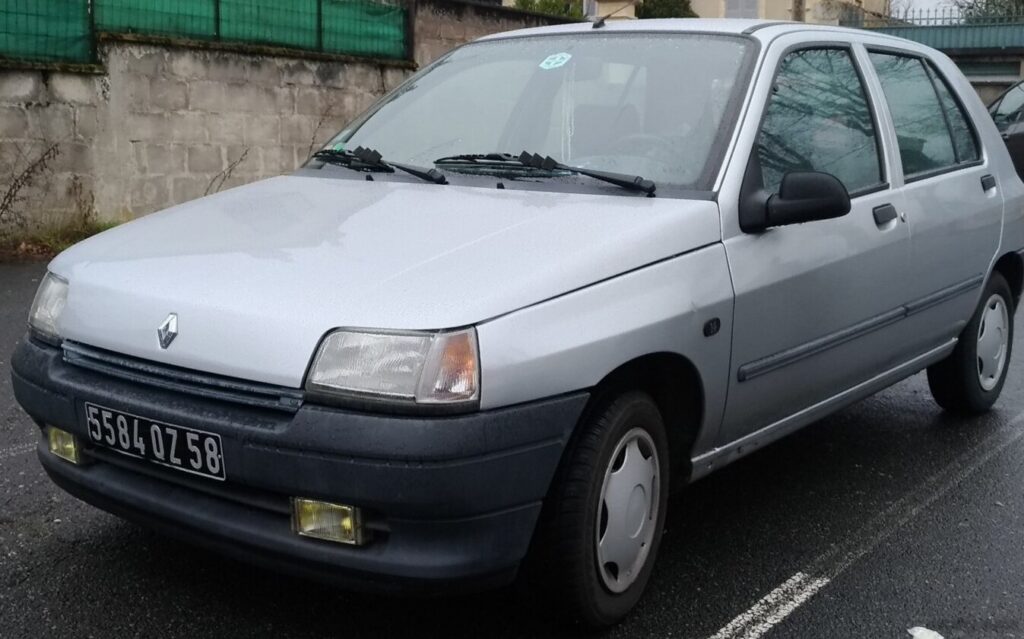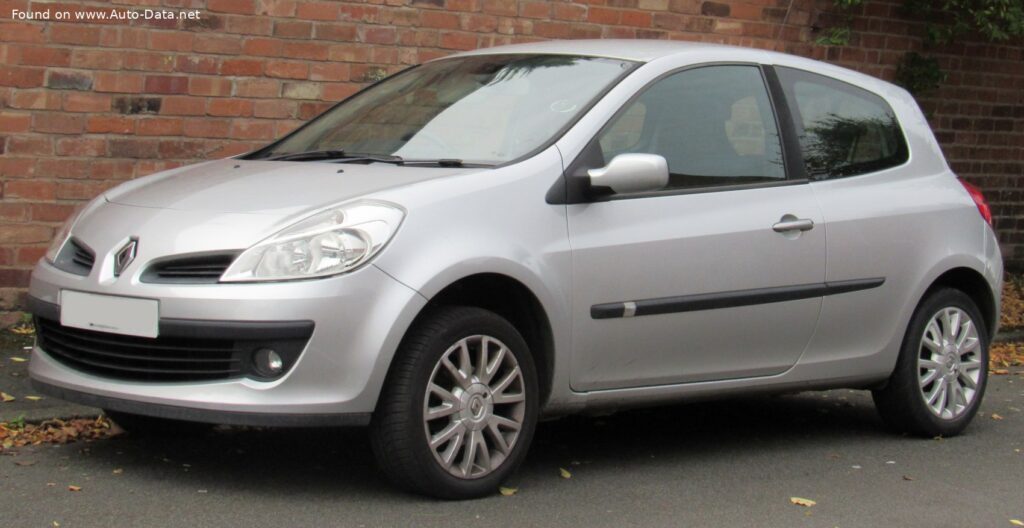
The Renault Clio III Phase I 3-door 1.2 16V TCe (100 hp) was a front-wheel-drive hatchback produced between 2007 and 2009. It represented a key entry point into the third-generation Clio range, offering a blend of fuel efficiency and modest performance. This variant was positioned as the more modern and technologically advanced option compared to the naturally aspirated 1.2 and 1.4 liter engines available in the same generation, thanks to its turbocharged engine. It sat below the more powerful 1.6 16V and diesel variants in the lineup, targeting buyers seeking a stylish and economical city car with a bit more pep.
Powertrain & Engine Architecture
The heart of the Clio III 1.2 16V TCe is the D4F 784 engine, a 1.2-liter (1149 cc) inline-four cylinder gasoline engine. This engine is notable for being one of Renault’s early forays into direct gasoline injection and turbocharging in mainstream models. The engine utilizes a single overhead camshaft (SOHC) design with four valves per cylinder (16V), contributing to its relatively high power output for its displacement. The D4F 784 employs multi-point fuel injection, delivering fuel directly into the intake ports. A small turbocharger with an intercooler is integrated into the system, boosting power and torque. The turbocharger provides increased air intake to the engine, allowing for more efficient combustion and a noticeable increase in power compared to naturally aspirated engines of similar size.
The 1.2 TCe engine was typically paired with a five-speed manual transmission. However, a four-speed automatic transmission was also offered, though less common. The automatic transmission was a conventional hydraulic automatic, known for its smooth operation but relatively slow shift times compared to more modern automatic gearboxes. The automatic transmission’s gear ratios were optimized for fuel efficiency and drivability in urban environments, rather than outright performance.
Engine Specifications
The D4F 784 engine produces 100 horsepower (hp) at 5500 rpm and 145 Newton-meters (106.95 lb-ft) of torque at 3000 rpm. This translates to a power-to-liter ratio of 87 hp/liter. The engine’s compression ratio is 9.8:1, a relatively moderate figure that contributes to its reliability and ability to run on standard 91-octane gasoline. The engine oil capacity is 4 liters (4.23 US quarts / 3.52 UK quarts), and the coolant capacity is 5 liters (5.28 US quarts / 4.4 UK quarts).
Driving Characteristics
The Clio III 1.2 16V TCe with the manual transmission offered a surprisingly lively driving experience for a small hatchback. The turbocharger provides a noticeable boost in power from around 2000 rpm, making it feel more responsive than its displacement might suggest. Acceleration from 0-100 km/h (0-62 mph) takes approximately 11 seconds. The automatic transmission version, however, felt noticeably slower due to the transmission’s conservative programming and fewer gear ratios. The automatic’s shift points were designed for fuel economy, resulting in a less engaging driving experience. While the automatic offered convenience, it sacrificed some of the engine’s potential. The suspension, tuned for comfort, provided a reasonably smooth ride, although it could feel a bit soft during spirited driving. Steering was light and precise, making it easy to maneuver in city traffic.
Equipment & Trim Levels
The Clio III 1.2 16V TCe typically came equipped with a reasonable level of standard features. These included power steering, central locking, electric front windows, and an audio system with CD player. Safety features included ABS (Anti-lock Braking System) and driver and passenger airbags. Higher trim levels, such as the “Dynamique” and “Privilege,” added features like air conditioning, alloy wheels, rear electric windows, and a trip computer. Optional extras included a panoramic sunroof, parking sensors, and upgraded audio systems. Interior upholstery was typically cloth, with a choice of colors and patterns. The dashboard layout was functional and modern for its time, with a clear instrument cluster and logically placed controls.
Chassis & Braking
The Clio III 1.2 16V TCe utilized an independent McPherson strut suspension at the front, providing good handling and ride comfort. The rear suspension employed a torsion beam setup, which was a cost-effective solution that offered a reasonable balance between comfort and handling. The front brakes were ventilated discs measuring 240 mm, while the rear brakes were drum brakes measuring 203 mm. This configuration was typical for vehicles in this weight class and provided adequate stopping power for everyday driving. The electric power steering system offered light and precise steering feel, making it easy to maneuver in tight spaces.
Market Reception & Comparison
The Clio III 1.2 16V TCe was generally well-received by automotive critics. It was praised for its fuel efficiency, stylish design, and surprisingly peppy engine. However, some critics noted that the automatic transmission felt sluggish and that the interior materials were not as premium as those found in some competitors. Compared to the naturally aspirated 1.2 and 1.4 liter versions of the Clio III, the 1.2 TCe offered significantly improved performance and a more enjoyable driving experience. Fuel economy was comparable to the 1.4 liter engine, with the TCe achieving approximately 5.8 l/100 km (40.6 US mpg) on the combined cycle. In terms of reliability, the D4F 784 engine proved to be generally reliable, although some owners reported issues with the turbocharger and fuel injectors. The diesel variants of the Clio III were often favored by those prioritizing fuel economy above all else, while the 1.6 16V offered more performance for those willing to sacrifice some fuel efficiency.
Technical Specifications
| Body Type | Hatchback, 3 Doors, 5 Seats |
| Engine Displacement | 1149 cm3 (70.12 cu. in.) |
| Engine Model/Code | D4F 784 |
| Number of Cylinders | 4, Inline |
| Fuel Type | Petrol (Gasoline) |
| Power | 100 Hp @ 5500 rpm |
| Torque | 145 Nm @ 3000 rpm (106.95 lb.-ft. @ 3000 rpm) |
| Compression Ratio | 9.8:1 |
| Fuel Consumption (Urban) | 7.4 l/100 km (31.8 US mpg) |
| Fuel Consumption (Extra Urban) | 4.8 l/100 km (49 US mpg) |
| Fuel Consumption (Combined) | 5.8 l/100 km (40.6 US mpg) |
| CO2 Emissions | 137 g/km |
| Acceleration 0-100 km/h | 11 sec |
| Maximum Speed | 183 km/h (113.71 mph) |
| Kerb Weight | 1090 kg (2403.04 lbs.) |
| Fuel Tank Capacity | 55 l (14.53 US gal) |
| Trunk Space (Minimum) | 288 l (10.17 cu. ft.) |
| Trunk Space (Maximum) | 1028 l (36.3 cu. ft.) |
| Transmission | 5-speed manual or 4-speed automatic |
| Front Brakes | Ventilated discs, 240 mm |
| Rear Brakes | Drum, 203 mm |
Legacy
The Renault Clio III 1.2 16V TCe, while not without its flaws, remains a popular choice in the used car market. The D4F 784 engine, when properly maintained, has proven to be relatively durable. Common issues, such as turbocharger failure and fuel injector problems, are typically addressed with preventative maintenance. The car’s fuel efficiency and affordable price make it an attractive option for budget-conscious buyers. The availability of spare parts is generally good, and the Clio III is relatively easy to repair. Today, these Clios are often sought after as affordable and stylish city cars, offering a good balance of practicality and driving enjoyment. The 1.2 TCe variant, in particular, is appreciated for its improved performance compared to the lower-powered versions.