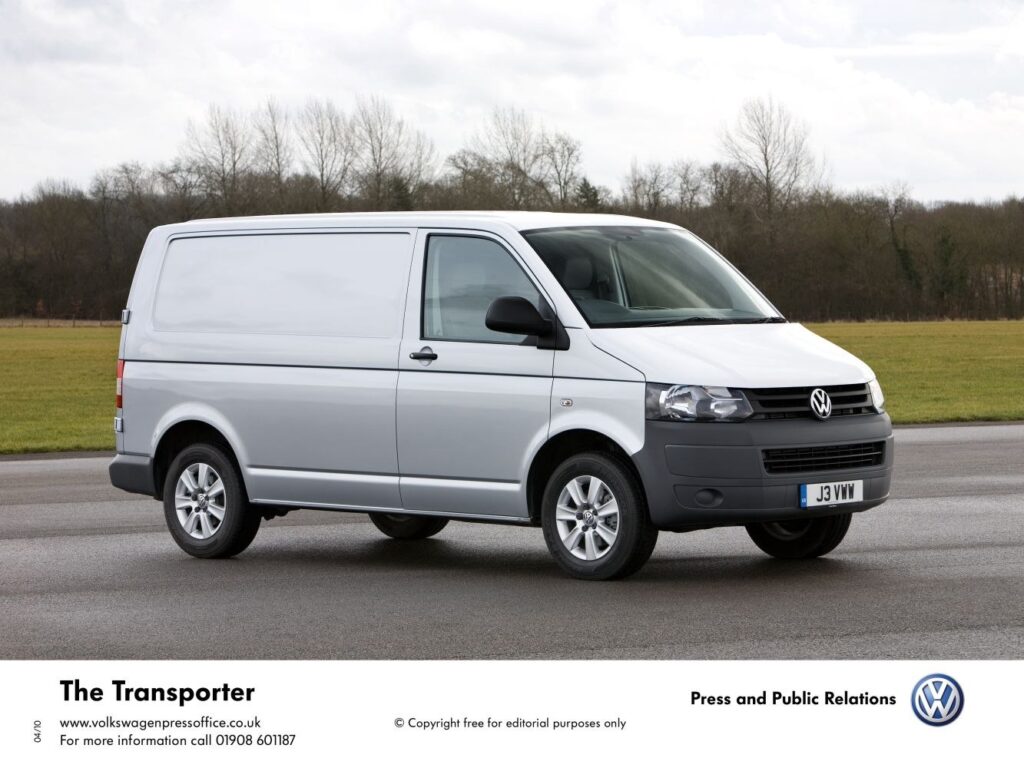
The Volkswagen Transporter (T5) facelift, produced from 2009 to 2015, represented a significant refresh of the fifth-generation Transporter line. Within this generation, the 2.0 TDI (140 hp) L1H1 Panel Van occupied a crucial position as a workhorse model, balancing practicality, fuel efficiency, and a reasonable purchase price. The “L1H1” designation refers to the vehicle’s body length (L1 – short wheelbase) and roof height (H1 – standard roof), making it a popular choice for businesses and tradespeople requiring a versatile cargo solution. This variant was a mainstay of the T5 range, appealing to those who didn’t require the outright performance of higher-powered engines or the added expense of more luxurious trim levels.
Powertrain & Engine Architecture
The heart of the Transporter 2.0 TDI (140 hp) L1H1 is the EA189 series 2.0-liter four-cylinder diesel engine, specifically the CAAC engine code. This engine is a turbocharged common rail direct injection diesel. The EA189 family was widely used across the Volkswagen Group during this period, powering various models including the Golf, Passat, and Audi A3. The 140 hp version was a mid-range output for this engine family, offering a compromise between power and fuel economy.
The engine utilizes a single turbocharger with an intercooler to increase air density and improve combustion efficiency. Fuel is delivered via a Bosch common rail system operating at approximately 1600 bar, allowing for precise fuel metering and optimized combustion. The engine features a double overhead camshaft (DOHC) valvetrain with four valves per cylinder, contributing to improved breathing and power delivery. The engine’s displacement is 1968 cm³ (120.09 cubic inches), and it produces a maximum torque of 340 Nm (250.77 lb-ft) between 1750 and 2500 rpm. This torque curve provides good low-end grunt, making it suitable for carrying loads. The engine adheres to Euro 5 emission standards.
The 2.0 TDI was typically paired with a six-speed manual transmission, which was the most common configuration. While an automatic transmission (specifically a 7-speed DSG dual-clutch transmission) was available as an option, it was less frequently selected due to its higher cost and, in some cases, concerns about long-term reliability compared to the robust manual gearbox.
Fuel Injection and Turbocharging
The common rail direct injection system is a key component of the engine’s efficiency. It allows for multiple injection events per combustion cycle, optimizing fuel atomization and combustion. The turbocharger, a variable geometry turbo (VGT), adjusts the turbine vanes to optimize boost pressure across the engine’s operating range, improving both low-end torque and high-end power. The intercooler cools the compressed air from the turbocharger, further increasing air density and combustion efficiency.
Driving Characteristics
The 140 hp 2.0 TDI in the Transporter L1H1 delivers adequate performance for most commercial applications. Acceleration from 0 to 100 km/h (0-62 mph) takes approximately 12.2 seconds, and the top speed is around 173 km/h (107.5 mph). While not particularly sporty, the engine provides sufficient power for highway cruising and carrying moderate loads. The six-speed manual transmission allows for precise gear selection and helps to keep the engine within its optimal torque band.
Compared to the higher-output 180 hp version of the 2.0 TDI, the 140 hp model feels noticeably less responsive, particularly when fully loaded. However, the lower power output also contributes to improved fuel economy. The manual transmission provides a more engaging driving experience than the optional DSG, offering greater control and a more direct connection to the engine. The front-wheel-drive configuration provides predictable handling, although traction can be limited on slippery surfaces when heavily laden. The suspension is tuned for comfort and load-carrying capacity, resulting in a relatively compliant ride even with a full cargo bay.
Equipment & Trim Levels
The Transporter L1H1 2.0 TDI (140 hp) was typically offered in a relatively basic trim level, focused on functionality and durability. Standard equipment generally included power steering, ABS brakes, a driver’s airbag, and basic steel wheels. The interior was typically finished with durable, easy-to-clean plastics and cloth upholstery. The driver’s seat was usually adjustable for height and lumbar support.
Optional extras included air conditioning, a radio with CD player, electric windows, central locking, and upgraded interior trim. Some models were also equipped with parking sensors and a rear-view camera. Higher trim levels, such as Trendline and Highline, offered more extensive standard equipment and additional comfort features. However, the base-level L1H1 2.0 TDI was often specified by businesses prioritizing cost-effectiveness over luxury.
Chassis & Braking
The Transporter T5 utilizes an independent suspension setup at both the front and rear. The front suspension employs a McPherson strut design with coil springs and an anti-roll bar, while the rear suspension features a trailing arm setup with coil springs and a transverse stabilizer. This configuration provides a good balance between ride comfort and handling stability. The braking system consists of ventilated discs on all four wheels, providing adequate stopping power even when heavily loaded. ABS (Anti-lock Braking System) is standard, enhancing safety and control during emergency braking situations.
The steering system is a hydraulic power-assisted rack and pinion setup, offering precise steering feel and reasonable assistance at low speeds. The tires are typically 215/65 R16, providing a good compromise between grip and rolling resistance. The vehicle’s curb weight ranges from 1722 to 2138 kg (3796.36 to 4713.48 lbs), depending on the specific configuration and optional equipment.
Market Reception & Comparison
The Transporter 2.0 TDI (140 hp) L1H1 was generally well-received by critics and customers alike. It was praised for its fuel efficiency, practicality, and reliability. The 140 hp engine offered a good balance between performance and running costs, making it a popular choice for businesses and tradespeople. Compared to the higher-output 180 hp version, the 140 hp model offered better fuel economy but less outright performance. The manual transmission was generally preferred over the DSG due to its robustness and lower maintenance costs.
Fuel consumption figures are approximately 7.4-7.7 l/100 km (31.8-30.5 US mpg) combined, and CO2 emissions range from 195-203 g/km. These figures are competitive for a vehicle of this size and type. The Transporter faced competition from other light commercial vehicles such as the Ford Transit, Mercedes-Benz Vito, and Renault Trafic. However, the Volkswagen Transporter consistently ranked highly in terms of build quality, reliability, and resale value.
Technical Specifications
| Brand | Volkswagen |
| Model | Transporter (T5, facelift 2009) Panel Van |
| Type | 2.0 TDI (140 Hp) L1H1 |
| Start of production | 2009 |
| End of production | 2015 |
| Engine | EA189 / CAAC |
| Displacement | 1968 cm3 (120.09 cu. in.) |
| Number of cylinders | 4, Inline |
| Power | 140 Hp @ 3500 rpm |
| Torque | 340 Nm @ 1750-2500 rpm (250.77 lb.-ft.) |
| Fuel Consumption (Urban) | 9.5-9.8 l/100 km (24.8 – 24 US mpg) |
| Fuel Consumption (Extra Urban) | 6.2-6.5 l/100 km (37.9 – 36.2 US mpg) |
| Fuel Consumption (Combined) | 7.4-7.7 l/100 km (31.8 – 30.5 US mpg) |
| CO2 Emissions | 195-203 g/km |
| Acceleration 0-100 km/h | 12.2 sec |
| Maximum Speed | 173 km/h (107.5 mph) |
| Kerb Weight | 1722-2138 kg (3796.36 – 4713.48 lbs.) |
| Fuel Tank Capacity | 80 l (21.13 US gal) |
Legacy
The 2.0 TDI (140 hp) engine, while part of the EA189 family that later faced scrutiny regarding emissions compliance, proved to be a relatively reliable powertrain when properly maintained. Common issues included turbocharger failure and injector problems, but these were not widespread. Today, used examples of the Transporter T5 2.0 TDI (140 hp) L1H1 remain popular in the commercial vehicle market. Their affordability, practicality, and relatively good fuel economy make them an attractive option for businesses and tradespeople. However, potential buyers should be aware of the engine’s age and mileage and ensure that it has been regularly serviced. The T5 continues to be a sought-after van, known for its durability and versatility, and the 140 hp TDI variant represents a solid, dependable choice within the range.