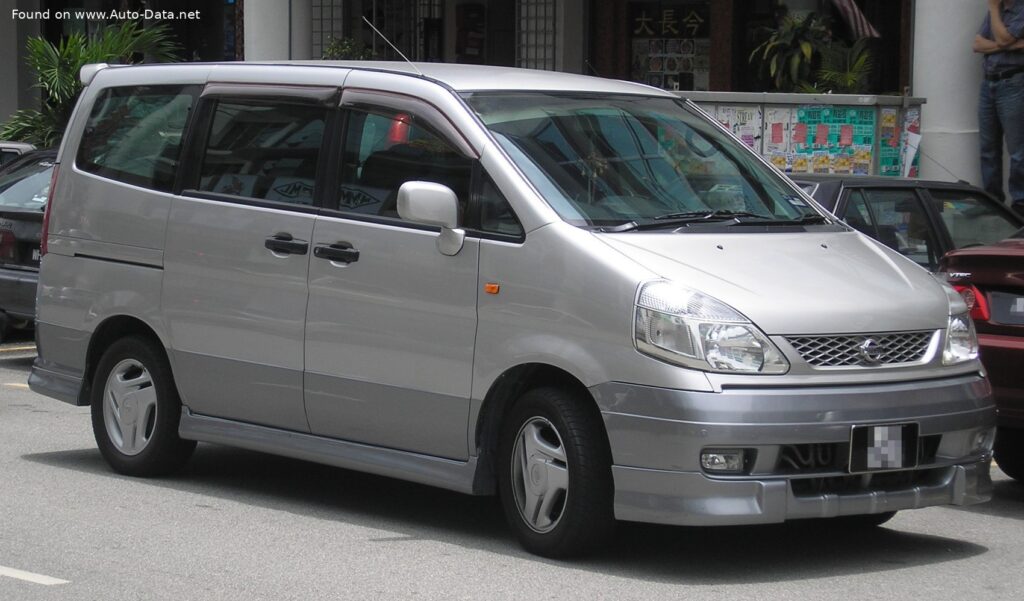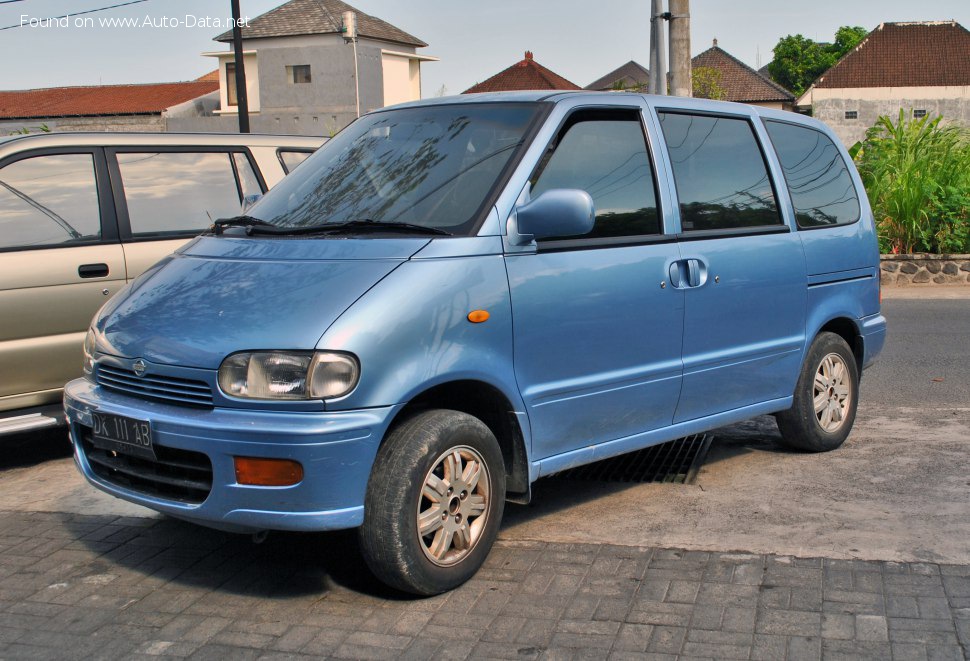
The Nissan Serena (C23M) 2.0 16V, producing 140 horsepower, was a significant iteration of Nissan’s popular minivan, manufactured from 1993 to 2000. This generation of the Serena, built on the T30 chassis, represented a move towards a more refined and spacious family vehicle. The 2.0-liter 16-valve engine variant occupied a middle ground in the C23M lineup, offering a balance between performance and fuel economy, appealing to families seeking a practical and comfortable mode of transportation. It was positioned above the lower-powered 1.6L models and below the more expensive and less common 2.4L variants.
Powertrain & Engine Architecture
The heart of the Serena C23M 2.0 16V is the GA20DE engine, a 1998 cc (121.93 cu. in.) inline-four cylinder gasoline engine. This engine utilizes a multi-port fuel injection system, delivering fuel directly to each intake port for optimized combustion. The engine features a double overhead camshaft (DOHC) valvetrain with four valves per cylinder, contributing to its improved breathing and power output. The compression ratio is set at 10:1. The GA20DE is a naturally aspirated engine, meaning it does not employ forced induction like a turbocharger or supercharger.
While a four-speed automatic transmission was available on some Serena models, the 2.0 16V was most commonly paired with a five-speed manual transmission. This manual gearbox provided drivers with greater control over the engine’s power delivery and contributed to slightly improved fuel efficiency. The transmission is a conventional setup, with synchromesh on all forward gears. The engine’s longitudinal mounting and rear-wheel drive configuration were notable features for a minivan of this era, influencing the vehicle’s handling characteristics.
Engine Specifications
The GA20DE engine produces 140 hp (104 kW) at 5800 rpm and 181 Nm (133.5 lb-ft) of torque at 4800 rpm. This translates to a power-to-liter ratio of 70.1 hp/l. The engine’s torque curve is relatively flat, providing usable power across a wide range of engine speeds. This characteristic made the Serena 2.0 16V a capable performer even when fully loaded with passengers and cargo.
Driving Characteristics
The Serena C23M 2.0 16V with the five-speed manual transmission offered a reasonably engaging driving experience for a minivan. Acceleration from 0 to 100 km/h (0-62 mph) took approximately 12.2 seconds, while 0 to 60 mph was achieved in around 11.6 seconds. The top speed was limited to 170 km/h (105.63 mph). The rear-wheel drive layout provided a more balanced feel compared to front-wheel drive minivans, although it did mean that the rear wheels could occasionally lose traction on slippery surfaces.
Compared to the lower-powered 1.6L Serena models, the 2.0 16V offered noticeably improved acceleration and highway cruising ability. It didn’t possess the outright performance of the larger 2.4L engine, but it provided a more than adequate level of power for most everyday driving situations. The five-speed manual transmission allowed drivers to keep the engine in its optimal power band, maximizing performance and fuel efficiency. The gear ratios were spaced to provide good acceleration in lower gears and comfortable cruising at highway speeds.
Equipment & Trim Levels
The Serena C23M 2.0 16V was typically equipped with a range of features designed to enhance comfort and convenience. Standard equipment generally included power steering, air conditioning, and a basic audio system. Interior upholstery was typically cloth, with options for upgraded materials available on higher trim levels. The dashboard layout was functional and straightforward, with easy-to-read gauges and controls.
Optional extras included power windows, power door locks, and an upgraded audio system with a cassette player or CD player. Some models also featured alloy wheels and a sunroof. The Serena was designed to accommodate up to eight passengers, with a flexible seating configuration that allowed for various cargo-carrying arrangements. The rear seats could be folded flat or removed entirely to create a large cargo area.
Chassis & Braking
The Serena C23M featured a coil spring suspension in the front and a leaf spring suspension in the rear. The leaf spring rear suspension was a cost-effective solution for handling the vehicle’s load-carrying capacity, but it did result in a slightly less refined ride compared to a fully independent suspension. The front suspension provided adequate handling and stability, while the rear suspension helped to maintain a level ride height even when the vehicle was heavily loaded.
Braking duties were handled by ventilated discs on the front wheels and discs on the rear wheels. An anti-lock braking system (ABS) was available as an option, providing improved braking performance and control in emergency situations. The steering system was a rack and pinion setup with hydraulic power assistance, offering precise and responsive steering feel. The Serena C23M rode on 195/70 R14 tires, providing a good balance between ride comfort and handling.
Market Reception & Comparison
The Nissan Serena C23M 2.0 16V was generally well-received by critics and consumers alike. It was praised for its spacious interior, comfortable ride, and relatively affordable price. The 2.0-liter engine was considered to be a good compromise between performance and fuel economy. Fuel consumption figures were approximately 12.4 l/100 km (19 US mpg) in urban driving, 8.3 l/100 km (28.3 US mpg) on the highway, and 11.1 l/100 km (21.2 US mpg) combined.
Compared to other minivans on the market at the time, the Serena offered a unique combination of features and value. Its rear-wheel drive layout set it apart from most of its competitors, which were typically front-wheel drive. The Serena’s spacious interior and flexible seating configuration made it a popular choice for families. However, some critics noted that the interior materials were not as luxurious as those found in some other minivans.
Technical Specifications
| Body type | Minivan, 4 Doors, 8 Seats |
| Fuel economy (urban) | 12.4 l/100 km (19 US mpg) |
| Fuel economy (extra urban) | 8.3 l/100 km (28.3 US mpg) |
| Fuel economy (combined) | 11.1 l/100 km (21.2 US mpg) |
| Fuel Type | Petrol (Gasoline) |
| Acceleration 0 – 100 km/h | 12.2 sec |
| Acceleration 0 – 62 mph | 12.2 sec |
| Acceleration 0 – 60 mph | 11.6 sec |
| Maximum speed | 170 km/h (105.63 mph) |
| Weight-to-power ratio | 10.6 kg/Hp |
| Power | 140 Hp @ 5800 rpm |
| Torque | 181 Nm @ 4800 rpm (133.5 lb.-ft. @ 4800 rpm) |
| Engine layout | Middle, Longitudinal |
| Engine displacement | 1998 cm3 (121.93 cu. in.) |
| Number of cylinders | 4 |
| Engine configuration | Inline |
| Cylinder Bore | 86 mm (3.39 in.) |
| Piston Stroke | 86 mm (3.39 in.) |
| Compression ratio | 10:1 |
| Fuel injection system | Multi-port manifold injection |
| Kerb Weight | 1485 kg (3273.86 lbs.) |
| Max. weight | 2225 kg (4905.29 lbs.) |
| Trunk (boot) space – minimum | 350 l (12.36 cu. ft.) |
| Trunk (boot) space – maximum | 620 l (21.9 cu. ft.) |
| Fuel tank capacity | 60 l (15.85 US gal | 13.2 UK gal) |
| Length | 4315 mm (169.88 in.) |
| Width | 1710 mm (67.32 in.) |
| Height | 1835 mm (72.24 in.) |
| Wheelbase | 2735 mm (107.68 in.) |
| Number of gears and type of gearbox | 5 gears, manual transmission |
Legacy
The Nissan Serena C23M 2.0 16V has proven to be a relatively reliable vehicle over the long term. The GA20DE engine is known for its durability and relatively simple maintenance requirements. Common issues include oil leaks and occasional sensor failures, but these are generally not major problems. Today, the C23M Serena is a popular choice among budget-conscious buyers seeking a spacious and practical family vehicle. While it may not offer the same level of refinement or technology as more modern minivans, it remains a capable and affordable option for those who prioritize space and practicality.