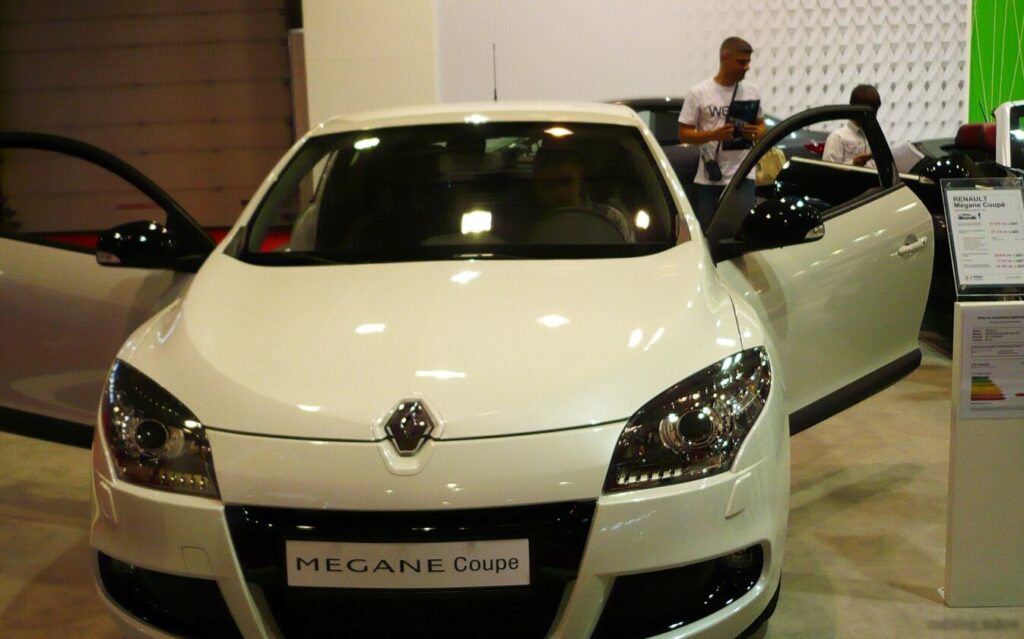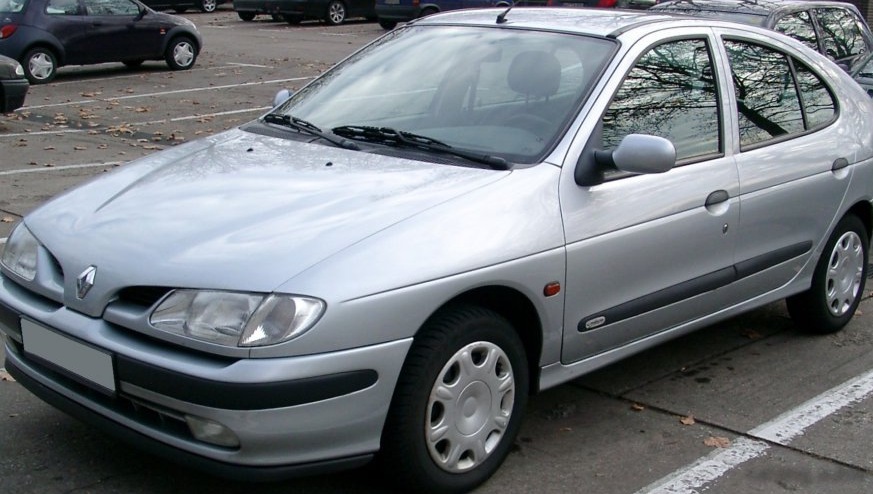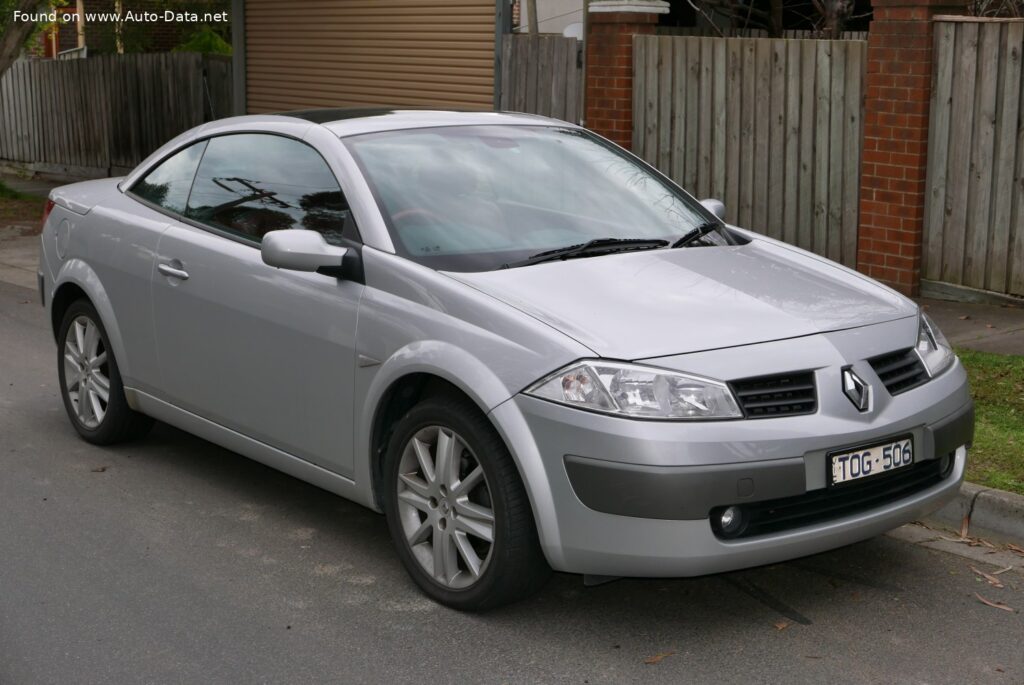
The Renault Megane II Coupe-Cabriolet (CC) 2.0 Turbo 16V, producing 163 horsepower, was a premium variant of the second-generation Megane CC, manufactured between 2004 and 2005. Positioned as the flagship engine option for the model, it offered a significant performance upgrade over the base 1.6-liter engine. This variant was part of the broader Megane II range (internal code 1HX0/A3 platform), which included hatchback, saloon, and estate body styles, as well as the Coupe-Cabriolet. The 2.0 Turbo CC aimed to provide a blend of sporty performance and open-air motoring convenience.
Powertrain & Engine Architecture
The heart of the Megane II CC 2.0 Turbo is the Renault F4R engine, a 1998cc (121.93 cu. in.) inline-four cylinder gasoline engine. This engine utilizes a turbocharger with an intercooler to boost power output. The F4R engine family is well-regarded for its robustness and tuning potential. The 163 hp version featured multi-point fuel injection and a double overhead camshaft (DOHC) valvetrain with four valves per cylinder. This configuration allowed for efficient cylinder filling and exhaust scavenging, contributing to the engine’s power delivery.
While a six-speed manual transmission was standard, a four-speed automatic transmission was also offered, though less common. The automatic transmission was designed to provide smooth shifts and ease of use, catering to drivers prioritizing comfort over outright performance. The engine’s torque output of 270 Nm (199.14 lb-ft) at 3250 rpm provided strong mid-range acceleration, making it suitable for both city driving and highway cruising. The compression ratio is set at 9.5:1. Engine oil capacity is 5.4 liters (5.71 US qt / 4.75 UK qt) and requires a specification adhering to Renault standards. Coolant capacity is 6.5 liters (6.87 US qt / 5.72 UK qt).
Engine Code & Specifics
The F4R engine code is central to understanding this variant. Different iterations of the F4R engine existed, but the version in the Megane II CC 2.0 Turbo 16V was specifically tuned for 163 hp. This involved adjustments to the engine control unit (ECU), turbocharger boost pressure, and potentially internal component specifications. The engine’s design prioritized reliability and durability, making it a relatively trouble-free unit when properly maintained.
Driving Characteristics
The 2.0 Turbo engine transformed the driving experience of the Megane CC compared to the lower-powered variants. Acceleration from 0-100 km/h (0-62 mph) took approximately 8.7 seconds, and 0-60 mph was achieved in around 8.3 seconds. The maximum speed was electronically limited to 220 km/h (136.7 mph). The turbocharger provided a noticeable boost in power, particularly in the mid-range, resulting in strong overtaking capability. The six-speed manual transmission allowed drivers to fully exploit the engine’s power band, while the four-speed automatic, though less engaging, offered a more relaxed driving experience.
Compared to the base 1.6-liter engine, the 2.0 Turbo offered significantly more torque, resulting in improved responsiveness and effortless cruising. While not a dedicated sports car, the 2.0 Turbo CC provided a satisfying level of performance for a convertible. The front-wheel-drive configuration and relatively modest power output meant that traction was generally not an issue, even in wet conditions.
Equipment & Trim Levels
The 2.0 Turbo CC typically came with a higher level of standard equipment than the base models. This included features such as air conditioning, power windows, central locking, and an upgraded audio system. Leather upholstery was often standard or available as an option. The dashboard featured a sporty design with aluminum trim accents. Optional extras included automatic climate control, a navigation system, and parking sensors. The convertible top was electrically operated and featured a glass rear window. Safety features included ABS (Anti-lock Braking System) and front airbags.
Trim levels varied depending on the market, but the 2.0 Turbo CC generally represented the top-of-the-line offering for the Megane CC range. The interior was designed to provide a comfortable and refined experience, befitting the car’s premium positioning.
Chassis & Braking
The Megane II CC 2.0 Turbo utilized an independent McPherson strut suspension at the front and a torsion beam suspension at the rear. This setup provided a good balance between ride comfort and handling. The front suspension featured a stabilizer bar to reduce body roll during cornering. The braking system consisted of ventilated discs at the front and discs at the rear. The ABS system helped to maintain steering control during emergency braking. The car’s kerb weight of 1415 kg (3119.54 lbs) was relatively moderate for a convertible, contributing to its agile handling.
The steering was a rack and pinion system with electric power assistance, providing precise and responsive steering feel. Tire size was typically 205/55 R16, mounted on 6.5J x 16 alloy wheels.
Market Reception & Comparison
The Renault Megane II CC 2.0 Turbo 16V was generally well-received by automotive critics. It was praised for its stylish design, comfortable interior, and strong performance. The turbo engine was considered a significant improvement over the base engines, providing a more engaging driving experience. However, some critics noted that the four-speed automatic transmission felt dated compared to newer automatic gearboxes with more gears. Fuel economy was rated at 8 l/100 km (29.4 US mpg / 35.3 UK mpg) combined, which was reasonable for a car of its type and performance level. CO2 emissions were 191 g/km, placing it within the Euro 4 emission standard.
Compared to other convertibles in its class, such as the Peugeot 307 CC and the Ford Focus CC, the Megane II CC 2.0 Turbo offered a competitive combination of performance, features, and price. The Peugeot 307 CC was often seen as a more refined option, while the Ford Focus CC offered a sportier driving experience.
Technical Specifications
| Brand | Renault |
| Model | Megane |
| Generation | Megane II CC |
| Type (Engine) | 2.0 Turbo 16V (163 Hp) |
| Start of production | 2004 |
| End of production | 2005 |
| Powertrain Architecture | Internal Combustion engine |
| Body type | Coupe – Cabriolet |
| Seats | 4 |
| Doors | 2 |
| Fuel consumption (urban) | 11 l/100 km (21.4 US mpg / 25.7 UK mpg) |
| Fuel consumption (extra urban) | 6.3 l/100 km (37.3 US mpg / 44.8 UK mpg) |
| Fuel consumption (combined) | 8 l/100 km (29.4 US mpg / 35.3 UK mpg) |
| CO2 emissions | 191 g/km |
| Fuel Type | Petrol (Gasoline) |
| Acceleration 0 – 100 km/h | 8.7 sec |
| Acceleration 0 – 62 mph | 8.7 sec |
| Acceleration 0 – 60 mph | 8.3 sec |
| Maximum speed | 220 km/h (136.7 mph) |
| Emission standard | Euro 4 |
| Weight-to-power ratio | 8.7 kg/Hp |
| Weight-to-torque ratio | 5.2 kg/Nm |
| Power | 163 Hp @ 5000 rpm |
| Torque | 270 Nm @ 3250 rpm (199.14 lb.-ft. @ 3250 rpm) |
| Engine layout | Front, Transverse |
| Engine Model/Code | F4R |
| Engine displacement | 1998 cm3 (121.93 cu. in.) |
| Number of cylinders | 4 |
| Engine configuration | Inline |
| Cylinder Bore | 82.7 mm (3.26 in.) |
| Piston Stroke | 93 mm (3.66 in.) |
| Compression ratio | 9.5:1 |
| Number of valves per cylinder | 4 |
| Fuel injection system | Multi-port manifold injection |
| Engine aspiration | Turbocharger, Intercooler |
| Valvetrain | DOHC |
| Engine oil capacity | 5.4 l (5.71 US qt | 4.75 UK qt) |
| Coolant | 6.5 l (6.87 US qt | 5.72 UK qt) |
| Kerb Weight | 1415 kg (3119.54 lbs.) |
| Max. weight | 1870 kg (4122.64 lbs.) |
| Max load | 455 kg (1003.1 lbs.) |
| Trunk (boot) space – minimum | 190 l (6.71 cu. ft.) |
| Trunk (boot) space – maximum | 490 l (17.3 cu. ft.) |
| Fuel tank capacity | 60 l (15.85 US gal | 13.2 UK gal) |
| Permitted trailer load with brakes (12%) | 1200 kg (2645.55 lbs.) |
| Permitted trailer load without brakes | 650 kg (1433 lbs.) |
| Length | 4355 mm (171.46 in.) |
| Width | 1777 mm (69.96 in.) |
| Width including mirrors | 2026 mm (79.76 in.) |
| Height | 1404 mm (55.28 in.) |
| Wheelbase | 2522 mm (99.29 in.) |
Legacy
The Renault Megane II CC 2.0 Turbo 16V remains a popular choice in the used car market, particularly for those seeking a stylish and affordable convertible. The F4R engine is known for its reliability, provided it has been regularly maintained. Common issues include turbocharger wear and potential oil leaks. The automatic transmission, while generally reliable, may exhibit signs of wear and tear after high mileage. Overall, the 2.0 Turbo CC offers a compelling package for those looking for a fun and practical open-top car. Its blend of performance, features, and affordability has ensured its continued appeal among car enthusiasts.