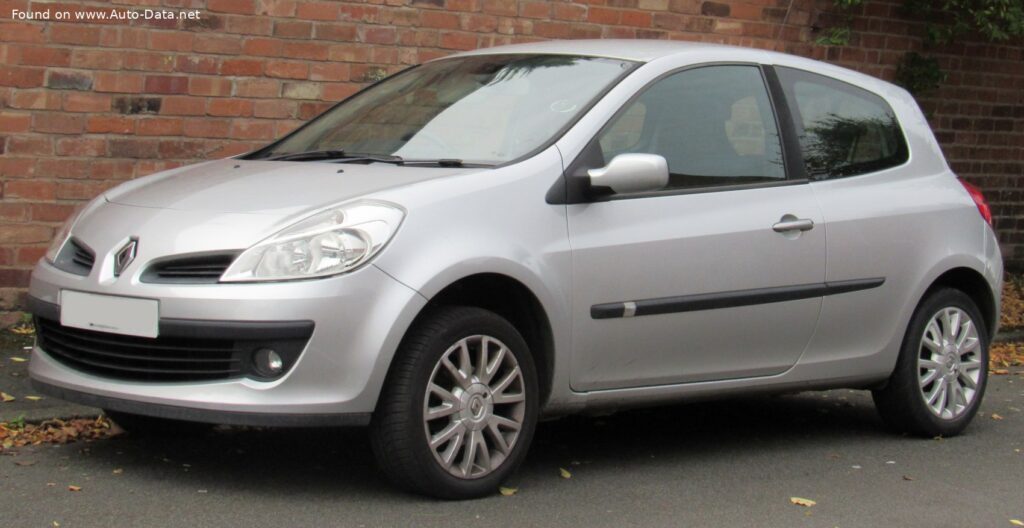
The Renault Clio III Phase I 3-door 1.2 16V (65 hp) was a front-wheel-drive hatchback produced between 2005 and 2009. It represented the entry point into the third-generation Clio range (designated B98), built on the Renault-Nissan B platform. This variant was specifically aimed at buyers prioritizing fuel efficiency and affordability, offering a basic but practical transportation solution within the supermini segment. The Phase I models, produced from 2005-2009, featured distinct styling cues compared to the later Phase II refresh.
Powertrain & Engine Architecture
The heart of the Clio III 1.2 16V was the D4F 740 engine, a 1.149-liter (70.12 cubic inches) inline-four cylinder gasoline engine. This engine utilized a multi-point fuel injection system and a double overhead camshaft (DOHC) valvetrain with four valves per cylinder. The 9.8:1 compression ratio was typical for naturally aspirated engines of this era, balancing efficiency and performance. The engine produced a maximum power output of 65 horsepower (48 kW) at 5500 rpm and 105 Nm (77.44 lb-ft) of torque at 4250 rpm. This engine was known for its relatively simple design, contributing to its reliability, but also limiting its overall performance potential.
The 1.2 16V engine was typically paired with a five-speed manual transmission. However, a four-speed automatic transmission was also offered, though less common. The automatic transmission was a conventional hydraulic unit, offering smooth but not particularly quick shifts. The gear ratios were optimized for fuel economy rather than acceleration, reflecting the target market for this variant.
Engine Code Specifics
The D4F engine family was widely used across various Renault and Nissan models. The ‘740’ designation specifically identifies the 65 hp variant. While generally robust, these engines could be susceptible to issues with the ignition coil and throttle body over time. Regular maintenance, including oil changes and spark plug replacement, was crucial for ensuring longevity.
Driving Characteristics
The Clio III 1.2 16V Automatic offered a comfortable, if uninspiring, driving experience. Acceleration was modest, taking approximately 14.9 seconds to reach 62 mph (100 km/h). The automatic transmission contributed to a relaxed driving style, particularly in urban environments. However, overtaking maneuvers required careful planning due to the limited power output. The gear ratios were spaced to prioritize fuel efficiency, meaning the engine often felt strained when accelerating hard. Compared to the more powerful 1.4 16V or the diesel variants, the 1.2 16V felt significantly slower. The manual transmission version offered slightly improved performance and driver engagement, but still remained focused on economy.
Handling was typical for a supermini – light and nimble, making it easy to maneuver in tight spaces. The suspension, while basic, provided a reasonably comfortable ride on most road surfaces.
Equipment & Trim Levels
The 1.2 16V typically represented the base trim level in the Clio III range, often referred to as the “Authentique” or “Expression” depending on the market. Standard equipment generally included power steering, central locking, front airbags, and an adjustable steering column. Air conditioning was often an optional extra. Interior upholstery was typically cloth, with a simple dashboard layout. Optional extras could include alloy wheels, electric windows, and a CD player. The interior plastics were durable but lacked the premium feel of higher trim levels.
The 3-door configuration prioritized a sportier aesthetic and slightly improved practicality for front-seat occupants, though rear access was compromised compared to the 5-door model.
Chassis & Braking
The Clio III 1.2 16V utilized a McPherson strut front suspension with a coil spring and anti-roll bar. The rear suspension employed a torsion beam setup, a cost-effective solution common in this class of vehicle. The front brakes were ventilated discs measuring 260mm, while the rear brakes were drum brakes measuring 203mm. This combination provided adequate stopping power for the vehicle’s weight and performance. ABS (Anti-lock Braking System) was standard equipment, enhancing safety in emergency braking situations.
The kerb weight of the 1.2 16V was approximately 1080 kg (2380.99 lbs), making it one of the lighter variants in the Clio III range. This contributed to its relatively good fuel economy.
Market Reception & Comparison
The Clio III 1.2 16V was generally well-received as an affordable and economical city car. Critics praised its fuel efficiency and ease of driving, but noted its lack of performance. Compared to the 1.4 16V, the 1.2 offered significantly lower running costs but at the expense of driving enjoyment. The diesel variants, while more expensive to purchase, provided superior fuel economy and torque. The 1.2 16V’s main competitors included the Peugeot 206, Ford Fiesta, and Volkswagen Polo, all of which offered similar levels of practicality and affordability.
Fuel economy figures were competitive for the time, with combined cycle consumption averaging around 5.9 l/100 km (39.9 US mpg). Reliability was generally good, although preventative maintenance was essential to avoid common issues with the engine and transmission.
Technical Specifications
| Engine Type | Inline-4, Naturally Aspirated |
| Engine Displacement | 1149 cc (70.12 cu in) |
| Engine Code | D4F 740 |
| Maximum Power | 65 hp (48 kW) @ 5500 rpm |
| Maximum Torque | 105 Nm (77.44 lb-ft) @ 4250 rpm |
| Fuel System | Multi-point Fuel Injection |
| Valvetrain | DOHC, 4 valves per cylinder |
| Compression Ratio | 9.8:1 |
| Transmission | 4-speed Automatic (Optional 5-speed Manual) |
| Drive Wheels | Front Wheel Drive |
| Kerb Weight | 1080 kg (2380.99 lbs) |
| Maximum Speed | 157 km/h (97.56 mph) |
| 0-100 km/h | 14.9 seconds |
| Fuel Consumption (Combined) | 5.9 l/100 km (39.9 US mpg) |
| CO2 Emissions | 139 g/km |
| Fuel Tank Capacity | 55 liters (14.53 US gal) |
Legacy
The Renault Clio III 1.2 16V, particularly the automatic version, remains a relatively common sight on used car markets. Its affordability and fuel efficiency continue to appeal to budget-conscious buyers. While not known for its performance or luxurious features, it provides reliable and economical transportation. The D4F engine, while prone to certain issues if neglected, is generally considered durable and relatively inexpensive to repair. However, potential buyers should be aware of the age-related wear and tear common to vehicles of this era, including suspension components and exhaust systems. The automatic transmission, while convenient, may require more frequent servicing than the manual counterpart. Overall, the Clio III 1.2 16V represents a practical and economical choice for those seeking a basic, reliable supermini.