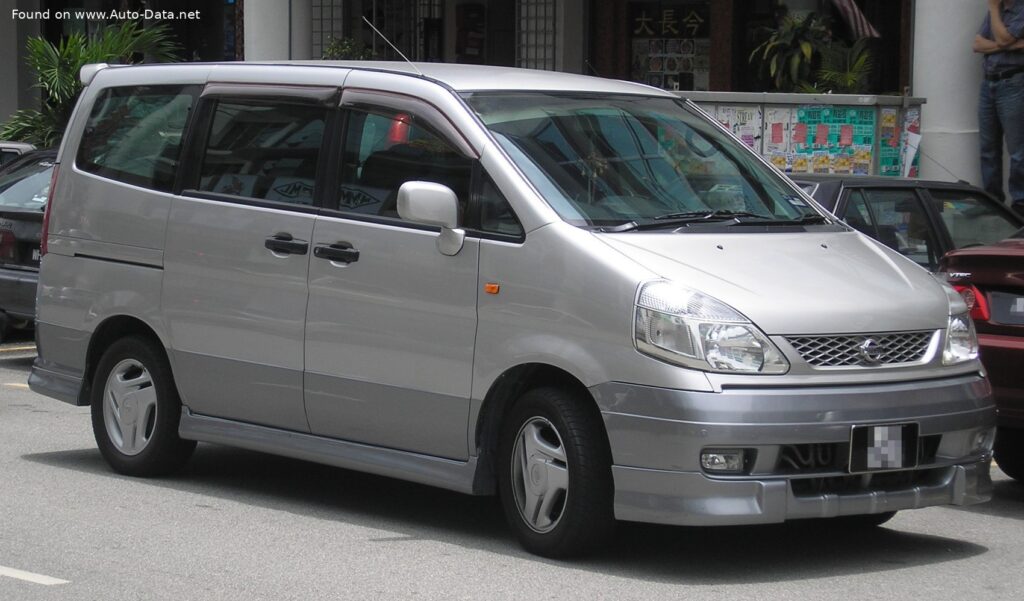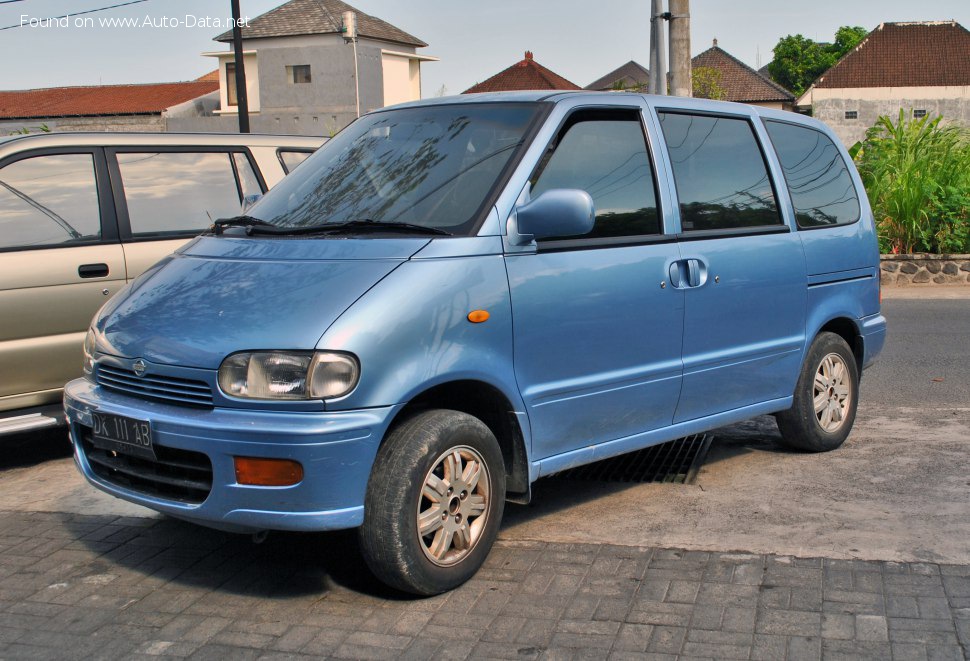
The Nissan Serena (C23M) 2.0 16V Automatic, produced between 1993 and 2000, represents a significant iteration of Nissan’s popular people carrier. This variant occupied a mid-range position within the C23M Serena lineup, offering a balance between performance, fuel economy, and practicality for families. Built on the T30 chassis (though often referred to as the C23M generation), the Serena aimed to provide comfortable and spacious transportation, particularly appealing to those needing a versatile vehicle for both daily commutes and longer journeys. The 2.0-liter engine paired with an automatic transmission was a popular choice, offering ease of use and accessibility compared to the more performance-oriented or economically focused trims.
Powertrain & Engine Architecture
The heart of the Serena 2.0 16V Automatic is the Nissan KA20DE engine, a 1998 cc (121.93 cu. in.) inline-four cylinder gasoline engine. This engine utilizes a multi-port fuel injection system, delivering fuel directly to each intake port for improved combustion efficiency. The engine features a double overhead camshaft (DOHC) valvetrain with four valves per cylinder, contributing to its respectable power output for its displacement. The compression ratio is set at 10:1. Bore and stroke are both 86mm (3.39 in). The KA20DE is known for its relative simplicity and durability, making it a reasonably reliable powerplant.
The automatic transmission paired with the KA20DE is a four-speed unit. While not the most modern transmission by today’s standards, it was well-suited to the engine’s torque characteristics and the Serena’s intended use as a family vehicle. The transmission prioritizes smooth shifts and ease of driving over outright performance. Specific gear ratios varied slightly depending on the year of manufacture, but generally aimed for a balance between acceleration and fuel efficiency. The drivetrain is rear-wheel drive, a configuration less common in modern minivans but prevalent in Japanese domestic market (JDM) vehicles of this era.
Engine Codes and Variations
While the KA20DE is the primary engine code associated with this Serena variant, minor variations existed depending on the specific market and year. These variations typically involved slight adjustments to the fuel injection mapping or emissions control systems to comply with local regulations. However, the fundamental engine architecture remained consistent throughout the production run.
Driving Characteristics
The Serena 2.0 16V Automatic delivers a comfortable and predictable driving experience. With 140 horsepower (hp) at 5800 rpm and 181 Nm (133.5 lb.-ft.) of torque at 4800 rpm, acceleration is adequate for everyday driving, though not particularly sporty. The 0-60 mph time is approximately 11.6 seconds, and 0-100 km/h takes around 12.2 seconds. Top speed is rated at 170 km/h (105.63 mph). The four-speed automatic transmission contributes to a relaxed driving style, with smooth gear changes and a focus on minimizing driver effort.
Compared to the manual transmission versions of the Serena, the automatic naturally sacrifices some responsiveness and fuel efficiency. The manual transmission allows for greater control over gear selection, enabling drivers to maximize engine power and optimize fuel consumption. However, the automatic transmission provides a significant convenience advantage, particularly in urban driving conditions. Compared to lower-powered Serena variants (such as those equipped with smaller engines), the 2.0-liter engine offers noticeably improved performance, especially when fully loaded with passengers and luggage.
Equipment & Trim Levels
The Serena 2.0 16V Automatic typically came equipped with a range of features designed to enhance comfort and convenience. Standard equipment generally included power steering, air conditioning, and basic audio system. Interior upholstery was typically cloth, with options for upgraded materials available on higher trim levels. The dashboard layout was functional and straightforward, prioritizing ease of use. The Serena’s defining feature was its spacious interior, capable of comfortably seating up to eight passengers.
Optional extras included power windows, power door locks, upgraded audio systems, and alloy wheels. Some models also featured a sunroof or rear air conditioning. Trim levels varied depending on the market, with higher trims offering more luxurious appointments and additional features. The Serena was designed to be a practical and versatile vehicle, and its equipment levels reflected this focus.
Chassis & Braking
The Serena C23M utilizes a coil spring suspension in the front and a leaf spring suspension in the rear. This configuration was common for rear-wheel-drive vehicles of this era and provided a reasonable balance between ride comfort and load-carrying capacity. The front brakes are ventilated discs, offering good stopping power, while the rear brakes are discs. Anti-lock braking system (ABS) was often included as standard equipment, enhancing safety by preventing wheel lockup during hard braking. The steering system is a rack and pinion setup with hydraulic power assistance, providing precise and responsive steering feel. The vehicle rides on 195/70 R14 tires mounted on 14-inch wheels.
Market Reception & Comparison
The Nissan Serena C23M 2.0 16V Automatic was generally well-received by critics and consumers alike. It was praised for its spacious interior, comfortable ride, and reliable engine. Fuel economy was considered acceptable for a vehicle of its size and type, with combined fuel consumption of around 11.1 l/100 km (21.2 US mpg). However, some critics noted that the four-speed automatic transmission felt somewhat dated compared to newer transmissions with more gears.
Compared to other trims in the Serena lineup, the 2.0-liter automatic offered a good compromise between performance and fuel economy. The smaller-engined variants were more fuel-efficient but lacked the power needed for comfortable highway driving, while the larger-engined variants offered more performance but at the expense of fuel economy. The Serena competed with other minivans and multi-purpose vehicles (MPVs) from manufacturers such as Toyota, Honda, and Mitsubishi.
Technical Specifications
| Engine Type | Inline-4, Naturally Aspirated |
| Engine Displacement | 1998 cm3 (121.93 cu. in.) |
| Bore x Stroke | 86 mm x 86 mm (3.39 in x 3.39 in) |
| Compression Ratio | 10:1 |
| Valve Configuration | DOHC, 4 valves per cylinder |
| Fuel Injection | Multi-port Fuel Injection |
| Maximum Power | 140 hp @ 5800 rpm |
| Maximum Torque | 181 Nm (133.5 lb.-ft.) @ 4800 rpm |
| Transmission | 4-speed Automatic |
| Drivetrain | Rear-Wheel Drive |
| Kerb Weight | 1485 kg (3273.86 lbs.) |
| Maximum Weight | 2225 kg (4905.29 lbs.) |
| Fuel Tank Capacity | 60 l (15.85 US gal) |
| Length | 4315 mm (169.88 in.) |
| Width | 1710 mm (67.32 in.) |
| Height | 1835 mm (72.24 in.) |
| Wheelbase | 2735 mm (107.68 in.) |
| 0-100 km/h | 12.2 sec |
| Top Speed | 170 km/h (105.63 mph) |
Legacy
The Nissan Serena C23M 2.0 16V Automatic has proven to be a relatively reliable vehicle over the long term. The KA20DE engine is known for its durability, and the automatic transmission, while not particularly sophisticated, is generally dependable. Today, these Serenas are increasingly sought after by enthusiasts and collectors, particularly those interested in JDM vehicles. Parts availability can be a challenge in some markets, but the engine’s simplicity makes it relatively easy to repair. The Serena C23M remains a popular choice for those seeking a spacious, comfortable, and reliable people carrier with a touch of retro charm. Its rear-wheel-drive layout and relatively simple mechanicals contribute to its enduring appeal among those who appreciate classic automotive engineering.