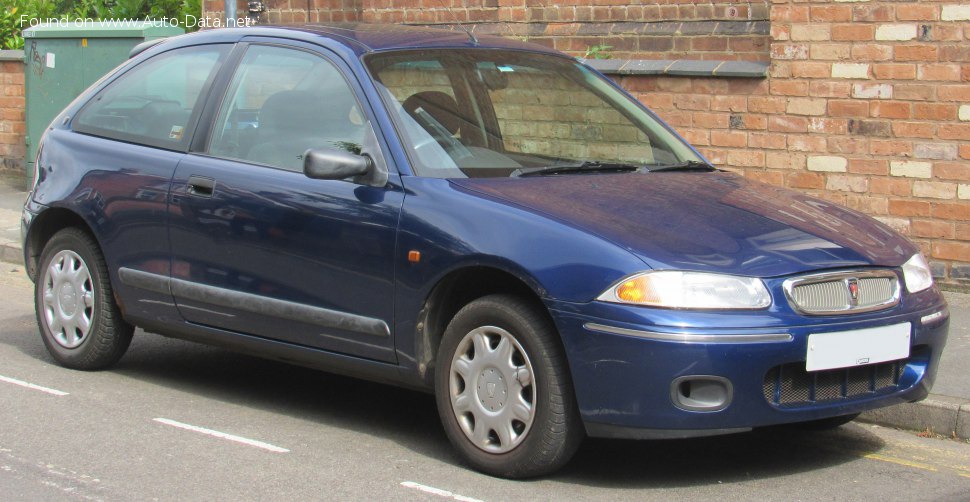
The Rover 200 (RF) 214 i, produced between 1995 and 2000, represented the entry point into the Rover 200 range, a compact hatchback that was part of the broader R8 platform family, also known as the 1HX0/A3 platform. This variant, powered by a 1.4-liter engine producing 75 horsepower, was designed to offer affordable and economical transportation within the British Leyland/Rover Group lineage. It served as a practical and accessible option for first-time buyers, commuters, and those seeking a small family vehicle. The 214 i occupied the lowest rung of the 200 ladder, positioned below the 214 SE and the more performance-oriented 220 variants.
Rover 200 (RF) 214 i: Powertrain & Engine Architecture
The heart of the 214 i was the K-Series engine, specifically the K4 variant. This was a 1396cc (85.19 cubic inches) inline four-cylinder engine, notable for its compact size and lightweight construction. The K4 engine featured a naturally aspirated intake and a 9.7:1 compression ratio. It utilized a multi-port fuel injection system, delivering fuel directly into the intake ports, and an overhead camshaft (OHC) valvetrain with two valves per cylinder. This configuration, while relatively simple, was designed for reliability and fuel efficiency rather than outright performance.
The engine produced 75 hp at 5500 rpm and 86.29 lb-ft of torque at 4000 rpm. While not a powerhouse, the K4 engine was known for its smooth operation and reasonable refinement for its class. The engine oil capacity was 4.5 liters (4.76 US quarts), and the cooling system required 5 liters (5.28 US quarts) of coolant. The engine code, K4, is crucial for identifying specific parts and service information.
The 214 i was primarily offered with a five-speed manual transmission. However, a four-speed automatic transmission was also available, though less common. The automatic transmission, while providing convenience, noticeably impacted the car’s acceleration and fuel economy. The automatic’s gear ratios were optimized for fuel efficiency and smooth cruising, rather than spirited driving.
Engine Specifications (K4)
The K4 engine was a significant departure from Rover’s previous engine designs, embracing a more modern and modular approach. The engine block was constructed from cast iron, while the cylinder head was made from aluminum alloy, contributing to its relatively light weight. The engine’s design allowed for easy access to key components, simplifying maintenance and repairs.
Driving Characteristics
The Rover 200 214 i, particularly in its manual transmission guise, offered a reasonably pleasant driving experience for its intended purpose. Acceleration from 0-60 mph took approximately 12.6 seconds, and 0-100 km/h in 13.3 seconds, making it a decidedly unhurried vehicle. The automatic transmission version was even slower, with a noticeable delay in response to throttle inputs. The car’s top speed was around 102.53 mph (165 km/h).
The 1.4-liter engine provided adequate power for urban driving and cruising on level roads. However, overtaking maneuvers required careful planning, and the engine could feel strained when climbing hills or carrying a full load. The manual transmission allowed drivers to make the most of the available power, while the automatic prioritized comfort and ease of use. The steering was light and precise, making the car easy to maneuver in tight spaces. The suspension, while not particularly sporty, provided a comfortable ride on most road surfaces.
Equipment & Trim Levels
The Rover 200 214 i was typically equipped with basic but functional features. Standard equipment included power steering, central locking, and an adjustable steering column. Interior upholstery was typically cloth, with a simple dashboard layout. Options included electric windows, a sunroof, and upgraded audio systems. The trim level dictated the level of equipment, with higher trims offering more luxurious features.
The 214 i was often chosen by buyers seeking a practical and affordable vehicle, and as such, it was rarely specified with many optional extras. The focus was on providing a reliable and economical mode of transportation. The interior was functional and well-built, though lacking the sophistication of some of its rivals.
Chassis & Braking
The Rover 200 214 i featured a front-wheel-drive layout with independent wishbone suspension at the front and a semi-independent suspension with traction connecting levers at the rear. This suspension setup provided a reasonable balance between ride comfort and handling. The front brakes were discs, while the rear brakes were drums. Anti-lock braking system (ABS) was available as an option, enhancing safety in emergency braking situations.
The car’s curb weight of 1060 kg (2336.9 lbs) contributed to its relatively nimble handling. The tires were typically 175/65 R14 T size, providing adequate grip in most conditions. The steering was rack and pinion, offering precise and responsive control.
Market Reception & Comparison
The Rover 200 214 i was generally well-received by critics as a practical and affordable small car. However, it was often criticized for its lack of performance and its somewhat dated interior design. Compared to rivals such as the Ford Fiesta, Vauxhall/Opel Corsa, and Renault Clio, the 200 214 i offered a more comfortable ride but lacked the same level of dynamism. Fuel economy was respectable, with combined fuel consumption figures of around 36.8 US mpg (44.1 UK mpg or 6.4 l/100 km).
Reliability was a mixed bag. The K-Series engine, while generally robust, was prone to head gasket failures if not properly maintained. The automatic transmission, in particular, could be prone to issues. However, with regular servicing and careful driving, the 200 214 i could provide years of reliable service.
Technical Specifications
| Body Type | Hatchback, 3-5 Doors |
| Engine Displacement | 1396 cm3 (85.19 cu. in.) |
| Engine Model/Code | K4 |
| Number of Cylinders | 4, Inline |
| Fuel Type | Petrol (Gasoline) |
| Power Output | 75 Hp @ 5500 rpm |
| Torque | 117 Nm @ 4000 rpm (86.29 lb.-ft. @ 4000 rpm) |
| Compression Ratio | 9.7:1 |
| Fuel Consumption (Urban) | 7.8 l/100 km (30.2 US mpg, 36.2 UK mpg) |
| Fuel Consumption (Extra Urban) | 5 l/100 km (47 US mpg, 56.5 UK mpg) |
| Fuel Consumption (Combined) | 6.4 l/100 km (36.8 US mpg, 44.1 UK mpg) |
| Acceleration 0-60 mph | 12.6 sec (Calculated) |
| Acceleration 0-100 km/h | 13.3 sec |
| Maximum Speed | 165 km/h (102.53 mph) |
| Kerb Weight | 1060 kg (2336.9 lbs) |
| Fuel Tank Capacity | 55 l (14.53 US gal, 12.1 UK gal) |
| Transmission | 5-speed Manual or 4-speed Automatic |
Legacy
Today, the Rover 200 214 i is a relatively rare sight on the roads. While not particularly sought after by collectors, well-maintained examples are gaining a following among enthusiasts who appreciate their simplicity and affordability. The K-Series engine, despite its potential for head gasket issues, remains a relatively easy engine to work on, making it popular with DIY mechanics. The 214 i represents a significant chapter in Rover’s history, embodying the company’s commitment to producing practical and accessible vehicles. The car’s legacy lies in its affordability, reliability (when properly maintained), and its role as a stepping stone for many first-time car owners.
In the used car market, the 214 i is typically available at very low prices. However, potential buyers should be aware of the potential for rust and mechanical issues. A thorough inspection by a qualified mechanic is essential before purchasing any example of this vehicle.