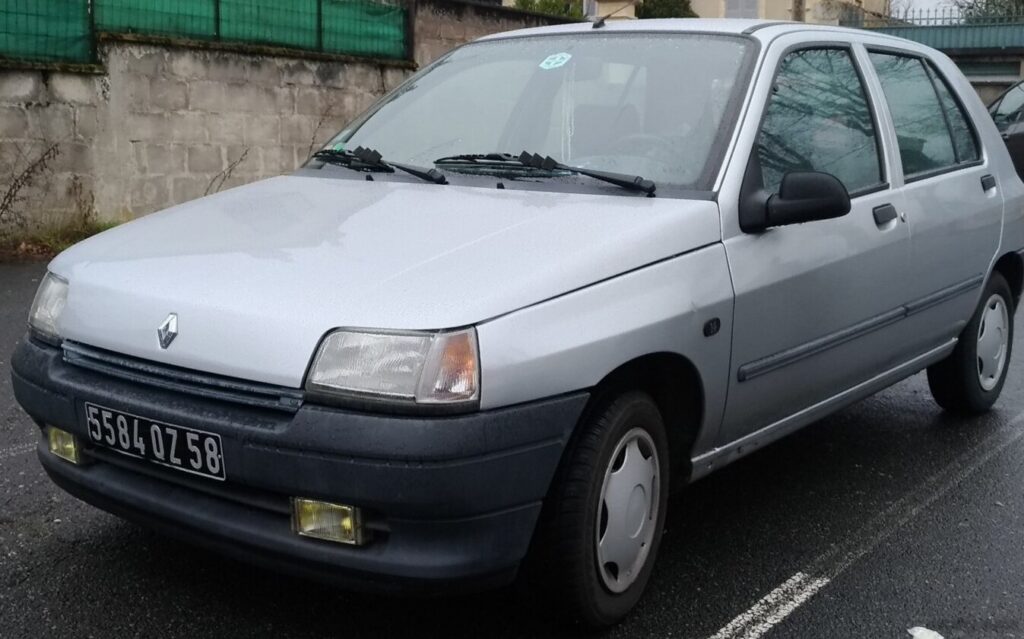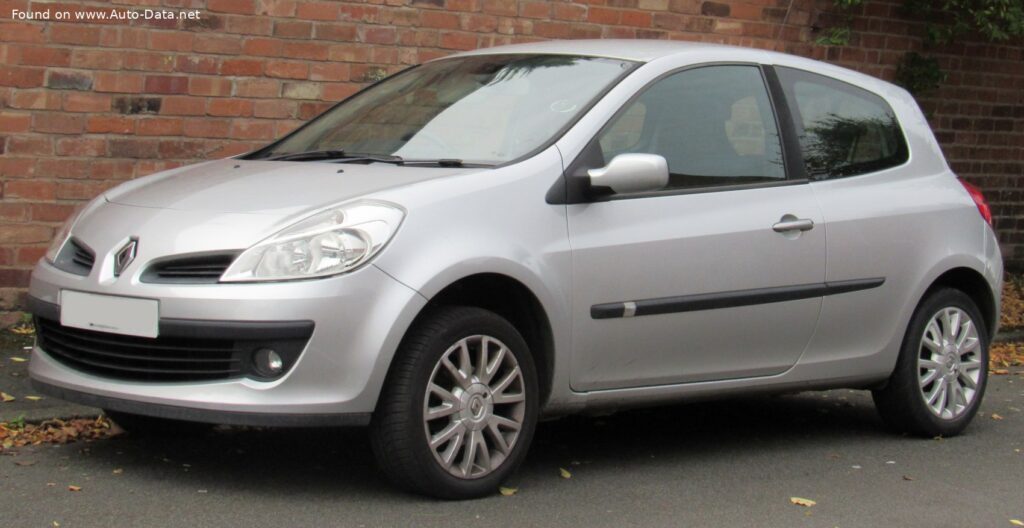
The Renault Clio III Phase I 3-door 1.2 16V (75 hp) was a popular entry-level variant of Renault’s highly successful supermini, produced between 2005 and 2009. Positioned as the most affordable option in the Phase I Clio III range, it aimed to provide economical and practical transportation for budget-conscious buyers. This model was part of the 1HX series, sharing its platform with the second-generation Renault Modus and the first-generation Dacia Sandero. The 3-door body style offered a sportier aesthetic compared to the five-door version, appealing to younger drivers and those prioritizing a more compact footprint.
Powertrain & Engine Architecture
The heart of the Clio III 1.2 16V was the D4F 706 or D4F 740 engine, a 1.149-liter (70.12 cubic inches) inline-four cylinder gasoline engine. This engine featured a double overhead camshaft (DOHC) valvetrain with four valves per cylinder, contributing to its relatively efficient operation. The engine utilized a multi-port fuel injection system, delivering fuel directly into the intake ports. The compression ratio was set at 9.8:1. While not a powerhouse, the D4F engine was known for its reliability and ease of maintenance.
The 75 horsepower engine was typically paired with a five-speed manual transmission, however, an optional four-speed automatic transmission was available, though less common. The automatic transmission, a Jatco unit, was chosen for its simplicity and cost-effectiveness, rather than outright performance. It featured standard torque converter technology and electronic control for smoother shifts. The automatic version sacrificed some fuel economy and responsiveness compared to the manual.
Engine Specifications
The D4F engine produced a maximum power output of 75 hp (56 kW) at 5500 rpm and a peak torque of 105 Nm (77.44 lb-ft) at 4250 rpm. This resulted in a power-to-liter ratio of 65.3 hp/liter. The engine required approximately 4 liters (4.23 US quarts) of engine oil and 5 liters (5.28 US quarts) of coolant for a complete service. The engine met Euro 4 emission standards at the time of its release.
Driving Characteristics
The Clio III 1.2 16V with the automatic transmission offered a comfortable, if uninspiring, driving experience. Acceleration was modest, taking approximately 13.4 seconds to reach 100 km/h (62 mph) and 12.7 seconds to 60 mph. The top speed was limited to 167 km/h (103.77 mph). The automatic transmission’s gear ratios were optimized for fuel efficiency rather than rapid acceleration.
Compared to the more powerful 1.6 16V or the diesel variants, the 1.2 16V automatic felt noticeably slower, particularly when overtaking or climbing hills. The automatic transmission could sometimes feel hesitant, especially when downshifting. However, for urban driving and shorter commutes, the engine provided sufficient power and the automatic transmission offered convenience. The manual transmission version offered a more engaging driving experience and slightly improved fuel economy.
Equipment & Trim Levels
The 1.2 16V typically represented the base trim level, often referred to as “Authentique” or “Expression” depending on the market. Standard equipment generally included power steering, central locking, electric front windows, and an adjustable steering column. Safety features included ABS (Anti-lock Braking System) and driver and passenger airbags.
Interior upholstery was typically cloth, with a simple dashboard layout. Optional extras included air conditioning, alloy wheels, a CD player, and rear electric windows. Higher trim levels, such as “Dynamique,” added features like air conditioning, alloy wheels, and upgraded interior trim as standard. The 3-door configuration often came with sport seats as an option, enhancing the vehicle’s visual appeal.
Chassis & Braking
The Clio III 1.2 16V utilized an independent McPherson strut suspension system at the front, providing a comfortable ride and decent handling. The rear suspension employed a torsion beam setup, which was cost-effective and space-efficient. The front brakes were ventilated discs measuring 260 mm, while the rear brakes were drum brakes measuring 203 mm. This configuration was typical for vehicles in this weight class and price range.
The steering system was a rack and pinion type with electric power assistance, offering light and precise steering feel. Tire sizes varied depending on the trim level, ranging from 165/65 R15 to 195/50 R16. The relatively lightweight nature of the 1.2 16V variant contributed to its nimble handling characteristics.
Market Reception & Comparison
The Renault Clio III 1.2 16V was generally well-received as an affordable and practical supermini. Critics praised its fuel efficiency, reliability, and comfortable ride. However, the engine’s lack of power was often cited as a drawback, particularly when compared to competitors like the Ford Fiesta or the Volkswagen Polo.
Fuel economy figures were competitive, with combined fuel consumption averaging around 5.9 l/100 km (39.9 US mpg). The automatic transmission slightly reduced fuel economy compared to the manual version. In terms of reliability, the D4F engine proved to be robust and relatively trouble-free, although regular maintenance was essential. Compared to the 1.6 16V, the 1.2 16V was significantly cheaper to insure and run, making it an attractive option for first-time drivers and those on a tight budget.
Technical Specifications
| Body Type | Hatchback, 3 Doors |
| Engine Displacement | 1149 cm3 (70.12 cu. in.) |
| Engine Layout | Inline-4 |
| Fuel Type | Petrol (Gasoline) |
| Power Output | 75 hp @ 5500 rpm |
| Torque | 105 Nm @ 4250 rpm (77.44 lb-ft) |
| Transmission | 4-speed Automatic (Optional 5-speed Manual) |
| Drive Type | Front Wheel Drive |
| Acceleration 0-100 km/h | 13.4 sec |
| Top Speed | 167 km/h (103.77 mph) |
| Fuel Consumption (Combined) | 5.9 l/100 km (39.9 US mpg) |
| CO2 Emissions | 139 g/km |
| Kerb Weight | 1080 kg (2380.99 lbs) |
| Fuel Tank Capacity | 55 l (14.53 US gal) |
| Trunk Space (Minimum) | 288 l (10.17 cu. ft.) |
| Trunk Space (Maximum) | 1028 l (36.3 cu. ft.) |
Legacy
The Renault Clio III 1.2 16V, particularly with the automatic transmission, remains a relatively affordable option in the used car market. The D4F engine is known for its longevity, and with regular maintenance, it can provide many years of reliable service. However, potential buyers should be aware of the engine’s limited power output and the automatic transmission’s somewhat dated technology. Parts availability is generally good, and maintenance costs are relatively low.
While not a performance car, the Clio III 1.2 16V served as a practical and economical choice for many drivers. Its simplicity, reliability, and low running costs continue to make it an appealing option for those seeking a budget-friendly supermini. The automatic transmission version, while less common, offers a convenient and comfortable driving experience for urban commutes and shorter journeys.