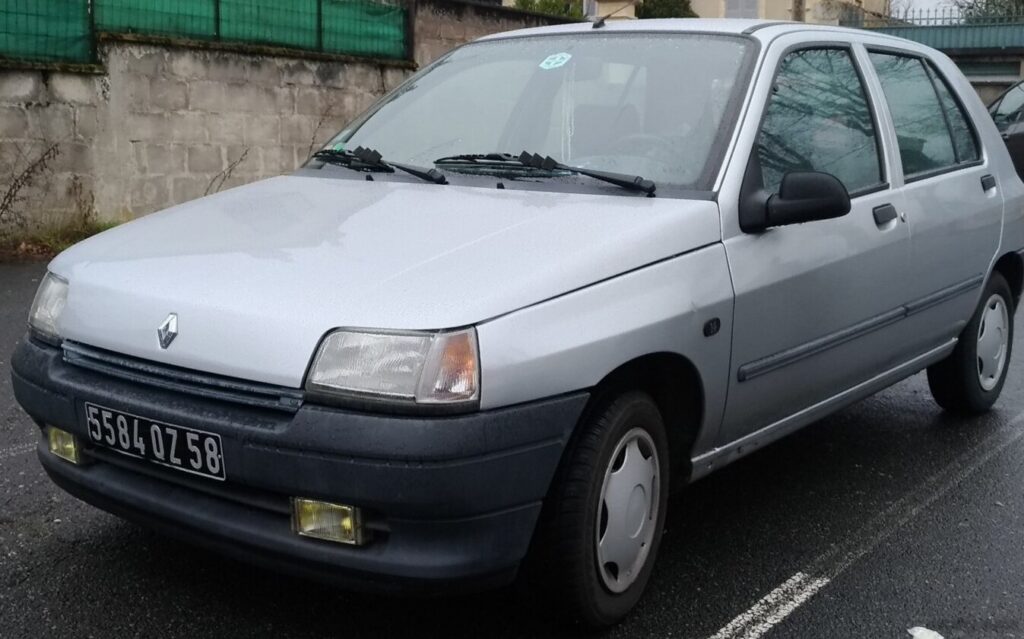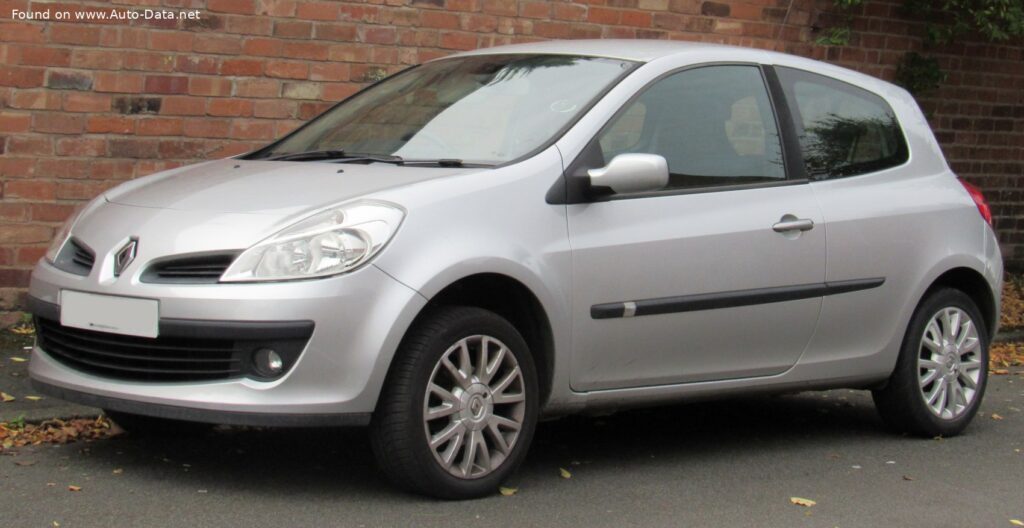
The Renault Clio III (Phase I) 3-door 1.2 16V (75 hp) “Quickshift” model, produced between 2005 and 2009, represented an entry-level offering within the broader Clio III range. This variant was positioned as an affordable and economical hatchback, aimed at buyers prioritizing fuel efficiency and ease of use over outright performance. It formed part of the X85 series, built on the Renault-Nissan B platform, and was a popular choice in European markets. The “Quickshift” designation refers to the automated manual transmission offered, a unique feature for this segment at the time. This model occupied the lower end of the Clio III spectrum, sitting below the more powerful 1.4 16V and 1.6 16V gasoline engines, as well as the diesel-powered 1.5 dCi variants.
Powertrain & Engine Architecture
The heart of the Clio III 1.2 16V is the D4F 706 or D4F 740 engine, a 1.149-liter (70.12 cubic inches) inline-four cylinder gasoline engine. This engine utilizes a naturally aspirated configuration and features a multi-point fuel injection system. The 16-valve cylinder head, with four valves per cylinder, contributes to improved breathing and efficiency. Bore and stroke dimensions are 69mm x 76.8mm, resulting in a compression ratio of 9.8:1. The engine produces a maximum power output of 75 horsepower (56 kW) at 5500 rpm and 107 Nm (78.92 lb-ft) of torque at 4250 rpm. Power per liter is rated at 65.3 hp/l.
The defining characteristic of this variant is its “Quickshift” transmission, a five-speed automated manual gearbox. Unlike a traditional automatic transmission with a torque converter, the Quickshift system uses actuators to mechanically change gears, offering quicker shifts and improved fuel economy. However, it lacks the smoothness of a conventional automatic and can exhibit some jerkiness, particularly at lower speeds. The transmission operates in both fully automatic and semi-automatic modes, allowing the driver some control over gear selection. The drivetrain is front-wheel drive, typical for vehicles in this class.
Engine Codes & Variations
The D4F 706 and D4F 740 engine codes represent minor variations within the 1.2 16V family. These differences primarily relate to emissions control equipment and minor component revisions. Both versions deliver the same fundamental performance characteristics. Engine oil capacity is 4 liters (4.23 US quarts / 3.52 UK quarts), and coolant capacity is 5 liters (5.28 US quarts / 4.4 UK quarts). Recommended oil specification details are typically found in the vehicle’s owner’s manual.
Driving Characteristics
The Clio III 1.2 16V Quickshift offers modest performance. Acceleration is adequate for urban driving and short highway trips, but it struggles with heavier loads or steep inclines. The 0 to 60 mph (0 to 97 km/h) time is estimated to be around 13-14 seconds. The Quickshift transmission, while efficient, can feel less refined than a traditional automatic. Shifts are noticeably quicker than a manual transmission, but can be abrupt, especially during low-speed maneuvers. The gear ratios are optimized for fuel economy rather than outright acceleration. The weight-to-power ratio of 14.5 kg/hp and weight-to-torque ratio of 10.2 kg/Nm reflect the car’s modest performance capabilities.
Compared to the 1.4 16V and 1.6 16V versions of the Clio III, the 1.2 16V offers significantly less power and torque. The higher-displacement engines provide noticeably quicker acceleration and more effortless cruising speeds. However, the 1.2 16V excels in fuel economy, making it a more attractive option for drivers prioritizing cost-effectiveness. The 1.5 dCi diesel variants offer even better fuel economy and a broader torque curve, but at the expense of refinement and potential maintenance costs associated with diesel technology.
Equipment & Trim Levels
The Clio III 1.2 16V Quickshift typically came equipped with a basic level of standard features. These generally included power steering, central locking, electric front windows, and an audio system. Safety features included driver and passenger airbags, and ABS brakes. Interior upholstery was typically cloth, with a functional but basic dashboard layout. Trim levels varied slightly depending on the market, but generally offered options such as air conditioning, alloy wheels, and upgraded audio systems. Optional extras could also include a sunroof, parking sensors, and metallic paint finishes.
The interior design prioritized practicality and ergonomics. The dashboard layout was straightforward, with clearly labeled controls. Rear passenger space was adequate for shorter journeys, but could feel cramped for taller occupants. The 3-door configuration meant easier access for the driver and front passenger, but required more effort for rear seat occupants.
Chassis & Braking
The Clio III 1.2 16V utilizes a front strut suspension and a coil spring rear suspension. This setup provides a comfortable ride quality, well-suited for everyday driving. The suspension is tuned for comfort rather than sporty handling. Front brakes are ventilated discs, providing adequate stopping power, while rear brakes are drums. The steering is rack and pinion with electric power assistance, offering light and precise steering feel. Tire size is typically 165/65 R15, mounted on 5.5J x 15 inch steel or alloy wheels.
The chassis was designed to balance affordability with safety and handling. The relatively lightweight construction of the Clio III contributes to its nimble handling characteristics. However, the rear drum brakes offer less stopping power than disc brakes, particularly under heavy braking conditions.
Market Reception & Comparison
The Renault Clio III 1.2 16V Quickshift received mixed reviews from automotive critics. While praised for its fuel efficiency and affordability, it was often criticized for its lackluster performance and the somewhat jerky operation of the Quickshift transmission. Critics noted that the engine felt strained at higher speeds and that the transmission lacked the smoothness of a conventional automatic. However, the Clio III’s overall practicality, stylish design, and competitive price point made it a popular choice among budget-conscious buyers.
In terms of fuel economy, the Clio III 1.2 16V Quickshift achieved combined fuel consumption figures of around 5.6 l/100 km (42 US mpg / 50.4 UK mpg), making it one of the most fuel-efficient vehicles in its class. Reliability was generally good, although some owners reported minor issues with the Quickshift transmission. Compared to other trims in the Clio III lineup, the 1.2 16V offered the lowest running costs but also the least exciting driving experience.
Technical Specifications
| Brand | Renault |
| Model | Clio III |
| Generation | Clio III (Phase I) |
| Engine Type | 1.2 16V (75 Hp) |
| Production Years | 2005-2009 |
| Engine Code | D4F 706, D4F 740 |
| Engine Displacement | 1149 cm3 (70.12 cu. in.) |
| Number of Cylinders | 4 |
| Engine Configuration | Inline |
| Bore x Stroke | 69 mm x 76.8 mm (2.72 in x 3.02 in) |
| Compression Ratio | 9.8:1 |
| Fuel Injection | Multi-port manifold injection |
| Power Output | 75 hp @ 5500 rpm |
| Torque Output | 107 Nm (78.92 lb-ft) @ 4250 rpm |
| Transmission | 5-speed automated manual (“Quickshift”) |
| Drive Type | Front-wheel drive |
| Kerb Weight | 1090 kg (2403.04 lbs) |
| Max Weight | 1580 kg (3483.3 lbs) |
| Fuel Tank Capacity | 55 l (14.53 US gal / 12.1 UK gal) |
| Trunk Space (min/max) | 288 l / 1028 l (10.17 cu. ft / 36.3 cu. ft) |
| Length | 3986 mm (156.93 in) |
| Width | 1719 mm (67.68 in) |
| Height | 1495 mm (58.86 in) |
Legacy
The Renault Clio III 1.2 16V Quickshift, while not a performance icon, remains a relatively common sight on used car markets. The D4F engine is known for its durability and relatively low maintenance costs. The Quickshift transmission, however, can be a potential source of issues, and prospective buyers should carefully inspect its operation before purchasing. Overall, this variant represents a practical and economical choice for those seeking a small, fuel-efficient hatchback. Its affordability and ease of maintenance continue to make it an attractive option for budget-conscious buyers, even today. The Clio III, in general, established Renault as a strong competitor in the supermini segment, and the 1.2 16V variant played a significant role in its success.