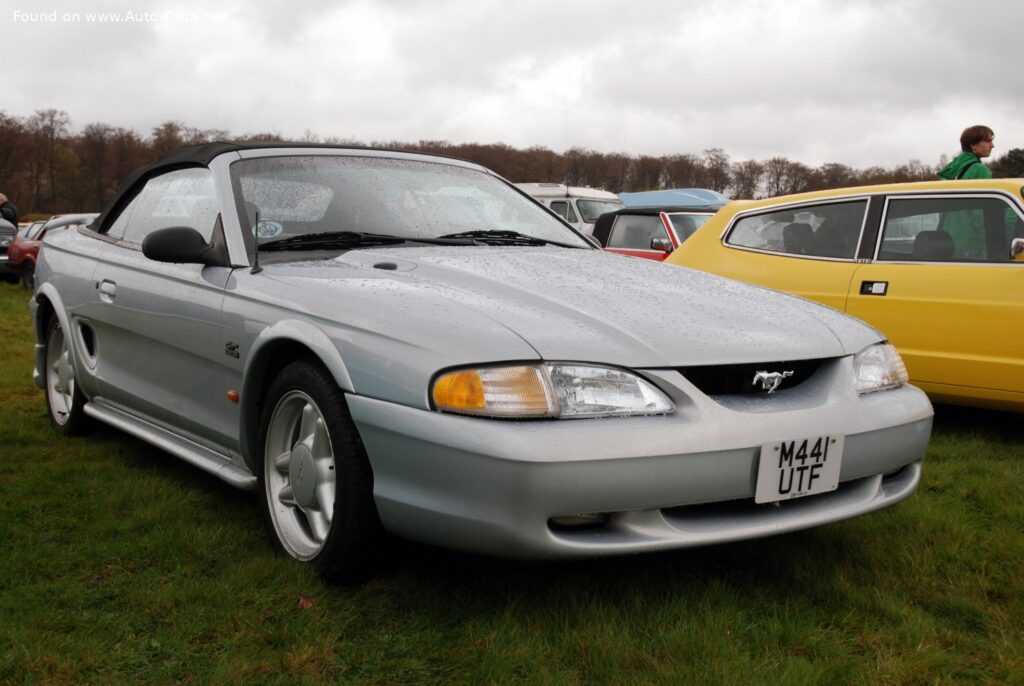
The Ford Mustang Convertible IV 4.6 V8 GT, produced from 1998 to 2005, represented a significant iteration of Ford’s iconic pony car. This fourth-generation Mustang (SN-95 platform) offered open-air driving enjoyment combined with the power of Ford’s Modular V8 engine. The 4.6L GT model occupied the performance-oriented mid-range of the Convertible IV lineup, positioned above the base V6 models and below any potential special edition or higher-performance variants that might have been offered during its production run. It aimed to deliver a balance of power, handling, and affordability for buyers seeking a classic American sports car experience.
Powertrain & Engine Architecture
The heart of the Mustang Convertible IV 4.6 V8 GT was Ford’s 4.6-liter Modular V8 engine, specifically the 99WSFI code. This engine was a significant departure from the older pushrod V8s Ford had traditionally used in the Mustang. The “Modular” designation referred to its modular engine design, allowing for easier manufacturing and future development. It featured a single overhead valve (SOHV) configuration – one camshaft per bank of cylinders operating two valves per cylinder (two intake, two exhaust). This valvetrain design was a compromise between the simplicity of a pushrod engine and the higher performance potential of dual overhead camshafts.
Fuel delivery was handled by a multi-port fuel injection system, with individual injectors positioned in the intake manifold near each intake valve. This system provided precise fuel metering for improved efficiency and performance. The engine boasted a compression ratio of 9:1. The 4.6L V8 produced 263 horsepower at 5250 rpm and 301.66 lb-ft of torque at 4000 rpm. While the engine itself was a robust design, the SN-95 Mustang’s performance was often limited by its relatively heavy chassis and solid rear axle suspension.
The Mustang Convertible IV 4.6 V8 GT was primarily offered with a 5-speed manual transmission. However, a 4-speed automatic transmission was also available, and this configuration is the focus of this article. The automatic transmission, a Ford 4R70W, was a four-speed electronically controlled unit known for its durability. Gear ratios were tailored to provide a balance of acceleration and cruising efficiency. First gear was relatively short for quick off-the-line acceleration, while the higher gears were geared for comfortable highway cruising.
Engine Specifications (99WSFI)
- Displacement: 4.6 liters (4804 cm3 / 293.16 cu. in.)
- Configuration: 90-degree V8
- Bore x Stroke: 91.44 mm x 91.44 mm (3.6 in. x 3.6 in.)
- Compression Ratio: 9:1
- Valvetrain: Single Overhead Valve (SOHV), 2 valves per cylinder
- Fuel Injection: Multi-port Fuel Injection
- Horsepower: 263 hp @ 5250 rpm
- Torque: 301.66 lb-ft @ 4000 rpm
Driving Characteristics
The 1998-2005 Mustang Convertible IV 4.6 V8 GT with the automatic transmission offered a comfortable and accessible driving experience. While not as aggressively geared as the manual transmission version, the automatic provided smooth shifts and made the car easier to drive in everyday traffic. Acceleration from 0-60 mph was typically around 5.2-5.5 seconds, depending on testing conditions and vehicle weight. The automatic transmission slightly dulled the engine’s responsiveness compared to the manual, but still delivered ample power for merging onto highways and passing other vehicles.
The solid rear axle, while cost-effective, contributed to a less refined ride quality compared to independent rear suspensions found in some competitors. Handling was adequate for spirited driving, but the car could exhibit some rear-end instability under hard cornering. The power steering provided light and easy steering effort, making the car maneuverable in parking situations. Overall, the driving experience was geared towards comfortable cruising and occasional bursts of performance rather than outright track day prowess.
Equipment & Trim Levels
The Mustang Convertible IV 4.6 V8 GT came reasonably well-equipped as standard. Interior features typically included cloth upholstery, air conditioning, power windows and locks, and an AM/FM stereo with a CD player. The dashboard featured analog gauges for speed, tachometer, fuel level, and coolant temperature. Leather upholstery, upgraded sound systems, and power-adjustable seats were available as optional extras. The convertible top was typically made of vinyl and could be raised or lowered manually or with an optional power-operated mechanism.
Exterior features included alloy wheels, a rear spoiler, and fog lights. Optional extras could include a premium sound system, upgraded wheels, and various cosmetic enhancements. The GT package also included unique exterior badging and styling cues to differentiate it from the base V6 models.
Chassis & Braking
The Mustang Convertible IV utilized a body-on-frame construction, which contributed to its relatively heavy weight. The front suspension was an independent McPherson strut design, providing a reasonable level of ride comfort and handling. The rear suspension, however, was a solid axle with leaf springs, a traditional design that was less sophisticated than independent rear suspensions. This setup could lead to some axle hop and less precise handling.
Braking duties were handled by ventilated disc brakes at the front and solid disc brakes at the rear. Anti-lock Braking System (ABS) was standard equipment, enhancing safety and control during emergency braking situations. The braking system provided adequate stopping power for everyday driving, but lacked the performance of more advanced braking systems found in some contemporary sports cars.
Market Reception & Comparison
The 1998-2005 Mustang Convertible IV 4.6 V8 GT was generally well-received by automotive critics and consumers. It offered a compelling combination of performance, style, and affordability. Critics praised the V8 engine’s power and torque, but also noted the car’s relatively heavy weight and less refined handling compared to some competitors. Fuel economy was rated at 17 mpg city and 24 mpg highway, which was typical for a V8-powered sports car of that era.
Compared to the V6 Mustang Convertible, the GT offered a significant performance upgrade. Compared to potential rivals like the Chevrolet Camaro Convertible or Pontiac Firebird Convertible, the Mustang offered a more classic American muscle car aesthetic and a loyal following. The automatic transmission version was often favored by buyers seeking a more comfortable and convenient driving experience, even if it sacrificed some performance compared to the manual transmission model.
Technical Specifications
| Body Type | Cabriolet |
| Engine Type | 4.6L V8 Gasoline |
| Engine Code | 99WSFI |
| Horsepower | 263 hp @ 5250 rpm |
| Torque | 301.66 lb-ft @ 4000 rpm |
| Transmission | 4-speed Automatic |
| Drivetrain | Rear-Wheel Drive |
| Curb Weight | 3375.28 lbs (1531 kg) |
| 0-60 mph | 5.2 sec (Calculated) |
| Top Speed | 136.7 mph (220 km/h) |
| Fuel Tank Capacity | 15.59 US gal (59 l) |
| Wheelbase | 101.3 in (2573 mm) |
| Length | 183.19 in (4653 mm) |
Legacy
The 1998-2005 Mustang Convertible IV 4.6 V8 GT remains a popular choice among enthusiasts and used car buyers. The 4.6L Modular V8 engine is generally considered to be a reliable powerplant, although regular maintenance is essential. Common issues include oil leaks and potential problems with the intake manifold. The 4R70W automatic transmission is also known for its durability, but may require occasional servicing. Today, these Mustangs offer an affordable entry point into classic American muscle car ownership. Their relatively simple mechanical design makes them relatively easy to maintain and repair, and a large aftermarket exists for performance upgrades and customization. The combination of open-air driving, V8 power, and iconic styling ensures that the Mustang Convertible IV 4.6 V8 GT continues to hold a special place in automotive history.