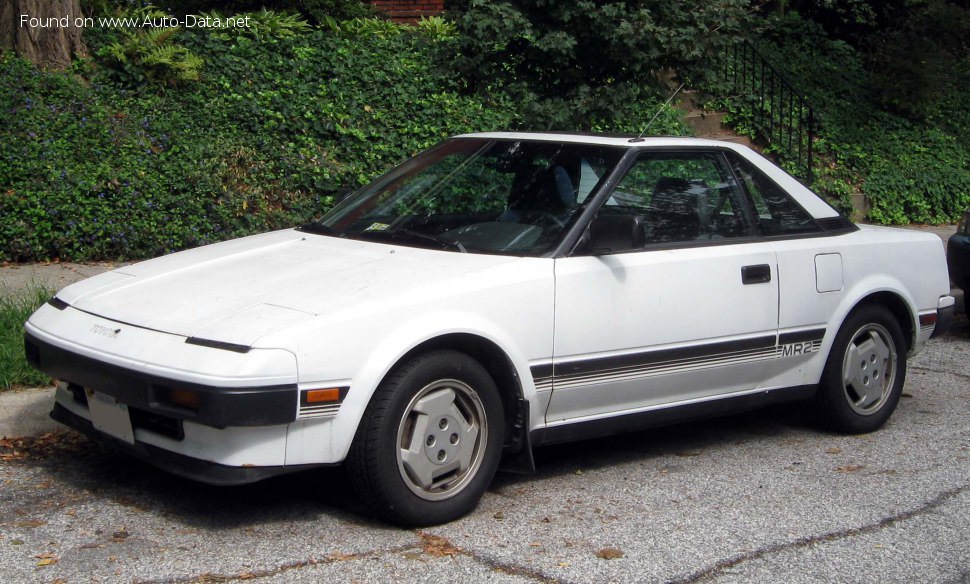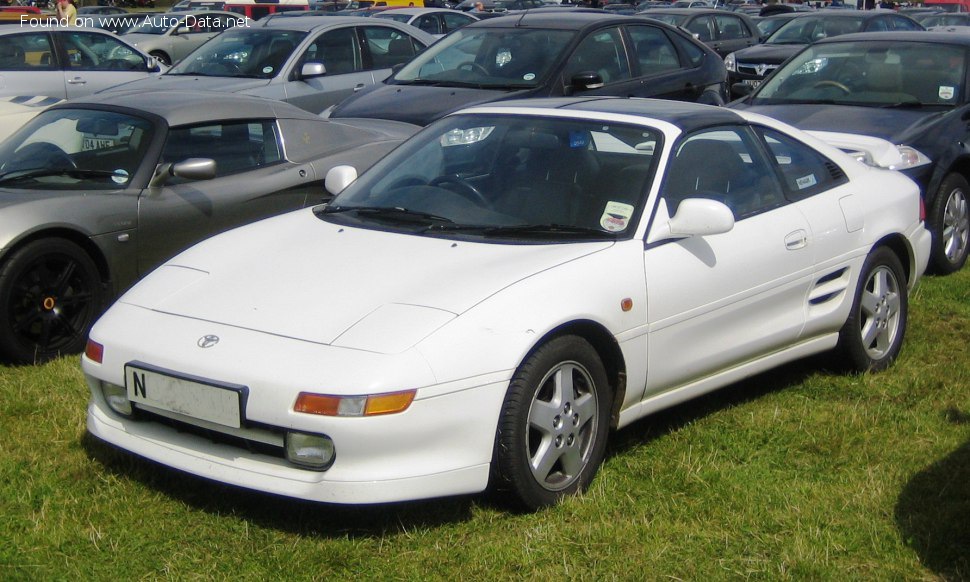
The Toyota MR2 (W20), produced from 1989 to 1999, represented the second generation of Toyota’s mid-engine, rear-wheel-drive sports car. Within the W20 series, the 2.0-liter 16V variant, producing 170 horsepower, occupied a significant position as the top-tier performance model for much of its production run, particularly in North American markets. This generation moved away from the supercharged roots of the first MR2 (AW11) and embraced naturally aspirated power, focusing on a more balanced and accessible sports car experience. The W20 chassis, a significant departure from its predecessor, offered increased rigidity and a more refined driving experience, solidifying the MR2’s reputation as a capable and engaging sports car.
The 2.0-Liter 16V MR2: A Performance Overview
The 2.0-liter 16V MR2 was the performance flagship of the W20 lineup for a considerable period. While a 2.2-liter engine was later introduced in some markets, the 2.0-liter remained a popular choice, particularly in the United States. It sat above the base 1.6-liter model in terms of power and performance, offering a substantial upgrade for enthusiasts seeking a more thrilling driving experience. The 16V designation refers to the engine’s four valves per cylinder, a key feature contributing to its increased power output compared to earlier, simpler designs. This variant was primarily offered in the targa top configuration, though hardtop versions were also available in certain regions.
Powertrain & Engine Architecture
The heart of the 2.0-liter 16V MR2 is the 3S-GE engine. This inline-four cylinder engine boasts a displacement of 1998 cc (121.8 cubic inches). The 3S-GE is a naturally aspirated engine, meaning it relies solely on atmospheric pressure to draw air into the cylinders, unlike turbocharged or supercharged engines. It features a cast iron block and an aluminum cylinder head, a common configuration for balancing durability and weight. The engine utilizes multi-point fuel injection, delivering fuel directly to each intake port for improved efficiency and performance. The 16-valve cylinder head, with its dual overhead camshafts (DOHC), is crucial to the engine’s breathing capabilities, allowing for increased airflow at higher engine speeds. The compression ratio is 9.6:1.
The MR2 2.0-liter was typically paired with a 5-speed manual transmission, which was the preferred choice for enthusiasts. However, a 4-speed automatic transmission was also offered, primarily aimed at buyers prioritizing convenience over outright performance. The automatic transmission, while providing ease of use, did noticeably impact acceleration and responsiveness compared to the manual. The transmission is rear-wheel drive, contributing to the car’s balanced handling characteristics. The final drive ratio varied slightly depending on the transmission choice, with the manual typically having a slightly shorter ratio for quicker acceleration.
Driving Characteristics
The 2.0-liter 16V MR2 delivers a distinctly sporty driving experience. The mid-engine layout provides exceptional balance, resulting in neutral handling characteristics. The car feels nimble and responsive, particularly when equipped with the manual transmission. Acceleration from 0 to 60 mph is typically achieved in around 7.5 to 8.0 seconds, depending on the transmission and specific vehicle weight. The engine produces peak power at 6,600 rpm and peak torque of 152 lb-ft at 5,200 rpm. The power delivery is linear and predictable, making it relatively easy to control. The manual transmission offers precise shifts, enhancing the driver’s connection to the car. The automatic transmission, while smooth, can feel somewhat sluggish, especially during downshifts. The steering is precise and well-weighted, providing excellent feedback to the driver. The relatively short wheelbase contributes to the car’s agility, but it can also make the ride slightly firm on uneven surfaces.
Equipment & Trim Levels
The MR2 2.0-liter 16V was generally well-equipped, though the level of standard features varied depending on the model year and market. Standard equipment typically included power windows, power locks, air conditioning, and a decent sound system. The interior featured supportive bucket seats, designed to hold the driver and passenger securely during spirited driving. Upholstery was typically cloth, though leather options were available. The dashboard layout was driver-focused, with clearly marked gauges and easy-to-reach controls. Optional extras included a sunroof (in addition to the standard targa top), upgraded sound systems, and alloy wheels. Later models often featured improved interior trim and additional convenience features. The instrument cluster was typically analog, with a prominent tachometer and speedometer.
Chassis & Braking
The MR2 W20 chassis is a monocoque construction, providing a rigid and lightweight platform. The suspension utilizes independent double wishbones on all four wheels, a sophisticated setup that contributes to the car’s excellent handling. The suspension is tuned for a balance between comfort and performance, offering a firm but not overly harsh ride. The braking system features ventilated disc brakes on all four wheels, providing ample stopping power. Anti-lock brakes (ABS) were available as an option, and became standard on later models. The car’s relatively low weight (around 2,700-2,800 lbs) further enhances its braking performance. Stabilizer bars are fitted to both the front and rear suspension, helping to reduce body roll during cornering.
Market Reception & Comparison
The 2.0-liter 16V MR2 was generally well-received by automotive critics. It was praised for its handling, performance, and overall driving experience. Critics noted the car’s balanced chassis and responsive engine. However, some criticized the interior space, which was somewhat limited due to the mid-engine layout. Compared to the base 1.6-liter model, the 2.0-liter offered a significant performance upgrade, justifying the higher price. Compared to other sports cars of the era, such as the Mazda MX-5 Miata and the Nissan 240SX, the MR2 offered a unique combination of performance, handling, and style. The Miata was more affordable and focused on pure driving enjoyment, while the 240SX offered more practicality and tuning potential. The MR2 carved its own niche as a sophisticated and engaging sports car.
Technical Specifications
| Engine Type | 3S-GE 2.0L Inline-4 |
| Displacement | 1998 cc (121.8 cu in) |
| Horsepower | 170 hp @ 6,600 rpm |
| Torque | 152 lb-ft @ 5,200 rpm |
| Compression Ratio | 9.6:1 |
| Fuel System | Multi-point Fuel Injection |
| Transmission | 5-speed Manual or 4-speed Automatic |
| Drivetrain | Rear-Wheel Drive |
| Brakes | Ventilated Discs (Front & Rear) |
| Suspension (Front) | Independent Double Wishbone |
| Suspension (Rear) | Independent Double Wishbone |
| Weight (approx.) | 2,700 – 2,800 lbs |
| 0-60 mph (approx.) | 7.5 – 8.0 seconds (Manual) |
Legacy
The 2.0-liter 16V MR2 remains a popular choice among enthusiasts today. The 3S-GE engine is known for its reliability and durability, although regular maintenance is essential. Parts availability is generally good, though some specific components can be difficult to find. The MR2’s mid-engine layout and balanced handling continue to make it a rewarding car to drive. Well-maintained examples command a reasonable price on the used car market, reflecting their enduring appeal. The W20 MR2, and particularly the 2.0-liter 16V variant, has cemented its place as a classic Japanese sports car, appreciated for its unique design, engaging driving dynamics, and lasting quality.