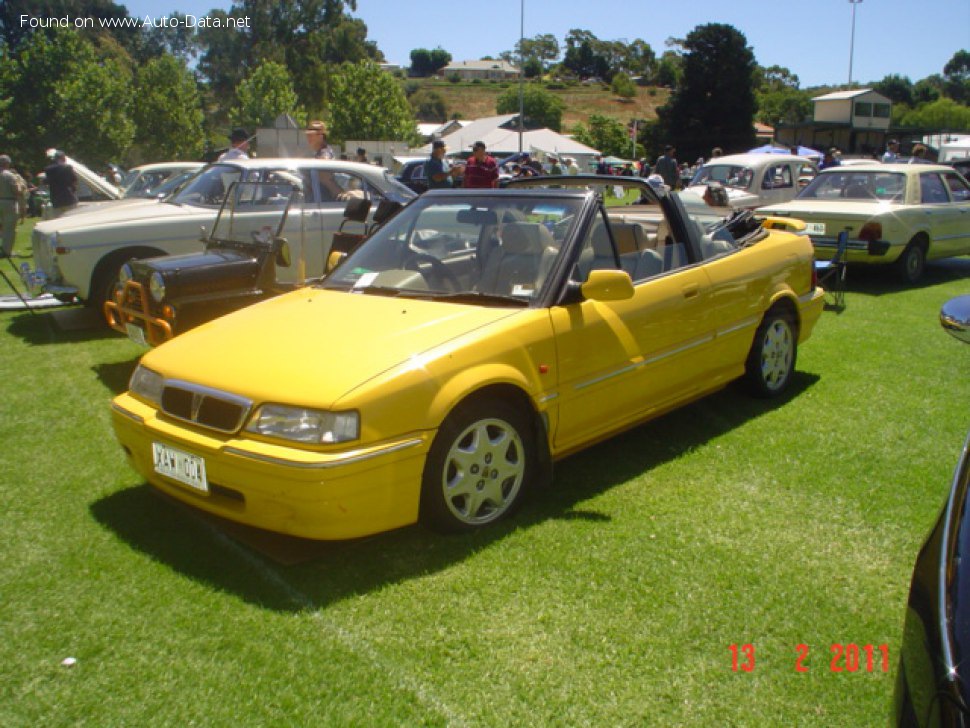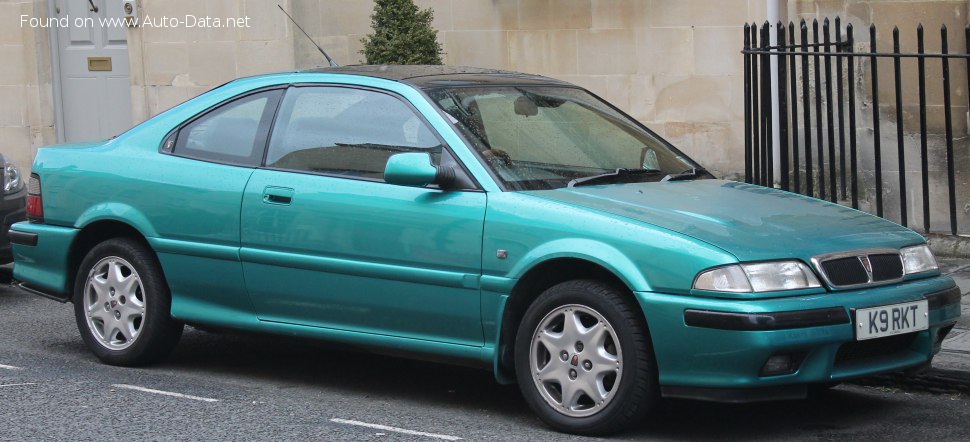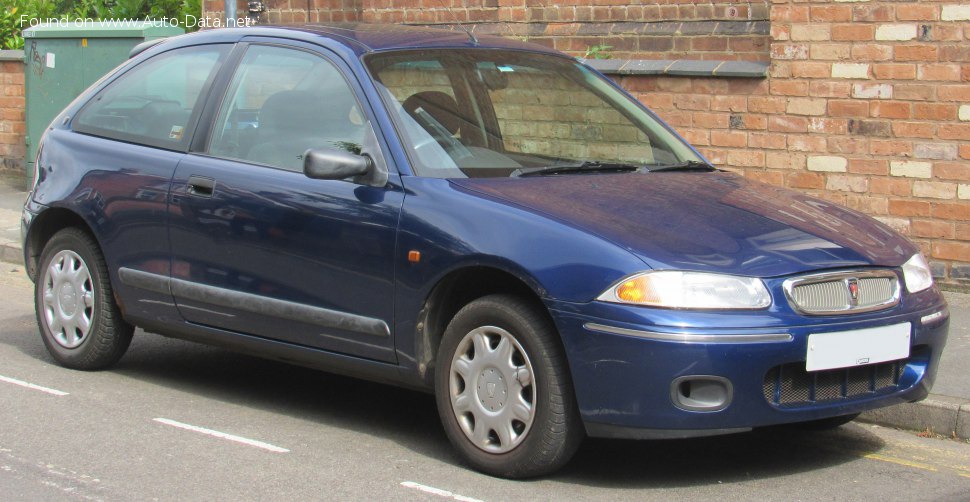
The Rover 200 (RF) 216 Si, produced between 1995 and 2000, represented a mid-range offering within the Rover 200 lineup. Positioned above the base 1.4-liter models and below the more performance-oriented V6 variants, the 216 Si aimed to provide a balance of practicality, comfort, and reasonable performance for the average family car buyer. The RF series Rover 200 was a significant model for Rover, being built on the 1HX0/A3 platform, shared with the Honda Civic and Concerto, a result of the British Leyland/Honda partnership. This collaboration aimed to improve build quality and reliability, areas where previous Rover models had sometimes struggled.
Powertrain & Engine Architecture
The heart of the 216 Si was the Rover K-Series engine, specifically the 1.6-liter (1589 cc) inline-four cylinder unit. This engine, designated with the code ‘K16’, was a key component of Rover’s engineering efforts in the 1990s. It featured a naturally aspirated configuration, multi-port fuel injection, and a double overhead camshaft (DOHC) valvetrain with four valves per cylinder. The K-Series was known for its relatively lightweight construction and willingness to rev, contributing to a more engaging driving experience than some of its competitors. The 216 Si produced 112 horsepower at 6000 rpm and 145 Nm (106.95 lb-ft) of torque at 3000 rpm. The compression ratio was set at 10.5:1.
The engine was typically paired with a five-speed automatic transmission. This transmission, while offering convenience, was not known for its particularly sporty characteristics. It was a conventional hydraulic automatic, prioritizing smooth shifts over rapid gear changes. The gear ratios were tuned for fuel efficiency and comfortable cruising, rather than outright acceleration. A five-speed manual transmission was also available as an option, offering a more direct connection to the engine and improved fuel economy.
Engine Details
- Engine Code: K16
- Displacement: 1589 cm³ (96.97 cu. in.)
- Bore x Stroke: 80 mm x 79 mm (3.15 in x 3.11 in)
- Fuel Injection: Multi-port
- Valvetrain: DOHC, 4 valves per cylinder
Driving Characteristics
The Rover 200 216 Si Automatic offered a comfortable, if not particularly exhilarating, driving experience. Acceleration from 0-60 mph took approximately 9.4-9.9 seconds, and the top speed was around 118 mph. Compared to the manual transmission version, the automatic suffered a slight performance penalty due to the inherent losses in the torque converter and the less aggressive gear ratios. The automatic transmission prioritized smooth shifts, which could sometimes feel hesitant during quick overtaking maneuvers. The K-Series engine, however, provided a decent amount of mid-range torque, making it reasonably capable in everyday driving situations.
The steering was light and easy, making it well-suited for urban driving. The suspension, while not particularly sporty, provided a comfortable ride, absorbing bumps and imperfections in the road surface effectively. Overall, the 216 Si Automatic was designed to be a practical and user-friendly car, rather than a performance machine.
Equipment & Trim Levels
The 216 Si trim level generally included features such as power steering, central locking, electric front windows, and an RDS radio. Interior upholstery was typically cloth, with options for upgraded materials available. Dashboard design was relatively simple and functional, with a clear instrument cluster. Optional extras included air conditioning, alloy wheels, and a sunroof. The 216 Si often served as a base for adding these options, allowing buyers to customize their vehicle to their preferences. Safety features were relatively basic for the time, typically including an anti-lock braking system (ABS) as standard equipment.
Chassis & Braking
The Rover 200 RF utilized a front-wheel-drive layout. The front suspension consisted of wishbones, while the rear suspension employed a torsion beam setup with traction connecting levers. This configuration provided a reasonable balance between ride comfort and handling. Braking was handled by ventilated discs on the front wheels and discs on the rear, providing adequate stopping power for the vehicle’s weight and performance. The ABS system helped to prevent wheel lockup during hard braking, improving stability and control. The 216 Si typically came equipped with 185/55 R15 tires mounted on 15-inch steel or alloy wheels.
Market Reception & Comparison
The Rover 200 216 Si Automatic was generally well-received by critics as a competent and affordable family car. It offered a good level of equipment for its price point and provided a comfortable driving experience. However, it faced stiff competition from rivals such as the Ford Focus, Vauxhall Astra, and Volkswagen Golf. Compared to the higher-performance Rover 200 V6 models, the 216 Si offered significantly lower running costs and insurance premiums, making it a more practical choice for many buyers. Fuel economy was respectable, averaging around 36.2 US mpg on the combined cycle. Reliability was a mixed bag, with some owners reporting issues with the K-Series engine, particularly head gasket failures, although this was more prevalent in earlier iterations of the engine. The automatic transmission was generally considered reliable, but could be prone to wear and tear over time.
Technical Specifications
| Brand | Rover |
| Model | 200 |
| Generation | 200 (RF) |
| Type (Engine) | 216 Si (112 Hp) |
| Start of production | 1995 |
| End of production | 2000 |
| Fuel consumption (urban) | 8.6 l/100 km (27.4 US mpg) |
| Fuel consumption (extra urban) | 5.2 l/100 km (45.2 US mpg) |
| Fuel consumption (combined) | 6.5 l/100 km (36.2 US mpg) |
| Fuel Type | Petrol (Gasoline) |
| Acceleration 0 – 100 km/h | 9.9 sec |
| Acceleration 0 – 62 mph | 9.9 sec |
| Acceleration 0 – 60 mph | 9.4 sec |
| Maximum speed | 190 km/h (118.06 mph) |
| Kerb Weight | 1100 kg (2425.08 lbs) |
| Max. weight | 1510 kg (3328.98 lbs) |
| Engine displacement | 1589 cm3 (96.97 cu. in.) |
| Power | 112 Hp @ 6000 rpm |
| Torque | 145 Nm @ 3000 rpm (106.95 lb.-ft. @ 3000 rpm) |
| Number of cylinders | 4 |
| Fuel tank capacity | 55 l (14.53 US gal) |
| Length | 3973 mm (156.42 in) |
| Width | 1688 mm (66.46 in) |
| Height | 1419 mm (55.87 in) |
| Wheelbase | 2502 mm (98.5 in) |
| Gears/Transmission | 5 gears, automatic transmission |
Legacy
The Rover 200 216 Si Automatic, while not a particularly iconic or sought-after model today, remains a relatively affordable and accessible classic car. The K-Series engine, despite its potential for head gasket issues, is generally well-regarded for its performance and refinement. Parts availability can be a challenge, but a dedicated community of Rover enthusiasts continues to support the model. The 216 Si Automatic represents a snapshot of British automotive engineering in the 1990s, offering a blend of practicality, comfort, and affordability. In the used car market, these vehicles are typically found in varying conditions, with well-maintained examples commanding a premium. The automatic transmission, while not the most exciting option, continues to appeal to buyers seeking a comfortable and easy-to-drive classic car.