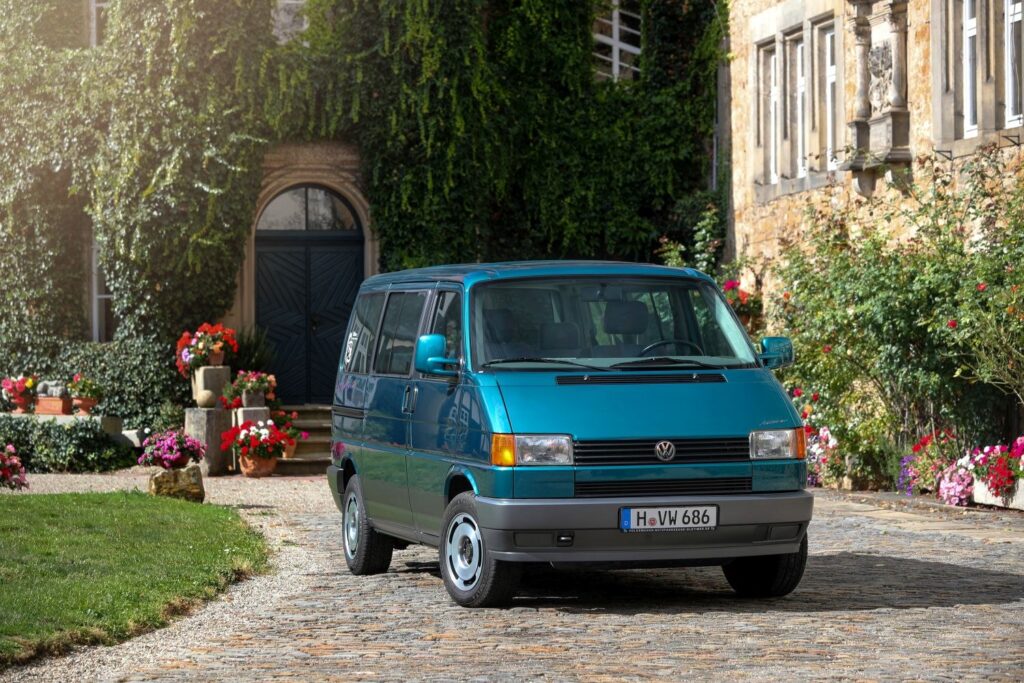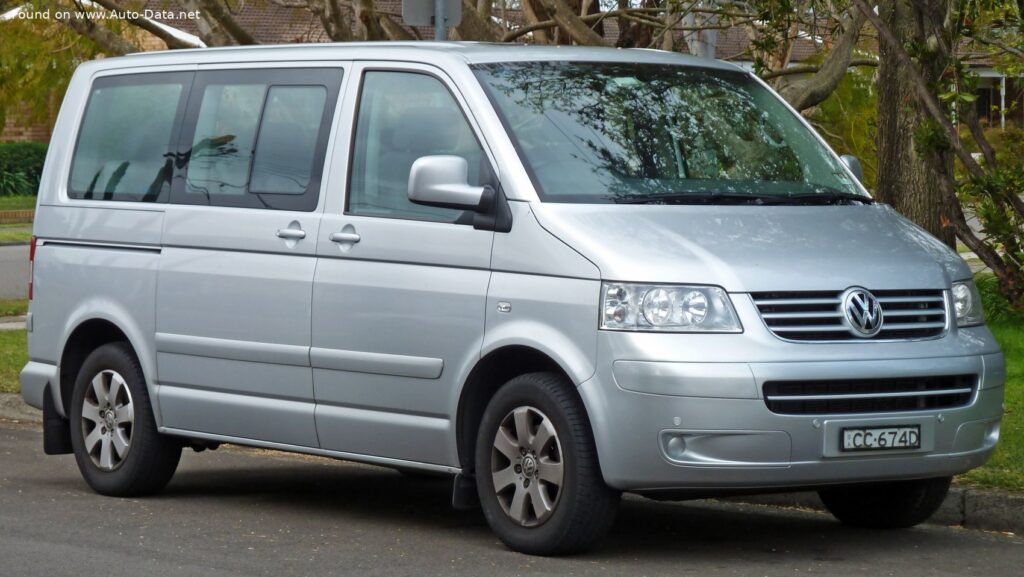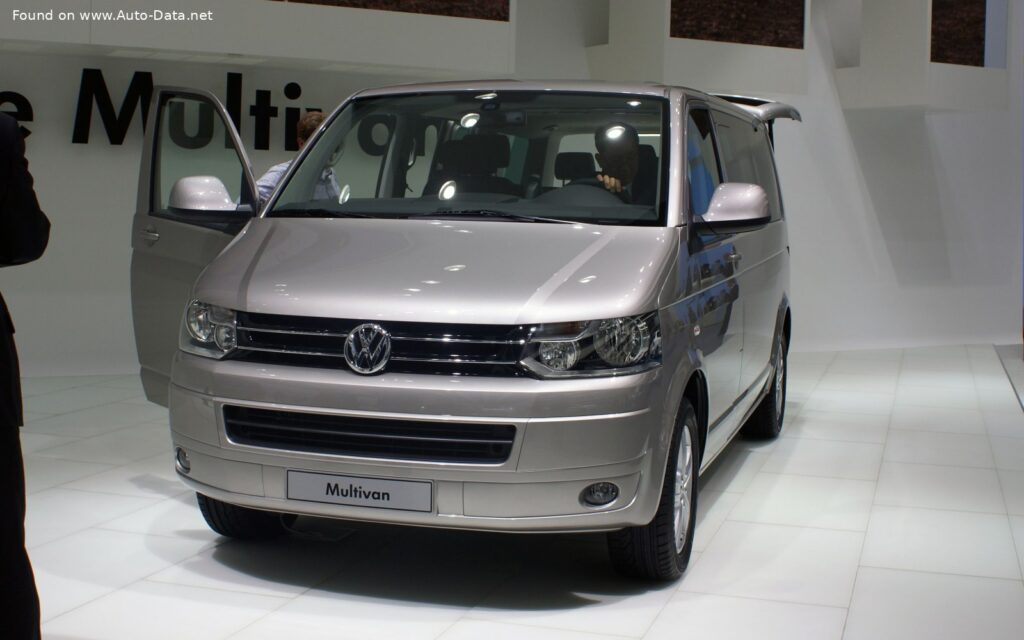
The Volkswagen Multivan (T5), particularly the facelifted version introduced in 2009, represented a significant evolution of Volkswagen’s popular van platform. Produced from 2009 through 2016, the T5 Multivan offered a blend of practicality, comfort, and versatility. Within the T5 range, the 2.0 TDI variant with 84 horsepower (Hp) served as an entry-level option, appealing to buyers prioritizing fuel efficiency and affordability over outright performance. This model occupied the lower end of the T5 spectrum, positioned below the more powerful TDI variants and the gasoline-powered engines.
Volkswagen Multivan T5 (2009-2016) 2.0 TDI (84 Hp): An Overview
The 2009 facelift brought cosmetic and technological updates to the T5 Multivan, including revised front and rear styling, interior enhancements, and improvements to the engine range. The 2.0 TDI 84 Hp engine, designated with engine codes CAAA and CXGA, was a key component of this update, offering a more economical alternative to the higher-output TDI options. The Multivan T5, in general, was based on the Volkswagen Group’s 1HX0/A3 platform, shared with models like the Volkswagen Transporter and the SEAT Alhambra.
Powertrain & Engine Architecture
The heart of the 2.0 TDI 84 Hp Multivan is a 1968cc (120.09 cubic inches) inline four-cylinder diesel engine. This engine utilizes a common rail direct injection system, delivering fuel directly into the combustion chamber at extremely high pressure. This technology, coupled with a turbocharger and intercooler, optimizes combustion efficiency and power output. The engine features four valves per cylinder (16 valves total) and is transversely mounted in the front of the vehicle. The 84 Hp peak power is achieved at 3500 rpm, while the maximum torque of 220 Nm (162.26 lb-ft) is available between 1250 and 2500 rpm. This relatively broad torque band is characteristic of diesel engines and contributes to the Multivan’s usability in everyday driving conditions.
While a manual transmission was available, the 2.0 TDI 84 Hp was often paired with a five-speed automatic transmission. This automatic gearbox was chosen to enhance driving comfort, particularly in urban environments. The gear ratios were optimized for fuel economy and smooth acceleration, though it wasn’t designed for particularly sporty performance. The automatic transmission’s shift points were calibrated to maximize efficiency and minimize engine strain.
Driving Characteristics
The 2.0 TDI 84 Hp Multivan delivers a driving experience focused on practicality and economy rather than speed. Acceleration from 0 to 100 km/h (0-62 mph) takes approximately 22.2 seconds, and 0 to 60 mph is achieved in around 21.1 seconds. The top speed is limited to 146 km/h (90.72 mph). Compared to the more powerful TDI variants (like the 140 Hp or 180 Hp versions), the 84 Hp model feels noticeably slower, especially when fully loaded with passengers and luggage. However, the ample low-end torque makes it capable of handling everyday driving situations, including highway cruising and navigating city traffic. The automatic transmission contributes to a relaxed driving experience, but drivers seeking more engaging performance would likely prefer the manual transmission option, if available.
Equipment & Trim Levels
The 2.0 TDI 84 Hp Multivan typically came equipped with a reasonable level of standard features, though the exact specifications varied depending on the market and optional packages selected. Standard equipment generally included power windows, central locking, air conditioning, and an audio system. Interior upholstery was typically cloth, with options for upgraded materials like leatherette or full leather available at an extra cost. The Multivan’s flexible seating configuration allowed for up to seven passengers, with options for individual seats, bench seats, and rotating seats. Common optional extras included parking sensors, a navigation system, alloy wheels, and upgraded audio systems. The dashboard layout was functional and straightforward, prioritizing usability over aesthetic flair.
Chassis & Braking
The Multivan T5’s chassis is based on a ladder-frame construction, providing a robust and durable platform for carrying passengers and cargo. The front suspension utilizes independent MacPherson struts, while the rear suspension employs a semi-trailing arm setup. This configuration provides a good balance between ride comfort and handling stability. The 2.0 TDI 84 Hp models typically featured ventilated disc brakes on the front wheels and drum brakes on the rear wheels. Anti-lock Braking System (ABS) was standard, enhancing braking performance and safety. Stabilizer bars were fitted to both the front and rear axles to reduce body roll during cornering. The steering system employed a rack and pinion setup, providing precise and responsive steering feel.
Market Reception & Comparison
The 2.0 TDI 84 Hp Multivan was generally well-received by critics as a practical and economical people carrier. Its fuel economy figures – 9.5 l/100 km (24.8 US mpg) in urban conditions, 6.1 l/100 km (38.6 US mpg) extra-urban, and 7.3 l/100 km (32.2 US mpg) combined – were a major selling point. Compared to the higher-output TDI variants, the 84 Hp model offered lower running costs, making it attractive to budget-conscious buyers. However, critics noted its lack of performance, particularly when fully loaded. The 140 Hp TDI offered a significant performance upgrade for a relatively modest price increase, making it a popular alternative. Reliability was generally good, although, like all diesel engines, the 2.0 TDI could be susceptible to issues with the fuel injection system and turbocharger if not properly maintained.
Technical Specifications
| Brand | Volkswagen |
| Model | Multivan (T5, facelift 2009) |
| Type (Engine) | 2.0 TDI (84 Hp) |
| Start of production | 2009 |
| End of production | 2016 |
| Fuel consumption (urban) | 9.5 l/100 km (24.8 US mpg) |
| Fuel consumption (extra urban) | 6.1 l/100 km (38.6 US mpg) |
| Fuel consumption (combined) | 7.3 l/100 km (32.2 US mpg) |
| CO2 emissions | 193 g/km |
| Fuel Type | Diesel |
| Acceleration 0 – 100 km/h | 22.2 sec |
| Acceleration 0 – 62 mph | 22.2 sec |
| Acceleration 0 – 60 mph | 21.1 sec |
| Maximum speed | 146 km/h (90.72 mph) |
| Emission standard | Euro 5 |
| Power | 84 Hp @ 3500 rpm |
| Torque | 220 Nm @ 1250-2500 rpm (162.26 lb.-ft.) |
| Engine layout | Front, Transverse |
| Engine displacement | 1968 cm3 (120.09 cu. in.) |
| Number of cylinders | 4 |
| Engine configuration | Inline |
| Fuel injection system | Diesel Commonrail |
| Kerb Weight | 2032 kg (4479.79 lbs.) |
| Max. weight | 3000 kg (6613.87 lbs.) |
| Length | 4892 mm (192.6 in.) |
| Width | 1904 mm (74.96 in.) |
| Height | 1970 mm (77.56 in.) |
| Wheelbase | 3000 mm (118.11 in.) |
| Number of gears | 5 |
| Gearbox type | Automatic |
Legacy
The 2.0 TDI 84 Hp engine, while not the most powerful option in the T5 Multivan range, proved to be a reliable and durable powertrain. Properly maintained examples continue to be found on the used car market today, offering an affordable entry point into Multivan ownership. The engine’s relatively simple design and robust construction contribute to its longevity. However, potential buyers should be aware of the common diesel engine issues, such as fuel injector problems and turbocharger wear. Overall, the 2.0 TDI 84 Hp Multivan remains a practical and versatile vehicle, particularly well-suited for those prioritizing fuel efficiency and affordability over outright performance.