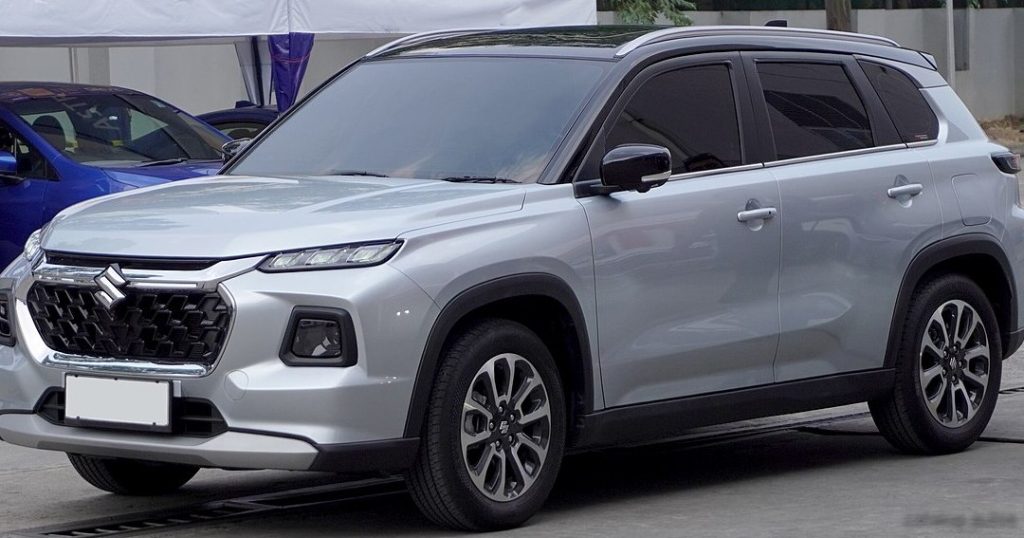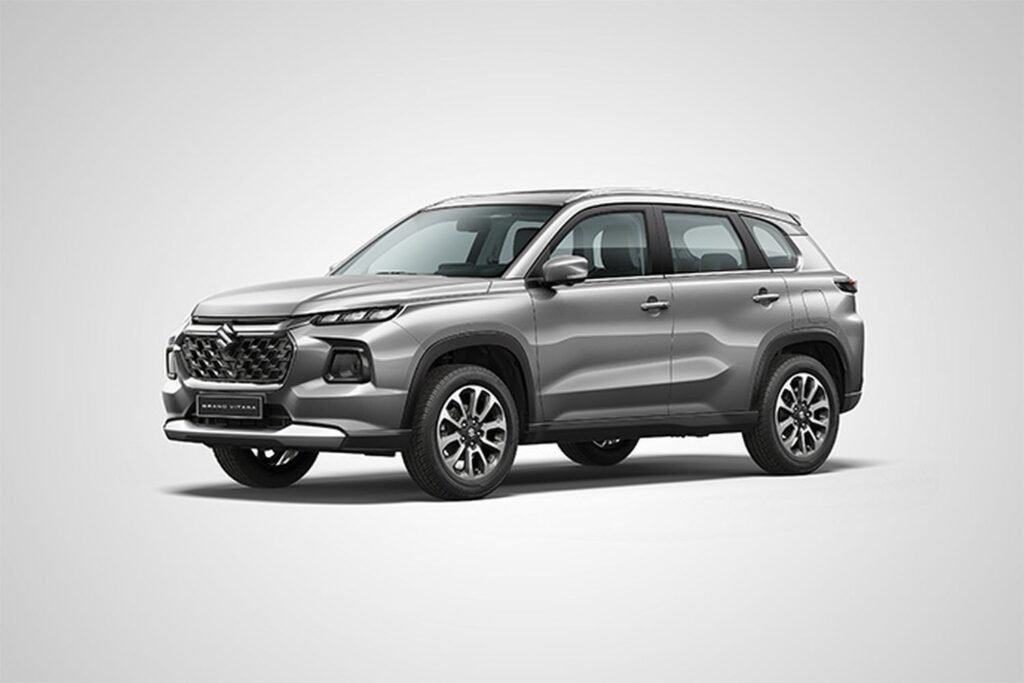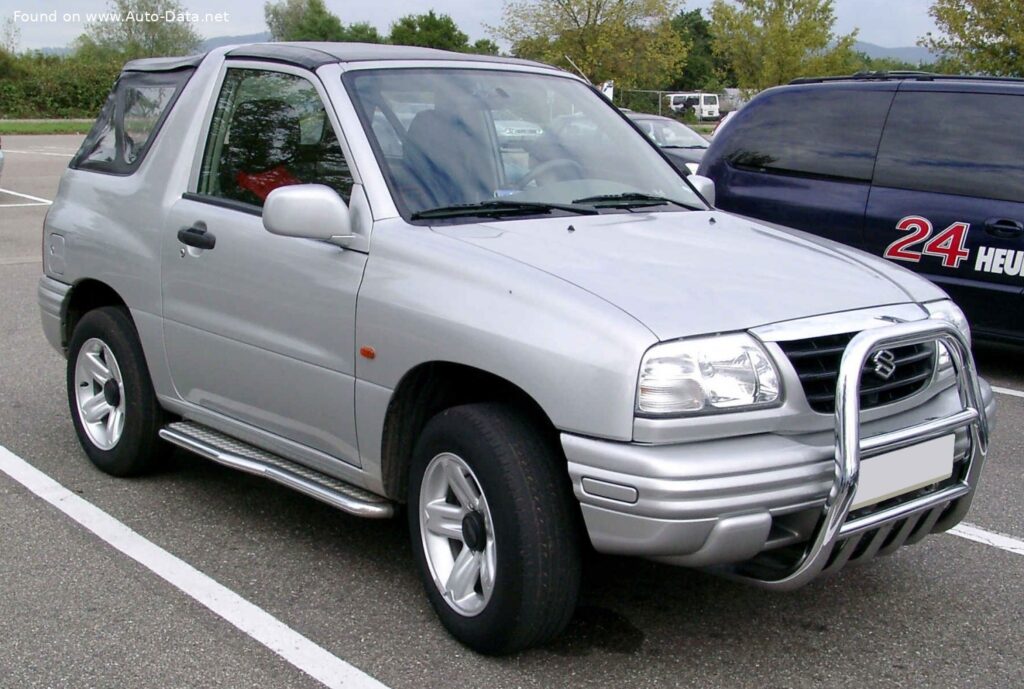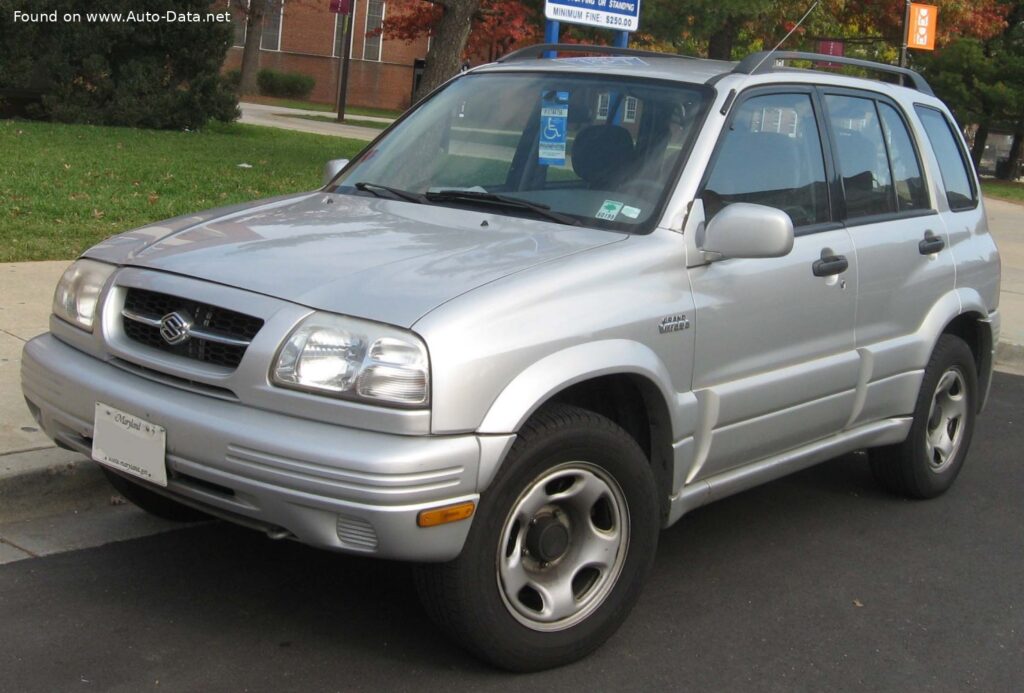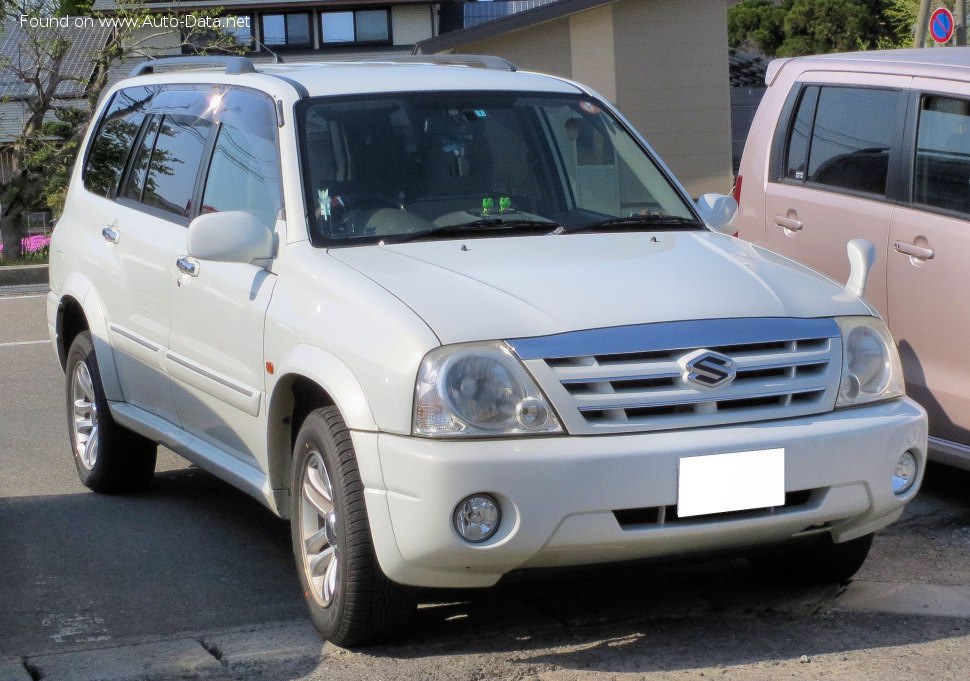
The Suzuki Grand Escudo 2.7 V6, produced between 1998 and 2006, represented the top-of-the-line engine option for Suzuki’s popular compact SUV. Part of the second generation of the Escudo (known as the Vitara in some markets), this variant offered a significant performance upgrade over the four-cylinder models, targeting buyers who needed both family-friendly space and respectable towing capacity. The Grand Escudo, characterized by its five-door body style and seven-passenger seating, was positioned as a versatile vehicle suitable for both on-road comfort and moderate off-road excursions. It utilized the robust Suzuki 4×4 system, making it a popular choice in regions with varied terrain.
Suzuki Grand Escudo 2.7 V6: An Overview
The 2.7 V6 Grand Escudo was a key component of Suzuki’s strategy to offer a competitive SUV in a rapidly growing market segment. It distinguished itself from the base models with its larger engine, more refined interior appointments, and enhanced capabilities. While not marketed as a dedicated off-roader, the V6 model provided sufficient power and traction for tackling challenging conditions. The vehicle was sold in various markets under different names, including Vitara XL-7 in North America, but the core mechanical specifications remained largely consistent.
Powertrain & Engine Architecture
The heart of the Grand Escudo 2.7 V6 is its 2.7-liter (2736 cc) naturally aspirated V6 engine. This engine, designated as the J24A, is a 60-degree V-engine with an aluminum cylinder head and iron block. It produces 177 horsepower at 6000 rpm and 231 Nm (170.38 lb-ft) of torque at 3300 rpm. The engine features a multi-port fuel injection system, delivering fuel directly to each cylinder for optimized combustion. The valvetrain utilizes a Double Overhead Camshaft (DOHC) configuration with four valves per cylinder, contributing to improved breathing and power output. Bore and stroke dimensions are 88 mm (3.46 in) and 75 mm (2.95 in) respectively, resulting in a compression ratio of 9.5:1. The engine requires 5.5 liters (5.81 US qt, 4.84 UK qt) of engine oil, adhering to specific Suzuki oil specifications. Cooling capacity is 8 liters (8.45 US qt, 7.04 UK qt).
The engine is mated to a four-speed automatic transmission. This transmission, while providing convenient operation, is a relatively older design compared to more modern automatic gearboxes. It features standard torque converter lock-up for improved fuel efficiency at cruising speeds. The transmission is designed to handle the V6 engine’s torque output and deliver power to all four wheels via Suzuki’s selectable four-wheel-drive system.
Driving Characteristics
The Grand Escudo 2.7 V6 offers a noticeable improvement in acceleration and overall performance compared to the four-cylinder variants. While not a sports car, the V6 provides sufficient power for confident highway merging and overtaking. The four-speed automatic transmission, however, can feel somewhat dated, with noticeable shifts and a lack of the smoothness found in newer transmissions. The gear ratios are tuned for a balance between acceleration and fuel economy, but the engine can feel strained when climbing steep hills or towing heavy loads. The automatic transmission’s shift points are programmed to prioritize fuel efficiency, which can sometimes result in the engine feeling underpowered during quick acceleration. The all-wheel-drive system provides enhanced traction in slippery conditions, making the Grand Escudo a capable vehicle for navigating snow, gravel, or muddy terrain.
Equipment & Trim Levels
The 2.7 V6 Grand Escudo typically came equipped with a higher level of standard features than the base models. These often included air conditioning, power windows and locks, a CD player, and alloy wheels. Interior upholstery was typically cloth, although leather options were available on some trim levels. The dashboard layout was functional and straightforward, with easy-to-read gauges and controls. Optional extras could include a sunroof, upgraded audio system, and rear parking sensors. The seven-passenger seating configuration featured a split-folding third-row bench, allowing for flexible cargo space. Higher trim levels often included woodgrain interior accents and additional comfort features.
Chassis & Braking
The Grand Escudo 2.7 V6 utilizes a body-on-frame construction, providing a robust and durable platform. The suspension system consists of independent double wishbones at the front and a multi-link setup at the rear. This configuration provides a comfortable ride quality, although it can exhibit some body roll during cornering. The braking system features disc brakes on all four wheels, providing adequate stopping power. An Anti-lock Braking System (ABS) was standard equipment, enhancing safety by preventing wheel lockup during hard braking. The steering system is hydraulic power steering, offering a responsive and predictable feel. Stabilizer bars are fitted to both the front and rear axles to reduce body roll and improve handling stability.
Market Reception & Comparison
The Suzuki Grand Escudo 2.7 V6 was generally well-received by automotive critics, who praised its spacious interior, comfortable ride, and capable four-wheel-drive system. The V6 engine was considered a significant upgrade over the four-cylinder options, providing ample power for most driving situations. However, the four-speed automatic transmission was often criticized for its lack of refinement and limited gear ratios. Compared to competitors like the Toyota RAV4 and Honda CR-V, the Grand Escudo offered a more rugged and utilitarian appeal. Fuel economy was average for its class, typically ranging from 16 to 20 mpg in combined driving. Reliability was generally good, although some owners reported issues with the automatic transmission and minor electrical components. The V6 model commanded a higher price than the four-cylinder variants, reflecting its increased performance and features.
Technical Specifications
| Engine Type | 2.7L V6 |
| Engine Code | J24A |
| Displacement | 2736 cm3 (166.96 cu in) |
| Power | 177 hp @ 6000 rpm |
| Torque | 231 Nm (170.38 lb-ft) @ 3300 rpm |
| Compression Ratio | 9.5:1 |
| Fuel Injection | Multi-port |
| Valvetrain | DOHC, 4 valves/cylinder |
| Transmission | 4-speed Automatic |
| Drivetrain | All-Wheel Drive (4×4) |
| Front Brakes | Disc |
| Rear Brakes | Disc |
| ABS | Standard |
| Engine Oil Capacity | 5.5 L (5.81 US qt, 4.84 UK qt) |
| Coolant Capacity | 8 L (8.45 US qt, 7.04 UK qt) |
| Body Type | SUV |
| Doors | 5 |
| Seats | 7 |
Legacy
The Suzuki Grand Escudo 2.7 V6 remains a relatively affordable and capable SUV in the used car market. The J24A V6 engine is known for its durability and relatively straightforward maintenance. However, potential buyers should be aware of the potential for issues with the four-speed automatic transmission. Regular maintenance, including fluid changes and inspections, is crucial for ensuring the longevity of this powertrain. While not as fuel-efficient or technologically advanced as newer SUVs, the Grand Escudo 2.7 V6 offers a compelling combination of space, capability, and value for those seeking a rugged and reliable vehicle. Its robust construction and capable four-wheel-drive system continue to make it a popular choice for drivers in regions with challenging weather conditions or rough terrain.