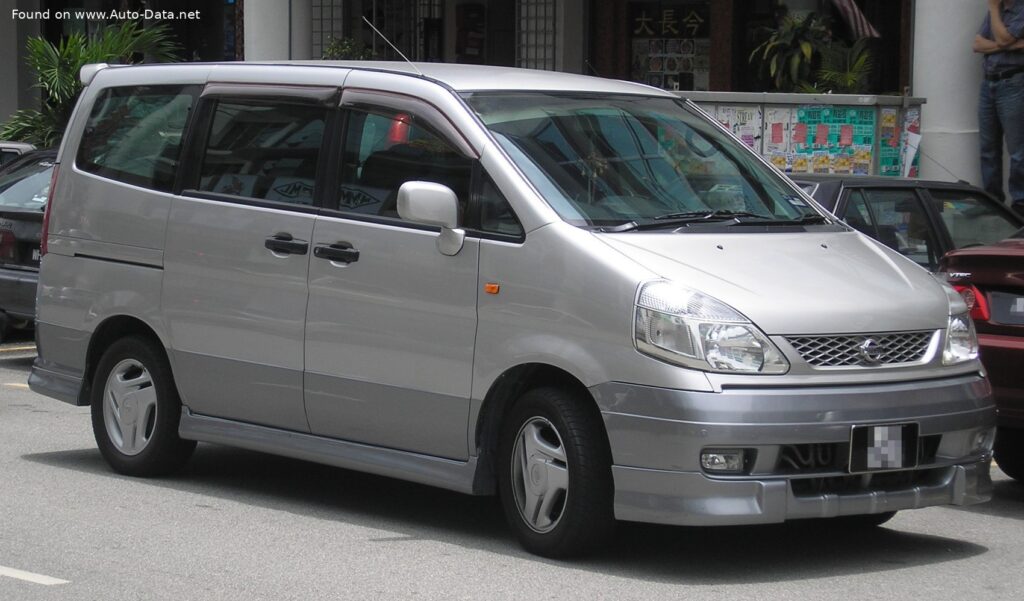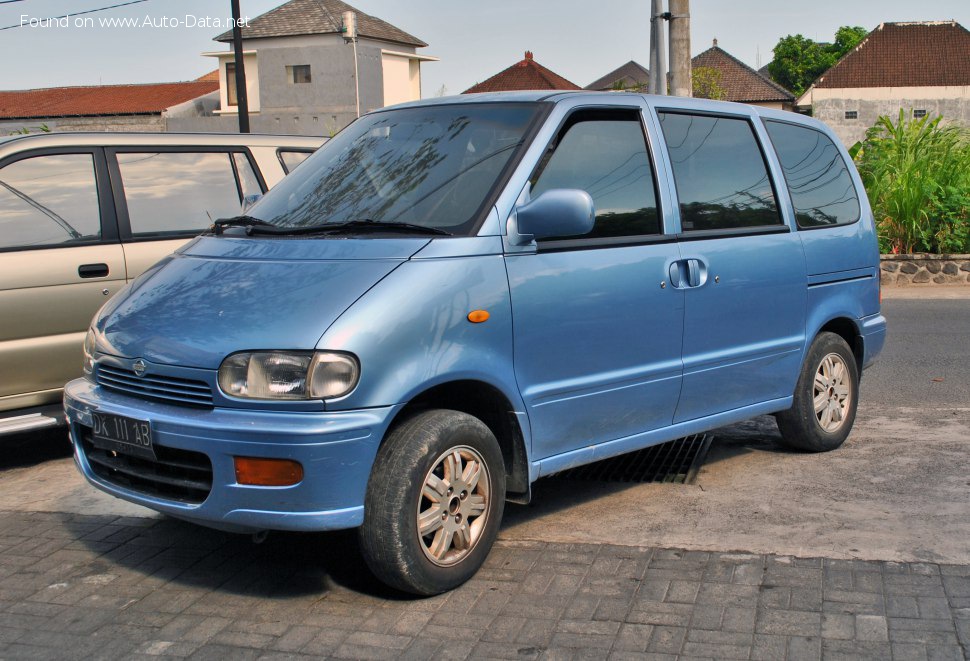
The Nissan Serena (C23M) 2.3 D, produced between 1995 and 2000, represents a significant iteration of Nissan’s popular minivan, designed primarily for the Japanese domestic market (JDM) but also exported to select regions. This variant, powered by the LD23 2.3-liter diesel engine producing 75 horsepower, occupied the lower end of the C23M lineup, focusing on affordability and practicality for families. The C23M generation, built on the Nissan S platform, aimed to provide a spacious and versatile people carrier, and the 2.3 D trim was positioned as the entry-level option for buyers prioritizing fuel efficiency and lower running costs over outright performance. It was a direct competitor to other Japanese minivans like the Toyota Estima and Honda Odyssey, offering a rear-wheel drive layout uncommon in many contemporary minivans.
LD23 Powertrain & Engine Architecture
The heart of the Serena 2.3 D is the LD23 engine, a 2.283-liter (139.32 cubic inches) inline-four cylinder diesel. This engine, a naturally aspirated design, utilizes precombustion chamber injection – a system where fuel is injected into a small pre-chamber before entering the main combustion chamber, aiding in more complete combustion and reducing noise. The LD23 features an overhead camshaft (OHC) valvetrain with two valves per cylinder. Its robust construction was intended for longevity and reliability, typical of Nissan diesel engines of the era. The engine’s bore measures 87mm (3.43 inches) and its stroke is 96mm (3.78 inches), resulting in a compression ratio of 22.5:1. Engine oil capacity is 6.5 liters (6.87 US quarts or 5.72 UK quarts).
The Serena 2.3 D was exclusively offered with a 5-speed manual transmission. This transmission was chosen to maximize fuel economy and provide a more direct driving experience, aligning with the trim’s focus on practicality. The rear-wheel drive configuration, coupled with the manual gearbox, provided a different driving feel compared to the front-wheel drive layouts becoming increasingly common in minivans. The drivetrain architecture features the internal combustion engine driving the rear wheels.
Fuel Injection and Performance Characteristics
The precombustion chamber injection system, while effective for its time, is less efficient than modern common-rail diesel injection. This contributes to the engine’s relatively modest output of 75 horsepower at 4300 rpm and 145 Nm (106.95 lb-ft) of torque at 2300 rpm. The power-to-liter ratio is 32.9 hp/l. The LD23’s torque curve is relatively flat, providing usable power across a narrow rev range, making it suitable for hauling passengers and cargo. However, acceleration is slow, with a 0-100 km/h (0-62 mph) time of 23.5 seconds. Maximum speed is limited to 135 km/h (83.89 mph).
Driving Characteristics
The Serena 2.3 D, with its 75 hp engine and manual transmission, offers a driving experience focused on economy and functionality rather than performance. Acceleration is deliberately unhurried, and the engine requires frequent shifting to maintain momentum, especially when loaded with passengers or cargo. The rear-wheel drive layout provides a more balanced feel compared to front-wheel drive minivans, particularly when cornering. However, it also means that the rear wheels can lose traction on slippery surfaces, requiring careful throttle control. The 5-speed manual transmission allows for precise control over the engine’s power band, but it demands more driver involvement than an automatic transmission. Compared to higher-spec Serena models with more powerful gasoline engines, the 2.3 D feels significantly slower and less refined. The manual transmission also contrasts with the automatic options available on other Serena trims.
Equipment & Trim Levels
The 2.3 D trim of the Nissan Serena C23M was generally equipped with basic, functional features. Standard equipment typically included cloth upholstery, a simple dashboard layout, and manual windows and door locks. Air conditioning was often an optional extra. The interior prioritized space and practicality, with seating for up to eight passengers depending on the configuration. The trunk space ranges from 350 liters (12.36 cubic feet) with all seats in use to 620 liters (21.9 cubic feet) with some seats folded down. Optional extras could include power windows, upgraded audio systems, and alloy wheels, but these were less common on the base 2.3 D model.
Chassis & Braking
The Serena C23M 2.3 D utilizes a coil spring suspension at the front and a leaf spring suspension at the rear. The leaf spring rear suspension is a cost-effective solution for supporting heavier loads, common in minivans. Front brakes are ventilated discs, providing adequate stopping power for the front axle. Rear brakes are drums, a cost-saving measure for the base model. The vehicle is equipped with an Anti-lock Braking System (ABS) as a safety feature. Steering is handled by a hydraulic power steering rack and pinion system. The vehicle rides on 195/70 R14 tires mounted on 14-inch steel wheels. Front track is 1460mm (57.48 inches) and rear track is 1450mm (57.09 inches).
Market Reception & Comparison
The Nissan Serena 2.3 D was primarily targeted at budget-conscious buyers who needed a spacious and reliable people carrier. Critics generally acknowledged its practicality and fuel efficiency, with combined fuel consumption figures of 9.6 l/100 km (24.5 US mpg or 29.4 UK mpg). However, the engine’s lack of power and the basic interior appointments were often criticized. Compared to the gasoline-powered Serena models, the 2.3 D offered significantly better fuel economy but at the expense of performance and refinement. The diesel engine also had a reputation for being more durable and requiring less frequent maintenance than the gasoline engines. The rear-wheel drive layout was seen as a positive by some drivers, offering a more traditional driving experience, but it also limited interior space compared to front-wheel drive alternatives.
Technical Specifications
| Brand | Nissan |
| Model | Serena |
| Generation | Serena (C23M) |
| Type (Engine) | 2.3 D (75 Hp) |
| Start of production | 1995 |
| End of production | 2000 |
| Engine Model/Code | LD23 |
| Engine displacement | 2283 cm3 (139.32 cu. in.) |
| Number of cylinders | 4 |
| Engine configuration | Inline |
| Cylinder Bore | 87 mm (3.43 in.) |
| Piston Stroke | 96 mm (3.78 in.) |
| Compression ratio | 22.5:1 |
| Power | 75 Hp @ 4300 rpm |
| Torque | 145 Nm @ 2300 rpm (106.95 lb.-ft. @ 2300 rpm) |
| Fuel Type | Diesel |
| Fuel consumption (urban) | 10.8 l/100 km (21.8 US mpg, 26.2 UK mpg, 9.3 km/l) |
| Fuel consumption (extra urban) | 6.9 l/100 km (34.1 US mpg, 40.9 UK mpg, 14.5 km/l) |
| Fuel consumption (combined) | 9.6 l/100 km (24.5 US mpg, 29.4 UK mpg, 10.4 km/l) |
| Acceleration 0 – 100 km/h | 23.5 sec |
| Acceleration 0 – 60 mph | 22.3 sec |
| Maximum speed | 135 km/h (83.89 mph) |
| Kerb Weight | 1496 kg (3298.12 lbs.) |
| Max. weight | 2225 kg (4905.29 lbs.) |
| Fuel tank capacity | 60 l (15.85 US gal, 13.2 UK gal) |
| Length | 4315 mm (169.88 in.) |
| Width | 1710 mm (67.32 in.) |
| Height | 1835 mm (72.24 in.) |
| Wheelbase | 2735 mm (107.68 in.) |
| Drive wheel | Rear wheel drive |
| Number of gears | 5 |
| Gearbox type | Manual transmission |
Legacy
The Nissan Serena C23M 2.3 D, while not the most powerful or luxurious version of the minivan, has proven to be a durable and reliable vehicle. The LD23 diesel engine, when properly maintained, is known for its longevity. Today, these vans are increasingly sought after by enthusiasts and collectors, particularly those interested in JDM vehicles. The simplicity of the engine and the availability of spare parts contribute to its continued usability. While finding well-maintained examples can be challenging, the Serena 2.3 D remains a practical and affordable option for those seeking a spacious and reliable people carrier with a unique driving experience. The rear-wheel drive configuration and manual transmission are increasingly rare features in modern minivans, adding to its appeal for certain buyers.