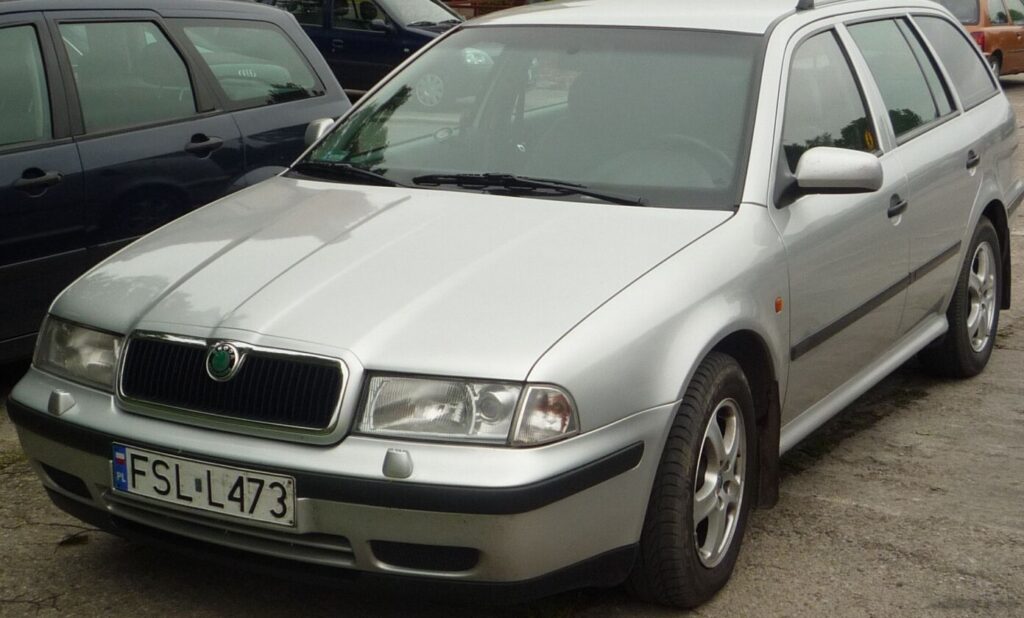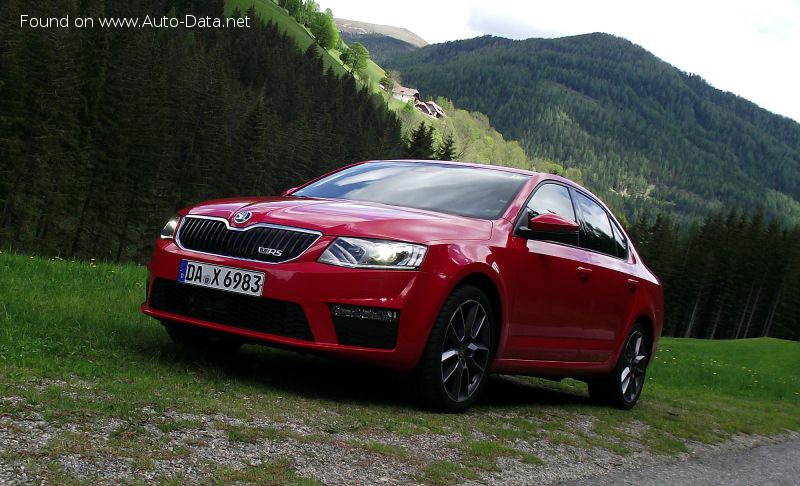
The Skoda Octavia III 1.2 TSI (86 hp) was a front-wheel-drive, five-door hatchback produced between 2013 and 2017 as part of the third generation Octavia (A7) lineup. Positioned as the entry-level engine option, it offered a balance of fuel efficiency and affordability within the broader Octavia range, which also included more powerful 1.4 TSI, 1.8 TSI, 2.0 TDI, and 2.0 TSI variants. Built on the Volkswagen Group’s MQB (Modular Transverse Matrix) platform – specifically the A7 iteration – the 1.2 TSI aimed to provide a practical and economical choice for buyers prioritizing everyday usability over outright performance.
Powertrain & Engine Architecture
The heart of the Octavia III 1.2 TSI was the EA211 series engine, specifically the CJZB or CYVA engine code depending on the production year and market. This 1.2-liter inline-four cylinder engine featured direct fuel injection and a single turbocharger with an intercooler. Direct injection, operating at pressures up to 150 bar, allowed for precise fuel delivery and improved combustion efficiency. The engine utilized a timing chain for durability and reduced maintenance compared to timing belts. The cylinder head employed a double overhead camshaft (DOHC) valvetrain with four valves per cylinder, optimizing gas flow for increased power output.
The 1.2 TSI engine produced 86 horsepower at 4300-5300 rpm and 160 Nm (118.01 lb-ft) of torque between 1400-3500 rpm. While not a powerhouse, the turbocharger helped to mitigate the effects of the small displacement, providing a reasonable level of responsiveness. The engine was paired with a five-speed manual transmission as standard, but a seven-speed dual-clutch transmission (DSG) was offered as an optional upgrade. The DSG provided quicker shifts and improved fuel economy, but at an additional cost. The engine met Euro 5 emission standards.
Fuel Injection and Turbocharging
The EA211 engine family, including the 1.2 TSI, represented a significant advancement in gasoline engine technology. The direct injection system, combined with the turbocharger, allowed for a smaller engine to deliver performance comparable to larger, naturally aspirated engines. The turbocharger’s wastegate was electronically controlled, enabling more precise boost management and improved throttle response. The intercooler cooled the compressed air from the turbocharger, increasing its density and further enhancing performance.
Driving Characteristics
The Skoda Octavia III 1.2 TSI offered a comfortable and predictable driving experience. Acceleration from 0-100 km/h (0-62 mph) took approximately 12 seconds, and top speed was limited to 181 km/h (112.47 mph). While not particularly quick, the engine provided sufficient power for everyday driving situations, including city commuting and highway cruising. The turbocharger provided a noticeable boost in power during acceleration, but the engine could feel somewhat strained when fully loaded or climbing steep hills.
The five-speed manual transmission had relatively short gear ratios, designed to keep the engine within its optimal power band. The optional seven-speed DSG offered smoother and faster gear changes, improving both performance and fuel economy. The Octavia’s suspension was tuned for comfort, providing a smooth ride over most road surfaces. However, the car’s relatively soft suspension could result in some body roll during cornering.
Equipment & Trim Levels
The 1.2 TSI variant of the Octavia III typically came with a base level of equipment, focusing on practicality and value. Standard features generally included air conditioning, power windows, central locking, an audio system with USB connectivity, and steel wheels with wheel covers. Safety features such as ABS (Anti-lock Braking System), ESC (Electronic Stability Control), and multiple airbags were also standard.
Higher trim levels, such as Ambition and Elegance, added features like alloy wheels, a multi-function steering wheel, cruise control, a touchscreen infotainment system, and parking sensors. Optional extras included a sunroof, leather upholstery, heated seats, and a navigation system. Interior upholstery was typically cloth, with higher trims offering the option of leather or Alcantara. The dashboard layout was functional and straightforward, with a focus on ergonomics and ease of use.
Chassis & Braking
The Octavia III 1.2 TSI utilized an independent McPherson strut suspension system at the front, providing good handling and ride comfort. The rear suspension employed a torsion beam setup, which was cost-effective and space-efficient. The front brakes were ventilated discs, while the rear brakes were typically solid discs, although some earlier models may have featured drum brakes depending on the specific market and trim level.
The steering system was an electric power steering (EPS) rack and pinion system, providing light and precise steering feel. Tire sizes varied depending on the trim level, with 195/65 R15 and 205/55 R16 being common options. The car’s relatively lightweight construction – with a kerb weight of around 1150 kg (2535.32 lbs) – contributed to its fuel efficiency and handling.
Market Reception & Comparison
The Skoda Octavia III 1.2 TSI was generally well-received by automotive critics as an affordable and practical family car. It was praised for its spacious interior, comfortable ride, and fuel efficiency. However, some critics noted that the 1.2 TSI engine lacked the power and refinement of the larger engine options. Compared to the 1.4 TSI and 1.8 TSI variants, the 1.2 TSI offered lower performance but significantly better fuel economy. The 1.2 TSI was also more affordable than the diesel-powered 2.0 TDI models.
Fuel economy figures averaged around 5.2 l/100 km (45.2 US mpg, 54.3 UK mpg) on the combined cycle, making it an attractive option for budget-conscious buyers. Reliability was generally good, although some owners reported minor issues with the turbocharger and fuel injection system. Overall, the 1.2 TSI offered a compelling value proposition for buyers seeking a practical and economical family car.
Technical Specifications
| Brand | Skoda |
| Model | Octavia III |
| Engine Type | 1.2 TSI (86 Hp) |
| Production Years | 2013-2017 |
| Engine Code | CJZB, CYVA |
| Engine Displacement | 1197 cm3 (73.05 cu. in.) |
| Number of Cylinders | 4 (Inline) |
| Power | 86 Hp @ 4300-5300 rpm |
| Torque | 160 Nm (118.01 lb-ft) @ 1400-3500 rpm |
| Fuel Injection | Direct Injection |
| Turbocharger | Yes, with Intercooler |
| Valvetrain | DOHC (4 valves per cylinder) |
| Transmission | 5-speed Manual (Standard), 7-speed DSG (Optional) |
| Drive Type | Front Wheel Drive |
| Kerb Weight | 1150 kg (2535.32 lbs) |
| Max Weight | 1775 kg (3913.21 lbs) |
| Fuel Consumption (Combined) | 5.2 l/100 km (45.2 US mpg, 54.3 UK mpg) |
| CO2 Emissions | 119 g/km |
| Fuel Tank Capacity | 50 l (13.21 US gal, 11 UK gal) |
| Acceleration 0-100 km/h | 12 sec |
| Maximum Speed | 181 km/h (112.47 mph) |
Legacy
The 1.2 TSI engine, while eventually superseded by larger and more powerful units, proved to be a reliable and fuel-efficient option in the Skoda Octavia III. On the used car market, Octavia III 1.2 TSI models represent an affordable entry point into the Octavia range. While the engine may not offer blistering performance, its low running costs and practicality make it a popular choice for budget-conscious buyers. Regular maintenance, including oil changes and timing chain inspections, is crucial to ensure the long-term reliability of this powertrain. The EA211 engine family, in general, has a good reputation for durability, and the 1.2 TSI variant remains a viable option for those seeking a dependable and economical family car.