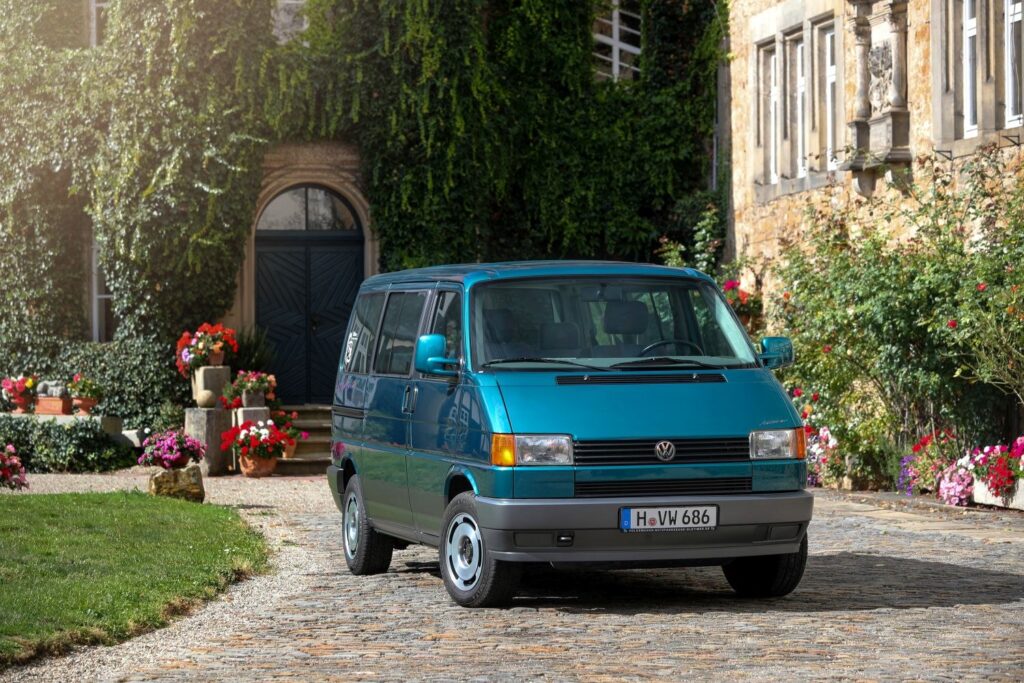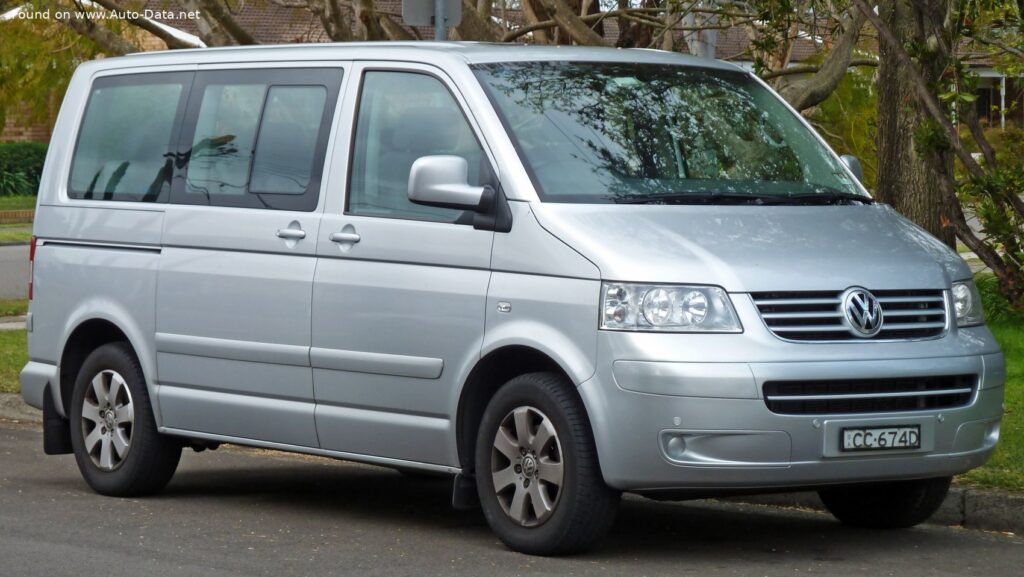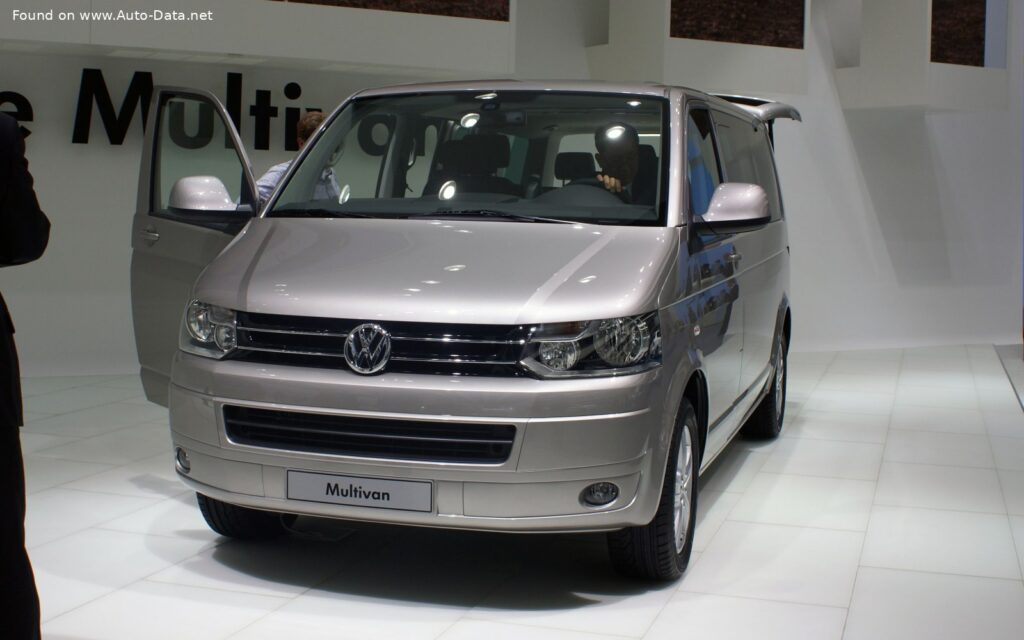
The Volkswagen Multivan (T5, facelift 2009) 2.0 TSI (150 hp) represents a mid-range offering within the extensively revised fifth-generation Multivan lineup, produced from 2012 to 2015. This variant, built on the 1HX0/A3 platform, aimed to balance practicality, comfort, and reasonable performance for families and leisure users. The facelifted T5, introduced in 2009, brought significant aesthetic and technological updates to the Multivan, and the 2.0 TSI engine was a key component of its modernized powertrain options. This particular configuration occupied a space between the more economical diesel options and the higher-performance, though less fuel-efficient, gasoline engines available.
Powertrain & Engine Architecture
The heart of the Multivan 2.0 TSI (150 hp) is the CJKB engine code, a 1.984-liter (121.07 cubic inches) inline-four cylinder gasoline engine. This engine utilizes direct fuel injection, a technology that significantly improves fuel efficiency and power output compared to traditional port fuel injection systems. The direct injection system precisely meters fuel directly into the combustion chamber, allowing for more complete combustion and reduced emissions. The engine also features a turbocharger with an intercooler, which forces more air into the cylinders, boosting power and torque. The turbocharger is a key element in achieving the 150 hp (112 kW) output at 3750-6000 rpm and 280 Nm (206.52 lb-ft) of torque between 1500-3750 rpm.
The Multivan 2.0 TSI (150 hp) was exclusively offered with a 6-speed manual transmission. This transmission was chosen to provide a balance between fuel economy and driver engagement. The gear ratios were tuned to optimize acceleration and cruising efficiency, taking into account the Multivan’s substantial weight and aerodynamic profile. Unlike some other T5 variants, an automatic transmission was not available with this specific engine and power output.
Valvetrain and Fuel System Details
The CJKB engine employs a four-valve-per-cylinder configuration, enhancing volumetric efficiency and contributing to improved power delivery. The valvetrain utilizes a dual overhead camshaft (DOHC) design, allowing for precise control of valve timing. The fuel injection system is a sophisticated Bosch Motronic system, managing fuel delivery, ignition timing, and other critical engine parameters. The engine requires 5.7 liters (6.02 US quarts / 5.02 UK quarts) of engine oil, and the manufacturer specifies a particular oil grade to ensure optimal performance and longevity.
Driving Characteristics
The 2.0 TSI (150 hp) Multivan delivers a respectable, though not exhilarating, driving experience. Acceleration from 0-100 km/h (0-62 mph) takes approximately 12.5 seconds, while 0-60 mph is achieved in around 11.9 seconds. The maximum speed is electronically limited to 180 km/h (111.85 mph). The turbocharger provides a noticeable boost in power during acceleration, but the Multivan’s weight (2095 kg / 4618.68 lbs) limits outright performance. Compared to the more powerful TSI engines available in the T5 range, this 150 hp version feels less strained during highway cruising and offers a more relaxed driving experience. However, it lacks the punch needed for quick overtaking maneuvers or spirited driving. Compared to the diesel variants, the 2.0 TSI offers a smoother and quieter engine note, but at the expense of fuel economy.
The 6-speed manual transmission provides precise gear changes, and the relatively wide torque band of the engine allows for comfortable driving in most situations. The gear ratios are well-matched to the engine’s characteristics, providing adequate acceleration in each gear. However, drivers accustomed to more powerful vehicles may find themselves shifting frequently to maintain momentum, especially when fully loaded or driving uphill.
Equipment & Trim Levels
The 2.0 TSI (150 hp) Multivan typically came equipped with a solid base level of features, positioning it as a comfortable and well-equipped family vehicle. Standard equipment generally included air conditioning, power windows, power mirrors, a CD/radio system, and basic safety features such as ABS (Anti-lock Braking System) and driver/passenger airbags. Interior upholstery was typically cloth, though leather options were available as upgrades. The dashboard layout was functional and ergonomic, with clear instrumentation and easy-to-reach controls.
Optional extras for this trim level included features such as a navigation system, upgraded audio system, parking sensors, alloy wheels, and a sunroof. Higher trim levels offered more luxurious features, such as leather upholstery, heated seats, and automatic climate control. The Multivan’s modular seating arrangement allowed for flexible configuration, accommodating between 5 and 7 passengers depending on the chosen layout.
Chassis & Braking
The Multivan 2.0 TSI (150 hp) utilizes a front-wheel-drive configuration. The suspension system consists of independent suspension at the front, typically utilizing MacPherson struts, and a semi-independent torsion beam suspension at the rear. This setup provides a reasonable balance between ride comfort and handling. The front brakes are ventilated discs, providing ample stopping power, while the rear brakes are typically drum brakes, a cost-saving measure for this weight class. A stabilizer bar is fitted to both the front and rear axles to reduce body roll during cornering.
The steering system is a rack and pinion type, providing precise and responsive steering feel. The turning circle is relatively large (11.9 m / 39.04 ft), which can make maneuvering in tight spaces challenging.
Market Reception & Comparison
The 2.0 TSI (150 hp) Multivan received generally positive reviews from automotive critics. It was praised for its comfortable ride, spacious interior, and flexible seating arrangement. However, some critics noted that the engine lacked the power to fully exploit the Multivan’s potential, particularly when fully loaded. Fuel economy was considered reasonable for a vehicle of its size and type, with combined fuel consumption of 9.8 l/100 km (24 US mpg / 28.8 UK mpg). CO2 emissions were rated at 228 g/km, placing it within the Euro 5 emission standard.
Compared to the diesel variants, the 2.0 TSI offered a smoother and quieter driving experience, but at the expense of fuel economy. Compared to the higher-output TSI engines, it provided a more affordable entry point into the Multivan range, but with reduced performance. The 2.0 TSI appealed to buyers who prioritized comfort and practicality over outright performance.
Technical Specifications
| Brand | Volkswagen |
| Model | Multivan |
| Generation | Multivan (T5, facelift 2009) |
| Type (Engine) | 2.0 TSI (150 Hp) |
| Start of production | 2012 year |
| End of production | 2015 year |
| Fuel consumption (economy) – urban | 13 l/100 km (18.1 US mpg, 21.7 UK mpg, 7.7 km/l) |
| Fuel consumption (economy) – extra urban | 8 l/100 km (29.4 US mpg, 35.3 UK mpg, 12.5 km/l) |
| Fuel consumption (economy) – combined | 9.8 l/100 km (24 US mpg, 28.8 UK mpg, 10.2 km/l) |
| CO2 emissions | 228 g/km |
| Fuel Type | Petrol (Gasoline) |
| Acceleration 0 – 100 km/h | 12.5 sec |
| Acceleration 0 – 62 mph | 12.5 sec |
| Acceleration 0 – 60 mph | 11.9 sec |
| Maximum speed | 180 km/h (111.85 mph) |
| Emission standard | Euro 5 |
| Weight-to-power ratio | 14 kg/Hp, 71.6 Hp/tonne |
| Weight-to-torque ratio | 7.5 kg/Nm, 133.7 Nm/tonne |
| Power | 150 Hp @ 3750-6000 rpm |
| Torque | 280 Nm @ 1500-3750 rpm (206.52 lb.-ft. @ 1500-3750 rpm) |
| Engine layout | Front, Transverse |
| Engine Model/Code | CJKB |
| Engine displacement | 1984 cm3 (121.07 cu. in.) |
| Number of cylinders | 4 |
| Engine configuration | Inline |
| Number of valves per cylinder | 4 |
| Fuel injection system | Direct injection |
| Engine oil capacity | 5.7 l (6.02 US qt | 5.02 UK qt) |
| Kerb Weight | 2095 kg (4618.68 lbs.) |
| Max. weight | 3000 kg (6613.87 lbs.) |
| Max load | 905 kg (1995.18 lbs.) |
| Length | 4892 mm (192.6 in.) |
| Width | 1904 mm (74.96 in.) |
| Height | 1970 mm (77.56 in.) |
| Wheelbase | 3000 mm (118.11 in.) |
| Minimum turning circle | 11.9 m (39.04 ft.) |
| Drivetrain Architecture | Front wheel drive |
| Number of gears and type of gearbox | 6 gears, manual transmission |
| Front brakes | Ventilated discs |
Legacy
The Volkswagen Multivan 2.0 TSI (150 hp) powertrain has proven to be reasonably reliable in the long term, although, like any turbocharged engine, it requires regular maintenance and careful driving habits. Common issues include turbocharger wear, oil leaks, and occasional problems with the direct injection system. However, these issues are generally not catastrophic and can be addressed with proper servicing. On the used car market, this variant represents a good value proposition for buyers seeking a spacious and comfortable family vehicle. Its relatively simple mechanicals and readily available parts contribute to lower maintenance costs compared to some of the more complex T5 models. The 2.0 TSI engine, while not the most powerful option, provides a good balance of performance and fuel economy, making it a practical choice for everyday use.