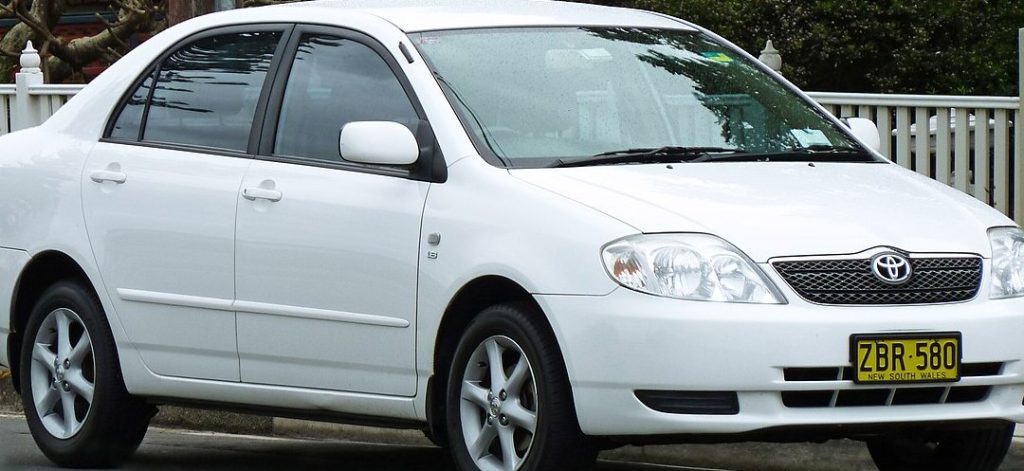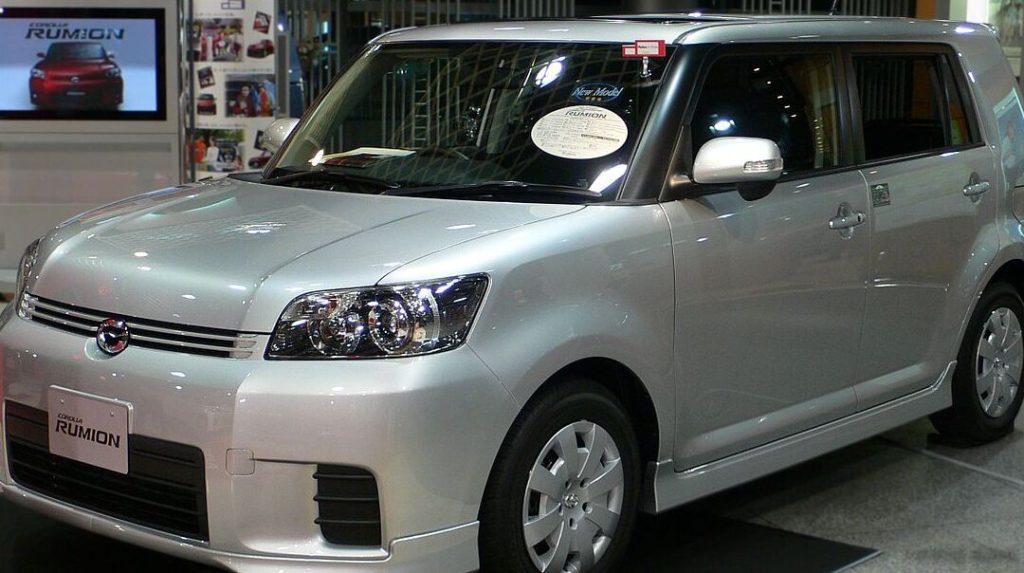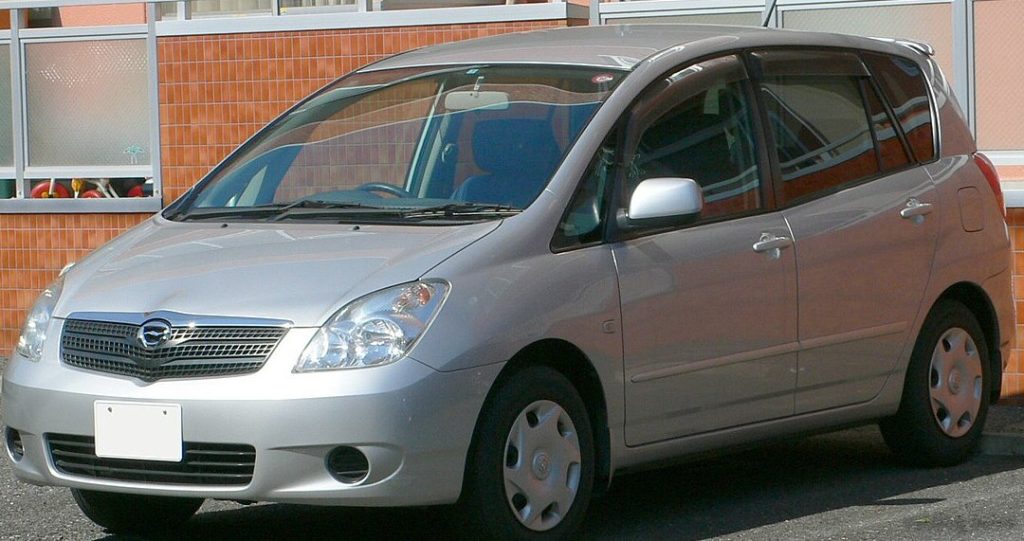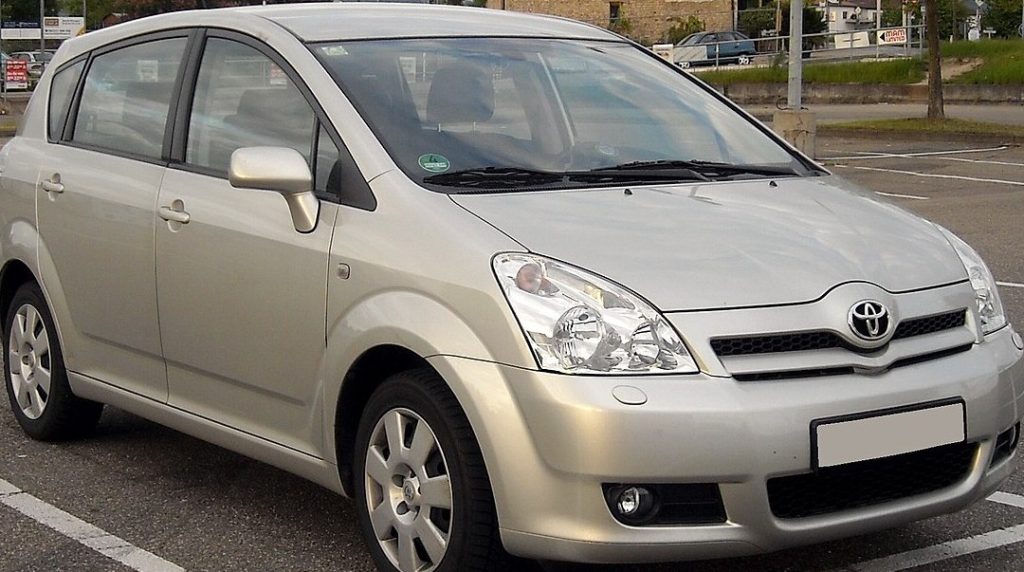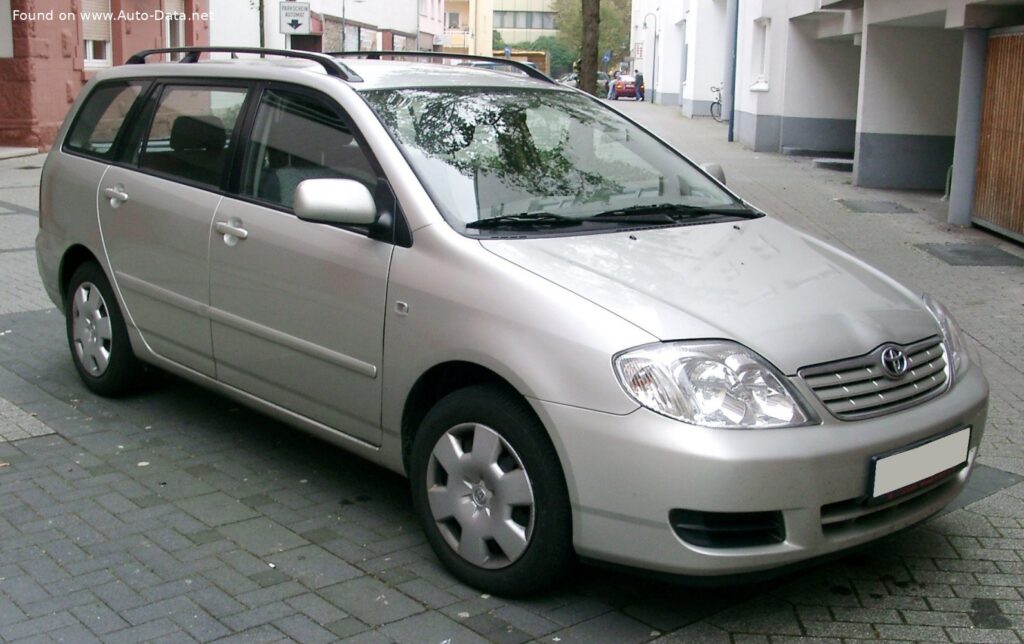
The Toyota Corolla Wagon, specifically the ninth generation (E120/E130 series) 2.0 D-4D variant, was produced between 2004 and 2006. This model represented Toyota’s offering in the compact estate (wagon) segment, providing a practical and fuel-efficient alternative to traditional sedans and hatchbacks. The 2.0 D-4D, powered by a diesel engine producing 116 horsepower, occupied a mid-range position within the Corolla Wagon lineup, offering a balance between performance, economy, and practicality. It was positioned above the lower-powered gasoline engines and below any potential high-performance trims, appealing to buyers needing cargo space and reasonable fuel consumption for long distances or family use.
The 2.0 D-4D Corolla Wagon: A Detailed Overview
The E120/E130 Corolla Wagon series was a continuation of Toyota’s commitment to offering versatile vehicles. The wagon body style provided significantly increased cargo capacity compared to the standard Corolla sedan or hatchback, making it a popular choice for families and those with active lifestyles. The 2.0 D-4D engine was a key component of this appeal, offering a diesel-powered option that prioritized fuel efficiency and torque, crucial for hauling loads or towing small trailers.
Powertrain & Engine Architecture
At the heart of the 2.0 D-4D Corolla Wagon lies the 1CD-FTV engine, a 1.995-liter (121.74 cubic inches) inline-four cylinder diesel engine. This engine is a turbocharged and intercooled design, utilizing a common rail direct injection system. The 1CD-FTV engine is known for its robust construction and relatively simple design, contributing to its reputation for reliability. The engine produces 116 horsepower at 3600 rpm and a substantial 280 Nm (206.52 lb-ft) of torque at 2000 rpm. This torque output is a significant advantage over the gasoline-powered Corolla variants, providing strong pulling power and effortless cruising. The engine features a double overhead camshaft (DOHC) valvetrain with four valves per cylinder, optimizing airflow for improved performance and efficiency. The compression ratio is a high 18.6:1, typical for diesel engines, contributing to their thermal efficiency. Engine oil capacity is 5.9 liters (6.23 US quarts / 5.19 UK quarts) and requires a specification adhering to Toyota’s standards for diesel engines of that era.
Driving Characteristics
The 2.0 D-4D Corolla Wagon delivers a driving experience focused on practicality and efficiency rather than outright performance. While not a sports car, the 280 Nm of torque provides ample power for everyday driving situations, including overtaking and climbing hills. Acceleration from 0 to 100 km/h (0-62 mph) takes approximately 10.9 seconds, and 0 to 60 mph is achieved in around 10.4 seconds. The maximum speed is rated at 185 km/h (114.95 mph). The engine’s torque curve is relatively flat, meaning that a significant amount of power is available across a wide range of engine speeds. This makes the car easy to drive in various conditions, requiring minimal gear changes. The five-speed manual transmission (the only transmission option for this variant) is well-matched to the engine’s characteristics, providing smooth and precise shifts. Compared to the gasoline-powered Corolla Wagons, the 2.0 D-4D offers superior fuel economy and a more relaxed driving experience, particularly on long journeys. However, it lacks the responsiveness and higher engine speeds of the gasoline engines.
Equipment & Trim Levels
The 2.0 D-4D Corolla Wagon typically came equipped with a reasonable level of standard features, reflecting its mid-range positioning. Standard equipment generally included power windows, power door locks, central locking, air conditioning, and an audio system. Interior upholstery was typically cloth, with options for upgraded materials available. Dashboard configuration was functional and straightforward, prioritizing usability over luxury. Optional extras could include alloy wheels, a sunroof, upgraded audio systems, and rear parking sensors. Specific trim levels varied depending on the market, but generally, the 2.0 D-4D was available in a single well-equipped trim, with the option to add individual features. Safety features included ABS (Anti-lock Braking System) as standard, and airbags for the driver and front passenger.
Chassis & Braking
The Corolla Wagon’s chassis was designed to provide a comfortable and stable ride, while also maximizing cargo space. The front suspension utilizes a MacPherson strut setup, while the rear suspension employs a coil spring arrangement. This configuration provides a good balance between ride comfort and handling. The 2.0 D-4D variant, due to its increased weight compared to the gasoline models, often featured slightly stiffer suspension components to maintain handling stability. The braking system consists of ventilated discs on the front wheels and discs on the rear wheels, providing adequate stopping power for the vehicle’s weight and performance. The ABS system helps to prevent wheel lockup during hard braking, enhancing safety and control. The steering system is a rack and pinion type, offering precise and responsive steering feel.
Market Reception & Comparison
The 2.0 D-4D Corolla Wagon was generally well-received by automotive critics and buyers alike. It was praised for its fuel efficiency, practicality, and reliability. The diesel engine’s torque output was a significant selling point, making it a popular choice for those who frequently tow or carry heavy loads. Compared to other compact estate cars of the time, the Corolla Wagon offered a competitive combination of features, performance, and price. Fuel economy was a key advantage, with combined cycle figures reaching up to 4.9 l/100 km (48 US mpg / 57.6 UK mpg). Reliability was also a strong point, with the 1CD-FTV engine proving to be durable and long-lasting. However, some critics noted that the diesel engine was somewhat noisy compared to the gasoline engines, and the car’s handling was not as sporty as some of its rivals. Compared to the gasoline-powered Corolla Wagons, the 2.0 D-4D offered significantly better fuel economy but slightly lower performance.
Technical Specifications
| Brand | Toyota |
| Model | Corolla Wagon IX (E120, E130) |
| Type | 2.0 D-4D (116 Hp) |
| Start of production | 2004 |
| End of production | 2006 |
| Engine Model/Code | 1CD-FTV |
| Engine displacement | 1995 cm3 (121.74 cu. in.) |
| Number of cylinders | 4 |
| Engine configuration | Inline |
| Cylinder Bore | 82.2 mm (3.24 in.) |
| Piston Stroke | 94 mm (3.7 in.) |
| Compression ratio | 18.6:1 |
| Power | 116 Hp @ 3600 rpm |
| Torque | 280 Nm @ 2000 rpm (206.52 lb.-ft. @ 2000 rpm) |
| Fuel Type | Diesel |
| Fuel consumption (urban) | 7.3 l/100 km (32.2 US mpg / 38.7 UK mpg) |
| Fuel consumption (extra urban) | 4.9 l/100 km (48 US mpg / 57.6 UK mpg) |
| Acceleration 0-100 km/h | 10.9 sec |
| Acceleration 0-62 mph | 10.9 sec |
| Maximum speed | 185 km/h (114.95 mph) |
| Kerb Weight | 1330 kg (2932.15 lbs.) |
| Max. weight | 1780 kg (3924.23 lbs.) |
| Trunk (boot) space (minimum) | 402 l (14.2 cu. ft.) |
| Trunk (boot) space (maximum) | 1280 l (45.2 cu. ft.) |
| Fuel tank capacity | 55 l (14.53 US gal / 12.1 UK gal) |
Legacy
The 2.0 D-4D Corolla Wagon has proven to be a reliable and durable vehicle, with many examples still on the road today. The 1CD-FTV engine is known for its longevity, provided it has been properly maintained. Common issues include wear and tear on the turbocharger and potential problems with the fuel injectors, but these are generally manageable with regular servicing. In the used car market, the 2.0 D-4D Corolla Wagon remains a popular choice for buyers seeking a practical, fuel-efficient, and affordable estate car. Its reputation for reliability and low running costs makes it an attractive option for those looking for a dependable vehicle for everyday use. While not a particularly exciting car to drive, its practicality and durability have ensured its continued relevance in the used car market.