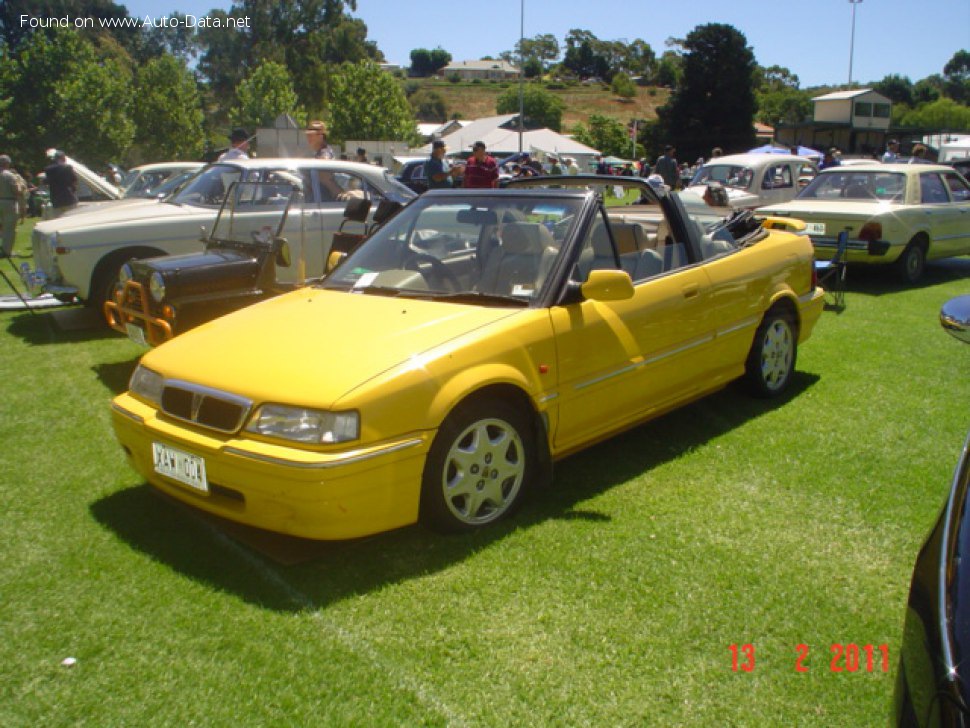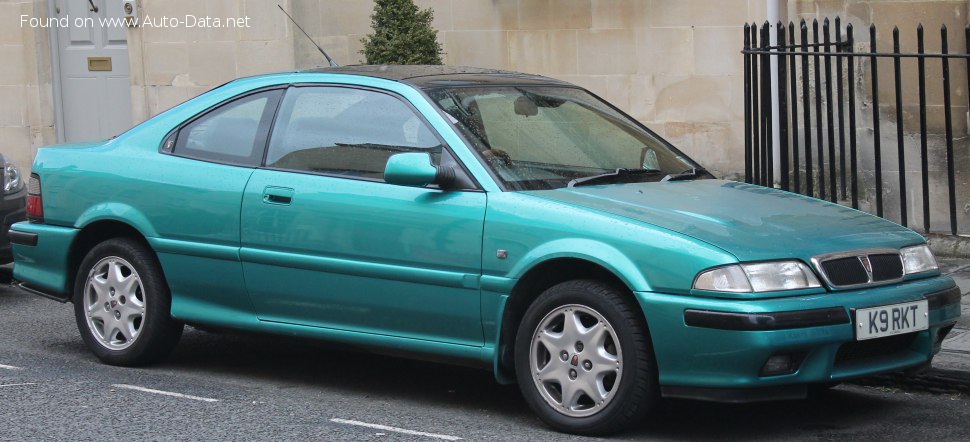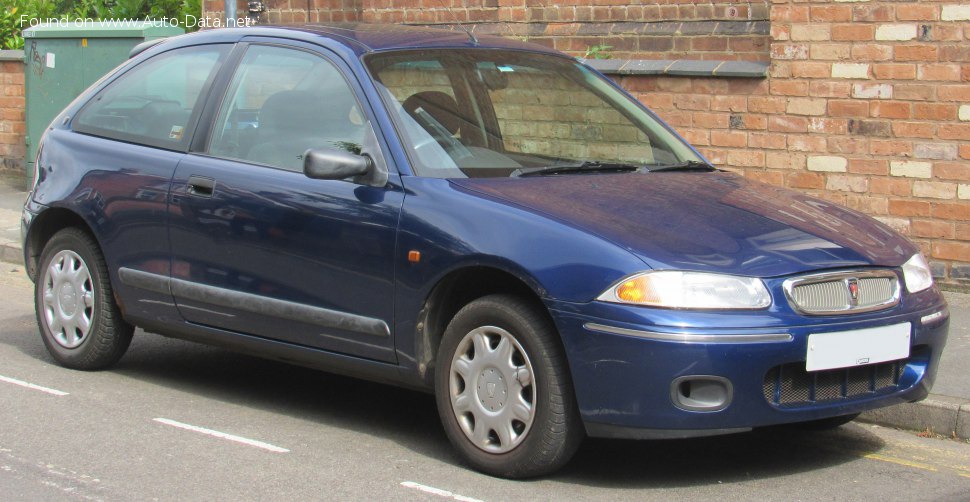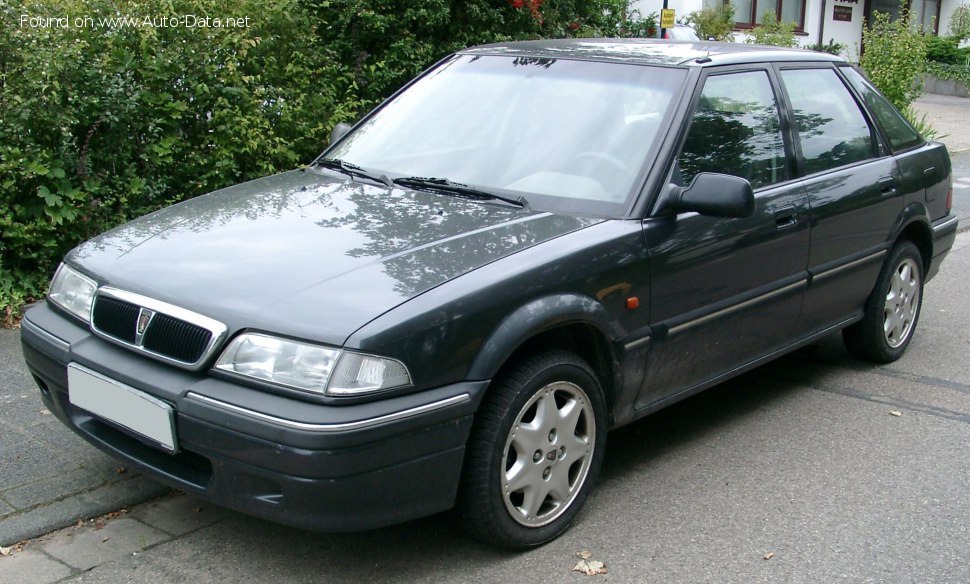
The Rover 200 (XH) 216, produced between 1985 and 1989, represented the entry-level to mid-range offering within the XH series Rover 200 lineup. This variant, powered by a 2.0-liter, naturally aspirated engine producing 83 horsepower, was positioned as a practical and affordable family sedan. The XH series Rover 200 was a significant model for British Leyland (later Rover Group), aiming to modernize the company’s image and compete with established European rivals like the Ford Escort and Vauxhall Astra. The 216 model, with its relatively modest power output, catered to buyers prioritizing fuel economy and lower running costs over outright performance. It served as a stepping stone to the more powerful 220 variants, offering a balance between comfort and affordability.
Rover 200 XH 216: An Overview
The Rover 200 XH series was a crucial part of Rover’s attempt to revitalize its image in the mid-1980s. Replacing the aging Rover SD1-based 2000 series, the XH platform offered a more modern and efficient package. The 216 model, characterized by its 2.0-liter engine, was a mainstay of the range, appealing to a broad customer base. While not the sportiest option, it provided a comfortable and reliable driving experience for everyday use. The XH series was notable for its Honda collaboration, sharing some components and engineering insights with the Honda Civic and Concerto of the same era. This collaboration aimed to improve build quality and reliability, areas where British Leyland had historically struggled.
Powertrain & Engine Architecture
The heart of the Rover 200 216 was the M-series 2.0-liter inline-four engine. This engine, while not a technological marvel, was known for its robustness and relative simplicity. The 83 horsepower output was achieved through a naturally aspirated configuration, utilizing a single overhead camshaft (SOHC) valvetrain. Fuel delivery was managed by a Bosch K-Jetronic mechanical fuel injection system, a common feature on European cars of the period. This system, while effective, was less sophisticated than later electronic fuel injection systems and required periodic maintenance to ensure optimal performance. The engine block was cast iron, contributing to its durability, while the cylinder head was aluminum. The engine’s compression ratio was approximately 8.8:1.
The 216 was typically paired with a four-speed automatic transmission, although a five-speed manual transmission was also available. The automatic transmission, a Borg-Warner unit, was chosen for its smoothness and ease of use, catering to drivers who preferred a less involved driving experience. The automatic transmission’s gear ratios were optimized for fuel efficiency and comfortable cruising, rather than rapid acceleration. First gear was relatively short, providing adequate launch capability, while higher gears were spaced to maintain low engine speeds at highway speeds. The transmission was known to be reliable, but like all automatic transmissions, required regular fluid changes to prevent premature wear.
Driving Characteristics
The Rover 200 216 Automatic offered a comfortable, but not particularly exciting, driving experience. With 83 horsepower and a curb weight of around 2,400 pounds, acceleration was modest. Zero to sixty mph times were typically in the 12-14 second range. The automatic transmission contributed to a smooth, if somewhat leisurely, pace. The engine delivered its peak power at around 5,200 rpm, meaning that frequent downshifts were required for overtaking maneuvers. Compared to the more powerful 220 variants, the 216 felt noticeably slower, particularly at higher speeds. However, the engine was relatively torquey at low speeds, making it well-suited for urban driving. The suspension, while comfortable, was not particularly sporty, resulting in some body roll during cornering. Steering was light and easy, making the car maneuverable in tight spaces.
Equipment & Trim Levels
The Rover 200 216 Automatic typically came equipped with a reasonable level of standard features for its price point. These included cloth upholstery, central locking, and a basic stereo system. Power steering was often included, enhancing the ease of driving. The dashboard layout was functional and straightforward, with clearly labeled controls. Optional extras included electric windows, a sunroof, and upgraded stereo systems. Higher trim levels, such as the ‘DL’ and ‘Vitesse’ models, offered additional features such as alloy wheels, upgraded interior trim, and more sophisticated audio systems. The interior space was adequate for a family sedan, with comfortable seating for four adults. The trunk offered a reasonable amount of cargo space, sufficient for everyday needs.
Chassis & Braking
The Rover 200 XH utilized a MacPherson strut front suspension and a twist-beam rear suspension. This setup provided a good balance between ride comfort and handling. The front suspension featured coil springs and telescopic dampers, while the rear suspension utilized leaf springs. The braking system consisted of disc brakes on the front wheels and drum brakes on the rear wheels. This configuration was typical for cars in this class during the 1980s. The brakes were adequate for normal driving conditions, but lacked the stopping power of more modern braking systems. Anti-lock braking (ABS) was not available on the 216 model. The steering system was a rack-and-pinion setup, providing precise and responsive steering.
Market Reception & Comparison
The Rover 200 216 Automatic received mixed reviews from automotive critics. While praised for its comfort, reliability, and affordability, it was often criticized for its lack of performance. Compared to rivals like the Ford Escort and Vauxhall Astra, the 216 felt somewhat underpowered. However, its smooth automatic transmission and comfortable ride appealed to buyers who prioritized practicality over sportiness. Fuel economy was reasonable for the time, averaging around 28-32 mpg in mixed driving conditions. Reliability was generally good, although the K-Jetronic fuel injection system required regular maintenance. The 216 offered a compelling alternative to the more expensive 220 variants, providing a more accessible entry point into the Rover 200 range.
Technical Specifications
| Body Type | Sedan |
| Engine Type | 2.0-liter Inline-Four |
| Engine Code | M-Series |
| Fuel Type | Gasoline (Petrol) |
| Aspiration | Naturally Aspirated |
| Valve Configuration | SOHC |
| Fuel Injection | Bosch K-Jetronic |
| Maximum Power | 83 hp @ 5,200 rpm |
| Maximum Torque | 118 lb-ft @ 3,000 rpm |
| Transmission | Four-Speed Automatic (Borg-Warner) |
| Drivetrain | Front-Wheel Drive |
| Curb Weight | Approximately 2,400 lbs |
| 0-60 mph | 12-14 seconds (approx.) |
| Fuel Economy (Combined) | 28-32 mpg |
Legacy
The Rover 200 XH 216, while not a particularly iconic model, played an important role in Rover’s efforts to modernize its lineup. The M-series engine proved to be a durable and reliable powerplant, and the automatic transmission provided a smooth and comfortable driving experience. Today, the 216 is a relatively rare sight on the roads, but it remains a popular choice among classic car enthusiasts. Its affordability and simplicity make it an attractive option for those seeking a classic British sedan. Parts availability can be a challenge, but a dedicated community of Rover enthusiasts ensures that spare parts are still obtainable. The 216’s legacy lies in its practicality, reliability, and its contribution to Rover’s attempt to regain its position in the competitive European automotive market.