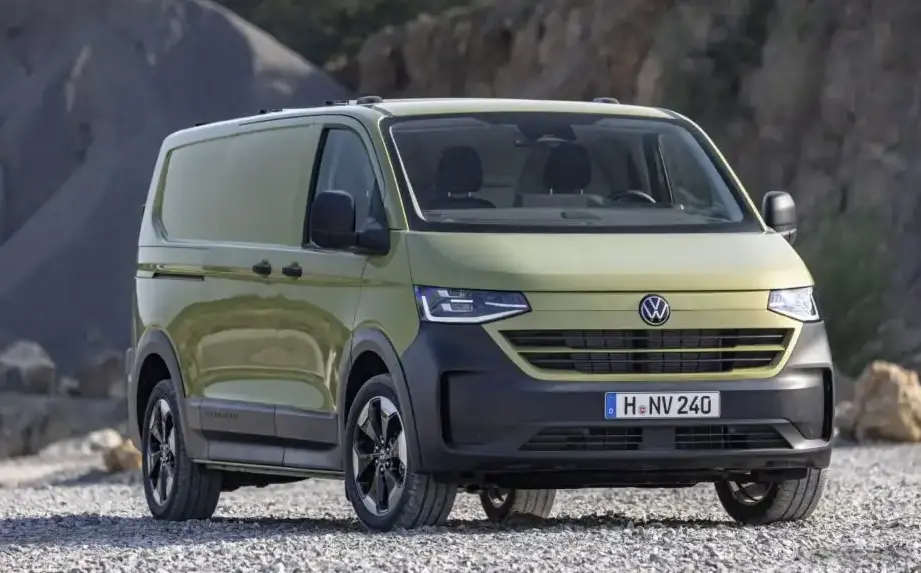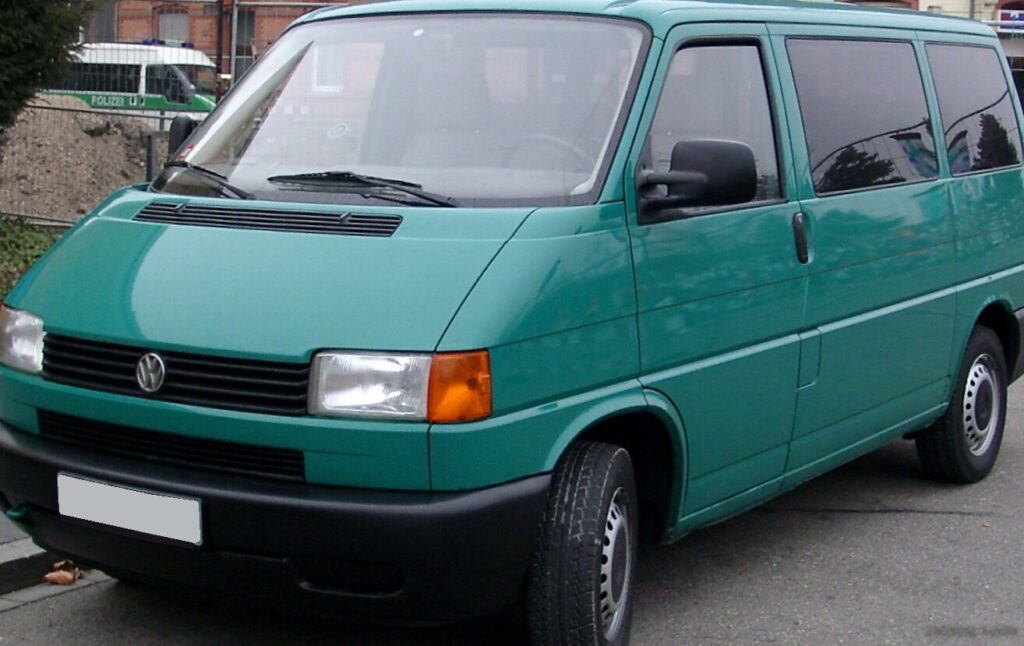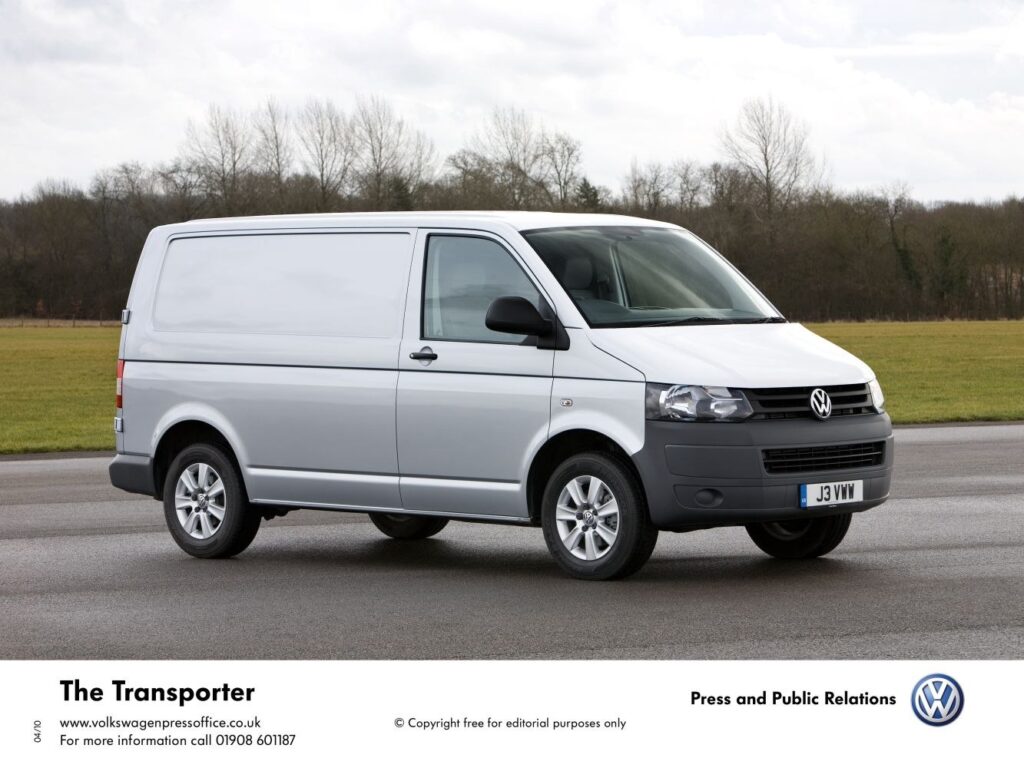
The Volkswagen Transporter (T5) facelift, produced from 2009 to 2015, represented a significant update to the fifth generation of Volkswagen’s popular commercial vehicle. Among the various configurations available, the 2.0 TDI 180 hp 4MOTION DSG L2H1 Panel Van occupied a position as a high-performance, all-wheel-drive option geared towards professional users requiring both capability and efficiency. This variant combined a powerful turbodiesel engine with a sophisticated dual-clutch transmission and Volkswagen’s 4MOTION all-wheel-drive system, packaged in the longer wheelbase (L2) and higher roof (H1) body style, offering a substantial cargo capacity.
Volkswagen Transporter T5 (2009-2015) 2.0 TDI 180 hp 4MOTION DSG: An Overview
The T5 facelift brought revised styling, improved interior ergonomics, and updated engine options compared to the pre-2009 T5 models. The 2.0 TDI 180 hp 4MOTION DSG L2H1 was positioned as a premium offering within the Transporter range. It catered to businesses and tradespeople needing a van capable of handling heavier loads and challenging road conditions, while still providing a relatively refined driving experience. It sat above the base-level TDI models in terms of performance and features, but below specialized conversions or higher-trim passenger-oriented versions like the Caravelle or Multivan.
Powertrain & Engine Architecture
At the heart of this Transporter variant lies the EA189 series 2.0-liter four-cylinder turbodiesel engine, specifically the CFCA engine code. This engine produced 180 horsepower at 4000 rpm and a substantial 400 Nm (295 lb-ft) of torque between 1500 and 2000 rpm. The engine employed a common rail direct fuel injection system, delivering precise fuel metering for optimized combustion and reduced emissions. A bi-turbocharger setup, incorporating both a low-pressure and high-pressure turbocharger, was crucial to achieving both low-end torque and high-end power. The intercooler further enhanced performance by cooling the compressed intake air. The engine featured a double overhead camshaft (DOHC) valvetrain with four valves per cylinder, contributing to its efficient operation.
The transmission paired with this engine was the 7-speed Dual Clutch Gearbox (DSG). This automated manual transmission offered quick, smooth gear changes and contributed to improved fuel efficiency compared to a traditional automatic transmission. The 4MOTION all-wheel-drive system utilized a viscous coupling to distribute power between the front and rear axles as needed, providing enhanced traction on slippery surfaces. The system is primarily front-wheel drive under normal conditions, engaging the rear wheels when wheel slip is detected.
Driving Characteristics
The 2.0 TDI 180 hp 4MOTION DSG L2H1 offered a noticeable performance upgrade over lower-powered Transporter variants. The 400 Nm of torque available from 1500 rpm provided strong acceleration and effortless overtaking capability, even when fully loaded. The DSG transmission ensured responsive shifts, and the 4MOTION system instilled confidence in various weather conditions. While not a sports van, the combination of power and all-wheel drive made it a capable and versatile workhorse. The longer wheelbase (L2) contributed to a more stable ride, particularly when carrying heavy loads. Compared to a manual transmission equipped model, the DSG offered convenience, but some drivers might have preferred the greater control of a manual gearbox. The higher output engine also meant slightly increased fuel consumption compared to the base TDI models.
Equipment & Trim Levels
The L2H1 Panel Van trim typically included features such as a driver’s airbag, anti-lock braking system (ABS), electric windows, and central locking. The interior was generally functional and durable, with hard-wearing plastics and cloth upholstery. The dashboard layout was typical of the T5 facelift, with a clear instrument cluster and logically arranged controls. Optional extras commonly included air conditioning, a radio/CD player with Bluetooth connectivity, parking sensors, and upgraded seating. Higher specification models could also be equipped with features like cruise control, heated seats, and a multi-function steering wheel. The cargo area was typically devoid of any trim, focusing on maximizing usable space. The L2H1 configuration provided a generous cargo volume of approximately 6700 liters (236.61 cubic feet).
Chassis & Braking
The Transporter T5 utilized an independent suspension setup on both the front and rear axles. The front suspension employed a McPherson strut design with coil springs and an anti-roll bar, while the rear suspension featured a trailing arm configuration with coil springs and a transverse stabilizer. This setup provided a good balance between ride comfort and handling. Braking duties were handled by ventilated disc brakes on all four wheels, providing ample stopping power. The diameter of the front discs was 340×32.5mm, while the rear discs measured 294x22mm. ABS (Anti-lock Braking System) was standard, enhancing braking performance and stability. The steering system was a hydraulic power-assisted rack and pinion setup, offering precise and responsive steering feel.
Market Reception & Comparison
The 2.0 TDI 180 hp 4MOTION DSG L2H1 was generally well-received by critics and commercial vehicle operators. It was praised for its strong performance, all-weather capability, and relatively refined driving experience. Fuel economy, while not exceptional, was considered reasonable for a vehicle of its size and capability, averaging around 8.5-8.8 l/100 km (27.7-26.7 US mpg). Compared to the lower-powered TDI variants, the 180 hp model offered a significant performance advantage, making it ideal for demanding applications. However, it came at a higher price point. Compared to the 1.9 TDI models available in earlier T5s, the 2.0 TDI offered improved power and torque, but also potentially increased complexity and maintenance costs. The DSG transmission, while convenient, was sometimes criticized for its potential reliability issues, although many units proved durable with proper maintenance.
Technical Specifications
| Brand | Volkswagen |
| Model | Transporter (T5, facelift 2009) Panel Van |
| Type | 2.0 TDI (180 Hp) 4MOTION DSG L2H1 |
| Start of production | 2009 |
| End of production | 2015 |
| Engine | 2.0-liter Inline-4 Turbodiesel (EA189 / CFCA) |
| Power | 180 hp @ 4000 rpm |
| Torque | 400 Nm (295 lb-ft) @ 1500-2000 rpm |
| Transmission | 7-speed DSG Dual Clutch Automatic |
| Drive | All-Wheel Drive (4MOTION) |
| Fuel Consumption (Combined) | 8.5-8.8 l/100 km (27.7-26.7 US mpg) |
| CO2 Emissions | 224-232 g/km |
| Kerb Weight | 1954-2371 kg (4307.83 – 5227.16 lbs) |
| Max. Weight | 3000-3200 kg (6613.87 – 7054.79 lbs) |
| Cargo Volume (Max) | 6700 liters (236.61 cu. ft) |
| Fuel Tank Capacity | 80 liters (21.13 US gal) |
| Length | 5292 mm (208.35 in) |
| Width | 1904 mm (74.96 in) |
| Height | 1990 mm (78.35 in) |
Legacy
The 2.0 TDI 180 hp 4MOTION DSG L2H1 Transporter remains a popular choice in the used commercial vehicle market. The EA189 engine, while subject to some scrutiny regarding emissions, is generally considered reliable when properly maintained. The DSG transmission can be a potential weak point, requiring regular fluid changes and occasional servicing. However, many examples have proven durable over the long term. The 4MOTION system continues to be highly valued for its all-weather capability. These vans are often sought after by businesses and tradespeople who require a robust and versatile vehicle capable of handling demanding workloads. Their combination of performance, practicality, and all-wheel-drive capability ensures continued demand in the used market.