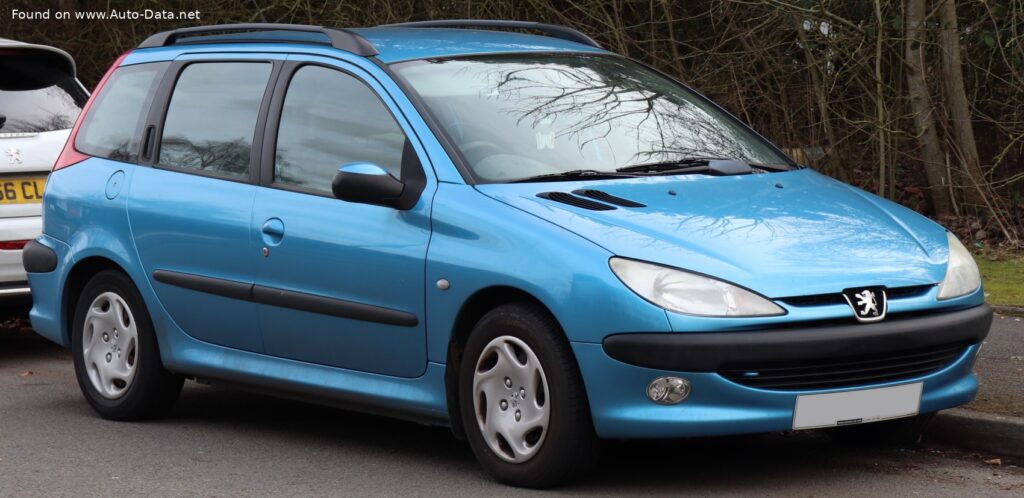
The Peugeot 206 SW 2.0 HDi (90 hp) was a station wagon variant of the popular Peugeot 206, produced between 2002 and 2007. It represented a practical and fuel-efficient option within the 206 range, capitalizing on the growing demand for compact estates in Europe. Based on the 206 platform (T1 platform), the SW – standing for “Station Wagon” – offered increased cargo capacity compared to the standard hatchback while retaining the 206’s nimble handling and relatively affordable price point. This particular 2.0 HDi 90 hp version occupied a mid-range position in the SW lineup, offering a balance between performance, economy, and equipment levels.
The 2.0 HDi 90 hp Engine and its Role in the 206 SW Lineup
The 2.0 HDi 90 hp variant was a significant offering in the 206 SW range. It sat above the lower-powered 1.4-liter gasoline and 1.6-liter HDi diesel options, and below the more potent 2.0 HDi 110 hp model. This positioning aimed to attract buyers who desired a vehicle capable of handling longer journeys and carrying heavier loads without sacrificing fuel efficiency. The 2.0 HDi engine provided a noticeable performance upgrade over the smaller engines, making it a popular choice for families and those who frequently used their vehicle for work.
Powertrain & Engine Architecture
The heart of the 206 SW 2.0 HDi 90 was the DW10TD engine, a 1997cc, four-cylinder diesel engine. This engine, often identified by the code RHY, was a common powerplant in many PSA Group (Peugeot and Citroën) vehicles of the era. It featured a cast iron block and aluminum cylinder head, utilizing a sophisticated common rail direct injection system. This system, supplied by Bosch, allowed for precise control of fuel delivery, optimizing combustion for both power and efficiency. The engine employed a single overhead camshaft (SOHC) design operating two valves per cylinder. A turbocharger with an intercooler was standard, boosting power output and improving torque across the rev range. The 2.0 HDi engine produced 90 horsepower (hp) at 4000 rpm and 205 Nm (151.2 lb-ft) of torque at 2000 rpm. The engine was transversely mounted in the front of the vehicle.
The 206 SW 2.0 HDi 90 was typically paired with a five-speed manual transmission. While an automatic transmission was offered on some 206 models, it was less common with the 2.0 HDi engine due to the torque characteristics of the diesel powerplant and the desire to maximize fuel economy. The manual gearbox provided smooth shifts and allowed drivers to fully utilize the engine’s torque for efficient acceleration and overtaking.
Driving Characteristics
The 206 SW 2.0 HDi 90 offered a comfortable and capable driving experience. While not a sports car, the engine provided ample power for everyday driving and highway cruising. Acceleration from 0-100 km/h (0-62 mph) took approximately 12.8 seconds, and the vehicle had a top speed of 182 km/h (113 mph). The engine’s strong low-end torque made it particularly well-suited for navigating city streets and tackling hills. The five-speed manual transmission allowed for precise gear selection, and the relatively short gear ratios helped to keep the engine in its optimal power band. Compared to the 1.4-liter gasoline version, the 2.0 HDi offered significantly more pulling power, making it easier to carry passengers and luggage. Compared to the 2.0 HDi 110 hp model, the 90 hp version felt less urgent in its acceleration, but offered a noticeable improvement in fuel economy.
Equipment & Trim Levels
The 206 SW 2.0 HDi 90 was available in various trim levels, typically including LX, XR, and SE. The base LX trim offered a practical level of equipment, including central locking, power steering, and an adjustable steering column. The XR trim added features such as alloy wheels, air conditioning, and a CD player. The SE trim, the highest level, included additional luxuries like automatic headlights, rain-sensing wipers, and upgraded interior trim. Interior upholstery was typically cloth, with options for different patterns and colors. The dashboard layout was consistent across the 206 range, featuring a functional and user-friendly design. Optional extras included a sunroof, parking sensors, and a navigation system.
Chassis & Braking
The 206 SW’s chassis was based on the standard 206 hatchback, featuring a MacPherson strut front suspension and a torsion beam rear suspension. This setup provided a good balance between ride comfort and handling. The SW’s longer wheelbase and increased weight compared to the hatchback did result in slightly less agile handling, but the vehicle remained relatively nimble for a station wagon. Braking was typically accomplished with ventilated discs on the front wheels and discs on the rear wheels. Anti-lock Braking System (ABS) was standard, enhancing safety and control during emergency braking. The steering was a hydraulic power-assisted rack and pinion system, providing precise and responsive steering feel.
Market Reception & Comparison
The Peugeot 206 SW 2.0 HDi 90 was generally well-received by automotive critics. It was praised for its fuel efficiency, practicality, and comfortable ride. Critics noted that the 2.0 HDi engine provided a good balance between performance and economy, making it a versatile choice for a wide range of drivers. Fuel economy figures were impressive, with combined cycle consumption averaging around 5.1 l/100 km (46.1 US mpg). Compared to other compact station wagons of the time, such as the Renault Mégane Estate and the Ford Focus Estate, the 206 SW offered a more stylish design and a more engaging driving experience. However, some critics noted that the interior space was slightly less generous than some of its rivals. Reliability was generally good, although some owners reported issues with the diesel particulate filter (DPF) and the common rail injection system.
Technical Specifications
| Engine Type | 1997cc Inline-4 Diesel |
| Engine Code | RHY DW10TD |
| Power Output | 90 hp @ 4000 rpm |
| Torque | 205 Nm (151.2 lb-ft) @ 2000 rpm |
| Fuel Consumption (Urban) | 6.8 l/100 km (34.6 US mpg) |
| Fuel Consumption (Extra Urban) | 4.1 l/100 km (57.4 US mpg) |
| Fuel Consumption (Combined) | 5.1 l/100 km (46.1 US mpg) |
| Acceleration 0-100 km/h | 12.8 seconds |
| Top Speed | 182 km/h (113 mph) |
| Kerb Weight | 1116 kg (2460 lbs) |
| Fuel Tank Capacity | 50 liters (13.2 US gallons) |
| Transmission | 5-speed Manual |
| Front Suspension | MacPherson Strut |
| Rear Suspension | Torsion Beam |
| Front Brakes | Ventilated Discs |
| Rear Brakes | Discs |
Legacy
The Peugeot 206 SW 2.0 HDi 90 remains a popular choice in the used car market today, particularly for buyers seeking a practical, fuel-efficient, and affordable station wagon. The DW10TD engine is known for its durability, although regular maintenance is essential to prevent issues with the DPF and injection system. Parts availability is generally good, and the 206 SW is relatively easy to maintain. The 206 SW, and specifically the 2.0 HDi variants, helped establish Peugeot as a major player in the European compact estate market, paving the way for future models like the 308 SW. Its blend of practicality, economy, and style continues to appeal to a wide range of drivers.