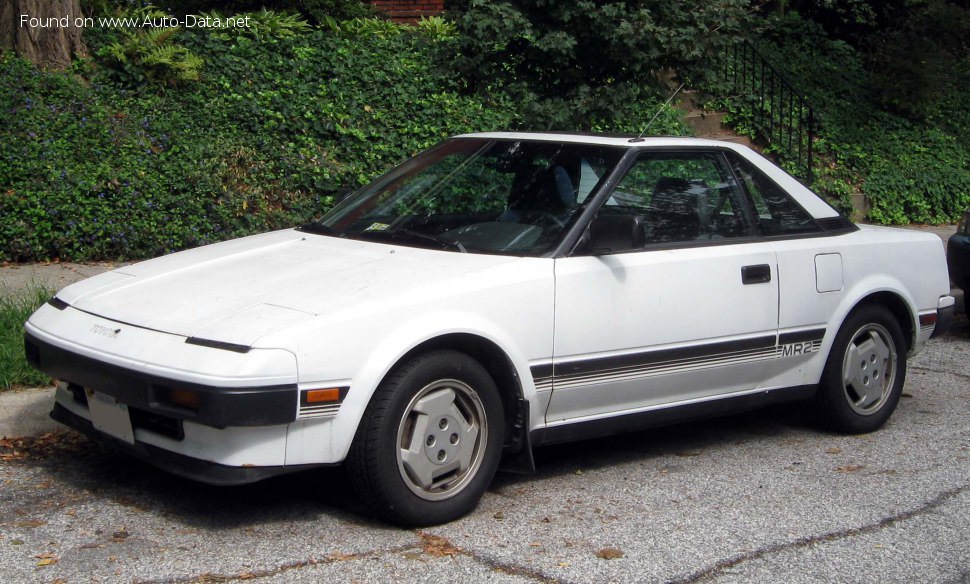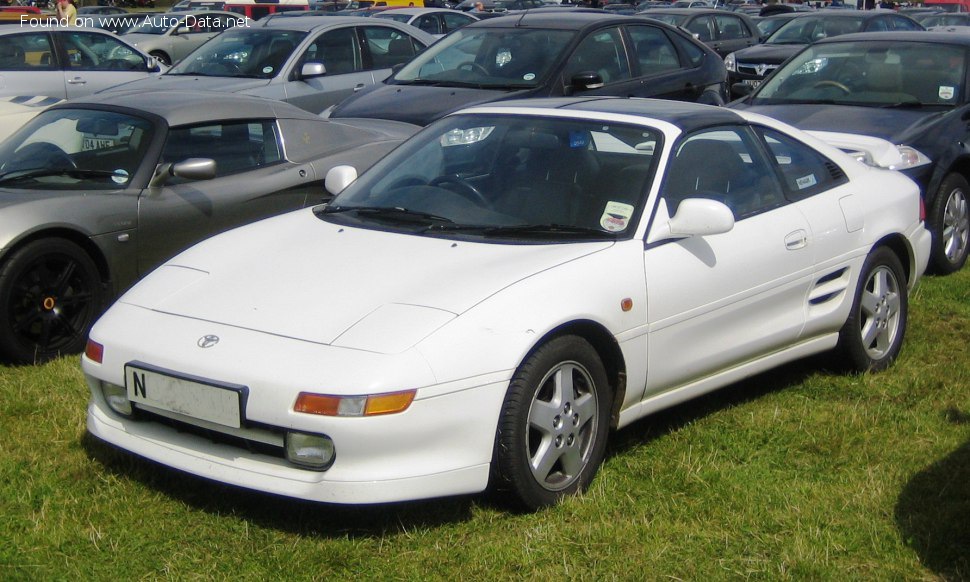
The Toyota MR2 (W2) 2.0i 16V, produced between 1989 and 1999, represents the second generation of Toyota’s mid-engine, rear-wheel-drive sports car. This variant, equipped with a 2.0-liter turbocharged inline-four engine producing 225 horsepower, was positioned as the performance flagship of the W2 MR2 lineup. It built upon the foundation laid by the naturally aspirated models, offering significantly enhanced acceleration and overall driving excitement. The W2 generation MR2, built on a dedicated platform, aimed to recapture the spirit of the original AW11 MR2 while offering improved refinement and handling characteristics.
Powertrain & Engine Architecture
The heart of the MR2 2.0i 16V is the 3S-GTE engine, a 1998cc (121.93 cu. in.) turbocharged inline-four cylinder powerplant. This engine utilizes a multi-port fuel injection system, delivering precise fuel metering for optimal combustion. The 3S-GTE features a DOHC (Double Overhead Camshaft) valvetrain with four valves per cylinder, contributing to its high-revving nature and impressive power output. A key component of the engine’s performance is its CT26 turbocharger, coupled with an intercooler to reduce intake air temperatures and increase density. This setup allows the engine to generate 225 hp at 6000 rpm and 304 Nm (224.22 lb-ft) of torque at 3200 rpm. The engine’s compression ratio is 8.8:1. The engine is transversely mounted in the rear of the vehicle, contributing to the car’s balanced weight distribution.
The MR2 2.0i 16V was exclusively offered with a 5-speed manual transmission. This transmission was chosen to handle the increased power and torque of the turbocharged engine, providing precise gear changes and a direct connection to the drivetrain. The transmission’s gear ratios were optimized for both acceleration and highway cruising. The final drive ratio contributed to the car’s responsive feel and ability to deliver power effectively to the rear wheels.
Engine Codes & Variations
The 3S-GTE engine code is central to identifying this specific variant. While the core engine remained consistent throughout the W2 MR2’s production run, minor revisions were made over the years to improve reliability and address emissions regulations. Early models (1989-1991) may exhibit slight differences in turbocharger specifications and ECU tuning compared to later models (1992-1999). These differences, however, were generally minor and did not significantly alter the engine’s overall performance characteristics.
Driving Characteristics
The MR2 2.0i 16V delivers a distinctly sporty driving experience. The turbocharged engine provides a noticeable surge of power, particularly in the mid-range, resulting in brisk acceleration. The rear-wheel-drive configuration and mid-engine layout contribute to excellent handling balance and responsiveness. The car feels nimble and eager to change direction, making it a rewarding vehicle to drive on winding roads. Compared to the naturally aspirated MR2 models, the 2.0i 16V offers a significantly more potent and engaging driving experience. The manual transmission allows for precise control over gear selection, enhancing driver involvement. However, the turbocharger does introduce a degree of turbo lag, requiring the driver to anticipate power delivery. The car’s relatively short wheelbase and responsive steering contribute to its lively and sometimes challenging handling characteristics, demanding respect and skill from the driver.
Equipment & Trim Levels
The MR2 2.0i 16V was typically equipped with a comprehensive list of standard features, reflecting its position as the top-of-the-line model. These included power windows, power locks, air conditioning, and a premium sound system. The interior featured sport seats upholstered in a combination of cloth and leather, providing both comfort and support. The dashboard layout was driver-focused, with clearly marked gauges and intuitive controls. Optional extras included a T-top roof (a defining feature of the MR2), upgraded audio systems, and alloy wheels. The exterior styling was characterized by its sleek, aerodynamic lines and distinctive pop-up headlights. The car’s overall aesthetic was designed to convey a sense of performance and sophistication.
Chassis & Braking
The MR2 2.0i 16V features a robust chassis designed to handle the increased power and stresses of the turbocharged engine. The suspension utilizes a double-wishbone setup at the front and a strut configuration at the rear, providing a balance of ride comfort and handling precision. Stabilizer bars are fitted to both the front and rear axles to reduce body roll during cornering. The braking system consists of ventilated discs at the front and solid discs at the rear, providing ample stopping power. An Anti-lock Braking System (ABS) was standard equipment, enhancing safety and control under hard braking conditions. The steering system is a rack-and-pinion type with hydraulic power assistance, offering precise steering feel and responsiveness. The car rides on 195/60 R14 tires, providing a good balance of grip and ride comfort.
Market Reception & Comparison
The MR2 2.0i 16V was generally well-received by automotive critics, who praised its performance, handling, and overall driving experience. It was often compared favorably to other sports cars of the era, such as the Mazda MX-5 Miata and the Porsche 944. While the Miata offered a more accessible and affordable entry point into the sports car market, the MR2 2.0i 16V provided a significantly higher level of performance and sophistication. Compared to the naturally aspirated MR2 models, the 2.0i 16V offered a substantial performance upgrade, but at a higher price point. Fuel economy was reasonable for a sports car of its era, with figures of approximately 18 l/100 km (13.1 US mpg) in urban driving and 9 l/100 km (26.1 US mpg) on the highway. Reliability was generally good, although the turbocharged engine required more diligent maintenance than the naturally aspirated versions.
Technical Specifications
| Brand | Toyota |
| Model | MR2 |
| Generation | MR2 (W2) |
| Type (Engine) | 2.0 i 16V (225 Hp) |
| Start of production | 1989 |
| End of production | 1999 |
| Engine Type | Internal Combustion Engine |
| Body Type | Targa |
| Seats | 2 |
| Doors | 2 |
| Fuel Consumption (Urban) | 18 l/100 km (13.1 US mpg) |
| Fuel Consumption (Extra Urban) | 9 l/100 km (26.1 US mpg) |
| Fuel Type | Petrol (Gasoline) |
| Maximum Speed | 240 km/h (149.13 mph) |
| Power | 225 Hp @ 6000 rpm |
| Torque | 304 Nm @ 3200 rpm (224.22 lb-ft @ 3200 rpm) |
| Engine Layout | Rear, Transverse |
| Engine Displacement | 1998 cm3 (121.93 cu. in.) |
| Number of Cylinders | 4 |
| Engine Configuration | Inline |
| Cylinder Bore | 86 mm (3.39 in.) |
| Piston Stroke | 86 mm (3.39 in.) |
| Compression Ratio | 8.8:1 |
| Valves per Cylinder | 4 |
| Fuel Injection System | Multi-port manifold injection |
| Engine Aspiration | Turbocharger, Intercooler |
| Valvetrain | DOHC |
| Max. Weight | 1240 kg (2733.73 lbs.) |
| Trunk Space (Minimum) | 220 l (7.77 cu. ft.) |
| Fuel Tank Capacity | 55 l (14.53 US gal | 12.1 UK gal) |
| Length | 4140 mm (162.99 in.) |
| Width | 1695 mm (66.73 in.) |
| Height | 1240 mm (48.82 in.) |
| Wheelbase | 2400 mm (94.49 in.) |
| Front Track | 1470 mm (57.87 in.) |
| Rear Track | 1450 mm (57.09 in.) |
| Drivetrain | Rear Wheel Drive |
| Number of Gears | 5 |
| Gearbox Type | Manual Transmission |
| Front Suspension | Wishbone |
| Rear Suspension | Spring Strut |
| Front Brakes | Ventilated Discs |
| Rear Brakes | Discs |
| Assisting Systems | ABS (Anti-lock braking system) |
| Steering Type | Steering rack and pinion |
| Power Steering | Hydraulic Steering |
| Tire Size | 195/60 R14 |
Legacy
The MR2 2.0i 16V remains a highly sought-after sports car among enthusiasts. Its combination of performance, handling, and unique mid-engine layout continues to appeal to drivers seeking an engaging and rewarding driving experience. While the 3S-GTE engine is generally reliable, it does require regular maintenance, including oil changes and turbocharger inspections. Finding well-maintained examples can be challenging, as many cars have been modified or neglected over the years. However, a properly cared-for MR2 2.0i 16V can provide years of reliable and enjoyable performance. In the used car market, prices for these models have been steadily increasing, reflecting their growing desirability and rarity. The MR2 2.0i 16V stands as a testament to Toyota’s engineering prowess and its commitment to building exciting and engaging sports cars.