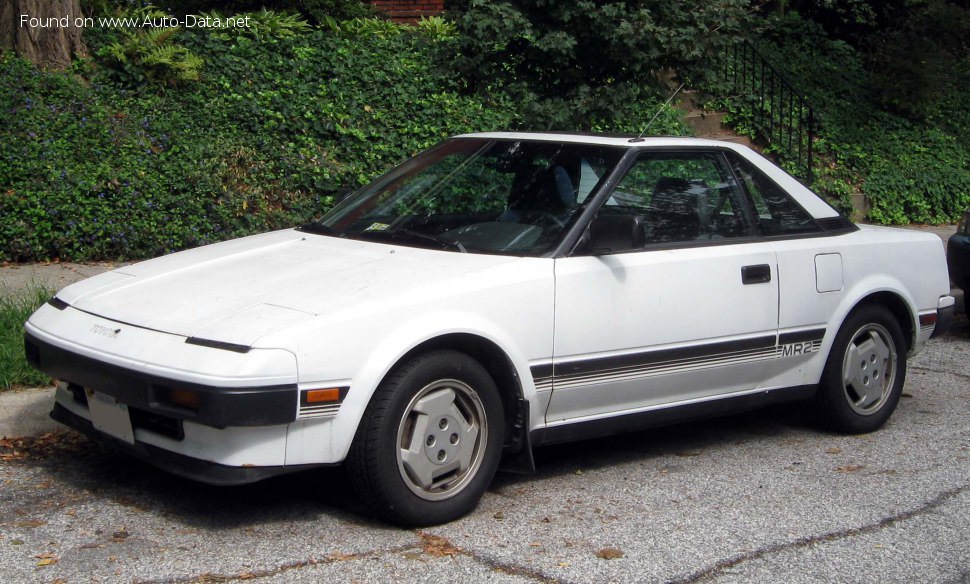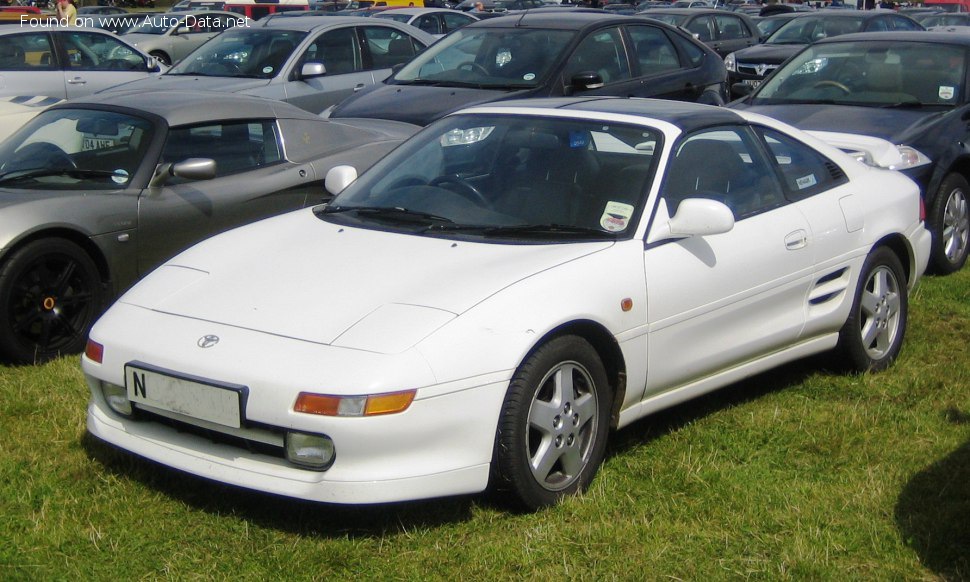
The Toyota MR2 (W20) 2.0i Turbo GT, produced from 1989 to 1999, represents the pinnacle of the second-generation MR2 lineup. This variant, positioned as the performance flagship, offered a significant increase in power and refinement compared to the naturally aspirated models. The W20 generation, built on the Toyota 85 platform, continued the MR2’s mid-engine, rear-wheel-drive layout, emphasizing handling and driver engagement. The 2.0i Turbo GT was aimed at enthusiasts seeking a sporty, compact coupe with genuine performance capabilities.
Powertrain & Engine Architecture
The heart of the 2.0i Turbo GT is the 3S-GTE engine, a 2.0-liter (1998 cc) inline-four cylinder powerplant. This engine is a highly regarded unit known for its robust construction and tuning potential. The 3S-GTE utilizes a multi-port fuel injection system, delivering precise fuel metering for optimal combustion. A key feature is its CT26 turbocharger, which provides significant boost, contributing to the engine’s 208 horsepower at 6000 rpm and 275 Nm (202.83 lb-ft) of torque at 3200 rpm. The engine boasts a compression ratio of 8.8:1 and a DOHC (Dual Overhead Camshaft) valvetrain with four valves per cylinder, enhancing breathing and overall efficiency.
The 3S-GTE engine block is constructed from cast iron, providing excellent durability. The cylinder head is made of aluminum alloy, helping to reduce weight. Internally, the engine features forged connecting rods and piston rings, designed to withstand the increased stresses associated with turbocharging. The turbocharger itself is an integral part of the engine’s design, utilizing an intercooler to cool the compressed intake air, further increasing power and reducing the risk of detonation. The engine’s transverse mounting within the chassis contributes to the car’s balanced weight distribution.
Transmission
The 2.0i Turbo GT was exclusively offered with a 5-speed manual transmission. This transmission was chosen to complement the engine’s power output and provide drivers with maximum control. The gearbox features close ratios, optimized for spirited driving and track use. The transmission’s robust construction ensures reliable performance even under demanding conditions. While an automatic transmission was available on other MR2 models, it was not offered with the 2.0i Turbo GT due to its performance focus.
Driving Characteristics
The MR2 2.0i Turbo GT delivers a thrilling driving experience. The combination of the turbocharged engine and rear-wheel-drive layout results in quick acceleration and responsive handling. The turbocharger provides a noticeable surge of power, particularly in the mid-range, making overtaking maneuvers effortless. The car’s relatively lightweight construction (1260 kg / 2777.82 lbs) further enhances its agility. The 5-speed manual transmission allows drivers to fully exploit the engine’s powerband, providing precise gear changes and a direct connection to the drivetrain.
Compared to the naturally aspirated MR2 models, the 2.0i Turbo GT offers a significantly more potent driving experience. While the base models prioritized fuel efficiency and affordability, the Turbo GT was designed for performance enthusiasts. The turbocharger’s boost adds a layer of complexity to the driving experience, requiring drivers to be mindful of turbo lag and power delivery. However, once the turbo spools up, the acceleration is exhilarating. The car’s handling is precise and predictable, thanks to its mid-engine layout and well-tuned suspension.
Equipment & Trim Levels
The 2.0i Turbo GT was typically well-equipped, reflecting its position as the top-of-the-line MR2 variant. Standard features included power windows, power locks, and air conditioning. The interior typically featured sport seats upholstered in a combination of cloth and leather. A leather-wrapped steering wheel and shift knob were also standard. The dashboard layout was driver-focused, with clearly marked gauges and easy-to-reach controls.
Optional extras included a premium sound system, sunroof, and upgraded wheels. Some models also featured a rear spoiler, adding to the car’s sporty appearance. The interior trim was generally minimalist, emphasizing functionality and driver engagement. The focus was on creating a performance-oriented environment, rather than luxurious appointments.
Chassis & Braking
The MR2 2.0i Turbo GT features a robust chassis designed to handle the increased power and performance. The suspension consists of independent wishbone suspension at the front and a spring-strut arrangement at the rear. This setup provides excellent handling and ride comfort. The car’s relatively short wheelbase (2400 mm / 94.49 in) contributes to its agility. Stabilizer bars are fitted to both the front and rear suspension, further reducing body roll during cornering.
Braking duties are handled by ventilated discs on all four wheels. The braking system is assisted by ABS (Anti-lock Braking System), providing enhanced stopping power and control. The hydraulic power steering provides precise and responsive steering feel. The car’s tires are typically 195/55 R15 or 225/50 R15, providing ample grip for both dry and wet conditions.
Market Reception & Comparison
The MR2 2.0i Turbo GT was generally well-received by automotive critics. It was praised for its performance, handling, and overall driving experience. However, some critics noted that the turbocharger could be prone to lag, and that the car’s handling could be challenging for inexperienced drivers. Compared to other sports cars of the era, the MR2 2.0i Turbo GT offered a unique combination of performance, affordability, and practicality.
In terms of fuel economy, the 2.0i Turbo GT achieved approximately 7.4 l/100 km (31.8 US mpg, 38.2 UK mpg). While not as fuel-efficient as the naturally aspirated models, the Turbo GT’s performance justified the slightly higher fuel consumption. Reliability was generally good, although the turbocharger and associated components required regular maintenance. The 2.0i Turbo GT was often compared to other Japanese sports cars of the era, such as the Nissan 240SX and the Mazda MX-5 Miata.
Technical Specifications
| Brand | Toyota |
| Model | MR2 |
| Generation | MR2 (W20) |
| Type | 2.0i Turbo GT |
| Production Years | 1989-1999 |
| Engine Type | Inline-4, Turbocharged |
| Engine Displacement | 1998 cm3 (121.93 cu. in.) |
| Power | 208 Hp @ 6000 rpm |
| Torque | 275 Nm (202.83 lb-ft) @ 3200 rpm |
| Compression Ratio | 8.8:1 |
| Fuel Injection | Multi-port |
| Valvetrain | DOHC, 4 valves/cylinder |
| Transmission | 5-speed Manual |
| Drive Type | Rear-Wheel Drive |
| Kerb Weight | 1260 kg (2777.82 lbs) |
| Max Weight | 1370 kg (3020.33 lbs) |
| Fuel Tank Capacity | 54 l (14.27 US gal, 11.88 UK gal) |
| Length | 4170 mm (164.17 in) |
| Width | 1695 mm (66.73 in) |
| Height | 1235 mm (48.62 in) |
| Wheelbase | 2400 mm (94.49 in) |
Legacy
The Toyota MR2 2.0i Turbo GT remains a highly sought-after sports car among enthusiasts. Its mid-engine layout, turbocharged engine, and responsive handling make it a rewarding driving experience. While some examples have suffered from neglect or modification, well-maintained Turbo GTs command a premium in the used car market. The 3S-GTE engine is known for its durability and tuning potential, making it a popular choice for performance upgrades. The MR2 2.0i Turbo GT is considered a classic of the 1990s, representing a golden age of Japanese sports car engineering. Its legacy continues to inspire automotive enthusiasts today.