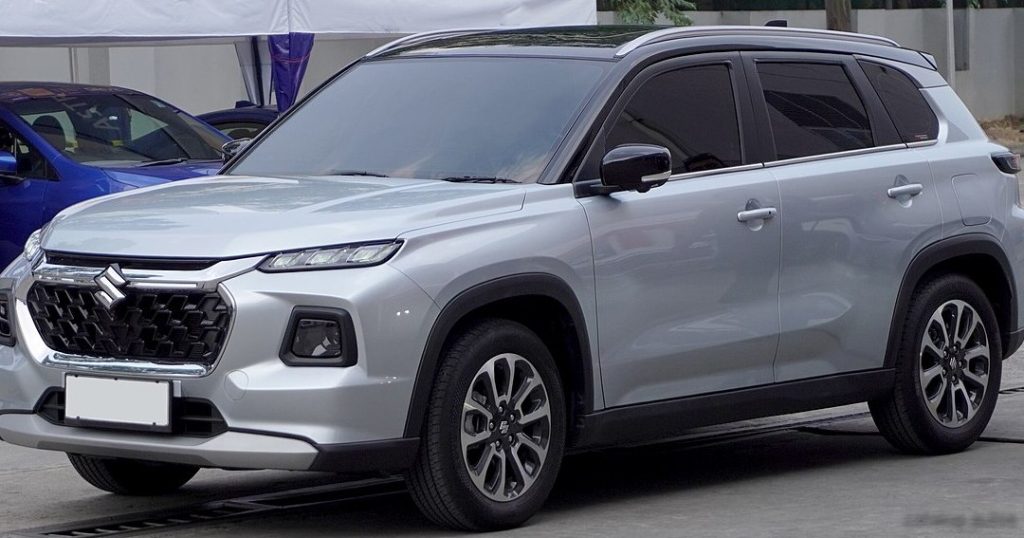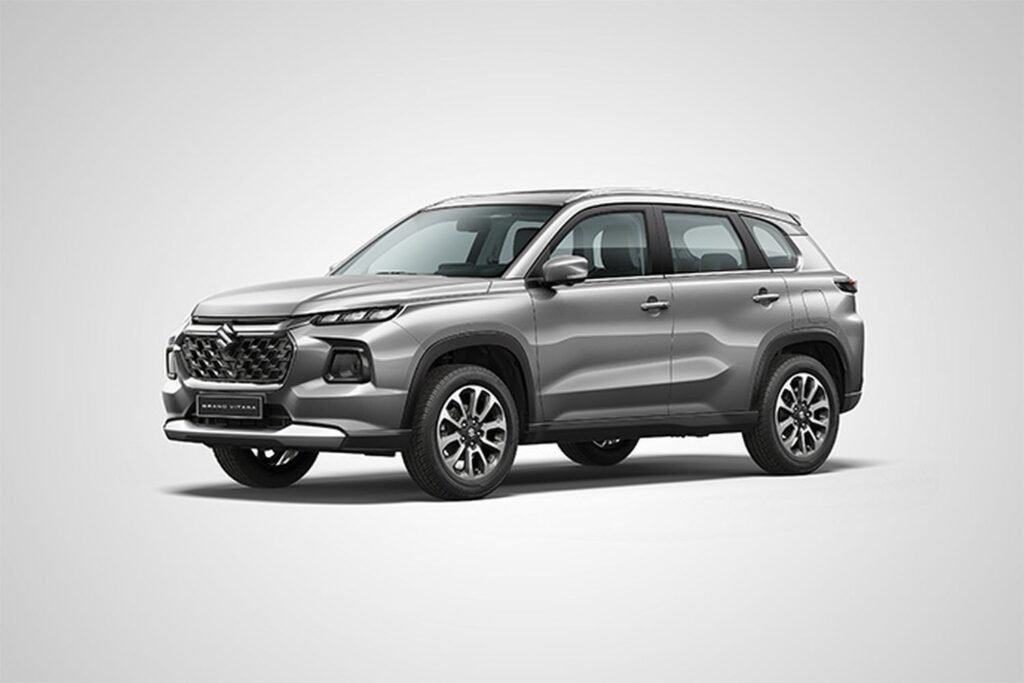
The Suzuki Grand Vitara (2022) 1.5 Hybrid e-CVT represents a significant entry point into the fourth generation of Suzuki’s popular compact SUV. Introduced in August 2022, this variant is positioned as the fuel-efficient and technologically advanced base model within the Grand Vitara lineup. Built on the 1HX0 platform, shared with the Toyota Hyryder, the 1.5 Hybrid e-CVT aims to deliver a blend of practicality, affordability, and modern hybrid technology to the American market and beyond. It serves as a key offering for buyers seeking a versatile SUV with a focus on fuel economy and reduced emissions.
Powertrain & Engine Architecture
The heart of the Grand Vitara 1.5 Hybrid e-CVT is the M15A-FXE 1.5-liter inline-3 gasoline engine. This naturally aspirated engine produces 92 horsepower at 5500 rpm and 122 Nm (89.98 lb-ft) of torque between 4400-4800 rpm. The engine features direct fuel injection, contributing to improved efficiency and reduced emissions. It boasts a power-to-liter ratio of 61.7 hp/l. The engine is paired with a synchronous electric motor, delivering an additional 80 hp at 3995 rpm and 141 Nm (104 lb-ft) of torque from 0-3995 rpm. This combination results in a total system output of 116 hp.
The “e-CVT” transmission is not a traditional continuously variable transmission, but rather a power-split device. It utilizes a planetary gearset to seamlessly blend power from the internal combustion engine and the electric motor. This system allows for smooth acceleration and optimized fuel efficiency. The transmission operates without fixed gear ratios, providing a continuously variable drive experience. The battery pack, utilizing Lithium-ion technology and operating at 177.6V, is crucial to the hybrid system’s functionality, storing energy recovered through regenerative braking and providing power to the electric motor.
Engine Code & Fuel Injection
The M15A-FXE engine code designates this specific iteration of Suzuki’s 1.5-liter three-cylinder engine, optimized for hybrid applications. The direct injection system precisely meters fuel into the combustion chamber, enhancing combustion efficiency and reducing knocking. This allows for a higher compression ratio and improved power output compared to traditional port fuel injection systems. The engine also incorporates a Start & Stop System, further contributing to fuel savings by automatically shutting off the engine when the vehicle is stationary.
Driving Characteristics
The Grand Vitara 1.5 Hybrid e-CVT offers a comfortable and efficient driving experience. While not designed for outright performance, the combined output of the engine and electric motor provides adequate acceleration for everyday driving situations. The e-CVT transmission contributes to smooth and seamless power delivery, eliminating the gearshift interruptions found in traditional automatic transmissions. The vehicle’s front-wheel-drive configuration provides predictable handling, and the relatively lightweight construction (1290-1295 kg / 2843.96 – 2854.99 lbs) enhances agility.
Compared to potential higher-trim versions with larger engines (not currently offered in the US market for this generation), the 1.5 Hybrid prioritizes fuel economy over raw power. The e-CVT is tuned for efficiency, meaning it may hold engine RPMs lower during moderate acceleration, prioritizing fuel savings. The electric motor provides a boost during initial acceleration, mitigating some of the limitations of the smaller displacement engine. The overall driving experience is geared towards urban and suburban commuting, rather than spirited driving or off-road adventures.
Equipment & Trim Levels
The 1.5 Hybrid e-CVT trim typically serves as the entry-level offering for the Grand Vitara. Standard features generally include air conditioning, power windows and locks, a touchscreen infotainment system with smartphone integration (Apple CarPlay and Android Auto), and a suite of safety features such as ABS (Anti-lock Braking System) and multiple airbags. Interior upholstery is typically cloth, and the dashboard features a functional, yet straightforward design.
Optional extras may include alloy wheels, a larger touchscreen display, a rearview camera, parking sensors, and advanced driver-assistance systems (ADAS) like adaptive cruise control and lane departure warning. Specific feature availability varies depending on the market and package options selected. The focus of this trim level is to provide a well-equipped and affordable SUV with essential features for daily use.
Chassis & Braking
The Grand Vitara 1.5 Hybrid e-CVT utilizes an independent McPherson strut suspension in the front, providing a comfortable ride and responsive handling. The rear suspension employs a torsion beam setup, which is a cost-effective and space-efficient solution. The front brakes are ventilated discs, offering good stopping power, while the rear brakes are solid discs. The steering system is a rack and pinion type, providing precise and predictable steering feel.
The vehicle is equipped with 215/60 R17 tires mounted on 17-inch wheels. The suspension tuning is geared towards comfort and ride quality, rather than sporty handling. The braking system is adequate for the vehicle’s weight and power, providing reliable stopping performance in normal driving conditions.
Market Reception & Comparison
The Suzuki Grand Vitara 1.5 Hybrid e-CVT has been generally well-received by critics for its fuel efficiency and value proposition. Its combined fuel consumption of 3.6 l/100 km (65.3 US mpg, 78.5 UK mpg, 27.8 km/l) is a significant selling point, particularly in markets with high fuel prices. Compared to other trims within the Grand Vitara lineup (if available), the 1.5 Hybrid offers the best fuel economy, albeit with slightly less power.
Its main competitors include other compact hybrid SUVs such as the Toyota Corolla Cross Hybrid and the Honda HR-V. The Grand Vitara 1.5 Hybrid often undercuts these competitors in price, making it an attractive option for budget-conscious buyers. Reliability is expected to be good, given Suzuki’s reputation for building durable vehicles, and the hybrid system benefits from Toyota’s expertise (due to the platform sharing). However, long-term reliability data is still emerging as the model is relatively new.
Technical Specifications
| Brand | Suzuki |
| Model | Grand Vitara |
| Generation | Grand Vitara (2022) |
| Type (Engine) | 1.5 (116 Hp) Hybrid e-CVT |
| Start of production | August, 2022 |
| Powertrain Architecture | FHEV (Full Hybrid Electric Vehicle) |
| Body type | SUV |
| Seats | 5 |
| Doors | 5 |
| Fuel consumption (combined) | 3.6 l/100 km (65.3 US mpg, 78.5 UK mpg, 27.8 km/l) |
| Fuel Type | Petrol (Gasoline) |
| Weight-to-power ratio | 11.1 kg/Hp, 89.9 Hp/tonne |
| Weight-to-torque ratio | 10.6 kg/Nm, 94.6 Nm/tonne |
| Battery voltage | 177.6 V |
| Battery technology | Lithium-ion (Li-Ion) |
| Electric motor power | 80 Hp @ 3995 rpm, 141 Nm @ 0-3995 rpm (104 lb.-ft.) |
| Electric motor type | Synchronous |
| System power | 116 Hp |
| Power | 92 Hp @ 5500 rpm |
| Torque | 122 Nm @ 4400-4800 rpm (89.98 lb.-ft.) |
| Engine layout | Front, Transverse |
| Engine Model/Code | M15A-FXE |
| Engine displacement | 1490 cm3 (90.93 cu. in.) |
| Number of cylinders | 3 |
| Engine configuration | Inline |
| Number of valves per cylinder | 4 |
| Fuel injection system | Direct injection |
| Engine oil capacity | 3.6 l (3.8 US qt | 3.17 UK qt) |
| Kerb Weight | 1290-1295 kg (2843.96 – 2854.99 lbs.) |
| Max. weight | 1755 kg (3869.11 lbs.) |
| Max load | 460-465 kg (1014.13 – 1025.15 lbs.) |
| Fuel tank capacity | 45 l (11.89 US gal | 9.9 UK gal) |
| Length | 4345 mm (171.06 in.) |
| Width | 1795 mm (70.67 in.) |
| Height | 1645 mm (64.76 in.) |
| Wheelbase | 2600 mm (102.36 in.) |
| Drivetrain Architecture | Front wheel drive. FHEV. ICE and electric motor drive front wheels. |
| Number of gears and type of gearbox | automatic transmission e-CVT |
| Front suspension | Independent type McPherson |
| Rear suspension | Torsion |
| Front brakes | Ventilated discs |
| Rear brakes | Disc |
| Tires size | 215/60 R17 |
Legacy
The Suzuki Grand Vitara 1.5 Hybrid e-CVT represents a step forward in Suzuki’s commitment to fuel efficiency and hybrid technology. While long-term reliability data is still being gathered, the combination of a well-established engine architecture (albeit in a new hybrid configuration) and Toyota’s hybrid system expertise suggests a promising outlook. In the used car market, this variant is expected to hold its value reasonably well, particularly as fuel prices continue to rise. Its affordability and fuel economy will likely make it a popular choice for budget-conscious buyers seeking a practical and efficient compact SUV. The powertrain’s relatively simple design should also translate to reasonable maintenance costs over the vehicle’s lifespan.