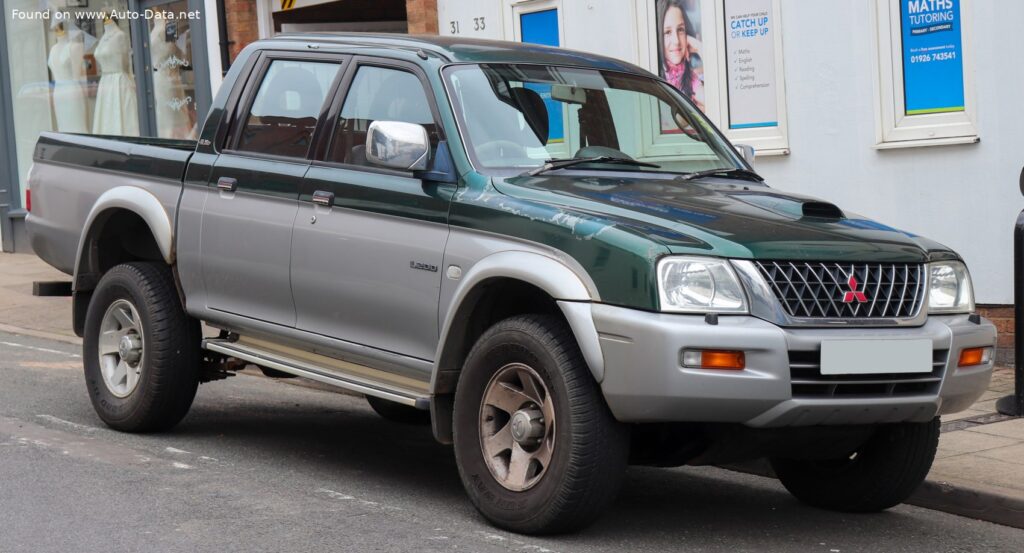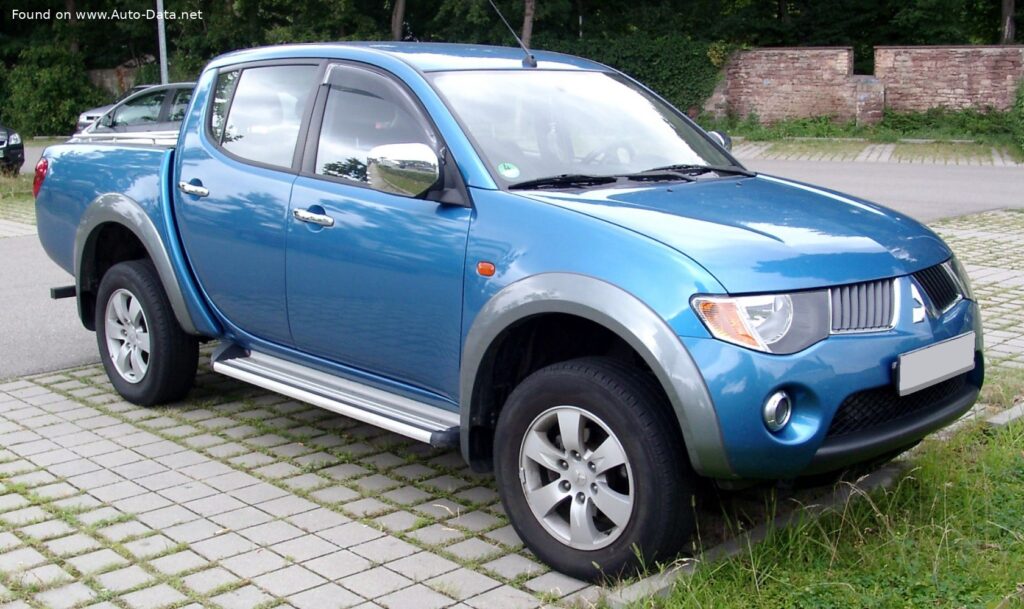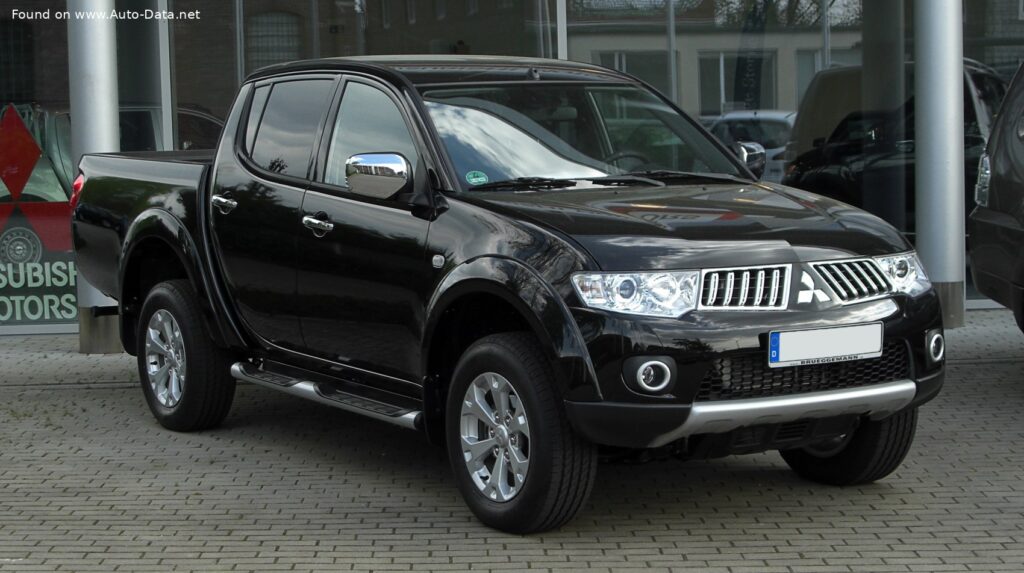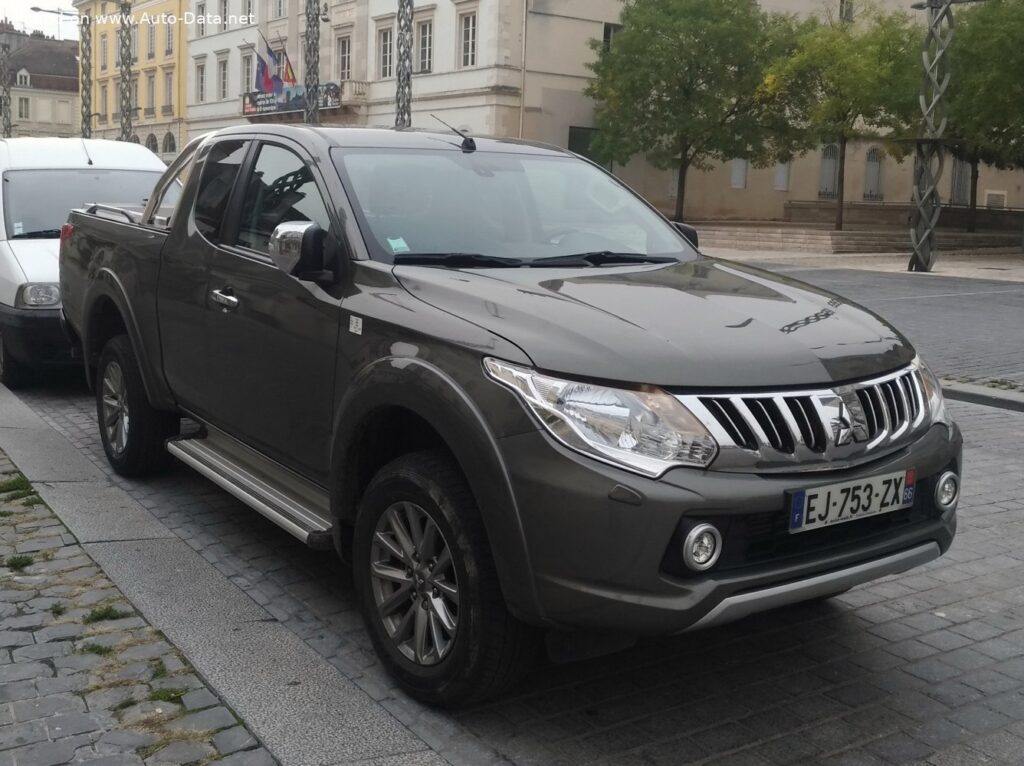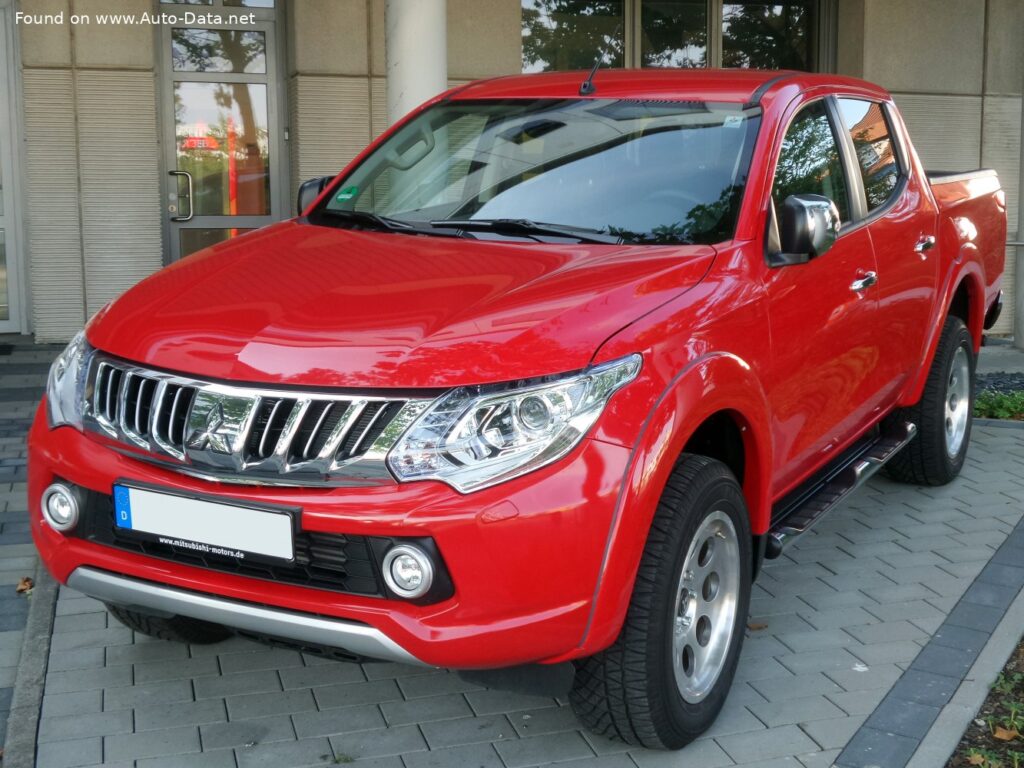
The Mitsubishi L200 V Double Cab 2.4d (154 Hp) 4WD is a four-door pickup truck produced by Mitsubishi Motors from 2015 to 2018. This variant represents a mid-range offering within the fifth generation (L200 V series) of the L200, positioned between the base models and the higher-specification trims. It was designed to appeal to buyers seeking a balance of practicality, capability, and reasonable fuel economy for both work and family use. The L200 series, known globally under various names like Triton, has been a mainstay of Mitsubishi’s lineup, offering a robust and versatile vehicle for diverse markets.
Powertrain & Engine Architecture
The heart of the L200 V Double Cab 2.4d (154 Hp) 4WD is the 4N15 2.4-liter inline-four cylinder diesel engine. This engine is a turbocharged common rail direct injection (CRDI) unit, designed for both power and efficiency. The 4N15 engine features a cast iron block and aluminum cylinder head, contributing to its durability. The turbocharger, coupled with an intercooler, helps to increase power output by forcing more air into the cylinders. The engine utilizes a Double Overhead Camshaft (DOHC) valvetrain with four valves per cylinder, optimizing gas flow for improved performance.
The fuel injection system is a sophisticated common rail system, allowing for precise control of fuel delivery and contributing to reduced emissions. The engine’s compression ratio is relatively high at 15.5:1, typical for diesel engines, which aids in efficient combustion. Engine oil capacity is 8.4 liters (8.88 US quarts / 7.39 UK quarts), and the recommended oil specification is crucial for maintaining engine health. The engine also incorporates a diesel particulate filter (DPF) to meet stringent Euro 6b emission standards.
While a six-speed manual transmission was standard for this variant, an optional five-speed automatic transmission was available in some markets. The manual transmission provides direct control and efficient power transfer, while the automatic offers convenience, particularly in urban driving conditions. The automatic transmission’s gear ratios are tuned for a balance of acceleration and fuel economy, though it generally results in slightly lower fuel efficiency compared to the manual version.
Engine Specifications
The 4N15 engine produces 154 horsepower at 3500 rpm and 380 Nm (280.27 lb-ft) of torque between 1500 and 2500 rpm. This torque output is particularly useful for towing and hauling, making the L200 a capable workhorse. The engine displacement is 2442 cm³ (149.02 cubic inches), with a cylinder bore of 86 mm (3.39 inches) and a piston stroke of 105.1 mm (4.14 inches).
Driving Characteristics
The L200 V Double Cab 2.4d (154 Hp) 4WD offers a practical and capable driving experience. The 154 hp engine, while not exceptionally powerful, provides sufficient power for everyday driving and moderate towing duties. Acceleration from 0 to 100 km/h (0-62 mph) takes approximately 12.2 seconds, and 0 to 60 mph is achieved in around 11.6 seconds. The maximum speed is rated at 169 km/h (105.01 mph).
The torque curve is relatively flat, providing good pulling power across a wide range of engine speeds. The six-speed manual transmission allows drivers to keep the engine in its optimal power band, while the optional automatic transmission offers smooth gear changes. The 4WD system provides enhanced traction on slippery surfaces, making it suitable for off-road use. However, it’s important to note that this variant is not as performance-oriented as some of the higher-output L200 models.
Equipment & Trim Levels
The L200 V Double Cab 2.4d (154 Hp) 4WD typically came equipped with a range of standard features, including air conditioning, power windows, power door locks, and a basic audio system. Safety features included ABS (Anti-lock Braking System) and driver and passenger airbags. The interior upholstery was typically cloth, with a functional and durable design.
Optional extras varied depending on the market but could include alloy wheels, a more advanced audio system with Bluetooth connectivity, a navigation system, and a reversing camera. Higher trim levels offered additional features such as leather upholstery, heated seats, and automatic climate control. The Double Cab configuration provides seating for five passengers, with a spacious rear cabin suitable for families or work crews.
Chassis & Braking
The L200 V Double Cab 2.4d (154 Hp) 4WD features a robust chassis designed to withstand the demands of both on-road and off-road driving. The front suspension utilizes a double wishbone setup, providing good ride comfort and handling. The rear suspension employs a dependent suspension system with two longitudinal semi-elliptic leaf springs, which is well-suited for carrying heavy loads.
The braking system consists of ventilated discs on the front wheels and drum brakes on the rear wheels. The ABS system helps to prevent wheel lockup during hard braking, enhancing safety. The steering is rack and pinion with electric power steering, providing precise control and ease of maneuverability. The vehicle rides on 205/80 R16 tires mounted on 6J x 16 inch wheel rims.
Market Reception & Comparison
The Mitsubishi L200 V Double Cab 2.4d (154 Hp) 4WD was generally well-received by critics as a practical and capable pickup truck. It offered a good balance of performance, fuel economy, and affordability. Fuel consumption figures were around 8.2 l/100 km (28.7 US mpg / 34.4 UK mpg) in urban conditions, 6.1 l/100 km (38.6 US mpg / 46.3 UK mpg) on the extra-urban cycle, and 6.9 l/100 km (34.1 US mpg / 40.9 UK mpg) combined. CO2 emissions were rated at 180 g/km.
Compared to other trims in the L200 lineup, the 2.4d variant offered a more economical option than the higher-powered engines, but with slightly less performance. It was often compared to competitors such as the Toyota Hilux, Nissan Navara, and Ford Ranger. The L200 generally offered a competitive price point and a reputation for reliability.
Technical Specifications
| Body Type | Pick-up |
| Engine Type | 2.4d (154 Hp) 4WD |
| Engine Displacement | 2442 cm³ (149.02 cu. in.) |
| Number of Cylinders | 4, Inline |
| Power | 154 Hp @ 3500 rpm |
| Torque | 380 Nm @ 1500-2500 rpm (280.27 lb.-ft.) |
| Fuel Type | Diesel |
| Fuel Consumption (Urban) | 8.2 l/100 km (28.7 US mpg) |
| Fuel Consumption (Extra Urban) | 6.1 l/100 km (38.6 US mpg) |
| Fuel Consumption (Combined) | 6.9 l/100 km (34.1 US mpg) |
| CO2 Emissions | 180 g/km |
| Acceleration 0-100 km/h | 12.2 sec |
| Maximum Speed | 169 km/h (105.01 mph) |
| Kerb Weight | 1855 kg (4089.57 lbs.) |
| Max. Weight | 2900 kg (6393.41 lbs.) |
| Fuel Tank Capacity | 75 l (19.81 US gal) |
| Transmission | 6-speed Manual (Optional 5-speed Automatic) |
| Drive Type | All Wheel Drive (4×4) |
Legacy
The Mitsubishi L200 V Double Cab 2.4d (154 Hp) 4WD has proven to be a relatively reliable and durable vehicle. The 4N15 engine, while not without its potential issues (such as DPF clogging), is generally considered to be a robust unit when properly maintained. In the used car market, these models represent a good value proposition for buyers seeking a practical and capable pickup truck. Regular maintenance, including oil changes and DPF servicing, is crucial for ensuring long-term reliability. The L200 continues to be a popular choice for those needing a versatile vehicle for work, family, and occasional off-road adventures.