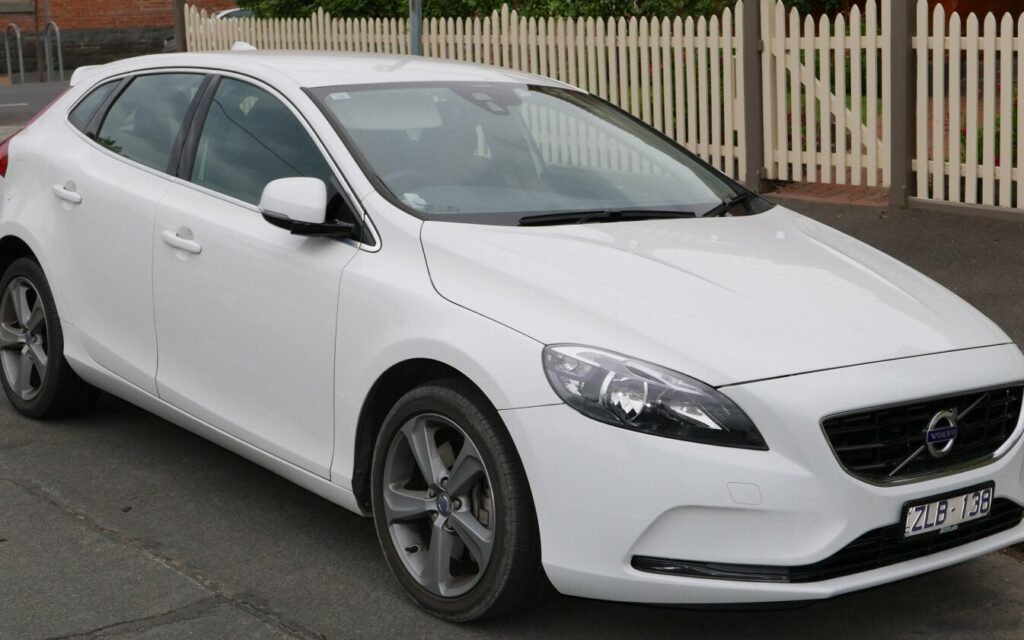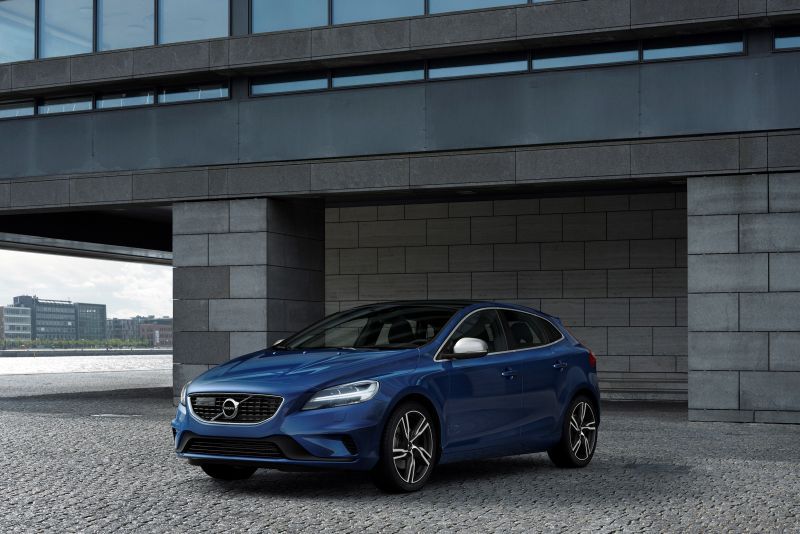
The Volvo V40 D2 2.0, produced from 2016 to 2018, represents a key variant within the second generation of Volvo’s compact hatchback. This model, part of the facelifted V40 range, was positioned as the entry-level diesel option, prioritizing fuel efficiency and affordability within the V40 lineup. Built on the Volvo C/S platform (internally designated as 1HX0), the V40 aimed to compete with premium hatchbacks like the Audi A3, BMW 1 Series, and Mercedes-Benz A-Class, offering a blend of Scandinavian design, safety features, and practical usability. The D2 2.0 was particularly aimed at buyers seeking low running costs and a comfortable daily driving experience, rather than outright performance.
Volvo V40 D2 2.0: Powertrain & Engine Architecture
The heart of the V40 D2 2.0 is the Volvo D4204T8, a 2.0-liter inline four-cylinder diesel engine. This engine is a member of Volvo’s VEA (Volvo Engine Architecture) family, designed for modularity and efficiency. The D4204T8 utilizes a common-rail direct fuel injection system, operating at a maximum pressure of 1,600 bar to ensure fine atomization of the fuel for cleaner combustion and improved power delivery. The engine is turbocharged with a single turbocharger and features an intercooler to increase air density. The valvetrain employs four valves per cylinder (16 valves total), contributing to efficient gas exchange.
While a six-speed manual transmission was standard, an optional six-speed Aisin Warner automatic transmission (TF-80SC) was also available. This automatic gearbox was known for its smooth shifts and responsiveness, though it wasn’t as sporty as some dual-clutch transmissions found in competing models. The automatic transmission was a popular choice for buyers prioritizing convenience, particularly in urban driving conditions. The engine’s output is 120 horsepower (89 kW) at 3,750 rpm and 280 Nm (206.52 lb-ft) of torque between 1,500 and 2,250 rpm. This torque curve provides good low-end responsiveness, making the D2 suitable for everyday driving.
Engine Codes and Variations
The D4204T8 engine code specifically identifies this 120 hp variant. Volvo offered other diesel options within the V40 range, including more powerful versions of the 2.0-liter engine (D3 and D4) and a 1.6-liter diesel (D2). The 1.6-liter D2 was even more focused on fuel economy, while the D3 and D4 offered increased performance at the expense of efficiency. The D4204T8 strikes a balance between these extremes, providing adequate power for most driving situations without significantly compromising fuel consumption.
Driving Characteristics
The V40 D2 2.0, particularly when equipped with the manual transmission, offers a reasonably engaging driving experience. However, it’s not a performance-oriented vehicle. Acceleration from 0 to 100 km/h (0-62 mph) takes approximately 10.5 seconds, and the top speed is 190 km/h (118 mph). The engine feels most comfortable in the mid-range, providing sufficient power for overtaking and merging onto highways. The automatic transmission, while smooth, can sometimes feel hesitant during quick acceleration, as it prioritizes fuel efficiency over rapid gear changes.
The gear ratios in the six-speed manual transmission are well-spaced, allowing the driver to keep the engine within its optimal torque band. The automatic transmission’s gear ratios are tuned for economy, with taller gearing in higher gears to reduce engine speed at cruising speeds. Compared to the more powerful D3 and D4 variants, the D2 feels noticeably slower, especially when fully loaded. However, for urban commuting and longer journeys where fuel economy is a priority, the D2’s performance is perfectly adequate.
Equipment & Trim Levels
The V40 D2 2.0 was available in several trim levels, typically including ES, SE, and R-Design. The base ES trim offered a respectable level of standard equipment, including alloy wheels, air conditioning, a leather-wrapped steering wheel, and a basic audio system. The SE trim added features such as rear parking sensors, cruise control, and upgraded upholstery. The R-Design trim, the sportiest option, included a more aggressive body kit, sport suspension, and unique interior trim.
Optional extras included a panoramic sunroof, leather seats, a premium audio system, and Volvo’s Sensus Connect infotainment system with a 7-inch touchscreen display. Safety features were a strong point for the V40, with all models equipped with City Safety, Volvo’s autonomous braking system, as standard. Other available safety features included lane departure warning, blind spot monitoring, and adaptive cruise control.
Chassis & Braking
The V40 D2 2.0 utilizes a McPherson strut front suspension and an independent coil spring rear suspension. The suspension is tuned for comfort, providing a smooth ride over most road surfaces. The R-Design trim featured a stiffer suspension setup for more dynamic handling. The front brakes are ventilated discs, while the rear brakes are solid discs. Anti-lock braking system (ABS) and electronic brakeforce distribution (EBD) are standard on all models. The V40’s steering is electrically assisted, providing light and precise steering feel. Stabilizer bars are fitted to both the front and rear axles to reduce body roll during cornering.
Market Reception & Comparison
The Volvo V40 D2 2.0 was generally well-received by critics for its fuel efficiency, comfortable ride, and strong safety credentials. However, some reviewers criticized its relatively modest performance and its interior, which, while well-built, was considered less modern than some of its competitors. Fuel economy was a major selling point, with the V40 D2 achieving a combined fuel consumption of 3.4 l/100 km (69.2 US mpg).
Compared to the more powerful V40 D3 and D4 variants, the D2 offered significantly better fuel economy but at the expense of performance. The D3 and D4 were better suited for drivers who frequently travel long distances or enjoy a more engaging driving experience. In terms of reliability, the V40 D2 has proven to be generally reliable, although some owners have reported issues with the diesel particulate filter (DPF) and the electronic parking brake.
Technical Specifications
| Engine Model/Code | D4204T8 |
| Engine Displacement | 1969 cm3 (120.16 cu. in.) |
| Number of Cylinders | 4, Inline |
| Fuel Type | Diesel |
| Power | 120 Hp @ 3750 rpm |
| Torque | 280 Nm @ 1500-2250 rpm (206.52 lb.-ft.) |
| Compression Ratio | 16:1 |
| Fuel Injection System | Diesel Commonrail |
| Turbocharger | Single Turbo with Intercooler |
| Transmission | 6-speed Manual or 6-speed Automatic (Aisin Warner TF-80SC) |
| Drive Wheels | Front Wheel Drive |
| Kerb Weight | 1486 kg (3276.07 lbs.) |
| Maximum Speed | 190 km/h (118.06 mph) |
| 0-100 km/h | 10.5 sec |
| Fuel Consumption (Combined) | 3.4 l/100 km (69.2 US mpg, 83.1 UK mpg) |
| CO2 Emissions | 89 g/km |
| Fuel Tank Capacity | 62 l (16.38 US gal, 13.64 UK gal) |
| Trunk Space (Minimum) | 335 l (11.83 cu. ft.) |
| Trunk Space (Maximum) | 1500 l (52.97 cu. ft.) |
Legacy
The Volvo V40 D2 2.0 remains a popular choice in the used car market, particularly for buyers seeking a fuel-efficient and reliable compact hatchback. The D4204T8 engine has proven to be durable, and with regular maintenance, it can provide many years of reliable service. However, potential buyers should be aware of the potential for DPF issues, particularly if the vehicle has been primarily used for short journeys. The V40’s strong safety credentials and comfortable ride continue to appeal to a wide range of buyers. While it may not be the most exciting car to drive, the V40 D2 2.0 offers a practical and economical solution for everyday transportation.