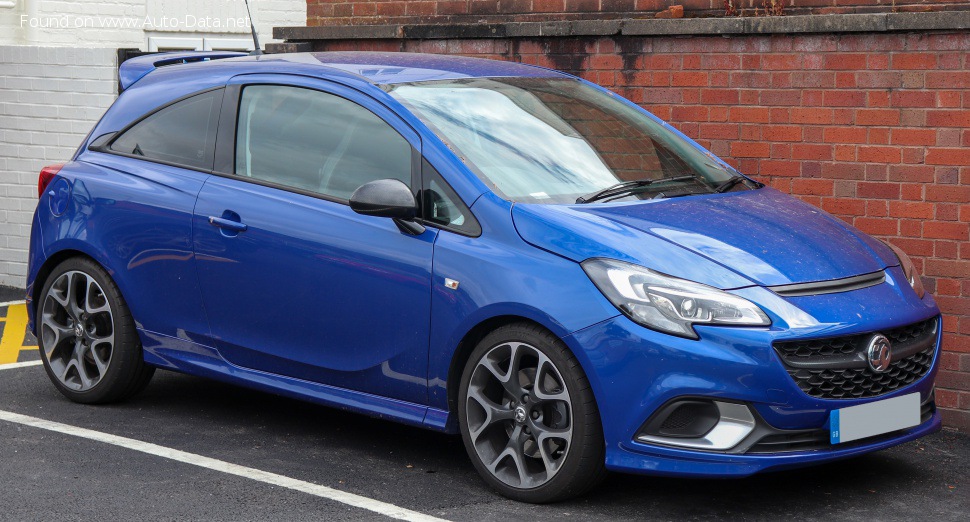
The Vauxhall Corsa E 1.3 CDTi ecoFLEX (95 hp) start/stop, produced from November 2014 to June 2018, represented an entry-level diesel option within the fifth generation of the Corsa (Corsa E). Positioned as a fuel-efficient and economical choice, it targeted buyers prioritizing low running costs over outright performance. This variant utilized a small-displacement diesel engine paired with a five-speed manual transmission, aiming to deliver competitive fuel economy within the subcompact hatchback segment. The Corsa E itself was built on the General Motors Gamma II platform, shared with other Opel/Vauxhall and Chevrolet models.
Powertrain & Engine Architecture
The heart of the Corsa E 1.3 CDTi ecoFLEX is the B13DTE engine, a 1.3-liter inline-four cylinder diesel engine. This engine is a member of the Fiat-sourced Small Diesel Engine (SDE) family, developed jointly by General Motors and Fiat. It features a turbocharged common rail direct injection system, delivering fuel directly into the combustion chamber at extremely high pressure. The engine’s displacement is 1248 cm³ (76.16 cubic inches), and it boasts a relatively high compression ratio of 16.25:1, contributing to its efficiency. The engine utilizes four valves per cylinder, operated by a single overhead camshaft. The turbocharger, coupled with an intercooler, helps to increase power output and improve combustion efficiency. The engine produces 95 horsepower at 3750 rpm and 190 Nm (140.14 lb-ft) of torque between 1500 and 3500 rpm. The five-speed manual transmission was the sole gearbox option for this specific variant, chosen to maximize fuel economy and keep costs down.
Fuel Injection and Turbocharging
The common rail direct injection system is a key component of the engine’s efficiency. This system allows for precise control over fuel delivery, optimizing combustion and reducing emissions. The turbocharger provides forced induction, increasing the amount of air entering the engine and allowing it to produce more power from its small displacement. The intercooler cools the compressed air from the turbocharger, further increasing its density and improving combustion efficiency. The Start & Stop system, standard on this ecoFLEX model, automatically shuts off the engine when the vehicle is stationary (e.g., at traffic lights) to conserve fuel and reduce emissions.
Driving Characteristics
The Corsa E 1.3 CDTi ecoFLEX, with its 95 hp output and five-speed manual transmission, offered a practical but not particularly sporty driving experience. Acceleration from 0 to 62 mph (0-100 km/h) took approximately 11.9 seconds, and the top speed was 113.09 mph (182 km/h). The engine’s torque peak, available from 1500 rpm, provided adequate pulling power for everyday driving situations, such as overtaking and climbing hills. However, it lacked the responsiveness of higher-output versions of the Corsa E, such as those equipped with the 1.0-liter turbocharged gasoline engine. The gear ratios were optimized for fuel efficiency, with a relatively long fifth gear designed to reduce engine speed at highway cruising speeds. Compared to the petrol variants, the diesel offered significantly better fuel economy, but at the expense of refinement and performance. The manual transmission provided a more engaging driving experience than an automatic, but required more driver involvement.
Equipment & Trim Levels
The 1.3 CDTi ecoFLEX trim typically served as a base-level offering, focusing on essential features and affordability. Standard equipment generally included air conditioning, power steering, electric front windows, a basic audio system with USB connectivity, and ABS brakes. Safety features such as electronic stability control (ESP) and multiple airbags were also standard. Interior upholstery was typically cloth, and the dashboard featured a functional but relatively simple design. Optional extras included alloy wheels, upgraded audio systems, parking sensors, and a touchscreen infotainment system. Higher trim levels of the Corsa E, such as the Energy or Design trims, offered more luxurious features and styling enhancements, but came at a higher price point. The ecoFLEX trim specifically emphasized fuel-saving technologies and was often identified by subtle badging.
Chassis & Braking
The Corsa E 1.3 CDTi ecoFLEX utilized a McPherson strut independent suspension system at the front, providing a comfortable ride and decent handling. The rear suspension was a semi-independent torsion beam setup, which was a cost-effective solution that offered a reasonable balance between ride comfort and handling. Front brakes were ventilated discs, while rear brakes were typically solid discs. ABS (Anti-lock Braking System) was standard, enhancing braking performance and safety. The steering system was a rack and pinion type, providing precise and responsive steering feel. The weight of the vehicle, ranging from 1120 to 1199 kg (2469.18 – 2643.34 lbs), was relatively low, contributing to its fuel efficiency and agility. Tire sizes typically ranged from 185/70 R14 to 185/65 R15, depending on the specific wheel size.
Market Reception & Comparison
The Vauxhall Corsa E 1.3 CDTi ecoFLEX was generally well-received by critics for its impressive fuel economy and low running costs. It was often praised as a sensible and practical choice for urban commuters and those seeking an economical vehicle. However, it was also criticized for its relatively modest performance and lack of refinement compared to some of its rivals. Compared to the petrol-powered Corsa E models, the 1.3 CDTi ecoFLEX offered significantly better fuel economy – achieving up to 71.3 US mpg (85.6 UK mpg) on the combined cycle – but at the expense of acceleration and engine noise. Compared to other diesel-powered subcompact hatchbacks, such as the Volkswagen Polo 1.6 TDI, the Corsa E 1.3 CDTi ecoFLEX offered a competitive price point and comparable fuel economy, but may have lacked the perceived build quality and refinement of the Volkswagen. Reliability reports generally indicated that the 1.3 CDTi engine was reasonably reliable, although some owners reported issues with the diesel particulate filter (DPF).
Technical Specifications
| Brand | Vauxhall |
| Model | Corsa |
| Generation | Corsa E |
| Type | 1.3 CDTi ecoFLEX (95 Hp) start/stop |
| Start of production | November, 2014 |
| End of production | June, 2018 |
| Engine Displacement | 1248 cm³ (76.16 cu. in.) |
| Engine Layout | Inline-4 |
| Fuel Type | Diesel |
| Power | 95 Hp @ 3750 rpm |
| Torque | 190 Nm (140.14 lb.-ft.) @ 1500-3500 rpm |
| Transmission | 5-speed Manual |
| Drive Type | Front Wheel Drive |
| Acceleration 0-62 mph | 11.9 sec |
| Top Speed | 182 km/h (113.09 mph) |
| Fuel Consumption (Combined) | 3.3 l/100 km (71.3 US mpg, 85.6 UK mpg) |
| CO2 Emissions | 87 g/km |
| Kerb Weight | 1120-1199 kg (2469.18 – 2643.34 lbs.) |
| Fuel Tank Capacity | 45 l (11.89 US gal, 9.9 UK gal) |
Legacy
The Corsa E 1.3 CDTi ecoFLEX remains a popular choice in the used car market, particularly for buyers seeking an affordable and fuel-efficient vehicle. The 1.3-liter diesel engine, while not known for its performance, has proven to be relatively durable and reliable, provided it has been properly maintained. Regular servicing, including oil changes and DPF maintenance, is crucial to ensure the longevity of the engine. Potential buyers should be aware of the potential for DPF issues, particularly if the vehicle has been primarily used for short journeys. Overall, the Corsa E 1.3 CDTi ecoFLEX represents a practical and economical option for those seeking a small, fuel-efficient hatchback.