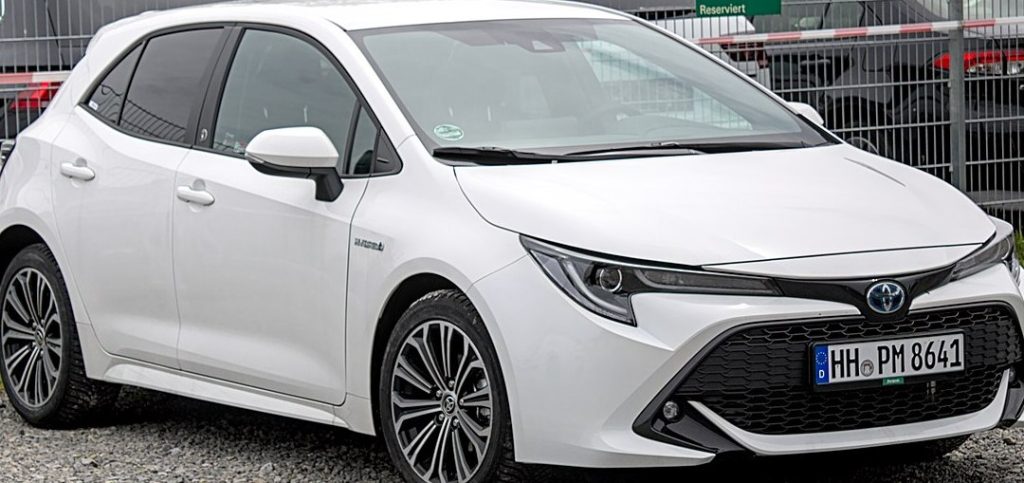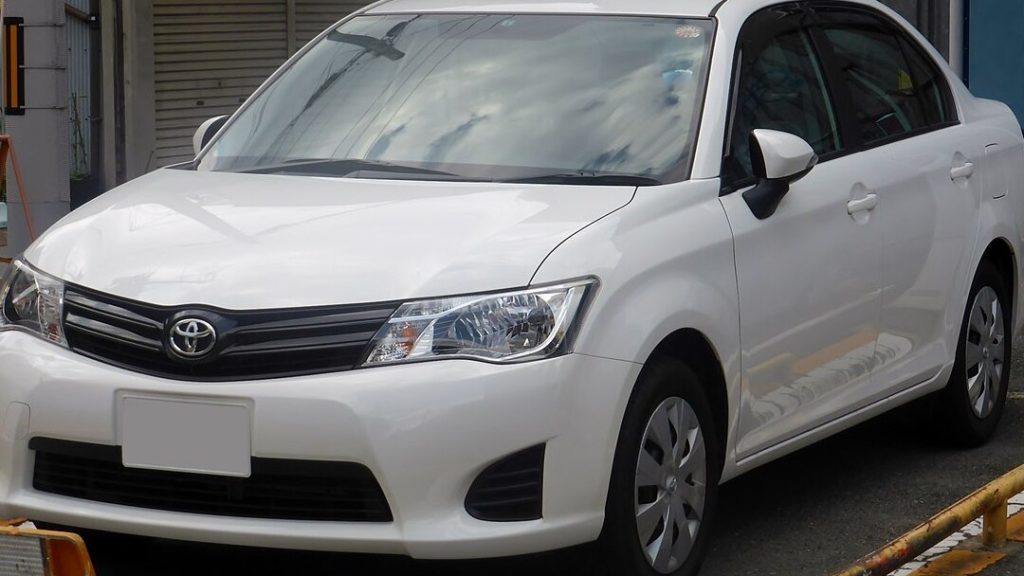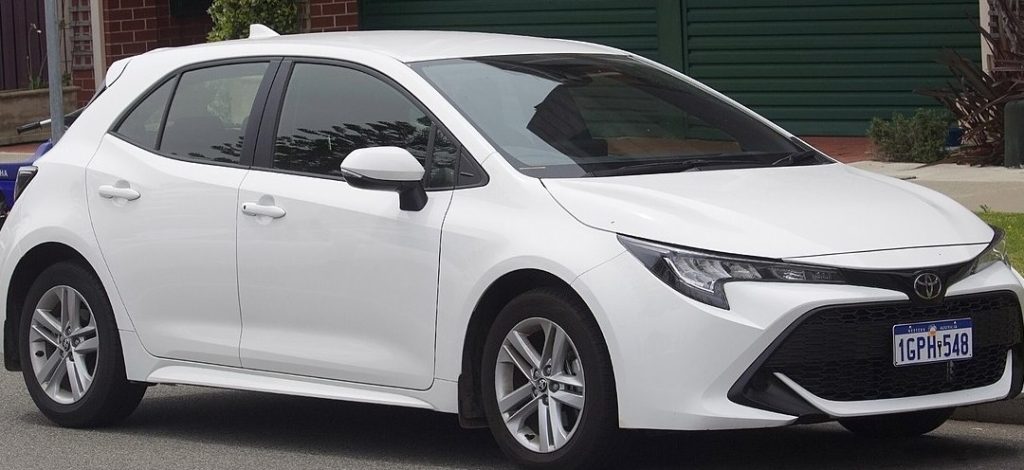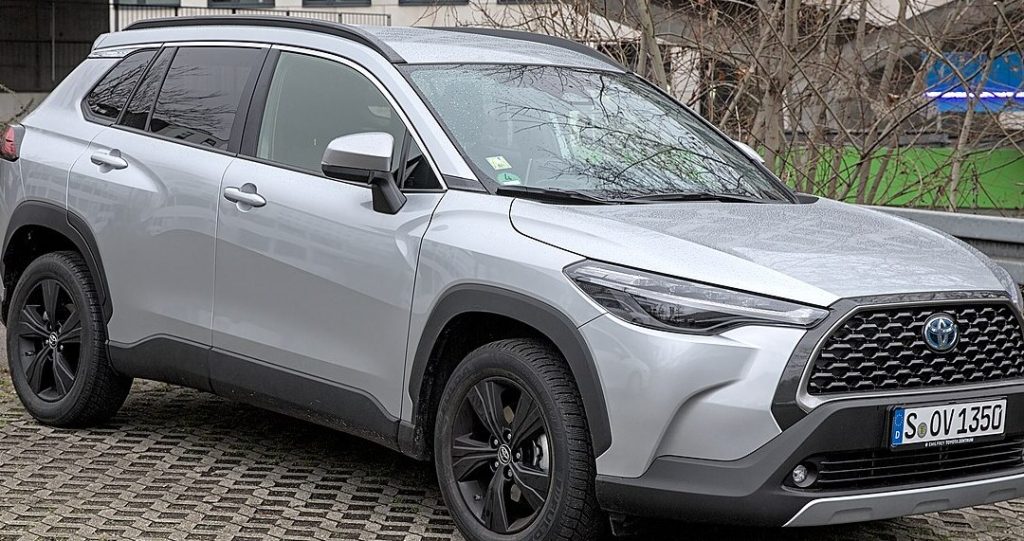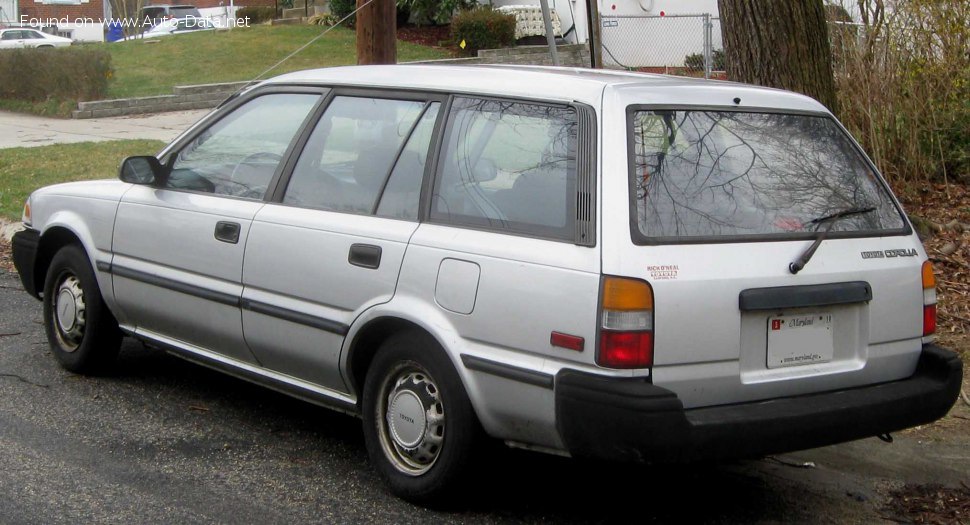
The Toyota Corolla Wagon VI (E90) 1.6 XLI, produced between 1989 and 1992, represented a practical and affordable option within the sixth generation (E90) Corolla lineup. This variant, characterized by its 105 horsepower 1.6-liter engine and typically paired with an automatic transmission, served as a mid-range offering, positioned between the base models and the slightly more powerful LE trims. The E90 generation marked a significant step forward for the Corolla, offering improved styling, comfort, and reliability compared to its predecessors. The wagon body style, popular in many markets, provided increased cargo capacity, making it a favored choice for families and those requiring versatile transportation.
The 1.6 XLI: Positioning and Market Role
The 1.6 XLI trim occupied an important space in the E90 Corolla wagon range. While base models often featured smaller displacement engines and fewer amenities, the 1.6 XLI offered a noticeable power increase and a more comprehensive list of standard features. It was aimed at buyers who desired a balance between fuel efficiency, practicality, and a reasonable level of comfort. Compared to the top-of-the-line LE models, the XLI typically lacked some of the more luxurious options, such as upgraded upholstery or premium sound systems, making it a more accessible option for a wider range of consumers. In the North American market, where wagons were less popular than sedans, the E90 wagon was often positioned as a niche offering, appealing to those specifically seeking the added cargo space.
Powertrain & Engine Architecture
The heart of the 1.6 XLI was the 4A-F engine, a 1.6-liter (1587 cc) inline-four cylinder gasoline engine. This engine was a cornerstone of Toyota’s reliability during the late 1980s and early 1990s. It featured a single overhead camshaft (SOHC) valvetrain with eight valves (two per cylinder). The 4A-F engine utilized a multi-point fuel injection system, contributing to improved fuel efficiency and smoother operation compared to earlier carbureted designs. The engine’s block was constructed from cast iron, while the cylinder head was made of aluminum, helping to reduce weight. The 105 hp output was achieved at 6,000 rpm, with peak torque of approximately 100 lb-ft at 4,800 rpm.
The automatic transmission typically paired with the 1.6 XLI was a three-speed unit. While not offering the performance or fuel efficiency of modern transmissions, it provided convenient and relatively smooth shifting for everyday driving. The transmission’s gear ratios were optimized for fuel economy and comfortable cruising, rather than outright acceleration. The automatic transmission was a key selling point for many buyers, particularly those who preferred the ease of use over a manual gearbox. The transmission was electronically controlled, offering improved shift quality and responsiveness compared to earlier hydraulically controlled units.
Driving Characteristics
The driving experience in the 1.6 XLI Corolla Wagon was characterized by its practicality and ease of use. Acceleration was adequate for most driving situations, but it wasn’t particularly sporty. The 0-60 mph time was estimated to be around 11-12 seconds, which was typical for a vehicle in this class during the early 1990s. The automatic transmission contributed to a relaxed driving experience, with smooth shifts and predictable performance. Compared to the manual transmission versions of the 1.6, the automatic resulted in a slight decrease in fuel economy and acceleration. However, the convenience of the automatic often outweighed these drawbacks for many drivers. The suspension was tuned for comfort, providing a relatively smooth ride over uneven road surfaces. Handling was predictable and safe, but not particularly engaging. The wagon’s increased weight compared to the sedan version did slightly impact handling, making it feel a bit less nimble.
Equipment & Trim Levels
The 1.6 XLI trim level included a number of standard features designed to enhance comfort and convenience. These typically included cloth upholstery, a basic AM/FM radio, and power steering. Air conditioning was often standard, though it could be optional in some markets. The dashboard layout was functional and straightforward, with easy-to-read gauges and well-placed controls. Optional extras available for the 1.6 XLI included upgraded sound systems, power windows and locks, and a sunroof. The interior trim was generally durable and practical, designed to withstand the rigors of daily use. The wagon’s rear seats could be folded down to create a larger cargo area, further enhancing its versatility. The XLI trim generally featured color-keyed bumpers and body side moldings, adding a touch of visual appeal.
Chassis & Braking
The E90 Corolla Wagon utilized a front-engine, front-wheel-drive layout. The suspension consisted of MacPherson struts in the front and a torsion beam axle in the rear. This suspension setup provided a good balance between ride comfort and handling. The steering was a rack-and-pinion system, offering precise and responsive steering feel. The braking system featured disc brakes in the front and drum brakes in the rear. While the drum brakes in the rear were less effective than disc brakes, they were sufficient for the vehicle’s weight and performance. The braking system was not equipped with ABS (Anti-lock Braking System) as standard, although it may have been available as an option in some markets. Stabilizer bars were included in both the front and rear suspension to reduce body roll during cornering.
Market Reception & Comparison
The Toyota Corolla Wagon VI (E90) 1.6 XLI generally received positive reviews from automotive critics. It was praised for its reliability, fuel efficiency, and practicality. Critics noted that the 1.6-liter engine provided adequate power for most driving situations, and the automatic transmission offered a convenient and comfortable driving experience. Compared to other wagons in its class, such as the Ford Escort Wagon or the Volkswagen Jetta Wagon, the Corolla Wagon was often seen as being more reliable and fuel-efficient. However, some critics noted that the interior was somewhat basic and lacked the refinement of some of its competitors. Fuel economy was a strong point, with the 1.6 XLI typically achieving around 28-32 mpg in combined driving. Reliability was exceptional, with many E90 Corollas exceeding 200,000 miles with proper maintenance.
Technical Specifications
| Engine Type | 1.6L Inline-4 Cylinder Gasoline |
| Engine Code | 4A-F |
| Displacement | 1587 cc (96.8 cu in) |
| Horsepower | 105 hp @ 6,000 rpm |
| Torque | 100 lb-ft @ 4,800 rpm |
| Fuel System | Multi-point Fuel Injection |
| Valvetrain | SOHC, 8 Valves |
| Transmission | 3-Speed Automatic |
| Drivetrain | Front-Wheel Drive |
| Front Suspension | MacPherson Strut |
| Rear Suspension | Torsion Beam |
| Front Brakes | Disc |
| Rear Brakes | Drum |
| Fuel Tank Capacity | 50 liters (13.21 US gallons) |
| Engine Oil Capacity | 3.2 liters (3.38 US quarts) |
| Coolant Capacity | 5.2 liters (5.49 US quarts) |
Legacy
The Toyota Corolla Wagon VI (E90) 1.6 XLI has earned a reputation as a durable and reliable vehicle. Even today, well-maintained examples can be found on the used car market, often with surprisingly high mileage. The 4A-F engine is known for its longevity and relatively low maintenance costs. Parts availability remains good, making it relatively easy to keep these vehicles on the road. While not a particularly collectible car, the E90 Corolla Wagon holds a special place in the hearts of many owners who appreciate its practicality, reliability, and affordability. The 1.6 XLI variant, in particular, represents a sweet spot in the lineup, offering a good balance of features and performance. Its enduring reputation for dependability continues to make it a viable option for budget-conscious buyers seeking a practical and reliable wagon.