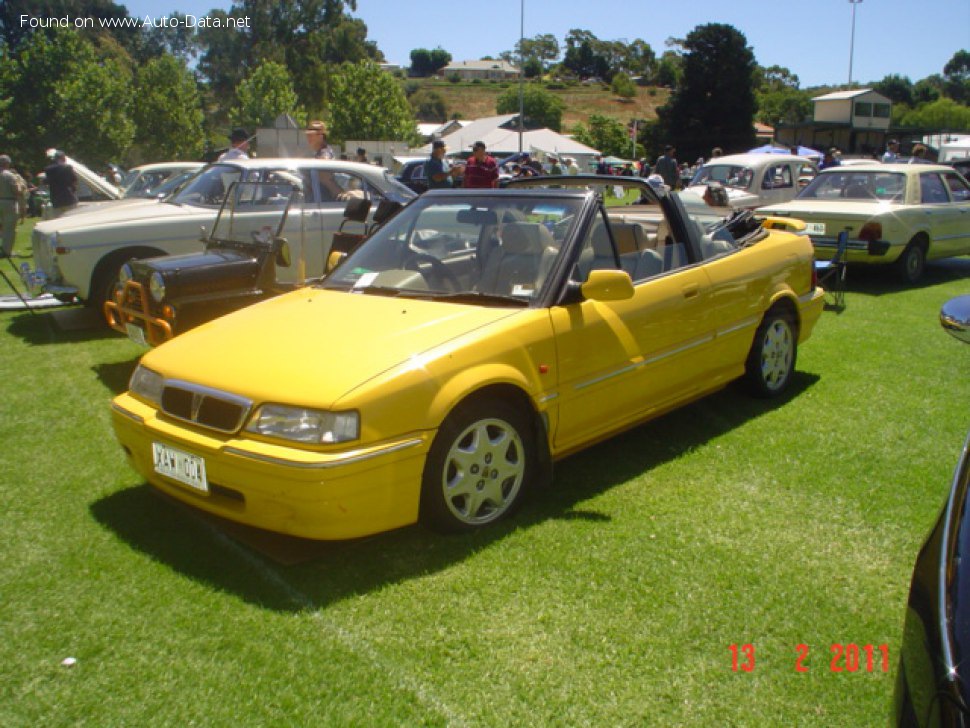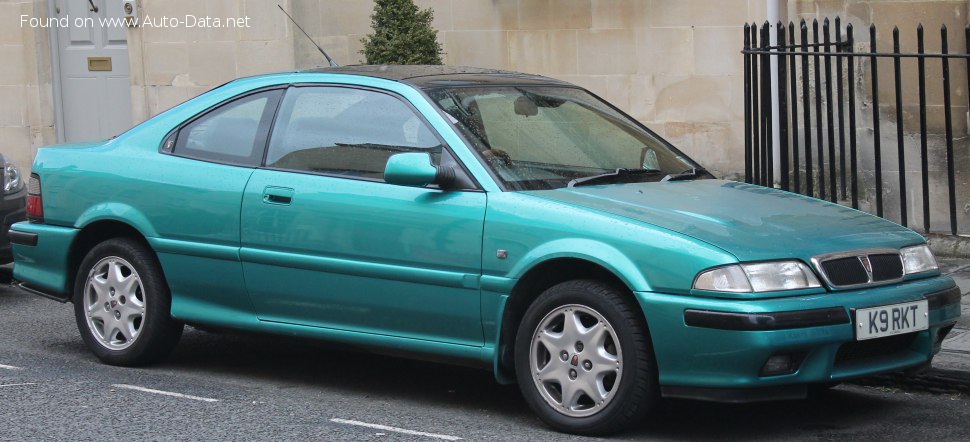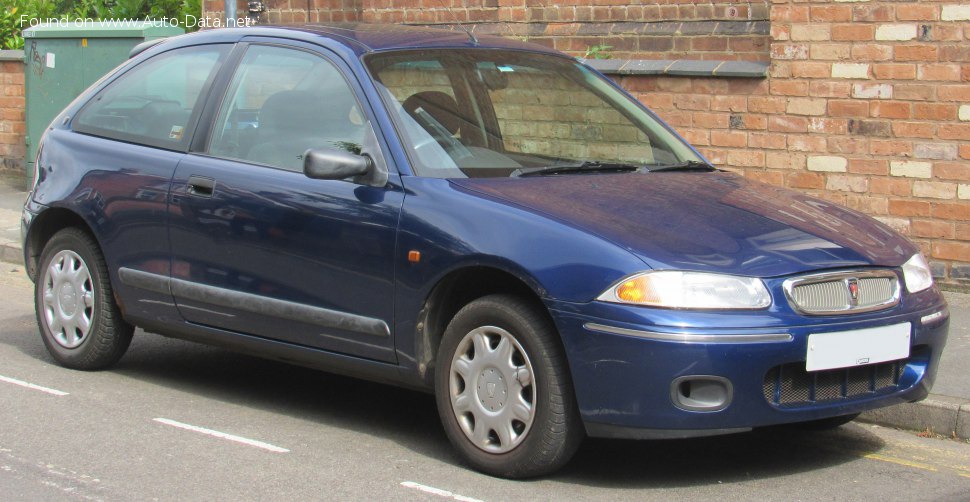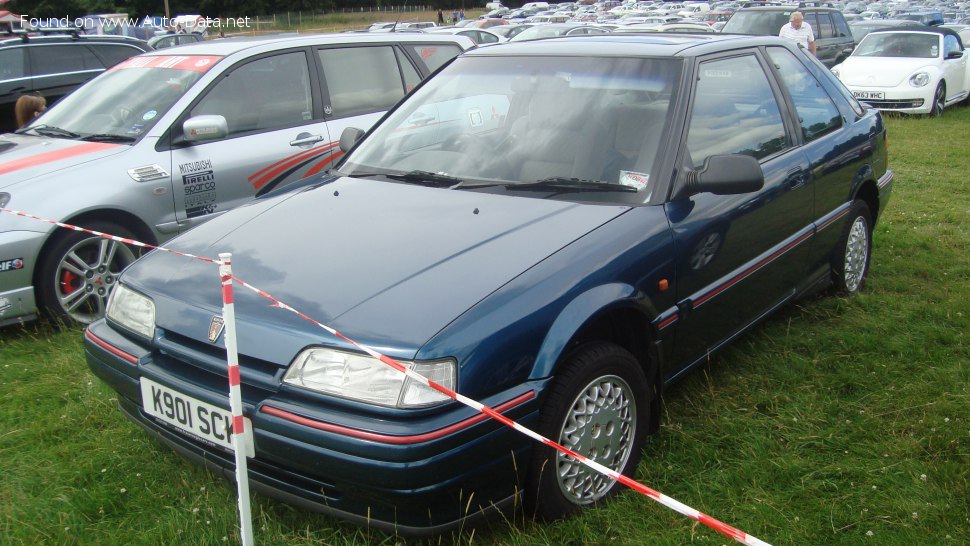
The Rover 200 (XW) generation, produced between 1989 and 1995, marked a significant period for the British automotive manufacturer Rover. Developed in collaboration with Honda, the XW series was a compact family car designed to compete in the European C-segment. While the majority of the range prioritized practicality and refinement, Rover aimed to introduce a performance element with the Rover 200 (XW) 220 Turbo (200 hp). Launched in 1993 and produced until 1995, this variant served as the performance flagship of the 200 series, reflecting Rover’s ambition to challenge established hot hatch competitors from Germany and Japan. Sold exclusively in European markets, particularly the United Kingdom, the 220 Turbo was a potent, front-wheel-drive three-door hatchback aimed at enthusiasts, offering a blend of speed and Rover’s traditional sophistication.
Powertrain & Engine Architecture
The Rover 200 (XW) 220 Turbo was powered by Rover’s K-Series derived 2.0-liter, 16-valve turbocharged inline-four engine. This engine was notable for its high output in a compact car. With a displacement of 1994 cm3 (121.68 cu. in.), the engine featured a double overhead camshaft (DOHC) valvetrain and multi-port fuel injection for precise fuel delivery. The key component was the Garrett T25 turbocharger, which significantly boosted power, transforming the car from a standard hatchback into a performance machine.
The engine produced 200 horsepower at 6100 rpm, resulting in a specific output of 100.3 horsepower per liter – a remarkable figure for a production car in the early 1990s. Torque peaked at 174.8 lb.-ft. (237 Nm) at 2100 rpm, providing excellent mid-range acceleration and responsiveness. This power was delivered to the front wheels via a five-speed manual transmission, offering direct driver engagement.
Fuel Injection and Valvetrain
The K-Series engine utilized a Bosch Motronic fuel injection system, carefully calibrated to work with the turbocharger. This system ensured optimal air-fuel ratios across the engine’s operating range, maximizing power and efficiency. The DOHC valvetrain, with four valves per cylinder, allowed for efficient cylinder filling and exhaust scavenging, contributing to the engine’s high-revving nature. The engine block itself was constructed from cast iron, providing durability, while the cylinder head was made from aluminum alloy to reduce weight.
Driving Characteristics
The Rover 200 (XW) 220 Turbo offered a distinctly sporty driving experience. The low-end torque from the turbocharger provided strong acceleration from relatively low engine speeds, making it tractable in everyday driving. As the turbo spooled up, the power delivery became more aggressive, resulting in a noticeable surge of acceleration. The five-speed manual transmission was well-matched to the engine’s powerband, allowing drivers to keep the engine in its optimal operating range. Compared to naturally aspirated versions of the Rover 200, the 220 Turbo offered significantly improved acceleration and overall performance. While the standard 200 models focused on comfort and fuel economy, the 220 Turbo prioritized driver engagement and speed.
The car’s handling was also improved over the standard models, thanks to a stiffer suspension setup and a quicker steering ratio. However, the front-wheel-drive layout meant that torque steer could be experienced under hard acceleration, particularly on slippery surfaces. Overall, the 220 Turbo provided a fun and engaging driving experience, making it a popular choice among enthusiasts.
Equipment & Trim Levels
The Rover 200 (XW) 220 Turbo was typically equipped with a range of features designed to enhance its sporty character. Standard equipment included sport seats with enhanced bolstering, a leather-wrapped steering wheel, and a unique instrument cluster with additional gauges. Alloy wheels were also standard, along with a rear spoiler and subtle body styling enhancements. Interior trim was generally dark in color, with a focus on creating a sporty and modern atmosphere. Optional extras included air conditioning, electric windows, and a sunroof. The 220 Turbo occupied the top position in the Rover 200 lineup, offering a more comprehensive equipment list than the lower-spec models.
Chassis & Braking
The Rover 200 (XW) 220 Turbo utilized a MacPherson strut front suspension and a torsion beam rear suspension. The suspension was tuned to provide a firmer ride than the standard 200 models, improving handling and stability. The front brakes were ventilated discs, while the rear brakes were typically solid discs on later models, with earlier versions utilizing drum brakes. The braking system was adequate for the car’s performance, but it lacked the sophistication of some of its competitors. The steering was a rack-and-pinion system, providing precise and responsive steering feel. The overall chassis design was relatively simple, but it proved to be robust and reliable.
Market Reception & Comparison
The Rover 200 (XW) 220 Turbo received generally positive reviews from automotive critics. It was praised for its strong performance, engaging driving experience, and relatively affordable price. However, some critics noted the car’s somewhat basic interior and the potential for torque steer. Compared to rivals such as the Volkswagen Golf GTI and the Ford Escort RS2000, the 220 Turbo offered a similar level of performance at a lower price point. Fuel economy was comparable to other hot hatches of the era, with a combined fuel consumption of around 29.8 US mpg (7.9 l/100 km). Reliability was generally good, although the K-Series engine was known to be susceptible to head gasket failure if not properly maintained. The 220 Turbo appealed to a younger audience seeking a sporty and affordable hatchback.
Technical Specifications
| Engine Type | Rover K-Series 2.0L Turbocharged Inline-Four |
| Engine Code | N/A (Specific code variations existed) |
| Displacement | 1994 cc (121.68 cu in) |
| Horsepower | 200 hp @ 6100 rpm |
| Torque | 174.8 lb-ft (237 Nm) @ 2100 rpm |
| Fuel Injection | Bosch Motronic Multi-Port Fuel Injection |
| Valvetrain | Double Overhead Camshaft (DOHC), 16 Valves |
| Turbocharger | Garrett T25 |
| Transmission | 5-Speed Manual |
| Drive Wheels | Front-Wheel Drive |
| 0-60 mph | 6.2 seconds |
| Top Speed | 146.02 mph (235 km/h) |
| Weight | 2,540 lbs (1,153 kg) (approximate) |
| Fuel Economy (Combined) | 29.8 US mpg (7.9 l/100 km) |
| Fuel Economy (Urban) | 21.2 US mpg (11.1 l/100 km) |
| Fuel Economy (Highway) | 37.9 US mpg (6.2 l/100 km) |
Legacy
The Rover 200 (XW) 220 Turbo remains a fondly remembered hot hatch from the early 1990s. While not as numerous as some of its rivals, it has developed a cult following among Rover enthusiasts. The K-Series engine, despite its potential for head gasket issues, is generally considered to be a robust and capable unit when properly maintained. In the used car market, the 220 Turbo is becoming increasingly collectible, with well-preserved examples commanding premium prices. The car’s combination of performance, affordability, and distinctive British character has ensured its place in automotive history. The 220 Turbo represents a high point in Rover’s engineering capabilities and a testament to the company’s ambition to compete with the best in the hot hatch segment.