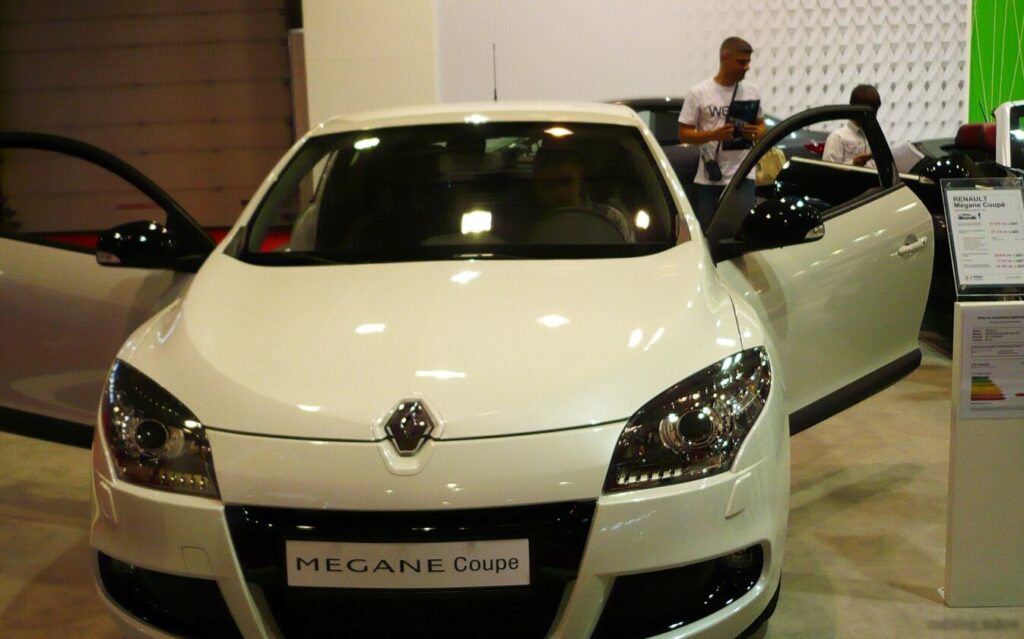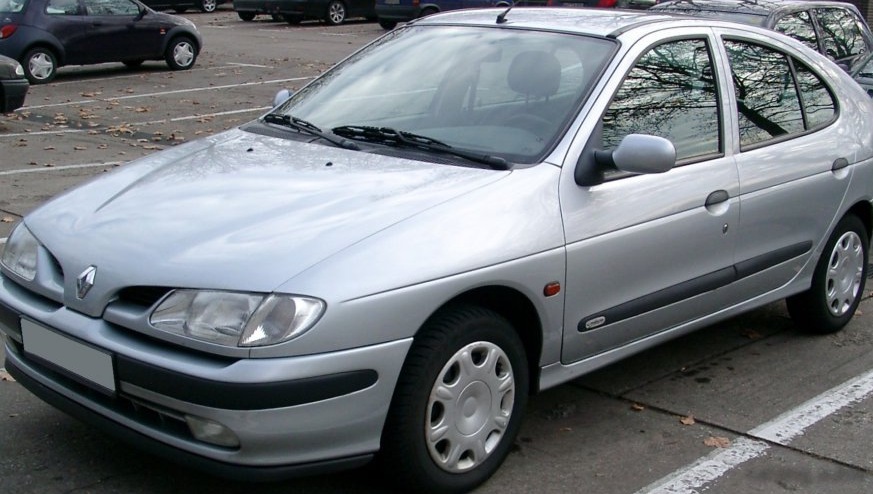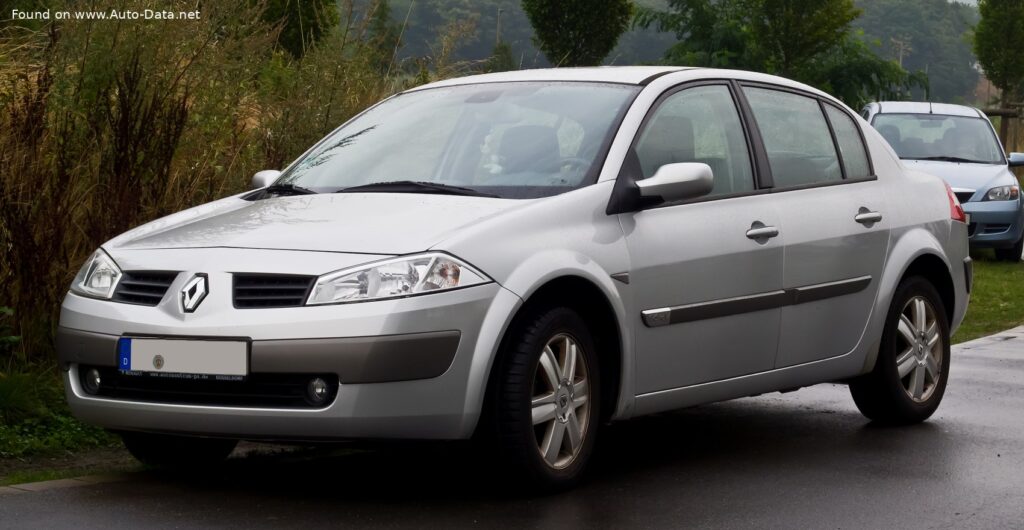
The Renault Megane II Classic 1.9 dCi (130 Hp) FAP represents a significant offering within the European C-segment during the mid-2000s. Launched as part of the second generation of the highly successful Renault Megane line, the “Classic” variant specifically denoted the four-door sedan body style, which catered to a distinct market preference for more traditional three-box designs, particularly in Southern and Eastern Europe, as well as several Asian and Latin American markets. While the Megane II hatchback gained notoriety for its unconventional “bustle-back” rear styling, the Classic sedan adopted a more conservative and elegant profile. Produced for a concise period in 2005, this particular iteration, powered by a 1.9-liter dCi diesel engine, emphasized a blend of fuel efficiency, robust performance, and compliance with the then-emerging Euro 4 emission standards, thanks to its integrated Particulate Filter (FAP). As a model primarily focused on non-North American markets, the Megane II Classic was a testament to Renault’s engineering prowess in delivering competitive and environmentally conscious vehicles for its global audience.
Powertrain & Engine Architecture
At the core of the Renault Megane II Classic 1.9 dCi (130 Hp) FAP lies a potent and efficient F9Q series 1.9-liter (1870 cm3 or 114.11 cu. in.) inline four-cylinder diesel engine. This powertrain was a cornerstone of Renault’s diesel offerings, renowned for its balance of power and economy. Generating a respectable 130 horsepower at 4000 rpm, it provided ample motivation for the sedan, allowing for confident highway cruising and brisk acceleration. More impressively, the engine delivered a substantial 221.27 lb.-ft. of torque at a low 2000 rpm, ensuring strong pulling power and excellent responsiveness from low engine speeds. This characteristic torque delivery was a hallmark of modern diesel engines and a key factor in the Megane Classic’s driving appeal.
The F9Q engine utilizes a common rail direct injection system, delivering fuel at extremely high pressure for optimized combustion. The engine features an overhead camshaft (OHC) valvetrain operating four valves per cylinder, enhancing volumetric efficiency. A turbocharger, coupled with an intercooler, forces more air into the cylinders, boosting power output. The FAP (Filtre à Particules) system, a diesel particulate filter, actively traps soot particles from the exhaust, significantly reducing emissions and enabling compliance with Euro 4 standards. The FAP requires periodic regeneration, a process where the accumulated soot is burned off at high exhaust temperatures. The engine management system automatically initiates this regeneration cycle, though prolonged city driving could necessitate manual regeneration in some cases.
The Megane II Classic 1.9 dCi was exclusively paired with a six-speed manual transmission. This transmission was chosen for its efficiency and driver engagement, complementing the engine’s torque characteristics. The gear ratios were optimized to provide strong acceleration in lower gears and comfortable cruising at highway speeds. The transmission’s shift quality was generally considered smooth and precise, contributing to a pleasant driving experience.
Driving Characteristics
The 1.9 dCi engine in the Megane II Classic provided a distinctly different driving experience compared to the gasoline-powered variants or the lower-powered diesel options. The substantial 221 lb-ft of torque available from 2000 rpm meant that the car felt responsive and effortless in everyday driving situations. Overtaking maneuvers were executed with confidence, and the engine didn’t require frequent downshifts to maintain speed on inclines. Compared to the 1.6L gasoline engine, the 1.9 dCi offered significantly more pulling power, albeit with a slightly less rev-happy nature.
The six-speed manual transmission allowed for precise control over the engine’s power band. First gear was relatively short, providing quick acceleration from a standstill. Higher gears were spaced to optimize fuel economy during highway cruising. While not a sports car, the Megane II Classic 1.9 dCi offered a balanced and enjoyable driving experience, prioritizing comfort and efficiency over outright performance. The front-wheel-drive configuration provided predictable handling, and the suspension setup (described later) contributed to a comfortable ride.
Equipment & Trim Levels
The Renault Megane II Classic 1.9 dCi (130 Hp) FAP was typically offered in several trim levels, varying by market. Base models generally included features such as air conditioning, power windows, central locking, and an audio system with CD player. Higher trim levels added features like alloy wheels, fog lights, automatic headlights and rain sensors, a trip computer, and upgraded interior upholstery. Interior upholstery typically consisted of cloth seats, with options for leather available on higher-spec models.
The dashboard layout was functional and ergonomically designed, with clearly labeled controls and a straightforward instrument cluster. Safety features were a priority, with ABS (Anti-lock Braking System) standard across all trim levels. Optional extras included a sunroof, parking sensors, and a more advanced audio system with navigation capabilities. The overall interior ambiance was geared towards practicality and comfort, rather than luxury.
Chassis & Braking
The Megane II Classic featured a MacPherson strut independent suspension at the front, providing a comfortable ride and predictable handling. The rear suspension utilized a torsion beam axle, a cost-effective and space-efficient solution that offered adequate ride quality for everyday driving. Stabilizer bars were fitted to both the front and rear axles to reduce body roll during cornering.
Braking duties were handled by ventilated discs at the front and solid discs at the rear. The ABS system prevented wheel lockup during hard braking, enhancing stability and control. The braking system was generally considered adequate for the car’s weight and performance, providing sufficient stopping power in most driving conditions. Steering was provided by an electric power steering system, offering light and precise control, particularly at lower speeds.
Market Reception & Comparison
Critics generally praised the Renault Megane II Classic 1.9 dCi (130 Hp) FAP for its fuel efficiency, strong diesel engine, and comfortable ride. The FAP system was seen as a positive step towards reducing emissions, although concerns were raised about the potential for increased maintenance costs associated with the particulate filter. Compared to the gasoline-powered Megane II variants, the 1.9 dCi offered significantly better fuel economy and more torque, making it a popular choice for drivers who covered long distances.
In terms of reliability, the F9Q engine was generally considered robust and durable, although the FAP system could be prone to issues if not properly maintained. Compared to competitors like the Ford Focus Sedan and Volkswagen Jetta, the Megane Classic offered a competitive package in terms of price, features, and fuel economy. The Jetta often held a slight edge in terms of perceived build quality, while the Focus offered a more engaging driving experience. However, the Megane Classic’s combination of practicality, efficiency, and affordability made it a strong contender in the C-segment sedan market.
Technical Specifications
| Category | Specification |
| Brand | Renault |
| Model | Megane |
| Generation | Megane II Classic |
| Type (Engine) | 1.9 dCi (130 Hp) FAP |
| Start of Production | 2005 |
| End of Production | 2005 |
| Powertrain Architecture | Internal Combustion engine |
| Body type | Sedan |
| Seats | 5 |
| Doors | 4 |
| Fuel consumption (economy) – urban | 33.1 US mpg (7.1 l/100 km) |
| Fuel consumption (economy) – extra urban | 53.5 US mpg (4.4 l/100 km) |
| Fuel consumption (economy) – combined | 43.6 US mpg (5.4 l/100 km) |
| CO2 emissions | 148 g/km |
| Fuel Type | Diesel |
| Acceleration 0 – 60 mph | 8.6 sec |
| Acceleration 0 – 100 km/h | 9.1 sec |
| Maximum speed | 124.27 mph (200 km/h) |
| Emission standard | Euro 4 |
| Weight-to-power ratio | 10 kg/Hp, 100.4 Hp/tonne |
| Weight-to-torque ratio | 4.3 kg/Nm, 231.7 Nm/tonne |
| Power | 130 Hp @ 4000 rpm |
| Power per liter | 69.5 Hp/l |
| Torque | 221.27 lb.-ft. @ 2000 rpm (300 Nm) |
| Engine layout | Front, Transverse |
| Engine Model/Code | F9Q |
| Engine displacement | 114.11 cu. in. (1870 cm3) |
| Number of cylinders | 4 |
| Engine configuration | Inline |
| Cylinder Bore | 3.15 in. (80 mm) |
| Piston Stroke | 3.66 in. (93 mm) |
| Compression ratio | 19:1 |
| Number of valves per cylinder | 2 |
| Fuel injection system | Diesel Commonrail |
| Engine aspiration | Turbocharger, Intercooler |
| Valvetrain | OHC |
| Engine oil capacity | 4.76 US qt (4.5 l) |
| Coolant capacity | 8.03 US qt (7.6 l) |
| Kerb Weight | 2854.99 lbs. (1295 kg) |
| Fuel tank capacity | 15.85 US gal (60 l) |
| Minimum turning circle (turning diameter) | 35.1 ft. (10.7 m) |
Legacy
The Renault Megane II Classic 1.9 dCi (130 Hp) FAP, while not a high-performance model, has proven to be a reliable and durable vehicle in the used car market. The F9Q engine, when properly maintained, can withstand high mileage. However, potential buyers should be aware of the maintenance requirements of the FAP system, which can be costly to repair or replace. Today, these vehicles are often found with relatively high mileage, and their value reflects their age and condition. The 1.9 dCi engine remains a popular choice for those seeking a fuel-efficient and robust diesel powertrain, and the Megane II Classic continues to offer a practical and affordable transportation option for budget-conscious buyers. Its legacy is one of a well-rounded, dependable sedan that provided a compelling alternative to its competitors in the European C-segment.