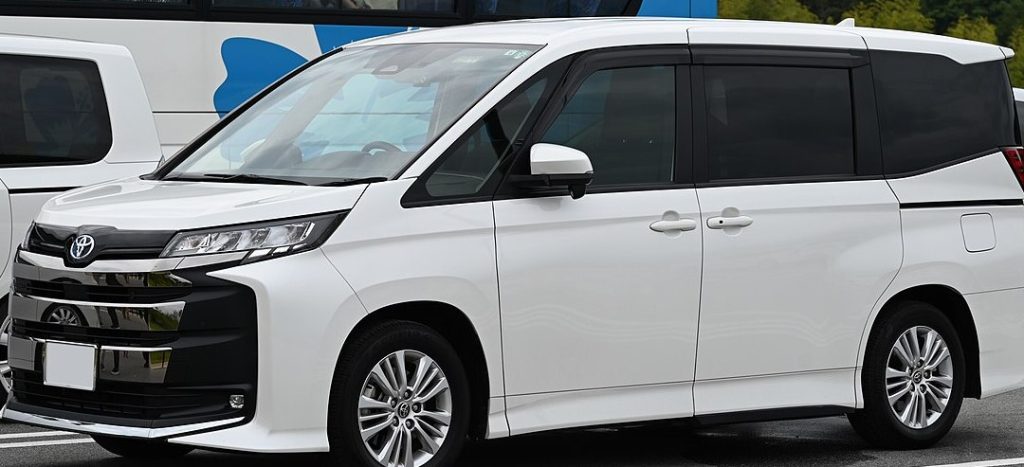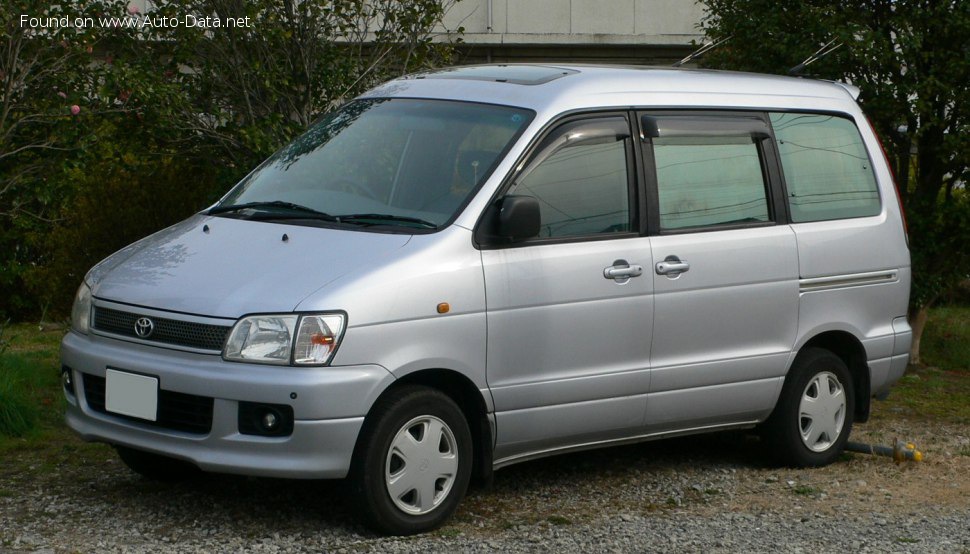
The Toyota Noah 2.0 (130 Hp) is a compact minivan that played a pivotal role in the Asian automotive market, particularly within Japan. Introduced in 1996, it represented the first generation (E50/E51 series) of a model designed to supersede the LiteAce and TownAce Noah, offering a more modern and family-oriented alternative. Produced through 2001, this iteration of the Noah quickly became a popular choice for families and businesses, lauded for its spacious interior, reliability, and efficient use of space – a critical factor in densely populated Asian cities. The vehicle was built on Toyota’s commitment to practicality and durability, establishing a strong foundation for subsequent Noah generations.
Powertrain & Engine Architecture
The Toyota Noah 2.0 (130 Hp) is powered by a 2.0-liter, naturally aspirated four-cylinder gasoline engine. This engine, typically identified by engine code 3S-FE, was designed to balance performance with fuel efficiency. The 3S-FE engine features a single overhead camshaft (SOHC) valvetrain with two valves per cylinder. Fuel delivery is managed by a multi-point fuel injection system, contributing to smooth operation and relatively low emissions for its time. The engine produces 130 horsepower at approximately 5,600 rpm and 132 lb-ft of torque at 3,400 rpm.
The Noah 2.0 was primarily offered with a four-speed automatic transmission. This transmission was chosen for its convenience, particularly in the congested urban environments where the Noah was most popular. The automatic transmission features electronically controlled torque converter lock-up for improved fuel economy at highway speeds. While a five-speed manual transmission was available in some markets, the automatic was by far the more common choice. The powertrain layout is front-wheel drive, maximizing interior space by eliminating the need for a driveshaft tunnel. This configuration also contributes to predictable handling characteristics.
Positioning within the Noah Lineup
The 2.0-liter, 130 hp engine represented the mid-range offering in the first-generation Noah lineup. Lower trims featured a smaller 1.8-liter engine with reduced horsepower, targeting budget-conscious buyers. A higher-spec trim was also available with a 2.2-liter engine, offering increased power for those prioritizing performance. The 2.0-liter model struck a balance between affordability, fuel economy, and usable power, making it the most popular choice for many buyers.
Driving Characteristics
The Toyota Noah 2.0 (130 Hp) delivers a driving experience focused on comfort and practicality rather than sporty performance. Acceleration is adequate for everyday driving, with the 130 hp engine providing sufficient power for merging onto highways and overtaking slower vehicles. However, it’s not a particularly quick vehicle, especially when fully loaded with passengers and cargo. The four-speed automatic transmission is geared for fuel efficiency, resulting in relatively conservative gear ratios. This means the engine operates at lower rpm during cruising, contributing to quieter operation and improved fuel economy. Compared to the 1.8-liter version, the 2.0-liter Noah offers noticeably improved acceleration and a more relaxed driving experience, particularly on inclines or when carrying a full load. It lacks the outright power of the 2.2-liter model, but provides a more economical alternative.
Equipment & Trim Levels
The Toyota Noah 2.0 (130 Hp) was available in several trim levels, each offering a different level of equipment. Standard features typically included air conditioning, power windows, and a basic audio system. Higher trims added features such as power door locks, central locking, upgraded upholstery, and an improved audio system with more speakers. Interior upholstery was typically cloth, with higher trims offering optional velour or synthetic leather. The dashboard layout is functional and straightforward, with clearly labeled controls. Optional extras included alloy wheels, a sunroof, and rear air conditioning. Sliding rear doors were standard on all models, providing easy access to the spacious cabin. The interior was designed with family use in mind, featuring durable materials and a flexible seating arrangement.
Chassis & Braking
The Toyota Noah 2.0 (130 Hp) utilizes a conventional front-wheel-drive chassis with independent MacPherson strut suspension in the front and a semi-independent torsion beam suspension in the rear. This suspension setup is tuned for comfort, prioritizing a smooth ride over sporty handling. The torsion beam rear suspension is a cost-effective solution that provides adequate stability for a minivan. Braking duties are handled by disc brakes in the front and drum brakes in the rear. Anti-lock Braking System (ABS) was available on higher trim levels, enhancing safety by preventing wheel lockup during hard braking. The steering system is a power-assisted rack-and-pinion setup, providing light and easy steering for maneuverability in urban environments. Stabilizer bars were typically fitted to both the front and rear axles to reduce body roll during cornering.
Market Reception & Comparison
The Toyota Noah 2.0 (130 Hp) was well-received by critics and consumers alike. It was praised for its spacious interior, reliability, and fuel efficiency. Compared to competitors such as the Nissan Serena and Honda Stepwgn, the Noah offered a compelling combination of practicality and value. The 2.0-liter engine provided a noticeable performance advantage over the smaller 1.8-liter engine found in some competing models. Fuel economy was competitive, averaging around 22-26 mpg in combined driving conditions. Reliability was a key strength, with the 3S-FE engine proving to be exceptionally durable. The Noah’s resale value also held up well, reflecting its reputation for longevity. While not as sporty or luxurious as some other minivans, the Noah excelled at its intended purpose: providing a practical and reliable transportation solution for families and businesses.
Technical Specifications
| Brand | Toyota |
| Model | Noah |
| Generation | Noah (First Generation) |
| Engine Type | 2.0-liter Inline-4 Gasoline |
| Engine Code | 3S-FE |
| Production Start | 1996 |
| Production End | 2001 |
| Horsepower | 130 hp @ 5,600 rpm |
| Torque | 132 lb-ft @ 3,400 rpm |
| Transmission | 4-speed Automatic (primarily) |
| Drivetrain | Front-Wheel Drive |
| Body Type | Minivan |
| Seating Capacity | 8 |
| Fuel Tank Capacity | 60 liters (15.9 gallons) |
| Brakes (Front) | Disc |
| Brakes (Rear) | Drum |
| Suspension (Front) | MacPherson Strut |
| Suspension (Rear) | Torsion Beam |
Legacy
The Toyota Noah 2.0 (130 Hp) has proven to be a remarkably durable and reliable vehicle. Many examples are still on the road today, a testament to Toyota’s engineering quality. The 3S-FE engine is known for its longevity and relatively low maintenance costs. Common issues are typically limited to routine maintenance items such as timing belt replacement and oil leaks. In the used car market, the Noah 2.0 (130 Hp) remains a popular choice for budget-conscious buyers seeking a spacious and reliable minivan. Its reputation for durability and practicality ensures continued demand. The first-generation Noah established the model as a key player in the Asian minivan segment, paving the way for subsequent generations that continue to build on its legacy of practicality, reliability, and family-friendly design.