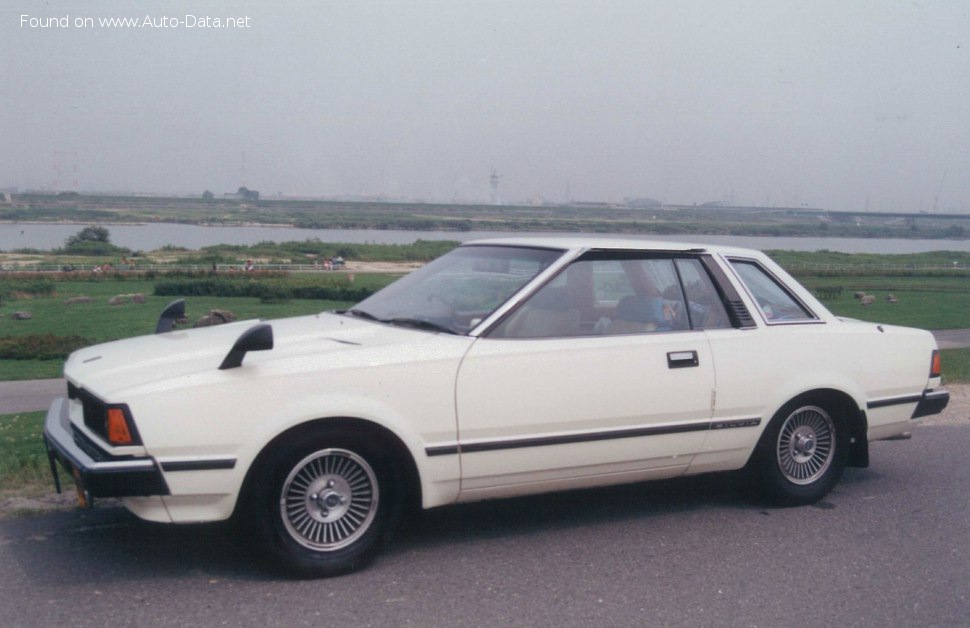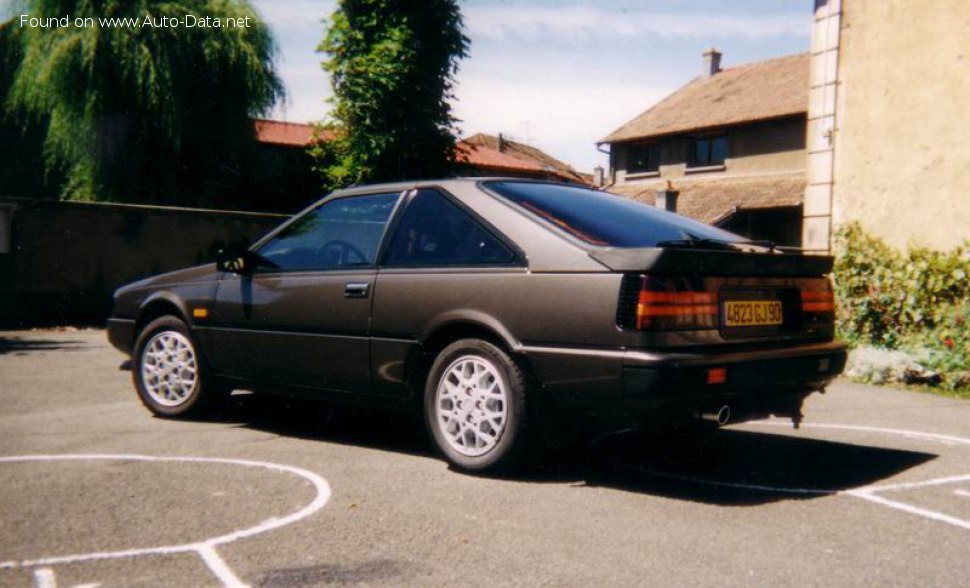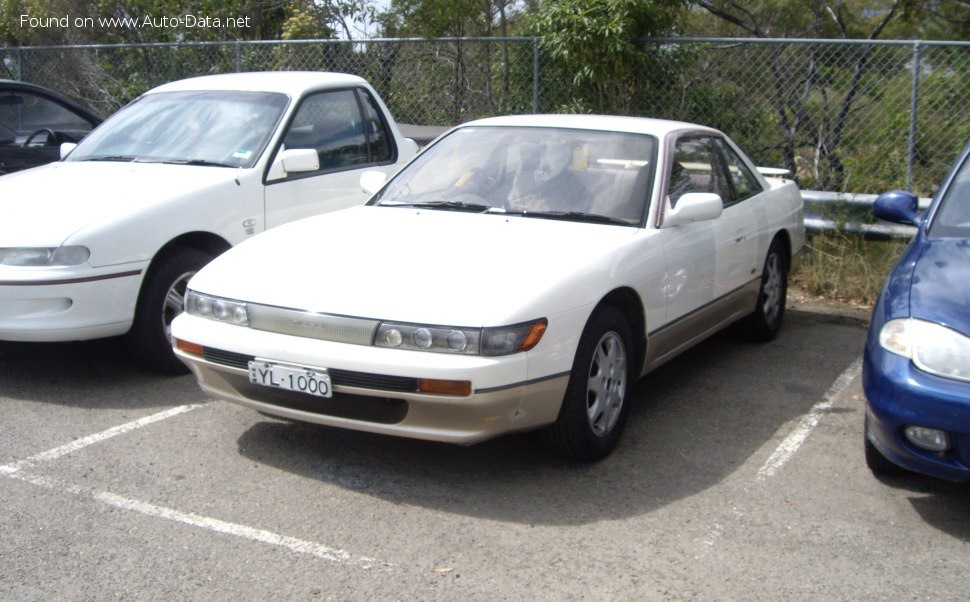
The Nissan Silvia (S13) represents a pivotal moment in automotive history, particularly within the Japanese Domestic Market (JDM) and global enthusiast culture. Introduced in 1988, this generation of the Silvia line quickly garnered a reputation for its stylish coupe body, balanced rear-wheel-drive chassis, and highly tunable engines. The specific variant under review, the Nissan Silvia (S13) 1.8i (135 Hp) Automatic, was an entry-level offering that provided a blend of everyday usability and the inherent dynamic capabilities of the S13 platform. While the Silvia nameplate was never officially sold in the United States, its chassis was the basis for the highly popular Nissan 240SX, making the S13 generation globally recognized and revered. This particular model, produced from 1988 to 1990, showcases the early iteration of the S13, combining elegant design with Nissan’s robust engineering of the late 1980s.
Powertrain & Engine Architecture: The CA18DE
At the core of this Nissan Silvia (S13) model is the naturally aspirated CA18DE engine. This 1.8-liter (1809 cm3 or 110.39 cu. in.) inline-four powerplant, a DOHC (Double Overhead Camshaft) design with four valves per cylinder, was a sophisticated unit for its time. It produced a respectable 135 horsepower at 6400 rpm, translating to a power-per-liter output of 74.6 Hp/l. Torque figures stood at 159 Nm (117.27 lb.-ft.) delivered at 5200 rpm, indicating an engine that enjoyed being revved to extract its full potential.
The engine’s layout was front-longitudinal, a classic configuration for a rear-wheel-drive sports coupe, contributing to the S13’s balanced weight distribution and handling characteristics. With a bore of 83 mm (3.27 in.) and a stroke of 83.6 mm (3.29 in.), the engine featured an almost square design, favoring a good balance between low-end torque and high-revving power. A compression ratio of 9.5:1, combined with a multi-port manifold injection system, ensured efficient fuel delivery and combustion.
This specific Silvia (S13) model was equipped with a 4-speed automatic transmission. This transmission, while not as engaging as the available 5-speed manual, offered smoother shifts and greater convenience for everyday driving. It was designed to handle the CA18DE’s torque output effectively, though it did impact overall acceleration compared to the manual version. The automatic transmission featured standard torque converter technology, providing a degree of torque multiplication at lower engine speeds. Gear ratios were optimized for a balance of fuel economy and reasonable acceleration, prioritizing usability over outright performance.
Driving Characteristics
The 1.8L automatic Silvia (S13) offered a distinctly different driving experience compared to its manual counterparts or higher-output siblings. While the manual transmission and turbocharged variants prioritized driver engagement and outright speed, the automatic version focused on ease of use and comfort. Acceleration from 0 to 60 mph was typically in the 9-10 second range, respectable for the era but noticeably slower than the manual versions. The automatic transmission’s shift points were programmed for fuel efficiency and smooth operation, sometimes resulting in a slight delay in response during aggressive driving.
Despite the automatic, the rear-wheel-drive layout ensured a degree of sporting handling. The car exhibited predictable cornering behavior, though it lacked the precise control offered by a manual gearbox. The weight-to-power ratio of 8.2 kg/Hp (121.6 Hp/tonne) and weight-to-torque ratio of 7 kg/Nm (143.2 Nm/tonne) meant it wasn’t sluggish, but it wasn’t a performance machine either. This variant was best suited for relaxed cruising and everyday commuting, offering a comfortable and reliable driving experience.
Equipment & Trim Levels
The 1.8i Automatic variant of the Nissan Silvia (S13) typically represented the entry-level trim. Standard features included cloth upholstery, power steering, and basic instrumentation. Air conditioning was often included, though it could be an optional extra depending on the specific market. The dashboard layout was functional and straightforward, prioritizing usability over luxury. The steering wheel was typically made of polyurethane, and the interior trim was generally simple and durable.
Optional extras available for this trim included upgraded audio systems, electric windows, and central locking. Some models also offered a sunroof as an optional feature. The exterior typically featured steel wheels with hubcaps, though alloy wheels were available as an upgrade. The overall focus of this trim level was to provide a well-equipped, yet affordable, sports coupe.
Chassis & Braking
The S13 chassis was renowned for its balanced handling and robust construction. The front suspension utilized a MacPherson strut setup, providing responsive steering and good ride quality. The rear suspension employed a multi-link system with coil springs and telescopic shock absorbers, offering excellent wheel control and stability. This setup contributed to the S13’s ability to handle corners with confidence.
Braking was handled by ventilated discs at the front and solid discs at the rear. While adequate for everyday driving, the braking system wasn’t particularly powerful compared to more performance-oriented trims. The car’s relatively light weight (approximately 2447 lbs) helped to mitigate the limitations of the braking system. A stabilizer bar was fitted to the front suspension to reduce body roll during cornering, enhancing handling stability.
Market Reception & Comparison
Critics generally viewed the 1.8L Automatic Silvia (S13) as a competent and affordable sports coupe. It was praised for its stylish design, comfortable ride, and reliable engine. However, it was often criticized for its lack of outright performance compared to the manual transmission and turbocharged variants. Fuel economy was considered reasonable for the time, averaging around 25-30 mpg in mixed driving conditions.
Compared to the higher-output turbocharged models (like the SR20DET-equipped variants), the 1.8i Automatic offered significantly less power and acceleration. However, it also benefited from lower maintenance costs and greater reliability. The 1.8i was also more accessible to a wider range of drivers, particularly those who preferred the convenience of an automatic transmission. Its competitors included the Toyota Corolla GT-S, Mazda MX-5 Miata, and Honda Prelude, all of which offered similar levels of performance and affordability.
Technical Specifications
| Brand | Nissan |
| Model | Silvia |
| Generation | Silvia (S13) |
| Type (Engine) | 1.8i (135 Hp) Automatic |
| Production Start | 1988 year |
| Production End | 1990 year |
| Powertrain Architecture | Internal Combustion engine |
| Body type | Coupe |
| Seats | 4 |
| Doors | 2 |
| Performance Specs | |
| Fuel Type | Petrol (Gasoline) |
| Weight-to-power ratio | 8.2 kg/Hp, 121.6 Hp/tonne |
| Weight-to-torque ratio | 7 kg/Nm, 143.2 Nm/tonne |
| Engine Specs | |
| Power | 135 Hp @ 6400 rpm |
| Power per liter | 74.6 Hp/l |
| Torque | 159 Nm @ 5200 rpm (117.27 lb.-ft. @ 5200 rpm) |
| Engine layout | Front, Longitudinal |
| Engine Model/Code | CA18DE |
| Engine displacement | 1809 cm3 (1.8 liters / 110.39 cu. in.) |
| Number of cylinders | 4 |
| Engine configuration | Inline |
| Cylinder Bore | 83 mm (3.27 in.) |
| Piston Stroke | 83.6 mm (3.29 in.) |
| Compression ratio | 9.5:1 |
| Number of valves per cylinder | 4 |
| Fuel injection system | Multi-port manifold injection |
| Engine aspiration | Naturally aspirated engine |
| Valvetrain | DOHC |
| Space, Volume and Weights | |
| Kerb Weight | 1110 kg (2447.13 lbs) |
| Fuel tank capacity | 60 l (15.85 US gal) |
| Dimensions | |
| Length | 4470 mm (175.98 in.) |
| Width | 1690 mm (66.54 in.) |
| Height | 1290 mm (50.79 in.) |
| Wheelbase | 2475 mm (97.44 in.) |
| Front track | 1465 mm (57.68 in.) |
| Rear (Back) track | 1460 mm (57.48 in.) |
| Minimum turning circle | 9.4 m (30.84 ft.) |
| Drivetrain, Brakes and Suspension Specs | |
| Drivetrain Architecture | The Internal combustion engine (ICE) drives the rear wheels of the vehicle. |
| Drive wheel | Rear wheel drive |
| Number of gears and type of gearbox | 4 gears, automatic transmission |
| Front suspension | Spring Strut |
| Rear suspension | Dependent, multi-link spring with telescopic shock absorbers |
| Front brakes | Ventilated discs |
| Rear brakes | Disc |
| Tires size | 185/70 R14 |
| Wheel rims size | 14 |
Legacy
The Nissan Silvia (S13) continues to hold a strong position in the used car market, particularly among enthusiasts. While the 1.8i Automatic variant isn’t as highly sought after as the turbocharged or manual versions, it remains a viable option for those seeking an affordable and reliable entry point into the S13 platform. The CA18DE engine is known for its durability and relatively low maintenance costs, making it a practical choice for daily driving.
The S13’s enduring legacy is rooted in its balanced chassis, stylish design, and strong aftermarket support. It remains a popular platform for drifting, track days, and general automotive modification. Even the 1.8i Automatic models can be upgraded with performance parts to enhance their handling and acceleration. The car’s cultural impact extends beyond the automotive world, influencing fashion, music, and popular culture. The Nissan Silvia (S13) 1.8i Automatic, while not the most powerful or engaging variant, represents a significant chapter in the history of Japanese sports coupes and continues to be appreciated by enthusiasts worldwide.