
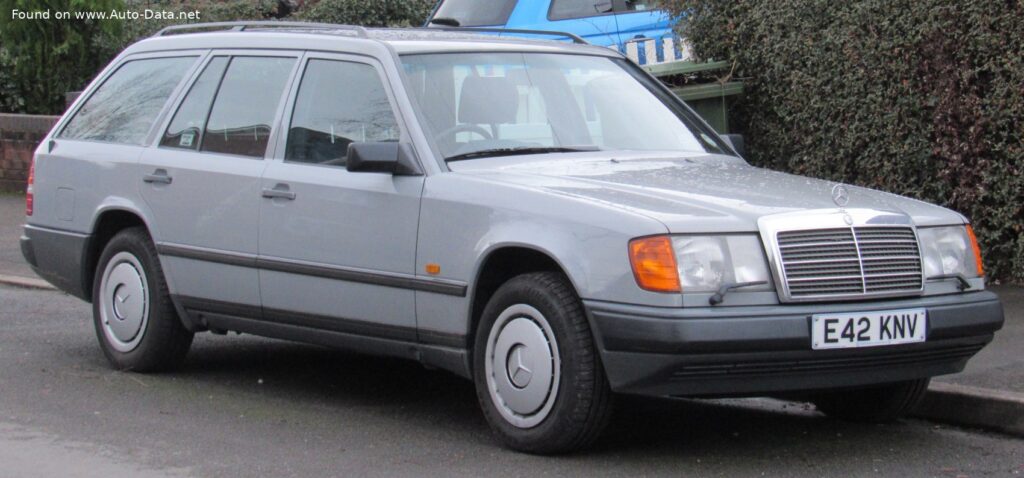
The Mercedes-Benz S124 230 TE, produced from April 1985 to August 1989, represents a compelling blend of luxury, practicality, and renowned Mercedes-Benz engineering within the broader W124 series. As the station wagon (estate) variant of the W124, the 230 TE catered to buyers seeking a premium vehicle capable of comfortably transporting both passengers and cargo. While the W124 series was available in sedan, coupe, and convertible body styles, the S124 (estate) held particular appeal in European markets, where wagons were considered a sophisticated and practical choice. The 230 TE occupied a mid-range position within the S124 lineup, offering a step up in performance and features compared to the base 200 TE, but remaining more accessible than the higher-specification 260 TE or 300 TE models. Its enduring reputation for reliability and build quality has cultivated a dedicated following among enthusiasts and collectors worldwide, even though it was relatively uncommon in the United States during its original production run.
Powertrain & Engine Architecture
The heart of the S124 230 TE is the M102.981 inline-six cylinder engine, displacing 2.3 liters (2,302 cc). This engine is a cornerstone of Mercedes-Benz engineering from the period, known for its smooth operation, durability, and relatively simple maintenance requirements. The M102 engine family is characterized by a cast iron block and an aluminum cylinder head, contributing to its longevity. Fuel delivery is managed by a Bosch K-Jetronic mechanical fuel injection system, a hallmark of Mercedes-Benz technology in the 1980s. This system, while complex by modern standards, provides precise fuel metering and contributes to the engine’s smooth power delivery. The engine features a single overhead camshaft (SOHC) operating two valves per cylinder. The 230 TE produces 136 horsepower (hp) at 5,200 rpm and 166 lb-ft of torque at 3,900 rpm.
The engine is paired with a four-speed automatic transmission (722.3 series), a common and robust unit for the era. This transmission is hydraulically controlled and offers smooth, albeit not particularly quick, gear changes. The automatic transmission was favored by many S124 buyers for its ease of use and suitability for long-distance cruising. The transmission’s gear ratios are geared towards comfort and fuel efficiency rather than outright performance. The rear-wheel drive configuration provides a balanced driving experience, typical of Mercedes-Benz sedans and wagons of the time.
Engine Codes & Variations
The primary engine code for the 230 TE is M102.981. While variations within the M102 family exist, the 230 TE consistently utilized this specific configuration. Later iterations of the W124 would see the introduction of more modern fuel injection systems and engine management technologies, but the 230 TE retained the K-Jetronic system throughout its production run. The automatic transmission, while largely consistent, could have minor variations depending on the specific production date and market.
Driving Characteristics
The driving experience in the S124 230 TE is characterized by comfort, refinement, and a sense of solidity. The 136 hp engine provides adequate, though not exhilarating, performance. Acceleration from 0 to 60 mph takes approximately 10-11 seconds, which was competitive for a mid-size luxury wagon in the late 1980s. The automatic transmission contributes to a relaxed driving style, with smooth gear changes and a focus on effortless cruising. Compared to the manual transmission versions of the 230 TE, the automatic sacrifices some responsiveness but gains in convenience. The 260 TE and 300 TE models, with their larger engines, offered significantly more power and quicker acceleration, but at the expense of fuel economy. The 230 TE’s power delivery is linear and predictable, making it easy to control in various driving conditions. The suspension, tuned for comfort, absorbs bumps and imperfections in the road effectively, providing a smooth and composed ride.
Equipment & Trim Levels
The S124 230 TE came standard with a generous array of features, reflecting its position as a premium vehicle. Standard equipment typically included power windows, central locking, power steering, and an adjustable steering column. The interior was typically upholstered in cloth, although leather upholstery was available as an option. The dashboard featured a classic Mercedes-Benz design, with clearly labeled gauges and intuitive controls. Air conditioning was a common option, as were features like a sunroof, heated seats, and a premium sound system. The rear seats could be folded down to increase cargo capacity, enhancing the wagon’s practicality. Trim levels were relatively limited, with most variations stemming from optional extras rather than distinct model designations. The level of wood trim and the availability of certain convenience features often differentiated higher-specification examples.
Chassis & Braking
The S124 230 TE utilizes a robust chassis construction, featuring independent suspension at all four wheels. The front suspension employs MacPherson struts, while the rear suspension utilizes a multi-link setup. This suspension design provides a comfortable ride and good handling characteristics. Braking is accomplished via disc brakes at the front wheels and drum brakes at the rear wheels. While the rear drum brakes were a cost-saving measure, they proved to be reliable in normal driving conditions. Power-assisted steering is standard, providing light and precise steering feel. The 230 TE typically came equipped with stabilizer bars at both the front and rear, further enhancing handling stability. The chassis was designed with safety in mind, incorporating crumple zones and a reinforced passenger cell.
Market Reception & Comparison
The S124 230 TE received generally positive reviews from automotive critics. It was praised for its build quality, comfort, and practicality. Critics noted that the 230 TE offered a good balance between performance and fuel economy, making it a sensible choice for buyers seeking a versatile family vehicle. Compared to its siblings, the 230 TE represented a sweet spot in the lineup, offering more performance than the base 200 TE but remaining more affordable than the 260 TE or 300 TE. Fuel economy was respectable for a vehicle of its size and class, averaging around 20-25 mpg in mixed driving conditions. Reliability was a key strength of the 230 TE, with many examples exceeding 200,000 miles with proper maintenance. The K-Jetronic fuel injection system, while complex, proved to be durable when properly maintained. However, some critics noted that the automatic transmission could feel sluggish at times, and the rear drum brakes were not as effective as disc brakes in demanding situations.
Technical Specifications
| Engine Type | M102.981 Inline-Six Cylinder |
| Displacement | 2.3 liters (2,302 cc) |
| Horsepower | 136 hp @ 5,200 rpm |
| Torque | 166 lb-ft @ 3,900 rpm |
| Fuel Injection | Bosch K-Jetronic |
| Transmission | Four-Speed Automatic (722.3 series) |
| Drivetrain | Rear-Wheel Drive |
| Brakes (Front) | Disc |
| Brakes (Rear) | Drum |
| Weight | Approximately 3,300 lbs (1,497 kg) |
| 0-60 mph | 10-11 seconds (approximate) |
| Fuel Economy (Combined) | 20-25 mpg (estimated) |
Legacy
The Mercedes-Benz S124 230 TE has earned a well-deserved reputation as a durable and reliable classic. The M102 engine, when properly maintained, is known to withstand high mileage. The automatic transmission, while not the most technologically advanced, is generally robust and long-lasting. Today, the S124 230 TE is a sought-after vehicle among enthusiasts and collectors, particularly those who appreciate its timeless design and exceptional build quality. Well-maintained examples command respectable prices in the used car market. The availability of spare parts remains relatively good, although some components specific to the K-Jetronic fuel injection system can be challenging to find. The 230 TE’s enduring appeal is a testament to Mercedes-Benz’s commitment to engineering excellence and its ability to create vehicles that stand the test of time. It continues to be appreciated as a practical and luxurious classic, offering a unique driving experience that blends comfort, refinement, and durability.
