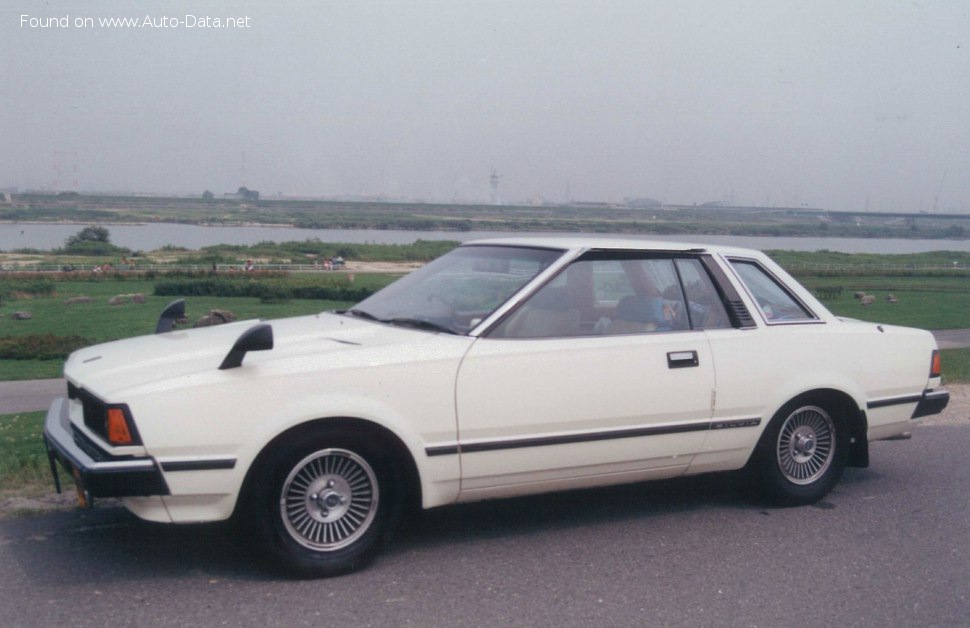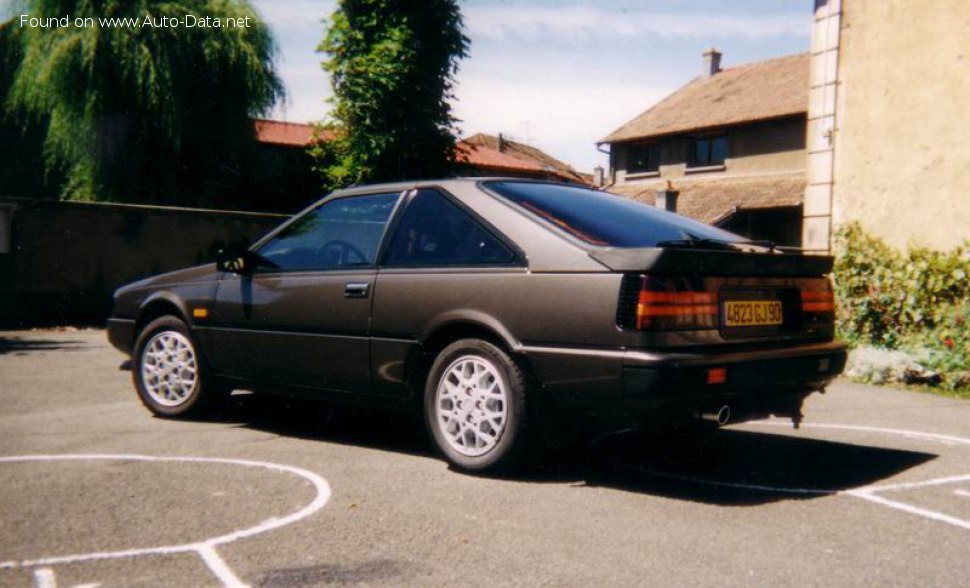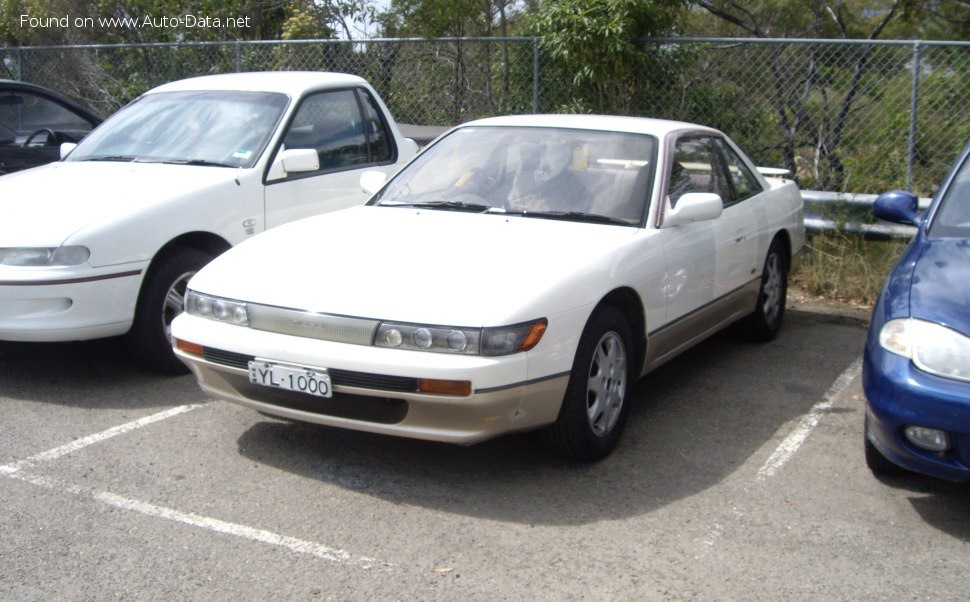
The Nissan Silvia (S13), particularly the 2.0i (140 Hp) variant produced between 1991 and 1993, represents a significant iteration of this iconic Japanese sports car. Introduced in May 1988, the S13 generation moved away from the boxier designs of previous Silvias, embracing a more curvaceous and aerodynamic aesthetic. While not officially sold in the United States in this specific configuration, the S13, and its 240SX counterpart, achieved global recognition, especially within motorsport and the aftermarket tuning scene. This 2.0i model, powered by the SR20DE engine, offered a balanced combination of performance, handling, and everyday usability, solidifying its place as a foundational vehicle for automotive enthusiasts. It occupied a mid-range position within the S13 lineup, offering a more accessible entry point compared to the higher-performance turbocharged models.
Powertrain & Engine Architecture: The SR20DE
The heart of the 1991-1993 Nissan Silvia (S13) 2.0i (140 Hp) is the SR20DE engine. This 2.0-liter (1998 cm³ or 121.93 cu. in.) inline-four engine exemplifies Nissan’s engineering capabilities, providing a robust and reliable foundation for the vehicle’s dynamic characteristics. Unlike the turbocharged SR20DET, renowned for its substantial power output, the SR20DE in this Silvia is naturally aspirated, relying on its refined mechanical design for performance.
The engine features a Double Overhead Camshaft (DOHC) valvetrain with four valves per cylinder, optimizing airflow and contributing to its responsive nature. A square bore and stroke of 86 mm (3.39 in.) each are designed for a balance between torque and high-revving performance. It produces 140 horsepower at 6400 rpm, resulting in a power output of 70.1 Hp/l. Torque peaks at 179 Newton-meters (132.02 lb.-ft.) at 4800 rpm, delivering a broad powerband that is both engaging and manageable.
Fuel delivery is managed by a multi-port fuel injection system, ensuring precise air-fuel mixture control. With a compression ratio of 9:1, the engine is designed to operate efficiently on standard gasoline (petrol). Power is transferred to the rear wheels through a 5-speed manual transmission, providing a direct and engaging driving experience. The vehicle’s relatively light curb weight of 2491.22 lbs (1130 kg) contributes to its agile handling, resulting in a weight-to-power ratio of 8.1 kg/Hp (123.9 Hp/tonne) and a weight-to-torque ratio of 6.3 kg/Nm (158.4 Nm/tonne). This combination of a free-revving engine and a well-matched manual gearbox made the Silvia (S13) 2.0i a pleasure to drive, particularly on winding roads.
Driving Characteristics
The 1.8L 90 hp Automatic configuration offered a distinctly different driving experience compared to the manual transmission or higher-output variants of the S13. The automatic transmission, while providing convenience, resulted in a noticeable reduction in responsiveness and a less direct connection to the engine. Gear ratios were optimized for fuel efficiency and smooth cruising rather than outright performance. Acceleration was adequate for everyday driving, but lacked the urgency of the manual transmission models. The automatic transmission also slightly diminished the driver’s control during spirited driving, making it less suitable for track use or aggressive cornering. Compared to the SR20DET, the SR20DE offered a more linear power delivery, making it more predictable and easier to control for less experienced drivers. However, it lacked the exhilarating surge of power that the turbocharged engine provided.
Equipment & Trim Levels
The 1991-1993 Nissan Silvia (S13) 2.0i (140 Hp) typically came equipped with a range of standard features designed to enhance comfort and convenience. Interior upholstery generally consisted of cloth seats, available in various color schemes. The dashboard layout was functional and driver-focused, featuring analog gauges for speed, tachometer, fuel level, and temperature. Power steering was standard, making maneuvering easier, particularly at low speeds. Other standard features included a basic audio system, manual windows, and central locking. Optional extras included air conditioning, power windows, upgraded audio systems, and alloy wheels. The trim level often dictated the availability of these options, with higher trims offering more features as standard.
Chassis & Braking
The S13’s chassis was designed to provide a balance of rigidity and lightweight construction. The front suspension utilized a spring strut system, while the rear employed a multi-link spring with telescopic shock absorbers. This independent rear suspension was a significant improvement over previous generations and contributed to the S13’s celebrated handling characteristics. Braking performance was provided by ventilated discs at the front and solid discs at the rear, offering adequate stopping power for the vehicle’s performance capabilities. The car rode on 185/70R14 tires, a size appropriate for the car’s balance of grip and playful handling. A stabilizer bar was included at the front to reduce body roll during cornering.
Market Reception & Comparison
Critics generally praised the Nissan Silvia (S13) 2.0i (140 Hp) for its balanced handling, responsive engine, and stylish design. While the turbocharged SR20DET models received more attention for their performance potential, the 2.0i was recognized as a more accessible and practical option for everyday driving. Fuel economy was considered respectable for a sports coupe of its era, and reliability was generally good, although regular maintenance was essential. Compared to other trims in the S13 lineup, the 2.0i offered a more affordable entry point, making it popular among younger enthusiasts. It also provided a more predictable and manageable driving experience, making it suitable for drivers who prioritized comfort and ease of use over outright performance. Compared to competitors like the Toyota Celica and Honda Prelude, the Silvia offered a unique combination of rear-wheel drive dynamics and a high degree of customization potential.
Technical Specifications: Nissan Silvia (S13) 2.0i (140 Hp)
| Category | Specification |
| General Information | |
| Brand | Nissan |
| Model | Silvia |
| Generation | Silvia (S13) |
| Type (Engine) | 2.0i (140 Hp) |
| Start of Production | 1991 year |
| End of Production | 1993 year |
| Powertrain Architecture | Internal Combustion engine |
| Body type | Coupe |
| Seats | 4 |
| Doors | 2 |
| Performance Specs | |
| Fuel Type | Petrol (Gasoline) |
| Weight-to-power ratio | 8.1 kg/Hp, 123.9 Hp/tonne |
| Weight-to-torque ratio | 6.3 kg/Nm, 158.4 Nm/tonne |
| Engine Specs | |
| Power | 140 Hp @ 6400 rpm |
| Power per liter | 70.1 Hp/l |
| Torque | 179 Nm (132.02 lb.-ft.) @ 4800 rpm |
| Engine layout | Front, Longitudinal |
| Engine Model/Code | SR20DE |
| Engine displacement | 1998 cm³ (121.93 cu. in.) |
| Number of cylinders | 4 |
| Engine configuration | Inline |
| Cylinder Bore | 86 mm (3.39 in.) |
| Piston Stroke | 86 mm (3.39 in.) |
| Compression ratio | 9:1 |
| Number of valves per cylinder | 4 |
| Fuel injection system | Multi-port manifold injection |
| Engine aspiration | Naturally aspirated engine |
| Valvetrain | DOHC |
| Space, Volume and Weights | |
| Kerb Weight | 1130 kg (2491.22 lbs) |
| Fuel tank capacity | 60 l (15.85 US gal) |
| Dimensions | |
| Length | 4470 mm (175.98 in.) |
| Width | 1690 mm (66.54 in.) |
| Height | 1290 mm (50.79 in.) |
| Wheelbase | 2475 mm (97.44 in.) |
| Front track | 1465 mm (57.68 in.) |
| Rear (Back) track | 1460 mm (57.48 in.) |
| Minimum turning circle (turning diameter) | 9.4 m (30.84 ft.) |
| Drivetrain, Brakes and Suspension Specs | |
| Drivetrain Architecture | The Internal combustion engine (ICE) drives the rear wheels of the vehicle. |
| Drive wheel | Rear wheel drive |
| Number of gears and type of gearbox | 5 gears, manual transmission |
| Front suspension | Spring Strut |
| Rear suspension | Dependent, multi-link spring with telescopic shock absorbers |
| Front brakes | Ventilated discs |
| Rear brakes | Disc |
| Tires size | 185/70R14 |
Legacy
The Nissan Silvia (S13) continues to hold a revered position in automotive culture. The SR20DE engine, while not as highly modified as the SR20DET, is known for its durability and reliability, making it a popular choice for engine swaps and rebuilds. The S13’s chassis remains highly sought after for drifting and other forms of motorsport. On the used car market, well-maintained examples of the 2.0i (140 Hp) variant command increasingly high prices, reflecting its growing collectibility. Its enduring appeal lies in its balanced handling, stylish design, and the rich history it has accumulated within the JDM and enthusiast communities. The S13, in all its forms, represents a golden era of Japanese sports car design and engineering, and the 2.0i variant stands as a testament to the enduring charm of a well-engineered, driver-focused coupe.