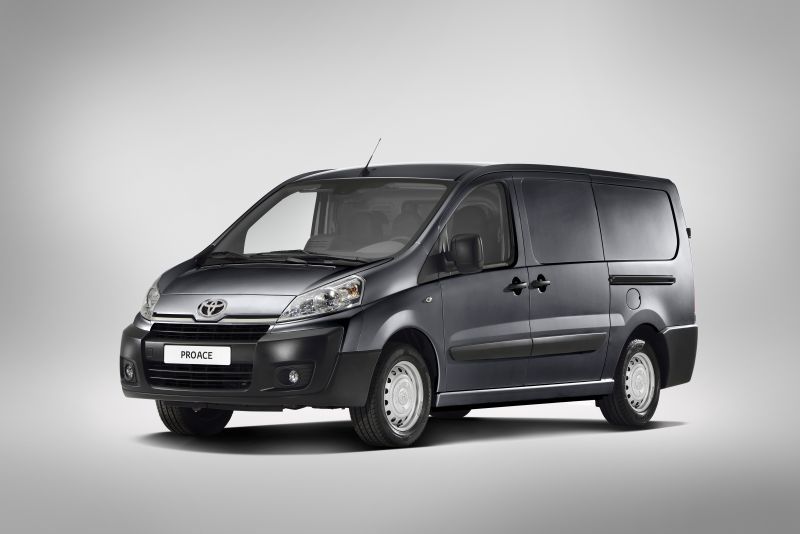
The Toyota Proace 2.0 D4-D (128 Hp) L2H2 represents Toyota’s entry into the European light commercial vehicle (LCV) market, produced from 2013 to 2016. This van was the result of a collaboration between Toyota and the PSA Peugeot Citroën group, sharing its platform with the Citroën Jumpy, Peugeot Expert, and Fiat Scudo. The Proace allowed Toyota to offer a competitive full-size van in Europe without the extensive development costs associated with a completely new design. The “L2H2” designation signifies a long wheelbase and high roof, prioritizing cargo capacity and usability. While not sold in North America, the Proace expanded Toyota’s global commercial vehicle offerings.
Toyota Proace 2.0 D4-D (128 Hp) L2H2: Positioning and Overview
The Proace 2.0 D4-D (128 Hp) L2H2 was positioned as a mid-range offering within the Proace lineup. It sat between the lower-powered, more basic trims and the higher-output, more comprehensively equipped versions. This specific configuration aimed to strike a balance between affordability, fuel efficiency, and payload capacity, making it suitable for a wide range of commercial applications. It targeted small to medium-sized businesses, tradespeople, and delivery services needing a reliable and practical van without the expense of premium features. The L2H2 body style was particularly popular due to its increased cargo volume compared to the shorter wheelbase or lower roof options.
Powertrain & Engine Architecture
The heart of the Toyota Proace 2.0 D4-D (128 Hp) L2H2 is the 4WZ-FTV 2.0-liter inline four-cylinder diesel engine. This engine boasts a displacement of 1997 cm³ and utilizes a Double Overhead Camshaft (DOHC) valvetrain. A key feature is its common rail direct fuel injection system, delivering precise fuel metering for optimized combustion and reduced emissions. The engine is turbocharged with an intercooler, enhancing power output and efficiency. The turbocharger provides forced induction, increasing the amount of air entering the cylinders, while the intercooler cools the compressed air, further improving performance. The compression ratio is set at 16:1, contributing to efficient diesel combustion.
The engine produces 128 horsepower (hp) at 4000 rpm and a substantial 236.02 lb-ft of torque at 2000 rpm. This torque output is particularly important for a commercial vehicle, providing strong pulling power and effortless acceleration even when heavily loaded. Power is delivered to the front wheels through a robust and reliable 6-speed manual transmission. The transverse engine layout optimizes space utilization within the engine bay and maximizes interior cargo volume. The engine’s design emphasizes durability and low maintenance costs, aligning with Toyota’s reputation for reliability.
Transmission Details
The 6-speed manual transmission used in the Proace 2.0 D4-D (128 Hp) L2H2 is a conventional design, known for its durability and ease of maintenance. The gear ratios are optimized to provide a balance between fuel efficiency and performance. First gear is relatively short, providing good acceleration from a standstill, while higher gears are geared for efficient cruising at highway speeds. The transmission’s shift quality is generally smooth and precise, contributing to a comfortable driving experience.
Driving Characteristics
The Toyota Proace 2.0 D4-D (128 Hp) L2H2 offers a practical and capable driving experience. While not designed for sporty performance, the 128 hp engine and 236.02 lb-ft of torque provide sufficient power for most commercial applications. Acceleration from 0 to 60 mph is estimated at around 11.6 seconds, and the top speed is approximately 105.63 mph. The strong low-end torque makes it easy to navigate urban environments and maintain speed on inclines, even with a full load. Compared to higher-output versions of the Proace, this variant offers a more economical driving experience, prioritizing fuel efficiency over outright performance. The manual transmission provides the driver with full control over gear selection, allowing for precise driving and efficient engine utilization.
The van’s handling is predictable and stable, although it’s important to remember that it’s a large vehicle. The suspension is tuned for comfort and load-carrying capacity, providing a reasonably smooth ride even on uneven surfaces. The steering is light and easy to use, making it maneuverable in tight spaces. Overall, the driving experience is geared towards practicality and functionality, rather than excitement.
Equipment & Trim Levels
The Proace 2.0 D4-D (128 Hp) L2H2 typically came equipped with a range of standard features designed to enhance practicality and driver comfort. These included a driver’s airbag, ABS brakes, power steering, and a basic audio system. The interior typically featured durable cloth upholstery and a functional dashboard layout. The L2H2 body style provided a generous cargo volume, making it suitable for transporting a wide variety of goods. Optional extras included air conditioning, a passenger airbag, rear parking sensors, and upgraded audio systems. Higher trim levels offered additional features such as cruise control, a navigation system, and more luxurious interior trim.
Chassis & Braking
The Toyota Proace 2.0 D4-D (128 Hp) L2H2 utilizes a robust chassis designed to withstand the demands of commercial use. The front suspension consists of MacPherson struts, while the rear suspension employs a leaf spring setup. This configuration provides a good balance between ride comfort and load-carrying capacity. The braking system features disc brakes on the front wheels and drum brakes on the rear wheels. ABS (Anti-lock Braking System) is standard, enhancing safety by preventing wheel lockup during emergency braking. The vehicle’s stability control system further improves handling and safety, particularly when fully loaded or driving on slippery surfaces.
Market Reception & Comparison
The Toyota Proace 2.0 D4-D (128 Hp) L2H2 was generally well-received by critics for its practicality, reliability, and fuel efficiency. It was praised for its spacious interior, comfortable ride, and robust powertrain. Compared to other vans in its class, such as the Volkswagen Transporter and Ford Transit, the Proace offered a competitive combination of features and value. Its fuel economy figures were particularly impressive, making it an attractive option for businesses looking to minimize operating costs. However, some critics noted that the interior design was somewhat basic compared to some of its rivals. The Proace’s reliability, backed by Toyota’s reputation, was a significant selling point.
Fuel economy ranged from 33.1 to 36.8 US mpg combined, 29-30.9 US mpg in urban settings, and 35.6-40.6 US mpg on the open road. Reliability was generally high, with few reported issues with the engine or transmission. Maintenance costs were also relatively low, thanks to the engine’s robust design and readily available parts.
Technical Specifications
| Engine Type | 2.0-liter D4-D Inline-4 Diesel |
| Engine Code | 4WZ-FTV |
| Displacement | 1997 cm³ |
| Horsepower | 128 hp @ 4000 rpm |
| Torque | 236.02 lb-ft @ 2000 rpm |
| Fuel Injection | Common Rail Direct Injection |
| Valvetrain | DOHC (Double Overhead Camshaft) |
| Turbocharger | Yes, with Intercooler |
| Compression Ratio | 16:1 |
| Transmission | 6-speed Manual |
| Drivetrain | Front-Wheel Drive |
| 0-60 mph | ~11.6 seconds |
| Top Speed | ~105.63 mph |
| Combined Fuel Economy | 33.1 – 36.8 US mpg |
| Urban Fuel Economy | 29 – 30.9 US mpg |
| Extra-Urban Fuel Economy | 35.6 – 40.6 US mpg |
| Brakes (Front) | Disc |
| Brakes (Rear) | Drum |
Legacy
The Toyota Proace 2.0 D4-D (128 Hp) L2H2 has proven to be a reliable and durable workhorse in the used commercial vehicle market. The 4WZ-FTV engine is known for its longevity and relatively low maintenance requirements. While older examples may require routine maintenance such as timing belt replacement, the engine itself is generally robust. The Proace’s reputation for reliability has helped it maintain a strong resale value. Today, these vans continue to be used by businesses and tradespeople who appreciate their practicality, fuel efficiency, and Toyota’s renowned build quality. The Proace established Toyota as a credible player in the European LCV segment, paving the way for future generations of the van.