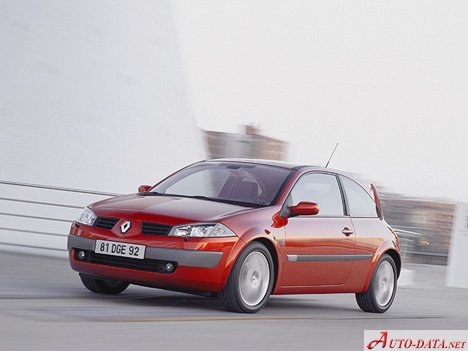
The Renault Megane II Coupe 1.5 dCi (106 Hp) represents a significant chapter in the history of European compact cars. Launched in 2005, this specific variant of the second-generation Megane showcased Renault’s design philosophy and commitment to efficient diesel powertrains. While the Renault Megane series has been a cornerstone of the European C-segment for decades, it was never officially sold in the United States, making it a unique subject for American automotive enthusiasts. The Megane II, in particular, was renowned for its avant-garde styling, advanced safety features for its era, and a wide array of engine options, among which the 1.5 dCi stood out for its blend of performance and fuel economy.
The Megane II Coupe: Positioning and Design
The Megane II generation, produced from 2002 to 2009, marked a departure from its predecessor with a design that was both celebrated and debated. The three-door coupe body style, with its distinctive “bustle-back” rear end, gave the car a sporty and unmistakable presence on European roads. This 1.5 dCi (106 Hp) model, produced for a specific window in 2005, exemplified the European trend of offering powerful yet frugal diesel engines even in sportier-looking compacts. Within the Megane II lineup, this variant occupied a mid-range position, offering a balance between affordability and efficiency. It sat below the more powerful gasoline engines (like the 2.0L 16V) and above the base-level diesel options.
Powertrain & Engine Architecture
At the heart of the Renault Megane II Coupe 1.5 dCi (106 Hp) lies the K9K engine, a 1.5-liter (1461 cm3) inline four-cylinder diesel unit. This engine is a key example of Renault’s diesel technology of the period. It featured a second-generation common rail direct fuel injection system, delivering fuel at extremely high pressure for improved combustion efficiency and reduced emissions. A turbocharger with an intercooler further enhanced performance by forcing more air into the cylinders. The engine produced 106 horsepower at 4000 rpm and 177.01 lb-ft (240 Nm) of torque at 2000 rpm.
The K9K engine utilized a single overhead camshaft (SOHC) valvetrain with two valves per cylinder. This configuration, while relatively simple, proved to be robust and reliable. The engine block was constructed from cast iron, contributing to its durability. The 6-speed manual transmission, standard on this model, was chosen for its efficiency and driver engagement. The gear ratios were optimized for both fuel economy and responsive acceleration. First gear was relatively short for quick take-offs, while sixth gear was tall for relaxed highway cruising.
Driving Characteristics
The 1.5 dCi engine in the Megane II Coupe provided a distinctly European driving experience. While not overtly powerful, the 106 hp output and, more importantly, the 177 lb-ft of torque delivered a surprisingly capable performance. Acceleration from 0 to 60 mph took approximately 10.5 seconds, and the top speed was around 115 mph (185 km/h). Compared to the higher-output gasoline versions of the Megane II, the 1.5 dCi offered less outright speed but significantly better fuel economy. The manual transmission allowed for precise control over the engine’s powerband, and the turbocharger provided a noticeable boost in acceleration when needed. The engine’s torque characteristics meant that it felt strong and responsive even at lower speeds, making it well-suited for everyday driving and navigating urban environments. Compared to the 1.9 dCi variants, the 1.5 dCi offered a more economical option with slightly less performance.
Equipment & Trim Levels
The Renault Megane II Coupe 1.5 dCi (106 Hp) typically came equipped with a reasonable level of standard features for its class and price point. Standard equipment included power steering, central locking, electric front windows, and an Anti-lock Braking System (ABS). The interior featured cloth upholstery, and the dashboard layout was functional and ergonomically designed. Optional extras available for this trim included air conditioning, alloy wheels, a CD player, and a sunroof. Higher trim levels, such as the “Expression” or “Dynamique” variants, added features like automatic headlights, rain-sensing wipers, and upgraded interior trim. The specific features varied depending on the country of sale and the year of manufacture.
Chassis & Braking
The Megane II Coupe’s chassis was designed to provide a balance between comfort and handling. The front suspension utilized independent McPherson struts, while the rear suspension employed a torsion beam. This setup offered a good compromise between ride quality and stability. The steering was electric power-assisted, providing light and responsive handling. The braking system consisted of ventilated discs on the front wheels and discs on the rear wheels. ABS was standard, enhancing braking performance and safety. The car rode on 195/65 R15 tires, which provided adequate grip and a comfortable ride. The suspension was tuned to be slightly firmer than the five-door hatchback version, reflecting the coupe’s more sporty character.
Market Reception & Comparison
Critics generally praised the Renault Megane II Coupe 1.5 dCi (106 Hp) for its fuel economy, comfortable ride, and stylish design. The diesel engine was particularly well-regarded for its efficiency and torque delivery. However, some critics noted that the engine could be somewhat noisy compared to gasoline engines. Compared to other trims in the Megane II lineup, the 1.5 dCi offered the best fuel economy and a lower price point, making it an attractive option for budget-conscious buyers. It was often compared to the Volkswagen Golf and Ford Focus, both of which offered similar diesel engine options. The Megane II Coupe generally offered a more distinctive design and a slightly more affordable price than its competitors. Fuel economy was rated at an impressive 50 US mpg (combined), making it a very economical choice.
Technical Specifications: Renault Megane II Coupe 1.5 dCi (106 Hp)
| Category | Specification |
| General Information | |
| Brand | Renault |
| Model | Megane |
| Generation | Megane II Coupe |
| Engine Type | 1.5 dCi (106 Hp) |
| Production Start | 2005 |
| Production End | 2005 |
| Powertrain Architecture | Internal Combustion engine |
| Body Type | Coupe |
| Seats | 5 |
| Doors | 3 |
| Performance Specifications | |
| Fuel Consumption (Urban) | 40.6 US mpg (5.8 l/100 km) |
| Fuel Consumption (Extra Urban) | 57.4 US mpg (4.1 l/100 km) |
| Fuel Consumption (Combined) | 50 US mpg (4.7 l/100 km) |
| CO2 Emissions | 124 g/km |
| Fuel Type | Diesel |
| Acceleration 0-60 mph | 10.5 sec |
| Acceleration 0-100 km/h | 11.1 sec |
| Maximum Speed | 114.95 mph (185 km/h) |
| Emission Standard | Euro 3 |
| Weight-to-Power Ratio | 11.2 kg/Hp, 89.1 Hp/tonne |
| Weight-to-Torque Ratio | 5 kg/Nm, 201.7 Nm/tonne |
| Engine Specifications | |
| Power | 106 Hp @ 4000 rpm |
| Power per liter | 72.6 Hp/l |
| Torque | 177.01 lb.-ft. (240 Nm) @ 2000 rpm |
| Engine Layout | Front, Transverse |
| Engine Model/Code | K9K |
| Engine Displacement | 1.5 liters (1461 cm3 / 89.16 cu. in.) |
| Number of Cylinders | 4 Inline |
| Cylinder Bore | 2.99 in. (76 mm) |
| Piston Stroke | 3.17 in. (80.5 mm) |
| Compression Ratio | 18.8:1 |
| Valves per Cylinder | 2 |
| Fuel Injection System | Diesel Commonrail |
| Engine Aspiration | Turbocharger, Intercooler |
Legacy
The Renault Megane II Coupe 1.5 dCi (106 Hp) has proven to be a relatively reliable powertrain in the long term. The K9K engine is known for its durability, and with regular maintenance, it can easily exceed 150,000 miles. In the used car market today, these models are often sought after for their fuel efficiency and affordability. However, potential buyers should be aware of common diesel engine issues, such as injector problems and turbocharger wear. Overall, the Megane II Coupe 1.5 dCi remains a compelling option for those seeking a stylish, economical, and practical compact car, even years after its production ended. It represents a unique blend of European engineering and design that continues to appeal to enthusiasts and budget-conscious drivers alike.