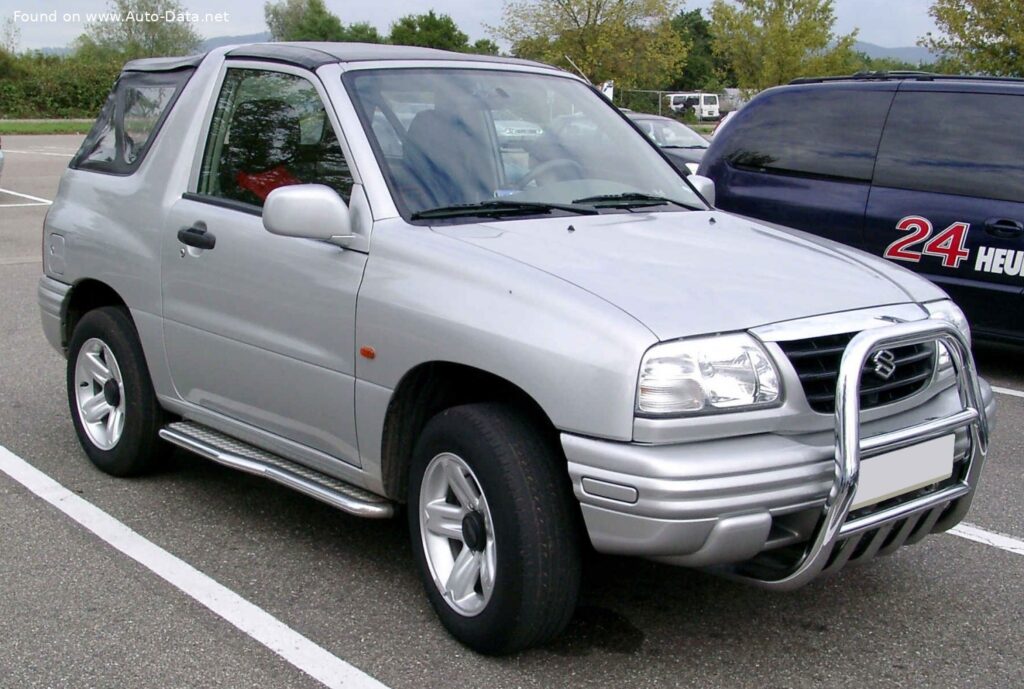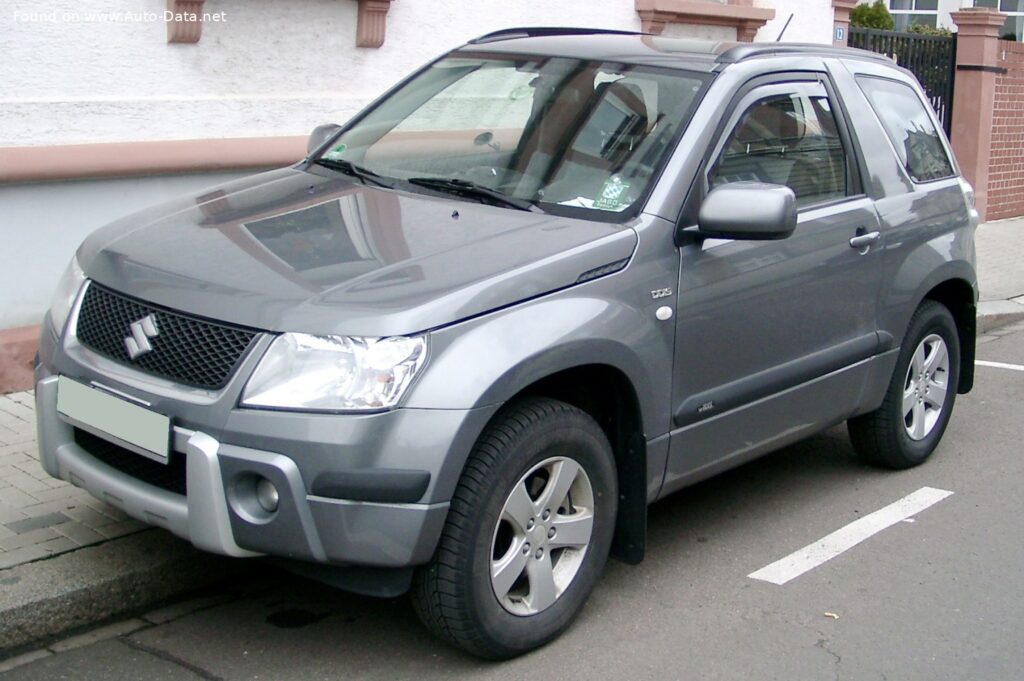
The Suzuki Grand Vitara II 3 Door, produced between 2005 and 2008, represented the second generation of Suzuki’s popular compact SUV. While its longer five-door sibling was available in North America, the three-door variant, particularly with the 2.4-liter VVT engine and automatic transmission, primarily served markets outside the United States, notably Europe, Asia, and Australia. This iteration of the Grand Vitara marked a significant evolution from its more utilitarian predecessors, blending a more refined on-road experience with Suzuki’s renowned off-road capability. Positioned in the highly competitive compact SUV segment, the Grand Vitara II 3 Door aimed to attract buyers seeking a robust and versatile vehicle capable of navigating both urban environments and challenging terrains.
The 2.4L VVT Automatic: A Mid-Range Offering
The 2.4-liter VVT engine paired with a four-speed automatic transmission represented a mid-range offering within the Grand Vitara II 3 Door lineup. It sat above the base models, which often featured smaller displacement engines (typically 1.6L or 2.0L) and sometimes manual transmissions, and below any potential limited edition or higher-specification trims. This configuration was designed to appeal to buyers who desired a balance between affordability, performance, and convenience. The automatic transmission, in particular, broadened the vehicle’s appeal to a wider demographic, including those who preferred the ease of use over a manual gearbox. It was a popular choice for those seeking a capable and comfortable SUV without the higher price tag of more powerful or luxurious options.
Powertrain & Engine Architecture
At the heart of this specific Suzuki Grand Vitara II 3 Door model was the J24B engine, a naturally aspirated 2.4-liter (2393 cm³ or 146.03 cu. in.) inline four-cylinder powerplant. This engine featured a Double Overhead Camshaft (DOHC) valvetrain with 16 valves (four per cylinder) and Suzuki’s Variable Valve Timing (VVT) technology. The VVT system was crucial for optimizing valve lift and timing, allowing the engine to deliver a respectable 163 horsepower at 6000 rpm and a solid 165.95 lb.-ft. of torque at 3800 rpm. This combination ensured a broad power band, providing adequate acceleration for highway driving and sufficient low-end torque for off-road excursions.
The J24B engine utilized a multi-point fuel injection system, delivering fuel directly to each intake port. This system, combined with the DOHC valvetrain, contributed to efficient combustion and optimized engine performance. The engine block was constructed from cast iron for durability, while the cylinder head was made of aluminum to reduce weight. The four-speed automatic transmission, a conventional hydraulic unit, was chosen for its reliability and simplicity. While not offering the efficiency of more modern transmissions with a greater number of gears, it provided smooth and predictable shifts, well-suited to the engine’s characteristics and the vehicle’s intended use.
Driving Characteristics
The 2.4 VVT engine and four-speed automatic transmission combination delivered a driving experience that prioritized usability and dependability over outright performance. Acceleration from 0 to 60 mph took a reasonable 10.9 seconds, and the top speed reached 105.63 mph. Compared to manual transmission versions of the same engine, the automatic resulted in a slight decrease in acceleration due to the inherent power loss within the torque converter. However, the automatic offered a more relaxed driving experience, particularly in urban traffic. Compared to the smaller displacement engines, the 2.4L provided noticeably more power for highway merging and overtaking. The permanent all-wheel-drive system, coupled with the automatic transmission, made the Grand Vitara II 3 Door a capable performer in various weather conditions and on moderately challenging off-road terrain. The gear ratios were tuned for a balance between fuel economy and usable power, with first gear providing sufficient torque for climbing steep inclines and fourth gear offering comfortable cruising speeds.
Equipment & Trim Levels
The Grand Vitara II 3 Door with the 2.4L VVT automatic typically came equipped with a range of standard features considered competitive for its price point. These included air conditioning, power windows and locks, a basic audio system (often with CD player and AM/FM radio), and Anti-lock Braking System (ABS). Interior upholstery was typically cloth, with a durable and practical design. Dashboard configuration was straightforward and functional, prioritizing ease of use over elaborate styling. Optional extras varied by market but commonly included alloy wheels, a sunroof, upgraded audio systems with CD changers, and metallic paint finishes. Some markets also offered options like leather upholstery and a rear parking sensor system. The trim level often dictated the availability of these optional features, with higher trims offering more standard equipment.
Chassis & Braking
The Grand Vitara II 3 Door utilized a robust chassis construction, featuring a monocoque body integrated with a ladder frame. This design provided a good balance of rigidity and off-road durability. The suspension system comprised a spring strut setup at the front and coil springs at the rear, tuned to provide a comfortable ride on pavement while also absorbing the impacts of uneven terrain. The suspension was generally softer than that found on some of its competitors, prioritizing ride comfort over sporty handling. Braking was handled by ventilated discs at the front and solid discs at the rear, ensuring consistent stopping power. The braking system was adequate for the vehicle’s weight and performance, but lacked advanced features like electronic brakeforce distribution (EBD) in some markets. Stabilizer bars were fitted to both the front and rear axles to reduce body roll during cornering.
Market Reception & Comparison
Critics generally viewed the 2.4L VVT automatic Grand Vitara II 3 Door favorably, praising its blend of practicality, off-road capability, and affordability. It was often lauded for its robust construction and reliable powertrain. Fuel economy, rated at 25 US mpg combined, was considered acceptable for a non-turbocharged all-wheel-drive SUV of its era, though not class-leading. Compared to the smaller displacement engines, the 2.4L offered a noticeable improvement in performance, making it a more enjoyable driving experience, particularly on the highway. Compared to the manual transmission versions, the automatic provided greater convenience, but at the expense of slightly reduced fuel economy and acceleration. Reliability was generally considered good, with few widespread issues reported. The Grand Vitara II 3 Door offered a compelling alternative to more expensive and less capable crossovers, appealing to buyers who valued versatility and durability.
Technical Specifications
| Brand | Suzuki |
| Model | Grand Vitara |
| Generation | Grand Vitara II 3 Door |
| Engine Type | 2.4 VVT (163 Hp) Automatic |
| Production Start | 2005 |
| Production End | 2008 |
| Powertrain Architecture | Internal Combustion Engine |
| Body Type | SUV |
| Seats | 5 |
| Doors | 3 |
| Fuel Consumption (Urban) | 19.8 US mpg |
| Fuel Consumption (Extra Urban) | 29.4 US mpg |
| Fuel Consumption (Combined) | 25 US mpg |
| Fuel Type | Petrol (Gasoline) |
| Acceleration 0 – 60 mph | 10.9 sec |
| Maximum Speed | 105.63 mph |
| Emission Standard | Euro 4 |
| Weight-to-Power Ratio | 8.9 kg/Hp (112.8 Hp/tonne) |
| Weight-to-Torque Ratio | 6.4 kg/Nm (155.7 Nm/tonne) |
| Power | 163 Hp @ 6000 rpm |
| Torque | 165.95 lb.-ft. @ 3800 rpm |
| Engine Displacement | 2.4 liters (2393 cm³ / 146.03 cu. in.) |
| Engine Model/Code | J24B |
| Curb Weight | 3185.68 lbs (1445 kg) |
| Fuel Tank Capacity | 14.53 US gal (55 l) |
| Length | 157.68 in (4005 mm) |
| Width | 71.26 in (1810 mm) |
| Height | 66.73 in (1695 mm) |
Legacy
The Suzuki Grand Vitara II 3 Door, particularly the 2.4L VVT automatic variant, has proven to be a relatively reliable vehicle in the long term. The J24B engine is known for its durability, and the four-speed automatic transmission, while not the most sophisticated, is generally robust. Common maintenance items include regular oil changes, timing belt replacement (typically around 100,000 miles), and inspection of the suspension components. In the used car market today, these Grand Vitaras are often sought after by those looking for an affordable and capable 4×4. Their relatively simple construction makes them easier and less expensive to repair than many more modern vehicles. While they may not offer the latest technology or fuel efficiency, their ruggedness and dependability continue to appeal to a dedicated following. They represent a solid choice for those seeking a practical and versatile SUV that can handle both daily commutes and occasional off-road adventures.