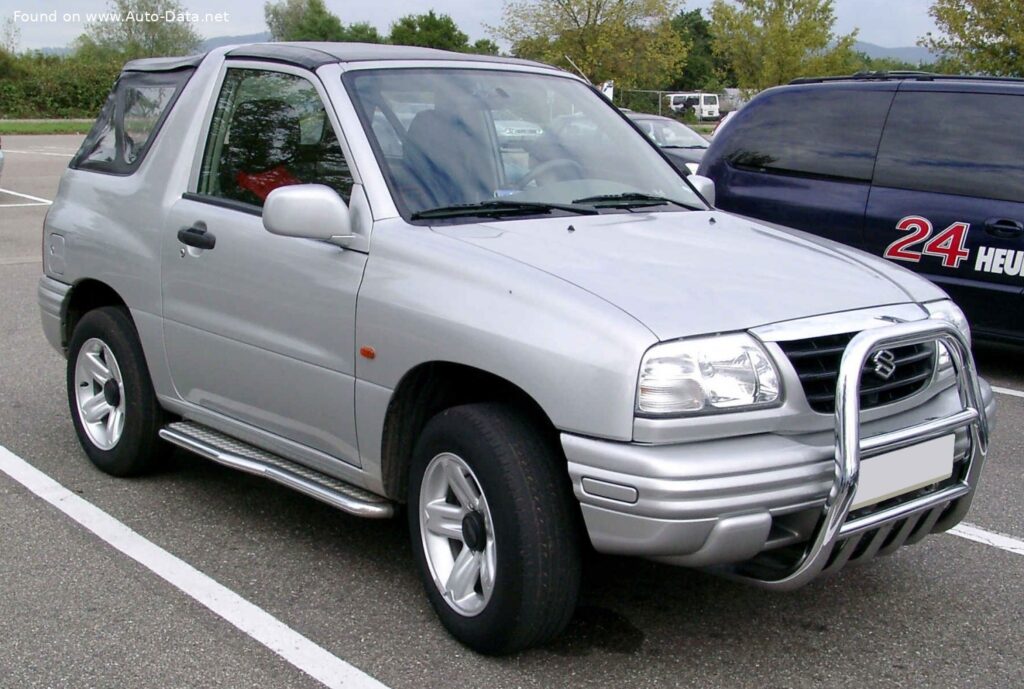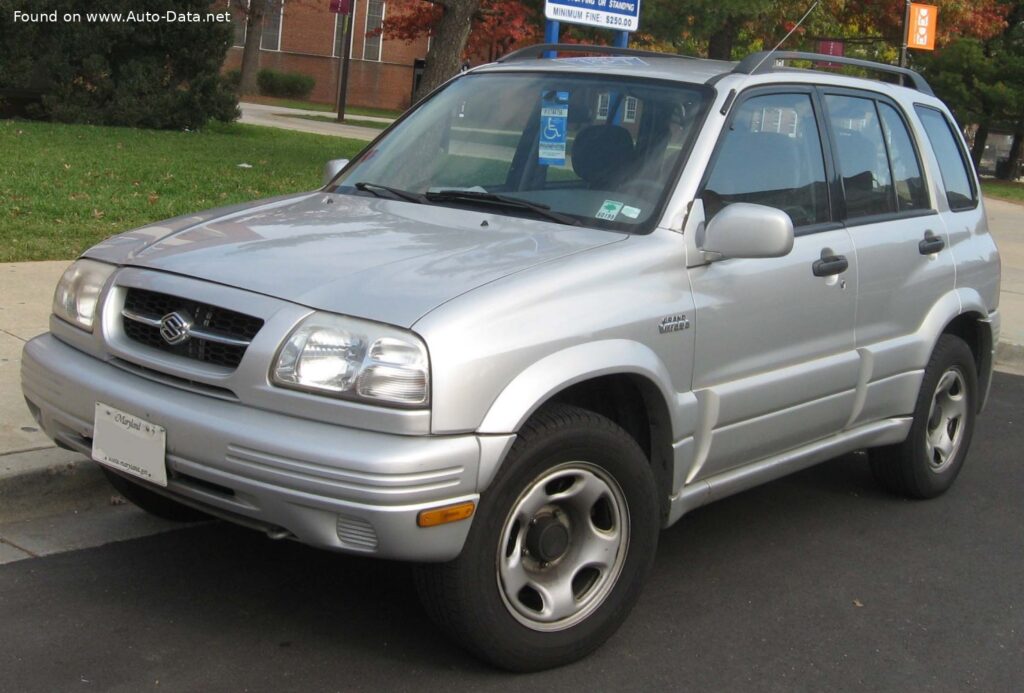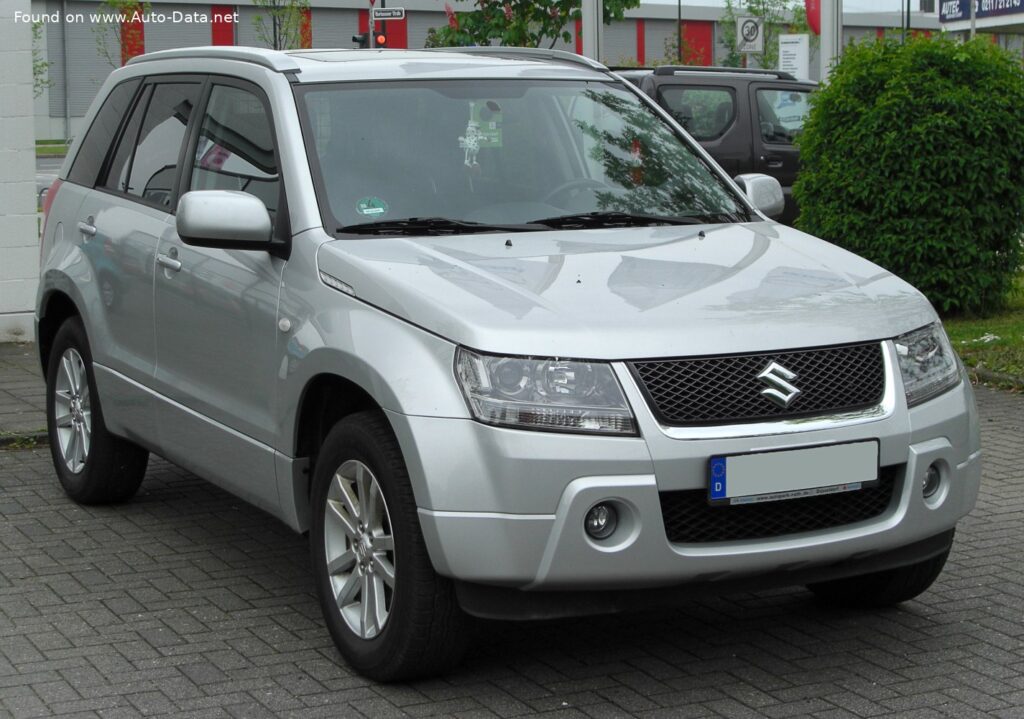
The Suzuki Grand Vitara II 5 Door 1.9 DDiS (129 Hp), produced between 2005 and 2008, represents a significant chapter in Suzuki’s global automotive strategy, particularly outside the North American market. As a compact SUV, this second-generation Grand Vitara, known for its robust construction and capable all-wheel-drive system, was a popular choice in European and other international markets where diesel powertrains held considerable appeal. While its gasoline-powered siblings were familiar sights in the United States, this specific diesel variant underscored Suzuki’s commitment to offering diverse powertrain options tailored to regional demands. It carved out a niche as a practical, economical, and surprisingly capable vehicle, blending urban usability with genuine off-road credentials.
The Grand Vitara II generation marked a departure from its more utilitarian predecessors, adopting a monocoque body with an integrated ladder frame, a design choice that offered a superior balance of on-road refinement and off-road ruggedness. The 1.9 DDiS model, in particular, was positioned as an economical yet torquey option for consumers seeking efficiency without sacrificing the versatility and all-weather capability expected from a Suzuki SUV. This article delves into the technical specifications, design philosophy, and market impact of this distinctive variant, highlighting its role in Suzuki’s global portfolio.
Powertrain & Engine Architecture
At the heart of the Suzuki Grand Vitara II 5 Door 1.9 DDiS (129 Hp) lay a robust 1.9-liter (1870 cm3 or 114.11 cu. in.) F9Q inline-four diesel engine. This powerplant, developed in collaboration with Renault, was a common sight in various European vehicles of the era, attesting to its reliability and proven performance. Equipped with a common rail fuel injection system, a turbocharger, and an intercooler, the engine was designed to deliver a potent combination of power and efficiency. It produced a respectable 129 horsepower at 3750 RPM, providing ample motivation for daily driving and light off-road excursions.
More critically for a diesel SUV, the 1.9 DDiS engine generated a substantial 221.27 lb.-ft. of torque at a low 2000 RPM. This characteristic low-end torque was instrumental in the vehicle’s off-road prowess, enabling easier climbs and confident towing capabilities. The engine utilized a direct injection system, maximizing combustion efficiency and contributing to its fuel economy. The valvetrain featured two valves per cylinder (DOHC), a configuration common for diesel engines of this era, balancing performance and durability. Mated exclusively to a 5-speed manual transmission, the powertrain channeled its output through a sophisticated all-wheel-drive (4×4) system, further enhancing its versatility in varying conditions.
Transmission Details
The 5-speed manual transmission used in conjunction with the 1.9 DDiS engine was a standard unit, designed to handle the engine’s torque output. Gear ratios were optimized for both on-road cruising and off-road crawling. First gear was relatively low, providing ample torque multiplication for challenging terrain, while fifth gear was geared for efficient highway driving. The transmission’s shift quality was generally considered smooth and precise, contributing to a pleasant driving experience. The all-wheel-drive system offered selectable modes, including 2H (two-wheel drive), 4H (four-wheel drive high), and 4L (four-wheel drive low), allowing drivers to tailor the vehicle’s traction to the prevailing conditions.
Driving Characteristics
In real-world conditions, the Grand Vitara II 1.9 DDiS offered a driving experience characterized by its strong low-end torque and respectable fuel economy. While not a particularly fast vehicle – managing a 0 to 60 mph sprint in approximately 12.5 seconds – it provided ample power for everyday driving and overtaking maneuvers. The engine’s torque curve was relatively flat, meaning that a significant amount of power was available across a wide RPM range. This made it easy to drive in a variety of situations, without the need for frequent gear changes.
Compared to the gasoline-powered versions of the Grand Vitara II, the 1.9 DDiS offered a more relaxed driving experience, particularly at highway speeds. The diesel engine’s higher torque output allowed it to maintain speed on inclines without requiring downshifts. However, it was noticeably slower in terms of outright acceleration. Compared to higher-output diesel variants available in other markets, the 129 hp version was positioned as an entry-level option, prioritizing fuel efficiency and affordability over outright performance. The manual transmission provided a more engaging driving experience than an automatic would have, allowing drivers to fully utilize the engine’s torque.
Equipment & Trim Levels
The Suzuki Grand Vitara II 5 Door 1.9 DDiS typically came equipped with a reasonable level of standard features, reflecting its position as a mid-range offering. Standard equipment generally included air conditioning, power windows, power door locks, central locking, and an audio system with CD player. Safety features included ABS (Anti-lock Braking System) and front airbags. Interior upholstery was typically cloth, with a durable and practical design. The dashboard layout was functional and straightforward, with easy-to-read gauges and controls.
Optional extras available for the 1.9 DDiS trim included alloy wheels, a sunroof, a rear parking sensor, and upgraded audio systems. Some models also offered leather upholstery and heated front seats as optional extras. The availability of these options varied depending on the specific market and year of production. The overall interior ambiance was generally considered comfortable and well-built, although it lacked the premium feel of some of its more expensive competitors.
Chassis & Braking
The Grand Vitara II utilized a monocoque body construction with an integrated ladder frame, providing a good balance of on-road comfort and off-road durability. The suspension system comprised a MacPherson strut setup at the front and a three-link coil spring setup at the rear. This configuration provided a comfortable ride on paved roads while also offering sufficient articulation for off-road driving. The suspension was tuned to prioritize stability and control, rather than outright sportiness.
Braking duties were handled by ventilated discs at the front and drum brakes at the rear. The drum brakes at the rear were a cost-saving measure, common in this segment. The ABS system helped to prevent wheel lockup during hard braking, enhancing safety and control. The steering system utilized a rack and pinion setup, providing precise and responsive handling. The kerb weight of 3659.67 lbs. (1660 kg) and a maximum load capacity of 903.9 lbs. (410 kg) highlighted its robust construction and utility.
Market Reception & Comparison
Critics generally viewed the Suzuki Grand Vitara II 5 Door 1.9 DDiS as a competent and practical SUV, offering a good balance of features, performance, and fuel economy. Its strong points included its robust all-wheel-drive system, its torquey diesel engine, and its competitive pricing. However, some critics noted that its interior was not as refined as some of its rivals, and that its acceleration was not particularly brisk.
In terms of fuel economy, the 1.9 DDiS variant consistently outperformed the gasoline-powered versions of the Grand Vitara II, achieving a combined fuel consumption of around 30.5 US mpg. This made it a particularly attractive option for drivers who covered long distances or who were concerned about fuel costs. In terms of reliability, the 1.9 DDiS engine proved to be generally reliable, although regular maintenance was essential to ensure its longevity. Compared to other trims in the lineup, the 1.9 DDiS offered a more economical and fuel-efficient option, appealing to a different segment of the market.
Technical Specifications: Suzuki Grand Vitara II 5 Door 1.9 DDiS (129 Hp)
| Category | Specification |
| General Information | |
| Brand | Suzuki |
| Model | Grand Vitara |
| Generation | Grand Vitara II 5 Door |
| Type (Engine) | 1.9 DDiS (129 Hp) |
| Start of Production | 2005 year |
| End of Production | 2008 year |
| Powertrain Architecture | Internal Combustion engine |
| Body type | SUV |
| Seats | 5 |
| Doors | 5 |
| Performance Specifications | |
| Fuel consumption (urban) | 9.4 l/100 km |
| Fuel consumption (extra urban) | 6.7 l/100 km |
| Fuel consumption (combined) | 7.7 l/100 km |
| Fuel Type | Diesel |
| Acceleration 0 – 60 mph | 12.5 sec |
| Maximum speed | 171 km/h |
| Weight-to-power ratio | 12.9 kg/Hp |
| Weight-to-torque ratio | 5.5 kg/Nm |
| Engine Specifications | |
| Power | 129 Hp @ 3750 rpm. |
| Power per liter | 69 Hp/l |
| Torque | 300 Nm @ 2000 rpm. |
| Engine layout | Front, Longitudinal |
| Engine Model/Code | F9Q |
| Engine displacement | 1870 cm3 |
| Number of cylinders | 4 |
| Engine configuration | Inline |
| Cylinder Bore | 80 mm |
| Piston Stroke | 93 mm |
| Compression ratio | 17:1 |
| Fuel injection system | Diesel Commonrail |
| Engine aspiration | Turbocharger, Intercooler |
| Engine oil capacity | 5.1 l |
| Coolant capacity | 7.5 l |
| Space, Volume and Weights | |
| Kerb Weight | 1660 kg |
| Max. weight | 2070 kg |
| Max load | 410 kg |
| Fuel tank capacity | 66 l |
| Dimensions | |
| Length | 4470 mm |
| Width | 1810 mm |
| Height | 1695 mm |
| Wheelbase | 2640 mm |
| Front track | 1540 mm |
| Rear (Back) track | 1570 mm |
| Drivetrain, Brakes and Suspension Specifications | |
| Drive wheel | All wheel drive (4×4) |
| Number of gears and type of gearbox | 5 gears, manual transmission |
| Front suspension | Spring Strut |
| Rear suspension | Coil spring |
| Front brakes | Ventilated discs |
| Rear brakes | Drum |
| Assisting systems | ABS (Anti-lock braking system) |
| Steering type | Steering rack and pinion |
| Tires size | 225/65 R17 |
| Wheel rims size | 17 |
Legacy
The Suzuki Grand Vitara II 5 Door 1.9 DDiS (129 Hp) has proven to be a relatively reliable powertrain in the long term, provided it receives regular maintenance. The Renault-sourced diesel engine is known for its durability, and the manual transmission is generally robust. Common issues include wear and tear on suspension components and potential problems with the turbocharger, particularly if the vehicle has been subjected to heavy use.
In the used car market today, the 1.9 DDiS variant of the Grand Vitara II is often sought after by buyers looking for a practical, economical, and capable SUV. Its relatively low running costs and proven reliability make it an attractive option, particularly for those who prioritize fuel efficiency and off-road capability. While it may not offer the same level of refinement or luxury as some of its competitors, its value for money and robust construction continue to make it a popular choice among discerning buyers.