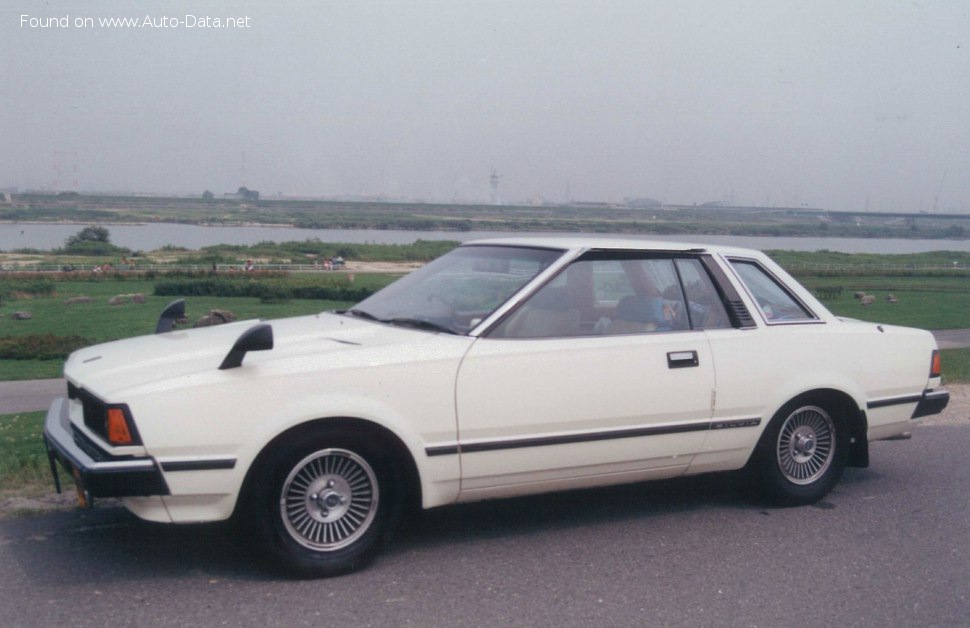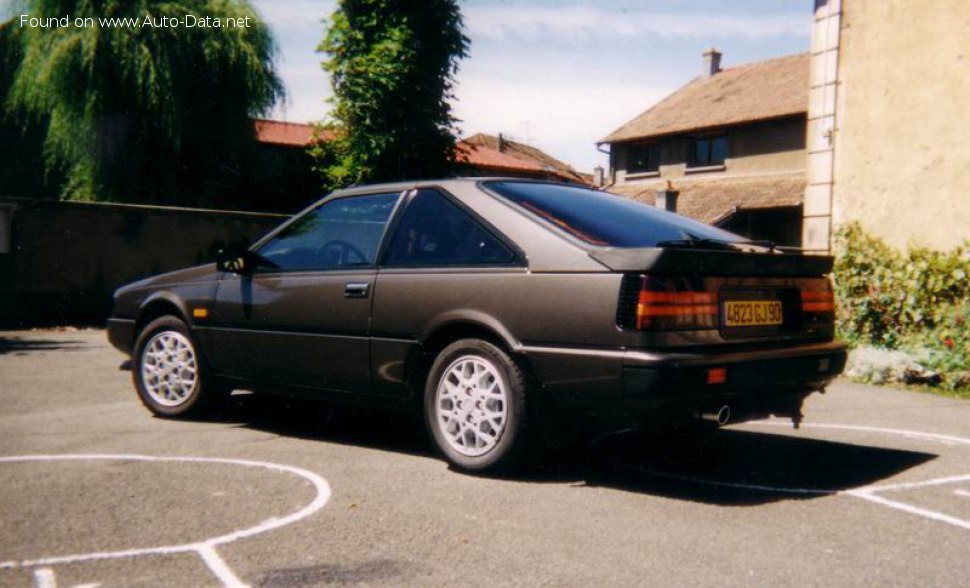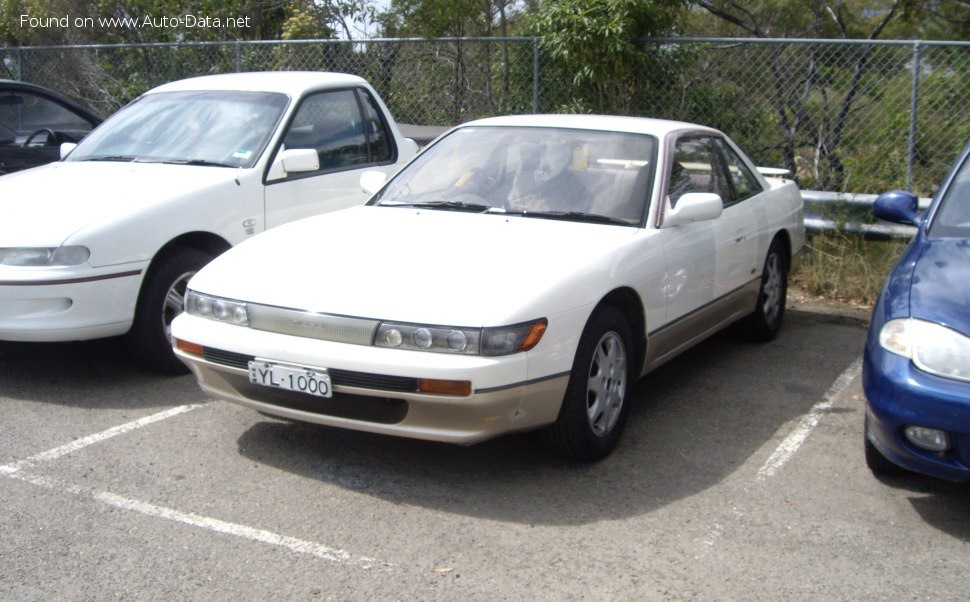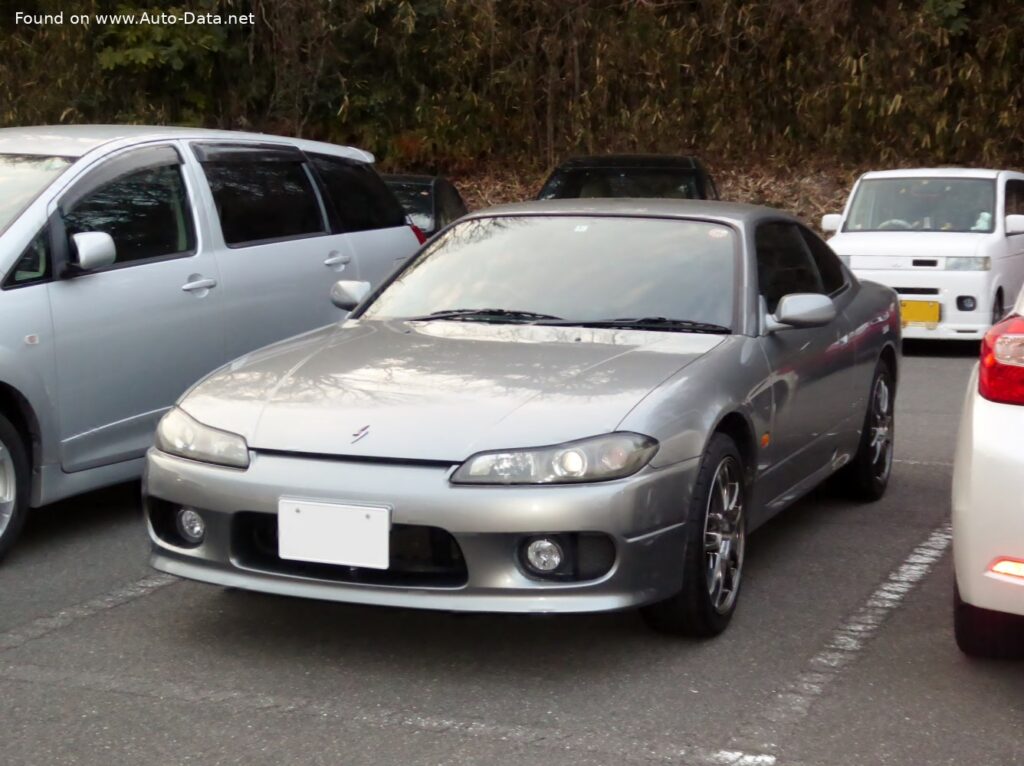
The Nissan Silvia (S15) represents the seventh and final generation of Nissan’s celebrated Silvia line of sport compact coupes. Produced from 1999 to 2002, the S15 was primarily offered in its domestic market of Japan, with limited distribution to Australia and New Zealand. It was never officially imported to the United States. Despite this limited official availability, the Nissan Silvia (S15) quickly gained legendary status among automotive enthusiasts worldwide, particularly within the drifting and tuning scenes. It’s renowned for its powerful turbocharged engine, balanced rear-wheel-drive chassis, and striking, aggressive styling, solidifying its position as one of the most desirable Japanese Domestic Market (JDM) performance cars of its time.
The 2.0 i 16V T: Positioning and Overview
The 2.0 i 16V T variant, equipped with the SR20DET engine, occupied a mid-to-high range position within the S15 lineup. While Nissan offered a naturally aspirated version (the 1.8L QG18DE) as a more affordable entry point, the 2.0 i 16V T was the performance flagship. It catered to drivers seeking a significant power upgrade and a more engaging driving experience. A Spec-R trim was also available, focusing on track performance with reduced weight and upgraded suspension, but the 2.0 i 16V T served as the foundation for many high-performance builds. It was positioned above the base models in terms of price and performance, but below any potential limited-edition or heavily modified versions offered by Nissan’s tuning arm, Nismo.
Powertrain & Engine Architecture
The heart of the S15 2.0 i 16V T is the SR20DET, a 1,998 cubic centimeter (approximately 2.0-liter) inline-four engine. This engine is a derivative of the SR20DE, but distinguished by the addition of a turbocharger and strengthened internal components. The SR20DET features a double overhead camshaft (DOHC) valvetrain with four valves per cylinder, enabling efficient cylinder filling and high-revving capability. The turbocharger, typically a Garrett GT28RS, provides significant boost, increasing power output substantially over the naturally aspirated versions. Fuel delivery is managed by a multi-port fuel injection system, ensuring precise fuel metering for optimal combustion. The engine utilizes an 8.5:1 compression ratio, a balance between performance and reliability.
Power is transmitted to the rear wheels through a robust 6-speed manual transmission, offering precise gear changes and a direct connection between driver and engine. The transmission features close gear ratios designed to maximize acceleration and maintain the engine within its optimal powerband. The SR20DET is longitudinally mounted, contributing to the car’s balanced weight distribution. The engine’s design allowed for significant tuning potential, with many aftermarket components readily available to increase horsepower and torque.
Driving Characteristics
The S15 2.0 i 16V T delivers a distinctly sporty driving experience. The 250 horsepower and 202.09 lb-ft of torque provide brisk acceleration and ample power for both street driving and track use. The turbocharger introduces a slight amount of turbo lag, but once spooled, the power delivery is strong and linear. The 6-speed manual transmission allows drivers to precisely control the engine’s output, maximizing performance in various driving situations. Compared to the naturally aspirated 1.8L model, the 2.0 i 16V T offers a significantly more responsive and engaging driving experience. While the naturally aspirated version prioritized fuel economy and affordability, the turbo model focused on performance and driver involvement. The relatively low curb weight of approximately 2,777.82 pounds (1260 kg) contributes to the car’s nimble handling and quick acceleration. The rear-wheel-drive configuration provides a classic sports car feel, with a tendency towards oversteer that is favored by drifting enthusiasts.
Equipment & Trim Levels
The S15 2.0 i 16V T typically came equipped with a range of features designed to enhance the driving experience. Standard equipment included power windows, power locks, air conditioning, and a driver-side airbag. Interior upholstery was typically cloth, although leather options were available. The dashboard layout is driver-focused, with clear instrumentation and well-placed controls. Optional extras included a sunroof, upgraded audio systems, and various cosmetic enhancements. The Spec-R trim level, a performance-oriented variant, featured lighter Recaro seats, a more aggressive suspension setup, and a limited-slip differential. The standard S15 2.0 i 16V T offered a comfortable and well-equipped interior, while still prioritizing performance and driver engagement.
Chassis & Braking
The S15’s chassis is designed for agility and responsiveness. It utilizes a MacPherson strut suspension in the front and a multi-link suspension in the rear, providing a firm yet compliant ride. The suspension geometry is optimized for handling, minimizing body roll and maximizing grip. The steering is hydraulic power-assisted, offering precise control and good feedback. Braking duties are handled by ventilated discs at the front and solid discs at the rear, providing adequate stopping power for spirited driving. An Anti-lock Braking System (ABS) was standard, enhancing safety and control during emergency braking situations. The S15’s relatively lightweight construction contributes to its nimble handling characteristics. Stabilizer bars are present at both the front and rear, further reducing body roll and improving cornering stability.
Market Reception & Comparison
The Nissan Silvia (S15) 2.0 i 16V T received overwhelmingly positive reviews from automotive critics and enthusiasts. It was praised for its potent engine, balanced handling, and attractive styling. Compared to other Japanese sports cars of the era, such as the Honda S2000 and Mazda RX-7, the S15 offered a more affordable entry point into the performance market. While the S2000 focused on high-revving naturally aspirated power and the RX-7 on rotary engine technology, the S15 provided a compelling combination of turbocharged performance and rear-wheel-drive dynamics. Fuel economy was reasonable for a turbocharged sports car, with an urban consumption rate of approximately 26.7 US miles per gallon (8.8 liters per 100 km). Reliability was generally good, although the SR20DET engine required regular maintenance to ensure optimal performance. The S15’s aftermarket support was extensive, allowing owners to customize and upgrade their vehicles to suit their individual preferences.
Technical Specifications: Nissan Silvia (S15) 2.0 i 16V T (250 Hp)
| Brand | Nissan |
| Model | Silvia |
| Generation | Silvia (S15) |
| Type (Engine) | 2.0 i 16V T (250 Hp) |
| Start of Production | 1999 |
| End of Production | 2002 |
| Powertrain Architecture | Internal Combustion Engine |
| Body Type | Coupe |
| Seats | 4 |
| Doors | 2 |
| Fuel Consumption (Urban) | 8.8 l/100 km (26.7 US mpg) |
| Fuel Type | Petrol (Gasoline) |
| Maximum Speed | 235 km/h (146.02 mph) |
| Weight-to-Power Ratio | 5 kg/Hp (198.4 Hp/tonne) |
| Weight-to-Torque Ratio | 4.6 kg/Nm (217.5 Nm/tonne) |
| Power | 250 Hp @ 6400 rpm |
| Power per Liter | 125.1 Hp/l |
| Torque | 274 Nm @ 4800 rpm (202.09 lb.-ft. @ 4800 rpm) |
| Engine Layout | Front, Longitudinal |
| Engine Model/Code | SR20DET |
| Engine Displacement | 1998 cm³ (121.93 cu. in.) |
| Number of Cylinders | 4 |
| Engine Configuration | Inline |
| Cylinder Bore | 86 mm (3.39 in.) |
| Piston Stroke | 86 mm (3.39 in.) |
| Compression Ratio | 8.5:1 |
| Number of Valves per Cylinder | 4 |
| Fuel Injection System | Multi-port manifold injection |
| Engine Aspiration | Turbocharger |
| Valvetrain | DOHC |
| Engine Oil Capacity | 3.5 l (3.7 US qt) |
| Coolant Capacity | 7 l (7.4 US qt) |
| Kerb Weight | 1260 kg (2777.82 lbs) |
| Max. Weight (GVWR) | 1780 kg (3924.23 lbs) |
| Max Load | 520 kg (1146.4 lbs) |
| Trunk (Boot) Space – Minimum | 240 l (8.48 cu. ft.) |
| Fuel Tank Capacity | 65 l (17.17 US gal) |
| Length | 4445 mm (175 in.) |
| Width | 1695 mm (66.73 in.) |
| Height | 1285 mm (50.59 in.) |
| Wheelbase | 2525 mm (99.41 in.) |
| Front Track | 1480 mm (58.27 in.) |
| Rear (Back) Track | 1470 mm (57.87 in.) |
| Minimum Turning Circle | 9.8 m (32.15 ft.) |
| Drivetrain Architecture | Front-engine, Rear-wheel drive |
| Drive Wheel | Rear wheel drive |
| Number of Gears and Type of Gearbox | 6 gears, manual transmission |
| Front Suspension | Coil spring |
| Rear Suspension | Coil spring |
| Front Brakes | Ventilated discs |
| Rear Brakes | Disc |
| Assisting Systems | ABS (Anti-lock braking system) |
| Power Steering | Hydraulic Steering |
| Tires Size | 205/55 R16 |
Legacy
The Nissan Silvia (S15) 2.0 i 16V T has proven to be a remarkably durable and reliable platform. The SR20DET engine, while capable of producing significant power, is generally considered robust when properly maintained. Common issues include turbocharger wear and tear, and the need for regular oil changes to prevent sludge buildup. In the used car market, the S15 commands a premium price, particularly for well-maintained examples with low mileage. Its rarity in North America further drives up demand and value. The S15’s enduring popularity is a testament to its exceptional design, performance, and tuning potential. It remains a highly sought-after vehicle among enthusiasts, and its legacy as a JDM icon is firmly secured.