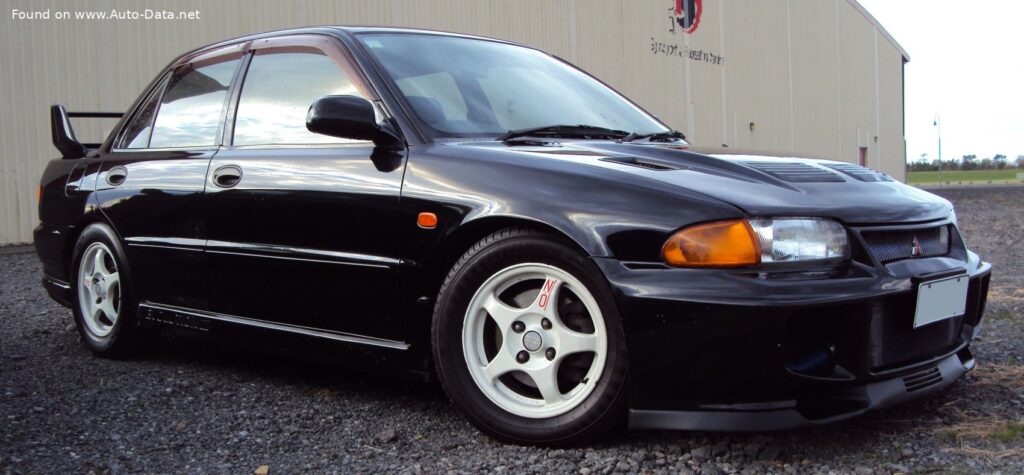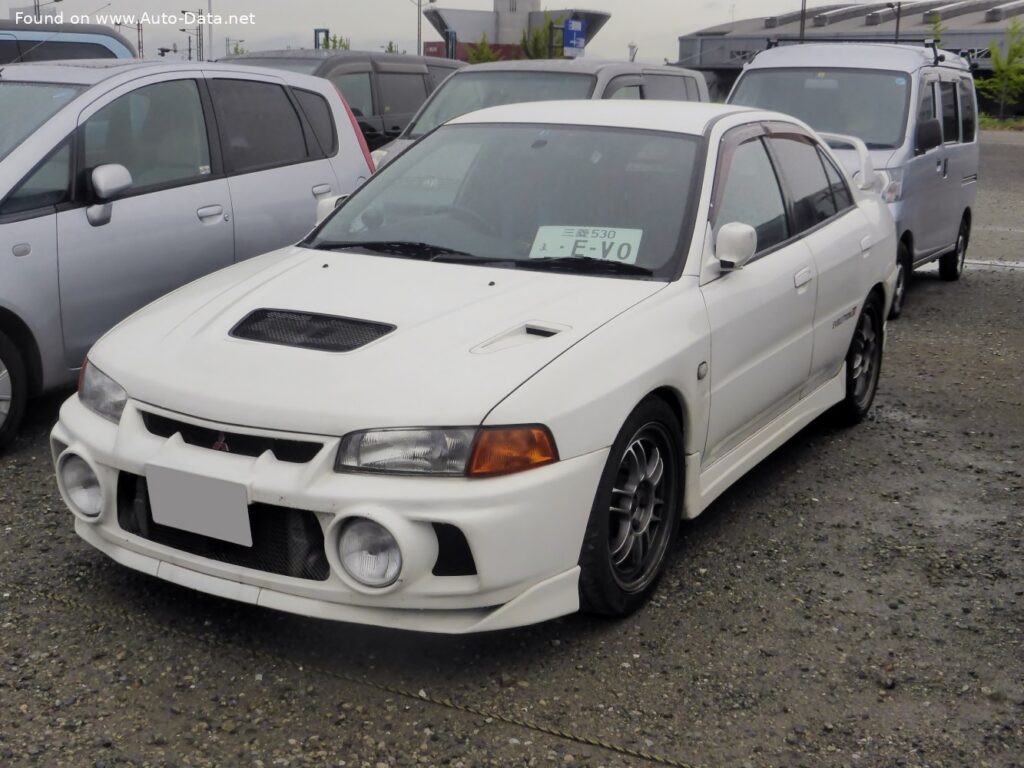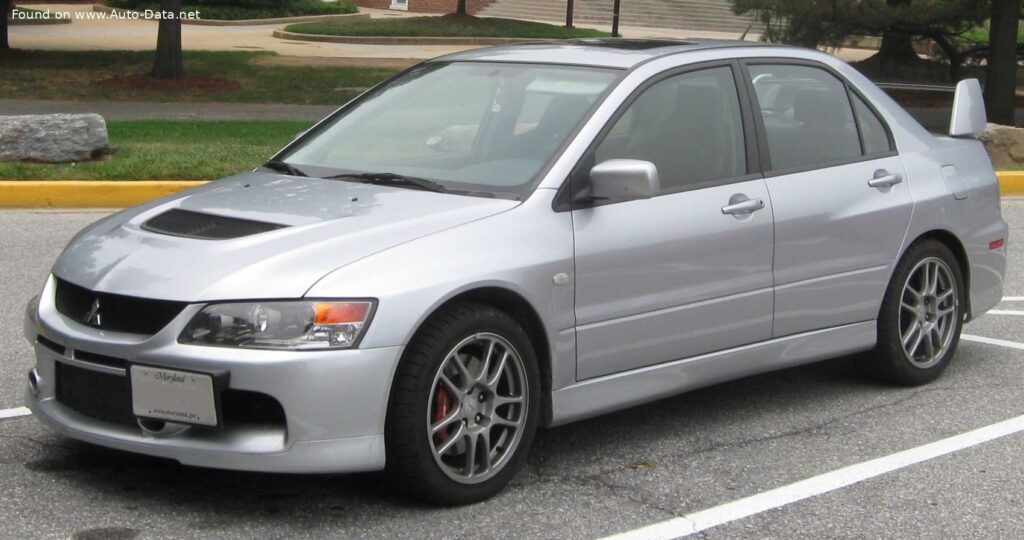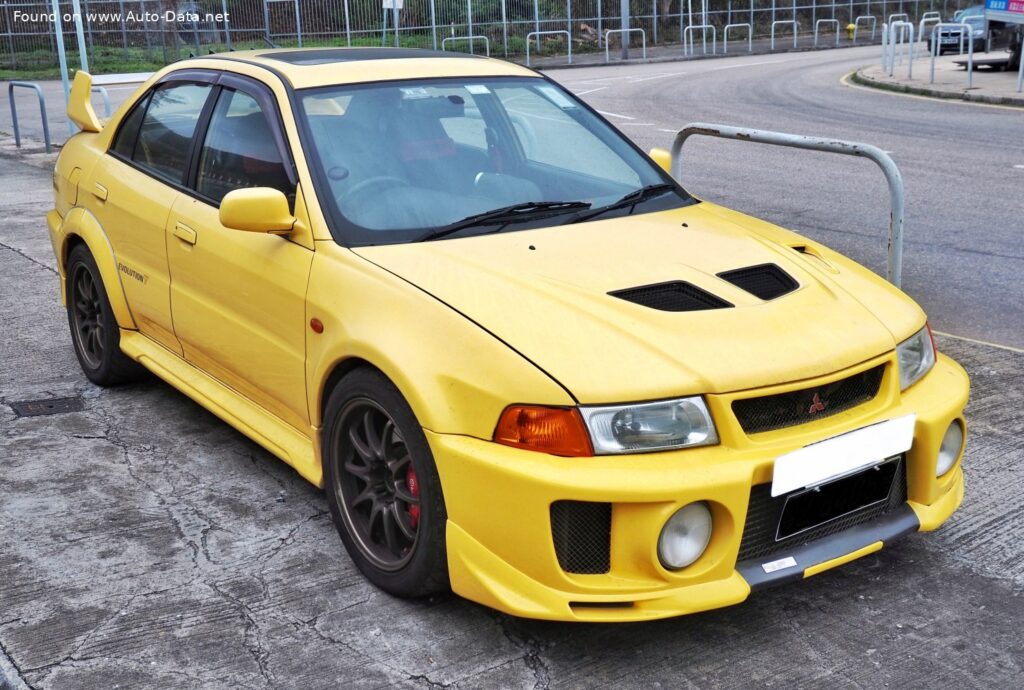
The Mitsubishi Lancer Cedia represents a significant evolution in the long-running Lancer lineage, specifically targeting the Japanese Domestic Market (JDM) and select Asian and Oceanian regions. Introduced in 2000, the Lancer Cedia generation marked a departure from its predecessors with a new platform, updated styling, and a focus on enhanced comfort, safety, and fuel efficiency. The variant under discussion, the Mitsubishi Lancer Cedia 1.5i (105 Hp) Automatic, was a core offering, exemplifying the model’s blend of practicality and modern engineering for its time. Produced from 2000 to 2004, this compact sedan was designed to cater to families and urban commuters seeking a reliable and economical vehicle.
While the “Cedia” designation was primarily used in its home market, this generation of Lancer was sold globally, often simply as the Mitsubishi Lancer, including in North America. The Cedia name itself was a portmanteau of “Century Diamond,” reflecting Mitsubishi’s aspirations for the new millennium. This particular 1.5-liter automatic front-wheel-drive sedan was a workhorse, providing accessible transportation with Mitsubishi’s hallmark durability.
Powertrain & Engine Architecture
At the core of the Mitsubishi Lancer Cedia 1.5i (105 Hp) Automatic was Mitsubishi’s 4G15 engine, a 1.5-liter (1468 cm³ or 89.58 cu. in.) inline four-cylinder powerplant. This engine, known for its reliability and efficiency, was configured with a Double Overhead Camshaft (DOHC) valvetrain and four valves per cylinder, a setup that allowed for optimal breathing and power delivery across the RPM range. Notably, this specific variant employed a Gasoline Direct Injection (GDI) system, a technology more commonly associated with later generations of engines. This GDI system contributed to improved fuel economy and reduced emissions, showcasing Mitsubishi’s commitment to advanced engine technology.
The 4G15 engine produced 105 horsepower at 6000 rpm, providing adequate power for daily driving and highway cruising. Torque output stood at 103.26 lb.-ft. (140 Nm) delivered at a relatively low 3500 rpm, ensuring responsive acceleration from a standstill and good flexibility in city traffic. The engine’s front, transverse layout, combined with a front-wheel-drive architecture, was a standard configuration for compact sedans, optimizing interior space and manufacturing efficiency. Power was routed through a conventional 4-speed automatic transmission, a common choice for its smooth operation and ease of use, particularly in congested urban environments where the Cedia was expected to spend much of its life. This powertrain combination delivered a balance of performance, efficiency, and driving comfort that was highly competitive in its segment.
Fuel Injection and Valvetrain Details
The GDI system utilized high-pressure fuel injection directly into the combustion chamber, allowing for more precise fuel control and improved combustion efficiency. This contrasted with traditional port fuel injection systems where fuel was injected into the intake manifold. The DOHC valvetrain, with its four valves per cylinder, maximized airflow into and out of the engine, contributing to increased power output and improved engine responsiveness. The engine also featured an electronic throttle control system, further enhancing its efficiency and driveability.
Driving Characteristics
The Mitsubishi Lancer Cedia 1.5i (105 Hp) Automatic offered a comfortable and predictable driving experience. While not a performance-oriented vehicle, the 105 horsepower engine and 4-speed automatic transmission provided sufficient power for everyday driving situations. Acceleration was adequate for merging onto highways and navigating city streets, but it wasn’t particularly brisk. The automatic transmission was tuned for smooth shifts and fuel efficiency, prioritizing comfort over sporty responsiveness. Compared to the manual transmission versions of the Cedia, the automatic offered less driver engagement but greater convenience, particularly in stop-and-go traffic.
Compared to higher-output Lancer variants, such as those equipped with larger engines (e.g., 1.8L or 2.0L), the 1.5i Automatic naturally lagged in terms of outright performance. However, it compensated with superior fuel economy and a lower purchase price. The 4-speed automatic transmission’s gear ratios were optimized for fuel efficiency and smooth cruising, rather than aggressive acceleration. This made it a suitable choice for drivers prioritizing practicality and economy over sporty driving dynamics.
Equipment & Trim Levels
The Mitsubishi Lancer Cedia 1.5i (105 Hp) Automatic typically served as an entry-level or mid-range trim within the Cedia lineup. Standard features generally included air conditioning, power windows, power door locks, and a basic AM/FM radio with cassette player. Depending on the market and optional packages, additional features could include alloy wheels, a CD player, upgraded interior trim, and a rear spoiler. Safety features, such as dual front airbags and an Anti-lock Braking System (ABS), were often standard or available as options.
Interior upholstery was typically cloth, with a durable and practical design. The dashboard layout was functional and straightforward, with easy-to-read gauges and well-placed controls. The Cedia’s interior prioritized space and comfort, offering ample headroom and legroom for both front and rear passengers. Optional extras often included a sunroof, upgraded audio systems, and woodgrain interior trim, allowing buyers to customize their vehicles to their preferences.
Chassis & Braking
The Mitsubishi Lancer Cedia 1.5i (105 Hp) Automatic utilized a MacPherson strut front suspension and a multi-link rear suspension. This suspension setup provided a comfortable ride quality and decent handling characteristics. The front suspension featured coil springs and a stabilizer bar to reduce body roll during cornering. The rear suspension was designed to maximize space efficiency and provide a stable ride. Braking duties were typically handled by disc brakes on the front wheels and drum brakes on the rear wheels. ABS was often available as an option or standard on higher trim levels, enhancing braking performance and safety.
The chassis was designed to provide a balance of rigidity and weight savings. The use of high-strength steel in key areas helped to improve structural integrity without adding excessive weight. The steering system was a rack-and-pinion setup, providing precise and responsive steering feel. The overall chassis and braking system were designed to provide a safe and comfortable driving experience for the target audience of families and urban commuters.
Market Reception & Comparison
The Mitsubishi Lancer Cedia 1.5i (105 Hp) Automatic was generally well-received by critics and consumers in its target markets. It was praised for its reliability, fuel efficiency, and comfortable ride. However, some critics noted that its performance was somewhat lacking compared to competitors with larger engines. Fuel economy was a strong point, consistently achieving respectable figures for a vehicle in its class. In terms of reliability, the Cedia enjoyed a reputation for being a durable and dependable vehicle, requiring relatively little maintenance.
Compared to other trims in the Lancer Cedia lineup, the 1.5i Automatic offered a more affordable entry point. It was positioned as a practical and economical choice for buyers who didn’t require the extra performance of the higher-output variants. Against competitors like the Honda Civic, Toyota Corolla, and Nissan Sunny, the Cedia offered a competitive package with a focus on value and reliability. The GDI engine was a notable feature that set it apart from some of its rivals, offering improved fuel economy and reduced emissions.
Technical Specifications
| Category | Specification |
| General Information | |
| Brand | Mitsubishi |
| Model | Lancer |
| Generation | Lancer Cedia |
| Type (Engine) | 1.5i (105 Hp) Automatic |
| Start of Production | 2000 year |
| End of Production | 2004 year |
| Powertrain Architecture | Internal Combustion engine |
| Body Type | Sedan |
| Performance Specs | |
| Fuel Type | Petrol (Gasoline) |
| Power | 105 Hp @ 6000 rpm |
| Power per liter | 71.5 Hp/l |
| Torque | 140 Nm @ 3500 rpm (103.26 lb.-ft. @ 3500 rpm) |
| Engine Layout | Front, Transverse |
| Engine Model/Code | 4G15 |
| Engine Displacement | 1468 cm³ (1.5 l / 89.58 cu. in.) |
| Number of Cylinders | 4 |
| Engine Configuration | Inline |
| Cylinder Bore | 75.5 mm (2.97 in.) |
| Piston Stroke | 82 mm (3.23 in.) |
| Number of Valves per Cylinder | 4 |
| Fuel Injection System | Direct injection |
| Engine Aspiration | Naturally aspirated engine |
| Valvetrain | DOHC |
| Drivetrain, Brakes and Suspension Specs | |
| Drivetrain Architecture | The Internal Combustion Engine (ICE) drives the front wheels of the vehicle. |
| Drive Wheel | Front wheel drive |
| Number of Gears and Type of Gearbox | 4 gears, automatic transmission |
Legacy
The Mitsubishi Lancer Cedia, and specifically the 1.5i (105 Hp) Automatic variant, has proven to be a relatively reliable vehicle in the long term. The 4G15 engine is known for its durability, and with proper maintenance, it can provide many years of service. In the used car market, the Cedia 1.5i Automatic remains a popular choice for budget-conscious buyers seeking a dependable and economical sedan. While it may not offer the performance or features of more modern vehicles, its simplicity and reliability continue to appeal to a wide range of drivers. Parts availability is generally good, and maintenance costs are relatively low, making it an attractive option for those seeking affordable transportation. The Cedia’s legacy lies in its ability to provide practical and dependable transportation for families and commuters, solidifying Mitsubishi’s reputation for building durable and reliable vehicles.