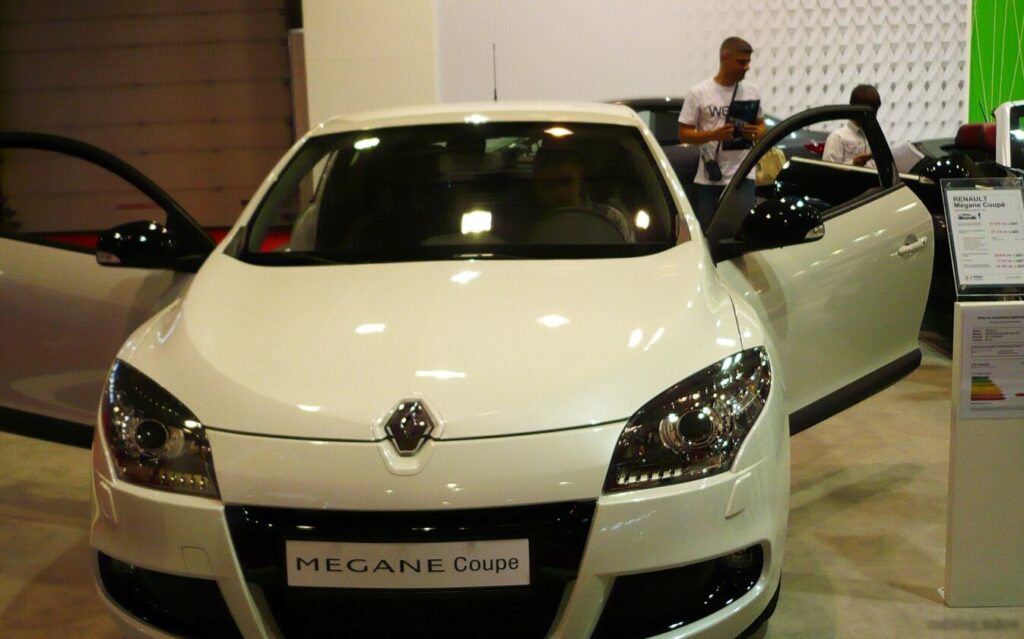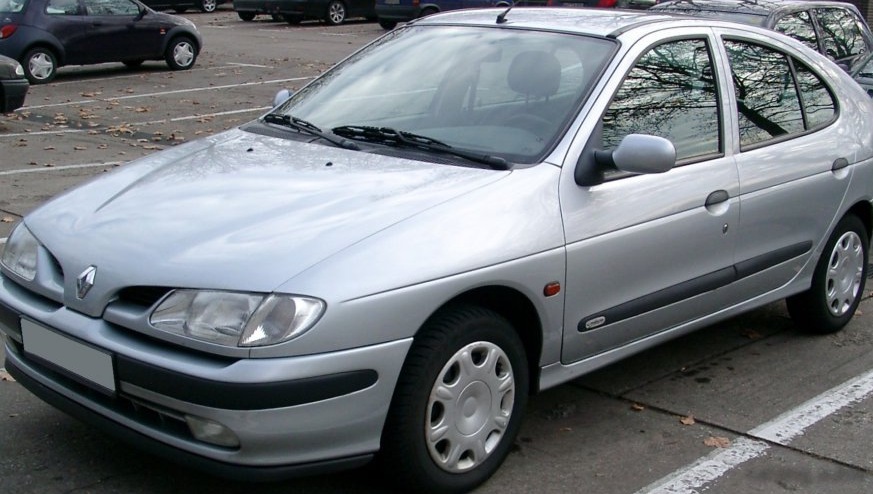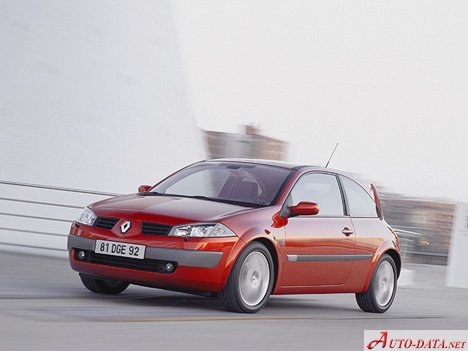
The Renault Megane II Coupe 1.6 16V (112 Hp) represents a compelling chapter in the history of compact European automobiles, specifically within the C-segment. Launched in 2005 as part of the critically acclaimed second-generation Megane lineup, this particular variant offered a blend of distinctive styling, practical performance, and commendable efficiency for its time. While Renault is a globally recognized brand, the Megane II Coupe was primarily a fixture in European and select international markets, where its unique design language and competitive feature set helped it stand out in a crowded field. It built upon the success of its predecessor by pushing boundaries in design and safety, embodying Renault’s commitment to innovation in the early 2000s.
The Megane II Coupe: A Design Departure
The second-generation Megane, which debuted in 2002, was a significant departure from the more conservative styling of the first generation. It introduced a bold, often polarizing, design characterized by sharp angles and a distinctive rear treatment that became a hallmark of Renault’s design philosophy under Patrick le Quément. The Coupe variant, produced from 2005 to 2006, distilled this adventurous spirit into a sportier, three-door body style, appealing to buyers seeking a more dynamic aesthetic without sacrificing everyday usability. This specific model, equipped with the 1.6-liter 16-valve engine, aimed to strike a balance between spirited driving and economical operation. Positioned as a mid-range offering, it sat below the more powerful 2.0L 16V and dCi diesel variants, but offered a more affordable and fuel-efficient alternative to those higher-performance trims.
Powertrain & Engine Architecture: The K4M Engine
At the heart of the Renault Megane II Coupe 1.6 16V (112 Hp) lies Renault’s venerable K4M engine, a 1.6-liter (1598 cm³ or 97.52 cu. in.) naturally aspirated inline-four cylinder unit. Known for its robust design and widespread use across various Renault and Nissan models, the K4M engine in this application produced a respectable 112 horsepower at 6000 rpm. This output translated to a power per liter figure of 70.1 horsepower per liter, a competitive metric for a naturally aspirated engine of its displacement in the mid-2000s. The engine utilizes a multi-point fuel injection system, delivering fuel directly to the intake ports. The DOHC (Double Overhead Camshaft) valvetrain, featuring four valves per cylinder, optimizes airflow for improved performance and efficiency.
Torque delivery was equally practical, with 152 Nm (112.11 lb.-ft.) available at 4200 rpm. This mid-range torque characteristic, combined with the engine’s design, ensured a smooth and responsive driving experience suitable for both urban commuting and highway cruising. The engine’s compression ratio of 10:1 was standard for the era, contributing to its efficiency and performance. Power was sent to the front wheels via a 5-speed manual transmission, offering direct engagement and control. While a 4-speed automatic transmission was available as an option, the manual was the more common configuration.
Driving Characteristics: Balancing Performance and Economy
The Megane II Coupe 1.6 16V, with its 112 hp and 5-speed manual transmission, offered a balanced driving experience. Acceleration from 0 to 60 mph took approximately 10.4 seconds, and top speed was around 119.3 mph. Compared to the higher-output 2.0L 16V version, the 1.6L felt less eager to rev, but provided adequate power for everyday driving. The 5-speed gearbox was well-matched to the engine’s characteristics, with gear ratios designed to maximize fuel efficiency and provide reasonable acceleration. The automatic transmission, while offering convenience, resulted in slightly slower acceleration and reduced fuel economy due to its torque converter losses.
The 1.6L engine’s torque curve favored mid-range responsiveness, making it well-suited for overtaking maneuvers on the highway. However, it lacked the outright punch of the 2.0L engine, particularly at higher speeds. The suspension setup, tuned for comfort, provided a compliant ride, but didn’t offer the same level of handling precision as the sportier versions of the Megane II.
Equipment & Trim Levels: A Focus on Value
The Megane II Coupe 1.6 16V typically came equipped with a respectable level of standard features. These generally included power steering, central locking, electric front windows, and an audio system. Higher trim levels, such as the “Expression” or “Dynamique,” added features like air conditioning, alloy wheels, a trip computer, and upgraded interior trim. Optional extras included a sunroof, leather upholstery, and a more advanced audio system with CD changer. Interior upholstery was typically cloth, with a focus on durability and comfort. The dashboard layout was modern for its time, with a clear instrument cluster and ergonomically positioned controls. Renault Card keyless entry and start system were available on some trims.
Chassis & Braking: European Handling Standards
The Megane II Coupe featured a MacPherson strut independent suspension at the front, providing good handling and ride comfort. The rear suspension utilized a torsion beam setup, which was a cost-effective solution that still offered acceptable handling characteristics. Braking was handled by ventilated disc brakes at the front and solid disc brakes at the rear, providing adequate stopping power for the vehicle’s weight and performance. ABS (Anti-lock Braking System) was standard, enhancing safety during emergency braking situations. Stabilizer bars were fitted to both the front and rear axles to reduce body roll during cornering. The steering was rack and pinion with electric power assistance, offering a light and precise feel.
Market Reception & Comparison: A Competitive Package
Critics generally praised the Renault Megane II Coupe for its distinctive styling and comfortable ride. The 1.6 16V engine was considered a good compromise between performance and fuel economy. However, some reviewers noted that the engine lacked the refinement and power of its competitors, such as the Volkswagen Golf 1.6 FSI. Fuel economy was a strong point, with combined figures around 34.6 US mpg. Reliability was generally good, although some owners reported minor issues with the electrical system. Compared to the 2.0L and dCi diesel variants, the 1.6L offered a lower purchase price and lower running costs, making it an attractive option for budget-conscious buyers. The 1.6L automatic was less popular due to its slower performance and reduced fuel efficiency.
Technical Specifications
| Brand | Renault |
| Model | Megane II Coupe |
| Type (Engine) | 1.6 16V (112 Hp) |
| Production Years | 2005 – 2006 |
| Body Type | Coupe, 3 Doors, 5 Seats |
| Powertrain Architecture | Internal Combustion engine, Front-wheel drive |
| Fuel Type | Gasoline (Petrol) |
| Fuel Consumption (Combined) | 34.6 US mpg (6.8 l/100 km) |
| Fuel Consumption (Urban) | 26.7 US mpg (8.8 l/100 km) |
| Fuel Consumption (Extra Urban) | 41.3 US mpg (5.7 l/100 km) |
| CO2 Emissions | 164 g/km |
| Emission Standard | Euro 4 |
| Acceleration 0-60 mph | 10.4 seconds |
| Maximum Speed | 119.3 mph (192 km/h) |
| Power | 112 Hp @ 6000 rpm |
| Torque | 112.11 lb.-ft. (152 Nm) @ 4200 rpm |
| Engine Displacement | 1.6 Liters (1598 cm³ / 97.52 cu. in.) |
| Number of Cylinders | 4, Inline |
| Valvetrain | DOHC, 4 valves per cylinder |
| Engine Aspiration | Naturally Aspirated |
| Engine Layout | Front, Transverse |
| Compression Ratio | 10:1 |
| Transmission | 5-speed manual |
| Kerb Weight | 2546.34 lbs. (1155 kg) |
| Max. Weight | 3758.88 lbs. (1705 kg) |
| Fuel Tank Capacity | 15.85 US gal (60 liters) |
| Trunk (Boot) Space (Min) | 11.65 cu. ft. (330 liters) |
| Trunk (Boot) Space (Max) | 42.02 cu. ft. (1190 liters) |
| Length | 165.71 in. (4209 mm) |
| Width | 69.96 in. (1777 mm) |
| Height | 57.4 in. (1458 mm) |
| Wheelbase | 103.35 in. (2625 mm) |
| Front Track | 59.76 in. (1518 mm) |
| Rear Track | 59.61 in. (1514 mm) |
| Drag Coefficient (Cd) | 0.35 |
| Minimum Turning Circle | 34.45 ft. (10.5 m) |
| Front Suspension | Independent type McPherson |
| Rear Suspension | Torsion beam |
| Front Brakes | Ventilated discs |
| Rear Brakes | Disc |
| Assisting Systems | ABS (Anti-lock braking system) |
| Steering Type | Steering rack and pinion, Electric Power Steering |
| Tires Size | 195/65 R15 |
| Wheel Rims Size | 6.5J x 15 |
Legacy: A Stylish and Reliable Compact
The Renault Megane II Coupe 1.6 16V, while not the most powerful or technologically advanced version of the Megane II, remains a fondly remembered model. The K4M engine is known for its durability and relatively low maintenance costs, making it a reliable choice in the used car market. Parts availability is generally good, and the engine is relatively straightforward to repair. Today, these cars can be found at affordable prices, offering a stylish and practical option for those seeking a European compact car with a distinctive design. Its legacy lies in its ability to blend bold aesthetics with everyday usability, representing a high point in Renault’s design language and a compelling alternative to more mainstream competitors.