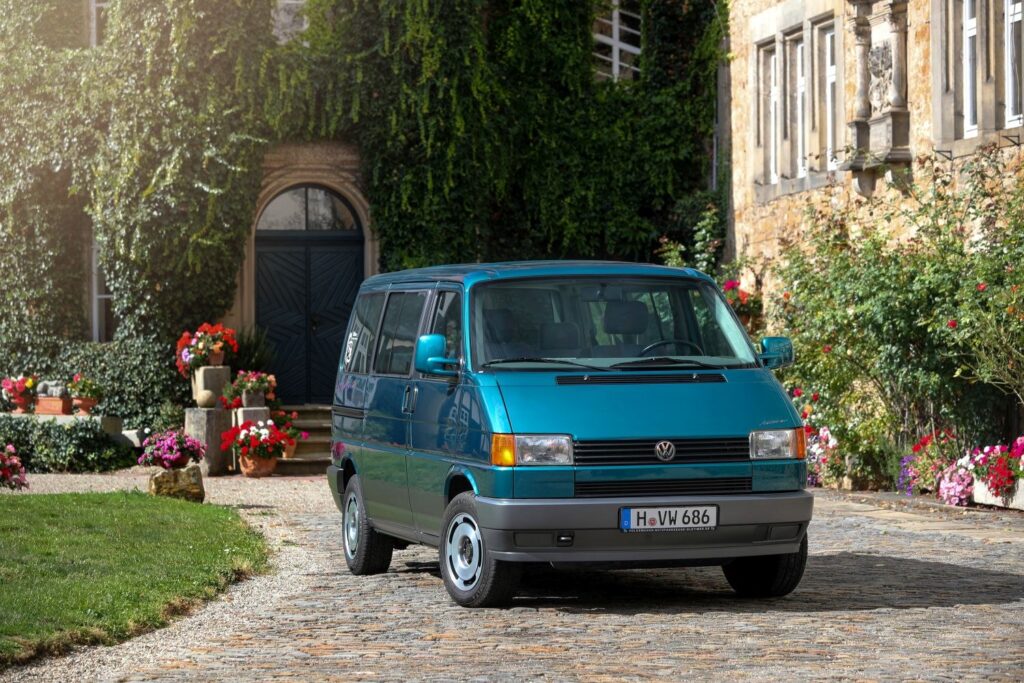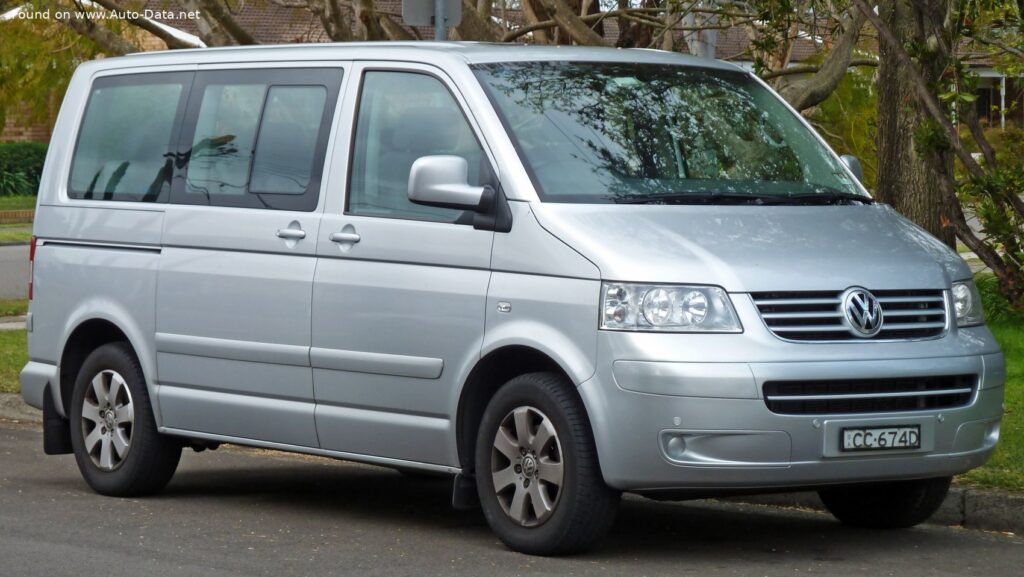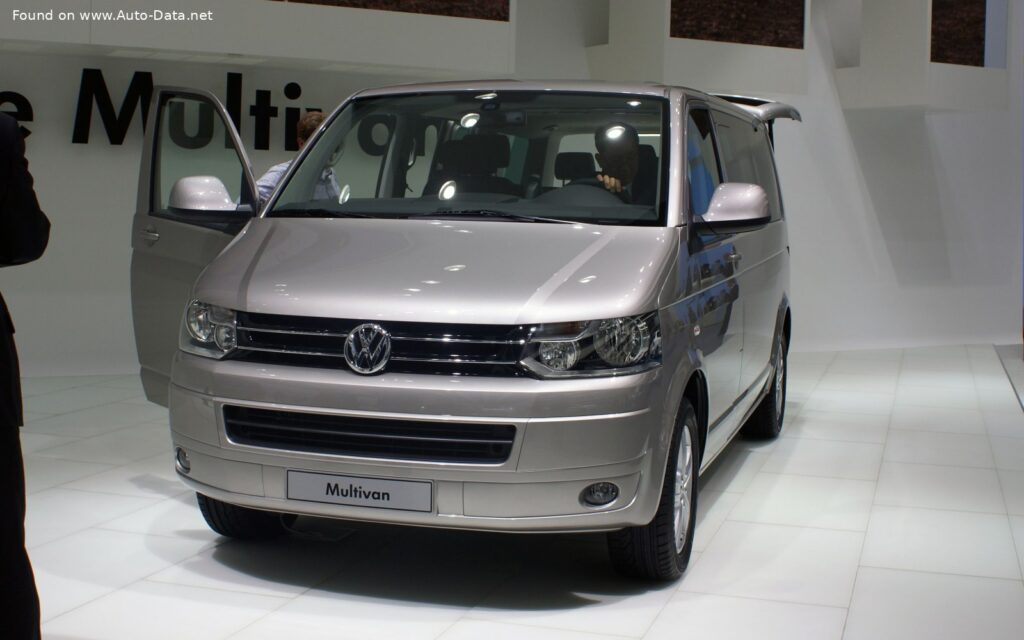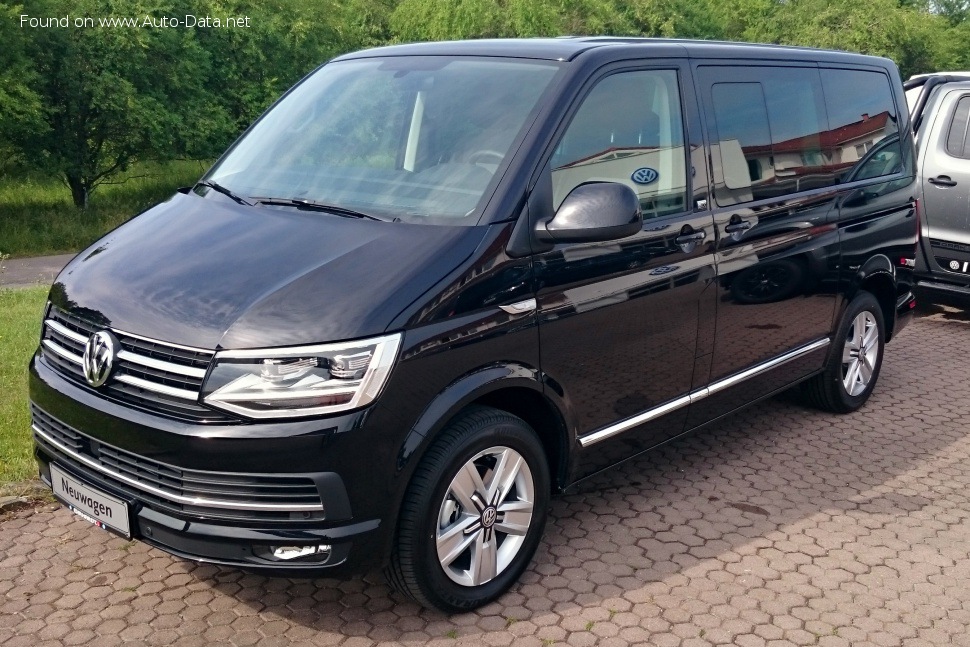
The Volkswagen Multivan (T6) 2.0 TDI (150 Hp) DSG represents a pivotal chapter in the storied history of Volkswagen’s Transporter line, a lineage that has defined the multi-purpose vehicle segment for generations. Produced from 2015 to 2018, the T6 generation of the Multivan continued the tradition of combining robust utility with passenger car comfort and refinement. While largely a European market phenomenon, where it served as a premium people mover, family hauler, and executive shuttle, its engineering and design principles resonate with automotive enthusiasts globally. This particular variant, equipped with the potent yet efficient 2.0-liter TDI diesel engine and Volkswagen’s renowned DSG automatic transmission, offered a compelling blend of performance, economy, and passenger capacity in a sophisticated minivan package.
The Multivan (T6) was not merely a facelift of its T5 predecessor; it featured significant updates in design, technology, and powertrain options, reinforcing its position as a benchmark in the segment. It catered to a diverse clientele, from large families requiring flexible seating and ample cargo space to businesses needing a comfortable and presentable vehicle for passenger transport. Its reputation for durability and adaptability made it a cornerstone of Volkswagen’s commercial and passenger vehicle offerings outside of the North American market, where its segment is largely dominated by SUVs and full-size vans.
Powertrain & Engine Architecture
At the core of this particular Multivan (T6) model was Volkswagen’s highly regarded 2.0-liter TDI (Turbocharged Direct Injection) diesel engine. This inline four-cylinder unit, identified by engine codes CXFA or CXHA, was a testament to modern diesel engineering, balancing power with impressive fuel efficiency and adherence to stringent emission standards. With a displacement of 1,968 cubic centimeters (120.09 cu. in.), the engine delivered a robust 150 horsepower, achieved between 3,250 and 3,750 revolutions per minute (rpm). More crucially for a vehicle designed to carry passengers and cargo, it produced a substantial 250.77 lb.-ft. of torque, available across a wide and accessible band from 1,500 to 3,000 rpm. This broad torque curve ensured strong pulling power from low engine speeds, making it ideal for urban driving, highway cruising, and hauling.
The engine’s advanced architecture included a common rail fuel injection system, ensuring precise fuel delivery for optimal combustion, and a turbocharger with an intercooler, which boosted air intake for enhanced performance and efficiency. A particulate filter was also standard, contributing to its Euro 6 emission compliance, a critical factor for European markets. The valvetrain utilized a double overhead camshaft (DOHC) configuration with four valves per cylinder, optimizing gas flow and contributing to the engine’s efficiency and power output.
Power was seamlessly transmitted to the front wheels via a sophisticated 7-speed DSG (Direct Shift Gearbox) automatic transmission. This dual-clutch system was celebrated for its rapid, smooth shifts, contributing significantly to both driving comfort and fuel economy. The DSG transmission features two separate clutches, one for the odd-numbered gears and one for the even-numbered gears. This allows for pre-selection of the next gear, resulting in virtually seamless gear changes. The combination of the TDI engine and DSG gearbox allowed the Multivan (T6) to accelerate from 0 to 60 mph in a respectable 12.4 seconds, reaching a maximum speed of 112.47 mph. These figures underscored its capability as a comfortable and competent long-distance cruiser, rather than a performance-oriented machine.
Driving Characteristics
The 150 hp TDI engine paired with the 7-speed DSG automatic transmission in the Multivan (T6) offered a driving experience focused on usability and efficiency rather than outright performance. Compared to higher-output versions of the T6, such as those equipped with the 199 hp TDI engine, this variant provided a more relaxed and economical driving experience. The broad torque band of the 2.0 TDI meant that strong acceleration was readily available from low engine speeds, making overtaking and merging onto highways relatively effortless, even with a full load of passengers and luggage.
The DSG transmission’s quick and smooth shifts contributed to a refined driving experience, minimizing disruptions in power delivery. While not as engaging as a manual transmission, the DSG offered a degree of control through manual shift modes, allowing drivers to select gears as desired. The gear ratios were optimized for fuel efficiency and cruising comfort, with a relatively tall final drive ratio. This resulted in lower engine speeds at highway speeds, reducing noise and improving fuel economy. Compared to the 1.9 TDI models, the 2.0 TDI offered a noticeable improvement in both power and refinement, making it a popular choice for those prioritizing comfort and usability.
Equipment & Trim Levels
The Volkswagen Multivan (T6) 2.0 TDI (150 Hp) DSG was typically offered in several trim levels, varying by market. Standard equipment generally included air conditioning, power windows, power mirrors, a multi-function steering wheel, and an infotainment system with a touchscreen display. Interior upholstery was typically cloth, although leather upholstery was available as an option. The dashboard configuration was modern and functional, with a focus on ergonomics and ease of use.
Optional extras included features such as navigation system, parking sensors, adaptive cruise control, heated seats, and a panoramic sunroof. The Multivan’s flexible seating arrangement was a key selling point, with options for rotating captain’s chairs, folding tables, and a variety of seating configurations to accommodate different passenger and cargo needs. Higher trim levels often included additional features such as upgraded audio systems, ambient lighting, and more luxurious interior materials.
Chassis & Braking
The Multivan (T6) utilized an independent suspension system, featuring McPherson struts at the front and a double wishbone setup at the rear. This configuration provided a comfortable and controlled ride, even when the vehicle was fully loaded. Stabilizer bars were fitted to both the front and rear axles to reduce body roll during cornering. The suspension was tuned to prioritize comfort and stability over sporty handling.
Braking performance was handled by ventilated discs at the front and disc brakes at the rear, ensuring confident stopping power. ABS (Anti-lock Braking System) was standard, along with electronic brake-force distribution (EBD) and brake assist. The braking system was designed to provide consistent and reliable performance under a variety of driving conditions. Depending on the trim level and optional equipment, features such as electronic stability control (ESC) and traction control were also available.
Market Reception & Comparison
Critics generally praised the Volkswagen Multivan (T6) 2.0 TDI (150 Hp) DSG for its comfortable ride, spacious interior, and efficient engine. The DSG transmission was widely lauded for its smooth and quick shifts, enhancing the overall driving experience. However, some critics noted that the 150 hp engine could feel underpowered when the vehicle was fully loaded or traveling uphill.
Compared to other trims in the Multivan lineup, the 2.0 TDI (150 Hp) DSG offered a good balance of performance, economy, and price. It was more affordable than the higher-output TDI models, while still providing ample power for most driving situations. Fuel economy was a key advantage, with the 2.0 TDI consistently achieving better fuel efficiency than the more powerful engines. In terms of reliability, the 2.0 TDI engine proved to be generally robust, although regular maintenance was essential to ensure long-term durability. The DSG transmission, while sophisticated, required periodic servicing to prevent potential issues.
Technical Specifications
| Category | Specification |
| Brand | Volkswagen |
| Model | Multivan |
| Generation | Multivan (T6) |
| Type (Engine) | 2.0 TDI (150 Hp) DSG |
| Start of production | 2015 year |
| End of production | 2018 year |
| Powertrain Architecture | Internal Combustion engine |
| Body type | Minivan |
| Seats | 5-7 |
| Doors | 5 |
| Fuel consumption (economy) – urban | 6.7-6.8 l/100 km (34.6 – 35.1 US mpg) |
| Fuel consumption (economy) – extra urban | 5.5-5.6 l/100 km (42.0 – 42.8 US mpg) |
| Fuel consumption (economy) – combined | 6.0-6.1 l/100 km (38.6 – 39.2 US mpg) |
| CO2 emissions | 156-158 g/km |
| Fuel Type | Diesel |
| Acceleration 0 – 60 mph | 12.4 sec |
| Maximum speed | 181 km/h (112.47 mph) |
| Emission standard | Euro 6 |
| Power | 150 Hp @ 3250-3750 rpm |
| Torque | 340 Nm (250.77 lb.-ft.) @ 1500-3000 rpm |
| Engine displacement | 1968 cm3 (120.09 cu. in.) |
| Engine layout | Front, Transverse |
| Engine Model/Code | CXFA, CXHA |
| Number of cylinders | 4 |
| Kerb Weight | 2047 kg (4512.86 lbs.) |
| Max. weight | 3000 kg (6613.87 lbs.) |
| Fuel tank capacity | 80 l (21.13 US gal) |
| Length | 4904 mm (193.07 in.) |
| Width | 1904 mm (74.96 in.) |
Legacy
The Volkswagen Multivan (T6) 2.0 TDI (150 Hp) DSG enjoys a strong reputation for reliability, particularly when properly maintained. The 2.0 TDI engine is known for its durability, and the DSG transmission, while requiring periodic servicing, is generally robust. In the used car market, these models are highly sought after, particularly those with a full service history. The Multivan’s versatility and practicality continue to appeal to a wide range of buyers, from families to businesses. Its enduring popularity is a testament to Volkswagen’s engineering prowess and its ability to create vehicles that stand the test of time. While the T6 has been superseded by the T7 generation, the T6 remains a popular and well-regarded vehicle, offering a compelling blend of comfort, practicality, and efficiency.