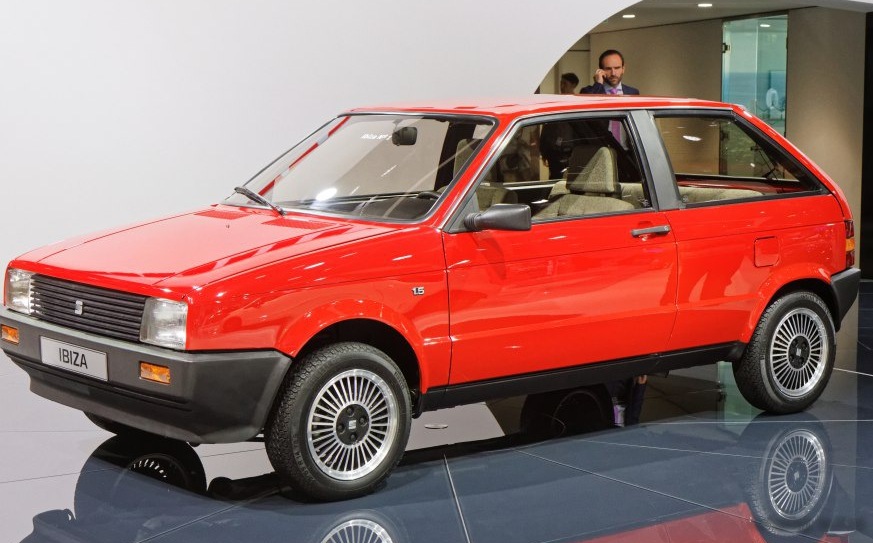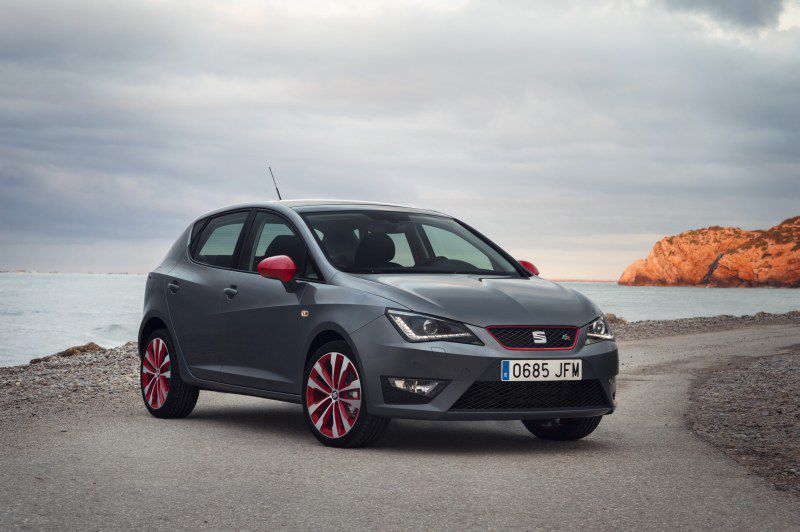
The Seat Ibiza IV (facelift 2015) 1.2 TSI (90 Hp) represents a significant iteration of SEAT’s long-running contender in the European B-segment, commonly known as the supermini or subcompact class. Launched in May 2015, this refreshed fourth-generation model aimed to maintain the Spanish automaker’s popular hatchback’s competitiveness against numerous rivals. While never officially sold in the United States, the Ibiza has been a crucial part of SEAT’s brand identity across Europe and international markets, embodying a sporty, youthful, and design-focused approach within the Volkswagen Group. This specific variant, powered by the efficient 1.2-liter TSI engine producing 90 horsepower, was positioned as a sensible yet spirited choice for urban drivers and those seeking an economical daily vehicle with a touch of Mediterranean style. The facelift brought subtle but important updates to aesthetics, technology, and powertrain refinements, ensuring the Ibiza remained a compelling option until its replacement in 2017. It was built on the Volkswagen Group’s PQ25 platform, also known as the 1HX0/A3 platform.
Powertrain & Engine Architecture
At the heart of the Seat Ibiza IV (facelift 2015) 1.2 TSI (90 Hp) lies a modern, turbocharged gasoline engine representing the trend of downsizing for efficiency without sacrificing performance. This 1.2-liter (1197 cm³ or 73.05 cu. in.) inline four-cylinder unit, identified by the engine code CJZC, is a prime example of Volkswagen Group’s acclaimed TSI technology. It features direct fuel injection, a turbocharger with an electronic wastegate, and an intercooler. This engine delivers 90 horsepower (66 kW) peaking between 4400 and 5400 revolutions per minute (rpm). Impressively for its size, it generates 160 Nm (118.01 lb.-ft.) of torque, available across a broad range from just 1400 to 3500 rpm. This wide torque band contributes to the car’s lively feel in everyday driving, providing ample pulling power from low engine speeds, particularly beneficial in city traffic.
The CJZC engine utilizes a Bosch MED17.5.24 engine control unit (ECU) managing fuel delivery and ignition timing. The fuel injection system employs solenoid injectors operating at high pressure (typically around 150 bar) for precise fuel atomization. The valvetrain consists of two overhead camshafts (DOHC) operating four valves per cylinder, optimizing gas flow for improved performance and efficiency. The engine is equipped with a timing chain, reducing maintenance compared to timing belts. The 1.2 TSI engine is typically paired with a five-speed manual transmission, although a seven-speed dual-clutch transmission (DSG) was also available as an option. The front-wheel-drive configuration is standard.
Transmission Details
The five-speed manual transmission used in conjunction with the 1.2 TSI engine is a standard gearbox designed for durability and ease of use. Gear ratios are optimized for both fuel efficiency and responsive acceleration. First gear is relatively short for quick take-offs, while fifth gear is geared for relaxed highway cruising. The DSG option provides quicker and smoother gear changes, enhancing the driving experience, but at a higher cost. The final drive ratio is typically around 3.94:1, contributing to the overall gearing characteristics.
Driving Characteristics
The Seat Ibiza IV (facelift 2015) 1.2 TSI (90 Hp) offers a balanced driving experience. While not overtly sporty, it provides sufficient power for everyday driving situations. Acceleration from 0 to 60 mph takes approximately 10.2 seconds (0-100 km/h in 10.7 seconds), and it reaches a maximum speed of 114.33 mph (184 km/h). The broad torque band makes it feel more responsive than its horsepower figure might suggest, particularly in urban environments. Compared to the more powerful 1.4 TSI variants, the 1.2 TSI feels less eager to rev, but it offers better fuel economy. Against diesel alternatives like the 1.4 TDI, the 1.2 TSI provides a smoother and quieter driving experience, albeit with slightly lower fuel efficiency and torque.
The steering is generally well-weighted and provides decent feedback, contributing to a confident feel behind the wheel. The suspension is tuned for comfort, absorbing bumps and imperfections in the road reasonably well. However, it’s not as firm or sporty as some rivals, such as the Ford Fiesta. The car’s relatively light weight (around 2235 lbs) helps to maintain agility and responsiveness.
Equipment & Trim Levels
The Seat Ibiza IV (facelift 2015) 1.2 TSI (90 Hp) was typically offered in several trim levels, including S, SE, and FR. The base ‘S’ trim included standard features such as air conditioning, electric front windows, a basic audio system, and stability control. The ‘SE’ trim added features like alloy wheels, a touchscreen infotainment system, Bluetooth connectivity, and cruise control. The ‘FR’ trim, positioned as the sportier option, included features like a sport suspension, unique styling elements, and upgraded interior trim. Interior upholstery typically consisted of cloth seats, with optional leather upholstery available on higher trims. Dashboard configuration was generally straightforward and functional, with a focus on ease of use. Optional extras included a navigation system, parking sensors, and a panoramic sunroof.
Chassis & Braking
The Ibiza utilizes an independent McPherson strut front suspension with coil springs and an anti-roll bar, praised for its balance of comfort and handling. The rear suspension employs a semi-independent torsion beam setup, a cost-effective and space-efficient solution. Braking is handled by ventilated discs at the front and drum brakes at the rear, complemented by an Anti-lock Braking System (ABS) and Electronic Brake-force Distribution (EBD) for enhanced safety. Steering is managed by a rack and pinion system, offering direct and communicative feedback. The vehicle supports tire sizes ranging from 175/70 R14 to 215/40 R17, depending on the trim level. Stabilizer bar thickness varies between trims, with the FR trim featuring a thicker front stabilizer bar for improved handling.
Market Reception & Comparison
Critics generally viewed the Seat Ibiza IV (facelift 2015) 1.2 TSI (90 Hp) favorably, praising its stylish design, engaging driving dynamics, and competitive pricing. It was often seen as a more exciting alternative to the Volkswagen Polo and Skoda Fabia, offering a sportier driving experience. Fuel economy was also a strong point, with a combined consumption rating of around 48 US mpg (4.9 liters per 100 km). Reliability was generally good, benefiting from the shared VW Group components. Compared to the 1.4 TSI variants, the 1.2 TSI offered lower running costs but less outright performance. Against diesel alternatives, it provided a smoother and quieter driving experience, but with slightly higher fuel consumption. The Ibiza faced competition from the Ford Fiesta, Renault Clio, and Peugeot 208, all of which offered similar levels of practicality and efficiency.
Technical Specifications
| Category | Specification |
| Brand | Seat |
| Model | Ibiza IV (facelift 2015) |
| Engine Type | 1.2 TSI (90 Hp) |
| Production Start | May, 2015 |
| Production End | 2017 |
| Body Type | Hatchback |
| Seats | 5 |
| Doors | 5 |
| Fuel Consumption (Combined) | 4.9 l/100 km |
| CO2 Emissions | 116 g/km |
| Fuel Type | Petrol (Gasoline) |
| Acceleration 0-60 mph | 10.2 sec |
| Maximum Speed | 184 km/h |
| Emission Standard | Euro 6 |
| Engine Specifications | |
| Power | 90 Hp @ 4400-5400 rpm |
| Torque | 160 Nm @ 1400-3500 rpm |
| Engine Displacement | 1197 cm³ |
| Engine Code | CJZC |
| Engine Layout | Front, Transverse |
| Weight-to-Power Ratio | 11.3 kg/Hp |
| Kerb Weight | 1014 kg |
| Max. Weight | 1580 kg |
| Fuel Tank Capacity | 45 l |
| Dimensions (Length x Width x Height) | 4061 mm x 1693 mm x 1445 mm |
Legacy
The Seat Ibiza IV (facelift 2015) 1.2 TSI (90 Hp) powertrain has proven to be relatively reliable, with few widespread issues reported. The CJZC engine is known for its durability and efficiency. In the used car market, these models represent a good value proposition, offering a blend of style, practicality, and affordability. Maintenance costs are generally reasonable, benefiting from the widespread availability of parts and a well-established dealer network. However, as with any turbocharged engine, regular oil changes and proper maintenance are crucial to ensure long-term reliability. The 1.2 TSI engine, while not the most powerful option, provides a comfortable and economical driving experience, making it a popular choice for urban commuters and those seeking a sensible and stylish subcompact.