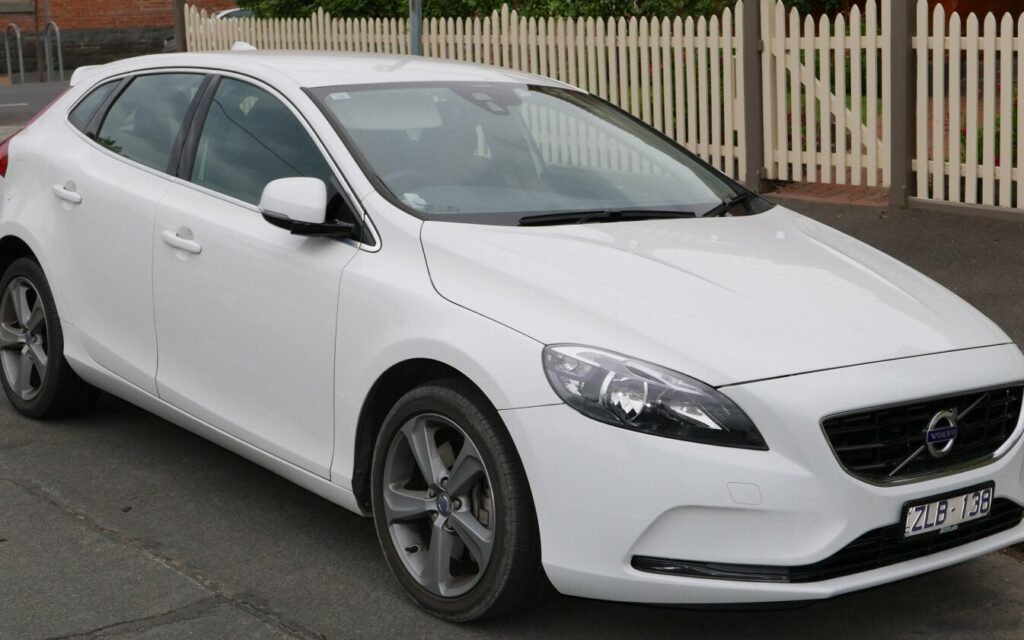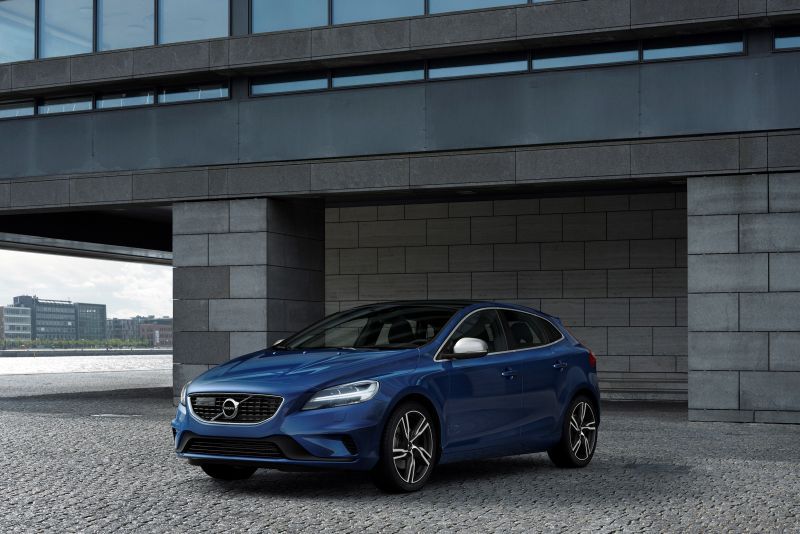
The Volvo V40 (facelift 2016) represents a significant refresh of Volvo’s premium compact hatchback, a model primarily targeted at the European and Asian markets. Introduced in 2016 and produced until 2018, this iteration of the V40 aimed to solidify Volvo’s presence in the highly competitive C-segment, offering a blend of Scandinavian design, advanced safety features, and efficient powertrains. While never officially sold in the United States, the V40 played a crucial role in showcasing Volvo’s modern design language and engineering capabilities before the brand’s full global platform overhaul. This specific variant, the 2.0 T4 with 190 horsepower and an automatic transmission, exemplifies the V40’s appeal as a sophisticated and capable daily driver.
The 2.0 T4 Automatic: A Mid-Range Offering
The 2.0 T4 automatic trim occupied a key position within the V40 lineup. It wasn’t the entry-level option – that was typically reserved for the D2 diesel or lower-powered gasoline engines – but it wasn’t the flagship either. Instead, it catered to buyers who desired a balance of performance, refinement, and fuel efficiency. It sat comfortably between the more economical base models and the higher-performance T5 variants, offering a compelling package for those prioritizing a smooth and comfortable driving experience. The T4 automatic was aimed at individuals and small families seeking a premium hatchback with a focus on everyday usability and a touch of Scandinavian luxury.
Powertrain & Engine Architecture
At the heart of the Volvo V40 (facelift 2016) 2.0 T4 lies Volvo’s Drive-E family of engines, specifically the B4204T19 inline four-cylinder gasoline unit. This powertrain architecture, featuring a front, transverse engine layout, was a cornerstone of Volvo’s strategy for efficiency and performance during this era. With an engine displacement of 1,969 cm³ (approximately 2.0 liters or 120.16 cubic inches), the T4 variant was equipped with a sophisticated turbocharger and intercooler system, along with direct fuel injection, to maximize both power output and fuel economy. The engine utilizes a single-scroll turbocharger to minimize turbo lag and improve responsiveness.
The direct fuel injection system, operating at pressures up to 200 bar, ensures precise fuel delivery and optimized combustion. The engine also features variable valve timing (VVT) on both the intake and exhaust camshafts, further enhancing efficiency and performance across the rev range. The B4204T19 engine is constructed with an aluminum cylinder block and head, contributing to its relatively lightweight design. Power is channeled through a smooth 6-speed automatic transmission, specifically the Aisin TF-80SC unit, to the front wheels. This transmission is known for its smooth shifting characteristics and reliability. It features adaptive shift logic, adjusting shift points based on driving style and conditions.
Driving Characteristics
The 2.0 T4 automatic powertrain delivers a refined and capable driving experience. The 190 horsepower and 221.27 lb.-ft. of torque provide ample power for everyday driving situations, including highway overtaking and merging. The broad torque band, available from 1,300 to 4,000 rpm, minimizes the need for frequent downshifts, resulting in a relaxed and comfortable ride. Compared to the manual transmission versions of the T4, the automatic offers a smoother and more convenient driving experience, particularly in urban traffic. However, it does come with a slight performance penalty, with 0-60 mph acceleration taking 6.6 seconds compared to around 6.3 seconds for the manual.
Compared to the higher-output T5 variant, the T4 automatic feels less overtly sporty. The T5’s additional horsepower and more aggressive tuning provide a more engaging driving experience, but at the expense of fuel economy. The T4’s gear ratios are optimized for fuel efficiency and comfortable cruising, rather than outright acceleration. The automatic transmission’s shift points are generally well-chosen, providing smooth and seamless transitions between gears. Overall, the driving characteristics of the V40 2.0 T4 automatic are best described as refined, comfortable, and capable, making it an ideal choice for drivers who prioritize a balanced and enjoyable driving experience.
Equipment & Trim Levels
The V40 2.0 T4 automatic was typically well-equipped, reflecting its mid-range positioning within the lineup. Standard features generally included climate control, power windows and mirrors, a leather-wrapped steering wheel, and a basic infotainment system with Bluetooth connectivity. Higher trim levels, such as Momentum and R-Design, added features like leather upholstery, upgraded audio systems, parking sensors, and a sunroof. The interior design emphasized Scandinavian minimalism, with clean lines and high-quality materials. The dashboard layout was intuitive and user-friendly, with a focus on ergonomics.
Optional extras available for the T4 automatic included Volvo’s Sensus Connect infotainment system with a larger touchscreen display, navigation, and smartphone integration. Safety features like City Safety (autonomous emergency braking), lane keeping aid, and blind spot information system were often available as options or as part of safety packages. Exterior options included alloy wheels of various designs and sizes, as well as metallic paint finishes. The R-Design trim level added sporty styling cues, such as a unique front grille, rear diffuser, and sport seats.
Chassis & Braking
The Volvo V40 2.0 T4 automatic utilized a McPherson strut front suspension and a multi-link rear suspension, providing a comfortable and controlled ride. The suspension was tuned to balance handling and comfort, offering a good compromise between sporty responsiveness and everyday usability. Stabilizer bars were fitted to both the front and rear axles to reduce body roll during cornering. The steering system was an electric power steering (EPS) system, providing light and precise steering feel.
Braking duties were handled by ventilated disc brakes on all four wheels. ABS (Anti-lock Braking System) was standard, along with electronic brakeforce distribution (EBD) and brake assist. The V40’s braking system provided confident stopping power and good pedal feel. The rear brakes were typically solid discs, reflecting the weight distribution and performance characteristics of the T4 variant. The chassis was designed to provide a stable and secure platform, contributing to the V40’s excellent safety ratings.
Market Reception & Comparison
Critics generally praised the Volvo V40 2.0 T4 automatic for its refined powertrain, comfortable ride, and high levels of safety. It was often lauded for its understated elegance and Scandinavian design, which set it apart from some of its more overtly sporty competitors. However, some reviewers noted that the T4 automatic lacked the outright performance of the T5 variant and that the infotainment system could be somewhat complex to use. Fuel economy was consistently rated as good, with combined figures around 42.8 US mpg.
Compared to rivals like the Audi A3 Sportback and BMW 1 Series, the V40 T4 automatic offered a more comfortable and relaxed driving experience, but perhaps lacked the same level of dynamic engagement. The Volkswagen Golf provided a more practical and affordable alternative, while the Mercedes-Benz A-Class offered a similar level of luxury and refinement. In terms of reliability, the V40’s Drive-E powertrain proved to be generally reliable, with few major issues reported. However, like any modern vehicle, it was susceptible to occasional electronic glitches and sensor failures.
Technical Specifications
| Brand | Volvo |
| Model | V40 (facelift 2016) |
| Type (Engine) | 2.0 T4 (190 Hp) Automatic |
| Start of Production | 2016 year |
| End of Production | 2018 year |
| Body Type | Hatchback |
| Seats | 5 |
| Doors | 5 |
| Fuel Consumption (Urban) | 7.2 l/100 km (32.7 US mpg) |
| Fuel Consumption (Extra Urban) | 4.6 l/100 km (51.1 US mpg) |
| Fuel Consumption (Combined) | 5.5 l/100 km (42.8 US mpg) |
| CO2 Emissions | 128 g/km |
| Fuel Type | Petrol (Gasoline) |
| Acceleration 0 – 60 mph | 6.6 sec |
| Acceleration 0 – 100 km/h | 6.9 sec |
| Maximum Speed | 130.49 mph (210 km/h) |
| Emission Standard | Euro 6 |
| Power | 190 Hp @ 4700 rpm |
| Power per Liter | 96.5 Hp/l |
| Torque | 221.27 lb.-ft. @ 1300-4000 rpm (300 Nm) |
| Engine Layout | Front, Transverse |
| Engine Model/Code | B4204T19 |
| Engine Displacement | 1969 cm³ (120.16 cu. in.) |
| Number of Cylinders | 4 |
| Engine Configuration | Inline |
| Fuel Injection System | Direct injection |
| Engine Aspiration | Turbocharger, Intercooler |
Legacy
The Volvo V40 2.0 T4 automatic, while not sold in the US market, remains a well-regarded compact hatchback in Europe and Asia. The Drive-E powertrain proved to be relatively reliable, and many examples are still on the road today. On the used car market, the V40 T4 automatic offers a compelling value proposition, providing a blend of comfort, safety, and efficiency at an affordable price point. Its understated styling and Scandinavian design continue to appeal to buyers seeking a premium hatchback that stands out from the crowd. The V40 paved the way for Volvo’s successful entry into the compact crossover segment with the XC40, demonstrating the brand’s ability to innovate and adapt to changing market demands.