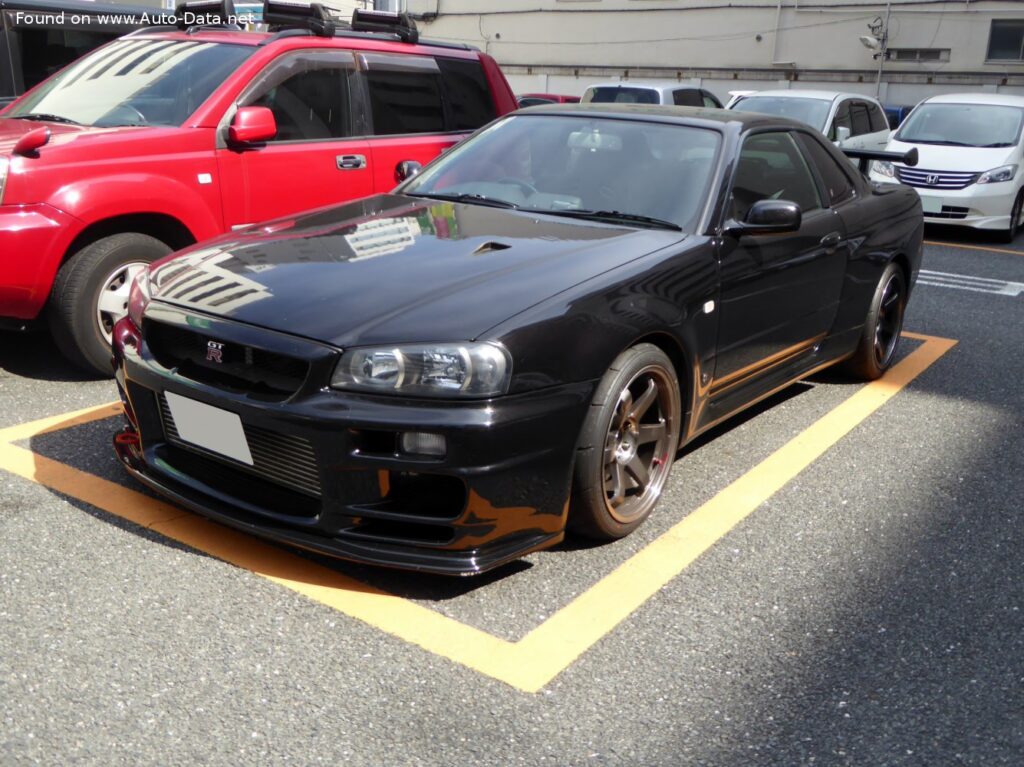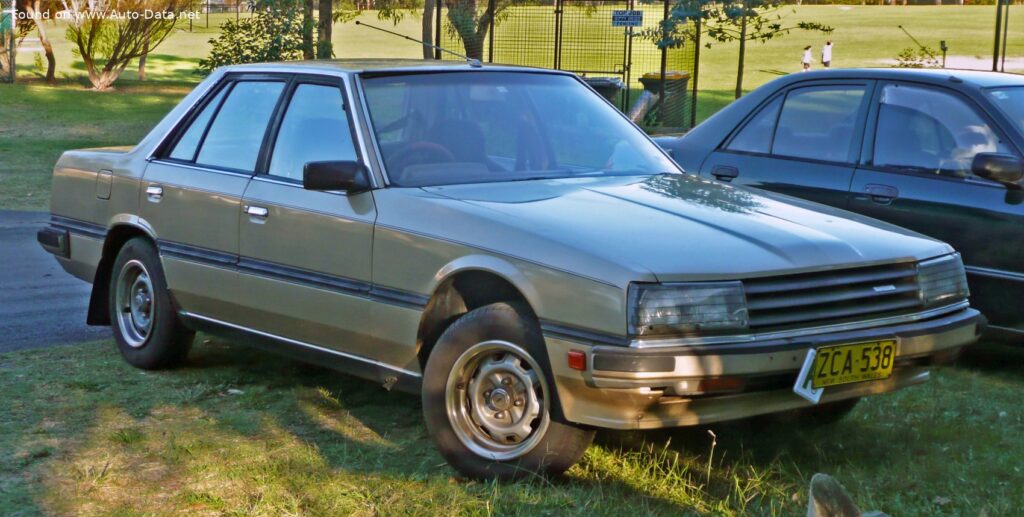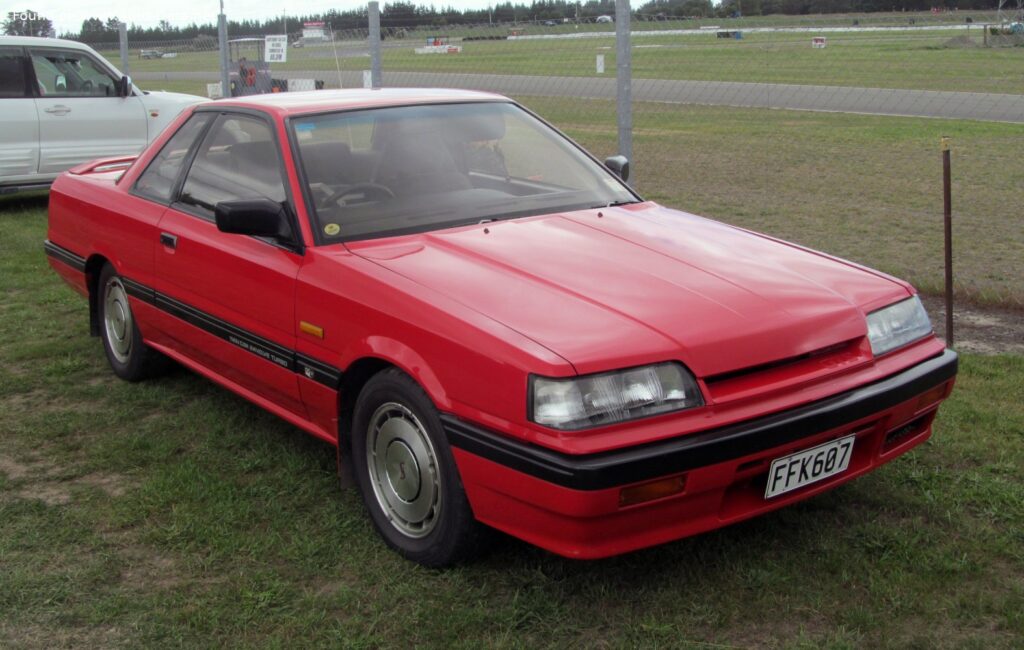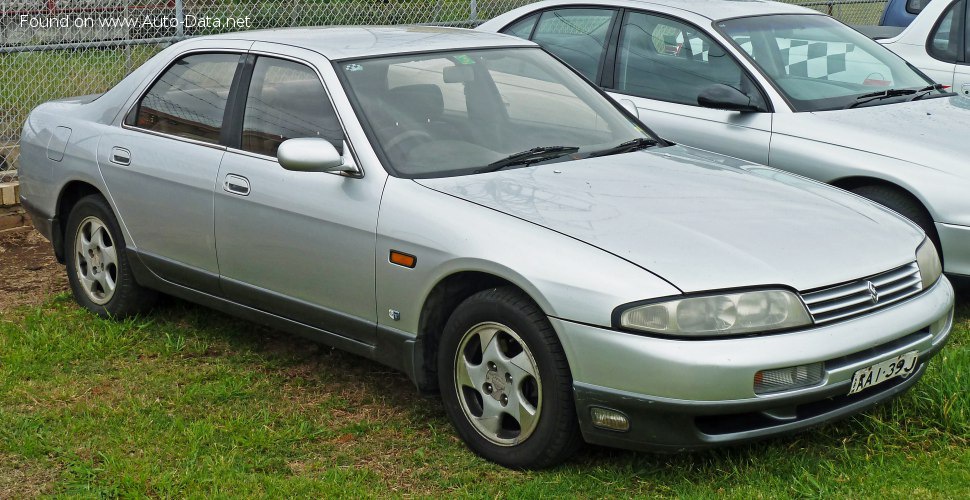
The Nissan Skyline IX (R33) 2.0 i GTS Automatic represents a significant, though often overlooked, chapter in the history of the Nissan Skyline. Produced from 1995 to 1998, the R33 generation followed the highly regarded R32 and paved the way for the celebrated R34. While the GT-R variant dominates the R33’s reputation, the vast majority of Skylines produced were more practical, everyday vehicles intended for the Japanese domestic market (JDM). The 2.0 i GTS Automatic, a four-door sedan, embodies this pragmatic side of the Skyline lineage, offering a blend of Nissan’s engineering, comfort, and a subtle nod to the model’s performance heritage. This variant was positioned as a reliable and spacious family car or executive cruiser within Japan, rather than an outright sports car, yet it retained the rear-wheel-drive architecture and inline-six engine that defined the Skyline.
Powertrain & Engine Architecture
At the heart of the Nissan Skyline IX (R33) 2.0 i GTS Automatic lies the RB20E engine. This 2.0-liter (1998 cc or 121.93 cubic inches) naturally aspirated inline-six engine was a mainstay in numerous Nissan models of the era, renowned for its smooth operation and inherent reliability. The “E” designation signifies its single overhead camshaft (SOHC) valvetrain with two valves per cylinder – a simpler design compared to the dual overhead camshaft (DOHC) engines found in higher-performance Skyline models like the GTS-4. This SOHC configuration prioritized durability and ease of maintenance over outright power.
The RB20E in this configuration generated 125 horsepower at 5600 rpm and 126.86 lb-ft of torque at 4400 rpm. While these figures may seem modest in contemporary terms, or even when contrasted with turbocharged Skyline variants, they were sufficient for everyday driving in 1990s Japan. The engine’s power delivery was linear and predictable, a characteristic of naturally aspirated inline-six engines. A multi-port fuel injection system ensured efficient fuel delivery, contributing to a combined fuel economy of approximately 32.7 US mpg (7.2 liters per 100 km). The engine utilized a cast iron block and aluminum cylinder head, a common construction for durability and weight reduction.
Power was channeled to the rear wheels through a 4-speed automatic transmission. This transmission was designed for smooth, comfortable shifts, prioritizing relaxed cruising over aggressive acceleration, perfectly aligning with the GTS sedan’s intended purpose. The rear-wheel-drive layout, a defining feature of the Skyline, provided balanced handling characteristics, even in this non-performance variant. The engine management system was a relatively simple electronic control unit (ECU), focusing on reliable operation rather than complex performance tuning.
Driving Characteristics
The driving experience of the R33 2.0 i GTS Automatic was characterized by comfort and ease of use. The 4-speed automatic transmission, while not offering the engagement of a manual gearbox, provided smooth and predictable shifts. Acceleration was adequate for merging onto highways and navigating city streets, but it lacked the urgency of the turbocharged or manual transmission-equipped Skylines. The gear ratios were optimized for fuel efficiency and relaxed cruising, with a relatively tall final drive. The engine’s torque curve was relatively flat, providing usable power across a broad rpm range, but it didn’t offer the strong low-end punch of a turbocharged engine.
Compared to the manual transmission versions of the 2.0 i GTS, the automatic suffered a slight performance penalty due to the inherent losses in the torque converter. However, the automatic offered a more refined and less demanding driving experience, particularly in congested urban environments. When compared to the more powerful GTS-4 models with their RB25DET engines, the 2.0 i GTS Automatic was noticeably slower in acceleration and lacked the overall performance capabilities of its more potent siblings. However, it offered a more affordable and fuel-efficient alternative for drivers who prioritized comfort and practicality over outright speed.
Equipment & Trim Levels
The Nissan Skyline IX (R33) 2.0 i GTS Automatic was reasonably well-equipped for its time and price point. Standard features typically included power windows, power door locks, air conditioning, and an AM/FM radio with cassette player. Interior upholstery was typically cloth, available in a range of colors, with a focus on durability and comfort. The dashboard layout was functional and straightforward, with clearly labeled controls. The steering wheel was typically made of urethane, and the instrument cluster featured analog gauges for speed, rpm, fuel level, and coolant temperature.
Optional extras available for the 2.0 i GTS Automatic included alloy wheels, a sunroof, upgraded audio systems, and a rear spoiler. Higher trim levels within the 2.0 i GTS range might have included features such as leather upholstery, woodgrain interior trim, and automatic climate control. The overall interior ambiance was designed to be comfortable and inviting, appealing to a broad range of buyers. The car’s interior space was generous for its class, offering ample headroom and legroom for both front and rear passengers.
Chassis & Braking
The R33 2.0 i GTS Automatic utilized a conventional chassis design, featuring a MacPherson strut suspension at the front and a multi-link suspension at the rear. This suspension setup provided a comfortable ride while maintaining reasonable handling characteristics. The suspension was tuned for a balance between comfort and stability, prioritizing a smooth ride over aggressive cornering. Stabilizer bars were fitted to both the front and rear axles to reduce body roll during cornering.
The braking system consisted of ventilated disc brakes at the front and solid disc brakes at the rear. An Anti-lock Braking System (ABS) was standard equipment, enhancing braking performance and stability, particularly on slippery surfaces. The steering system was a hydraulic rack-and-pinion setup, providing precise and responsive steering feel. The car rode on 185/70 R14 tires, mounted on 14-inch steel wheels with wheel covers, or optional alloy wheels. The overall braking performance was adequate for the car’s weight and power, but it lacked the stopping power of the more performance-oriented Skyline models.
Market Reception & Comparison
The Nissan Skyline IX (R33) 2.0 i GTS Automatic received generally positive reviews from Japanese automotive publications. Critics praised its comfortable ride, spacious interior, and reliable engine. However, some reviewers noted that its performance was somewhat underwhelming compared to other Skyline variants and its competitors. The car was seen as a practical and sensible choice for families and commuters who valued comfort and reliability over outright performance.
In terms of fuel economy, the 2.0 i GTS Automatic offered competitive figures for its class, achieving approximately 32.7 US mpg (7.2 liters per 100 km) in combined driving. Its reliability was generally considered to be excellent, thanks to the robust RB20E engine and Nissan’s reputation for quality engineering. Compared to the turbocharged GTS-4 models, the 2.0 i GTS Automatic was significantly more affordable to purchase and maintain, making it an attractive option for budget-conscious buyers. It also offered better fuel economy than the more powerful variants.
Technical Specifications
| Brand | Nissan |
| Model | Skyline |
| Generation | Skyline IX (R33) |
| Type (Engine) | 2.0 i GTS (125 Hp) Automatic |
| Start of Production | 1995 |
| End of Production | 1998 |
| Powertrain Architecture | Internal Combustion engine |
| Body Type | Sedan |
| Seats | 5 |
| Doors | 4 |
| Fuel Consumption (Combined) | 7.2 l/100 km (32.7 US mpg) |
| Fuel Type | Petrol (Gasoline) |
| Weight-to-Power Ratio | 10.2 kg/Hp (98.4 Hp/tonne) |
| Engine Specs | |
| Power | 125 Hp @ 5600 rpm |
| Torque | 172 Nm (126.86 lb.-ft.) @ 4400 rpm |
| Engine Layout | Front, Longitudinal |
| Engine Model/Code | RB20E |
| Engine Displacement | 1998 cm3 (121.93 cu. in.) |
| Number of Cylinders | 6 |
| Engine Configuration | Inline |
| Fuel Injection System | Multi-port manifold injection |
| Valvetrain | OHC |
| Kerb Weight | 1270 kg (2799.87 lbs.) |
| Length | 4720 mm (185.83 in.) |
| Width | 1720 mm (67.72 in.) |
| Wheelbase | 2720 mm (107.09 in.) |
| Drivetrain Architecture | Rear wheel drive |
| Number of Gears and Type of Gearbox | 4 gears, automatic transmission |
| Front Brakes | Ventilated discs |
| Rear Brakes | Disc |
Legacy
The Nissan Skyline IX (R33) 2.0 i GTS Automatic, while not as celebrated as its GT-R sibling, has earned a respectable following among enthusiasts. The RB20E engine, despite its relatively modest output, is known for its durability and reliability. These cars are increasingly sought after by collectors and enthusiasts who appreciate their originality and connection to the Skyline lineage. In the used car market, R33 2.0 i GTS Automatics are generally affordable, making them an accessible entry point into the world of classic JDM cars. However, finding well-maintained examples can be challenging, as many have been subjected to years of use and potential neglect. The car’s long-term reliability is generally good, provided it has been properly maintained, with the RB20E engine capable of exceeding 200,000 miles without major issues. The 4-speed automatic transmission is also known for its durability, although it may exhibit some wear and tear with age. Overall, the R33 2.0 i GTS Automatic represents a solid and dependable classic car that offers a unique blend of comfort, practicality, and Skyline heritage.