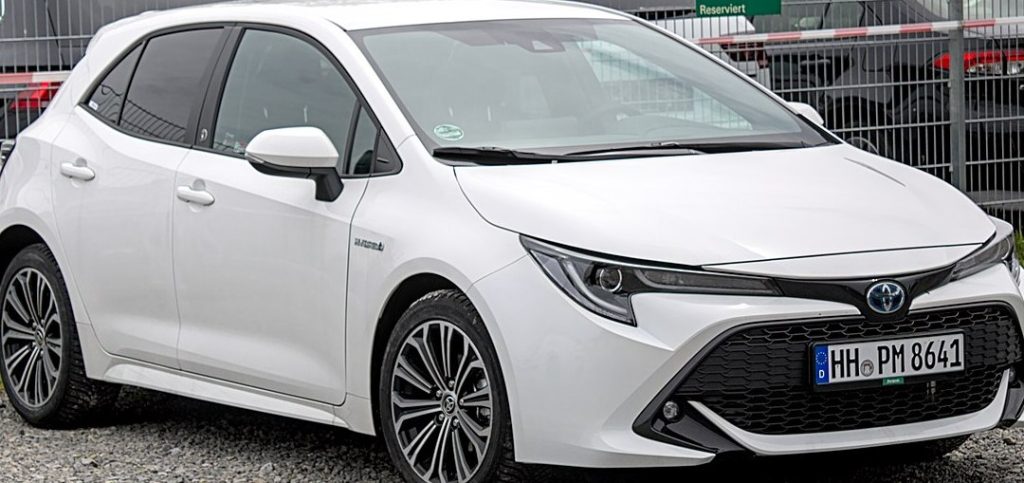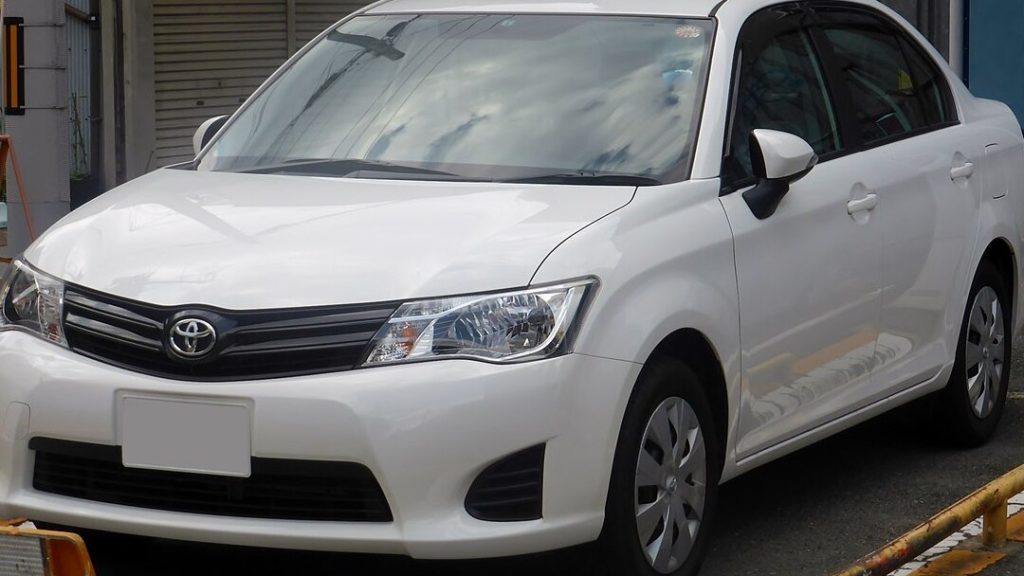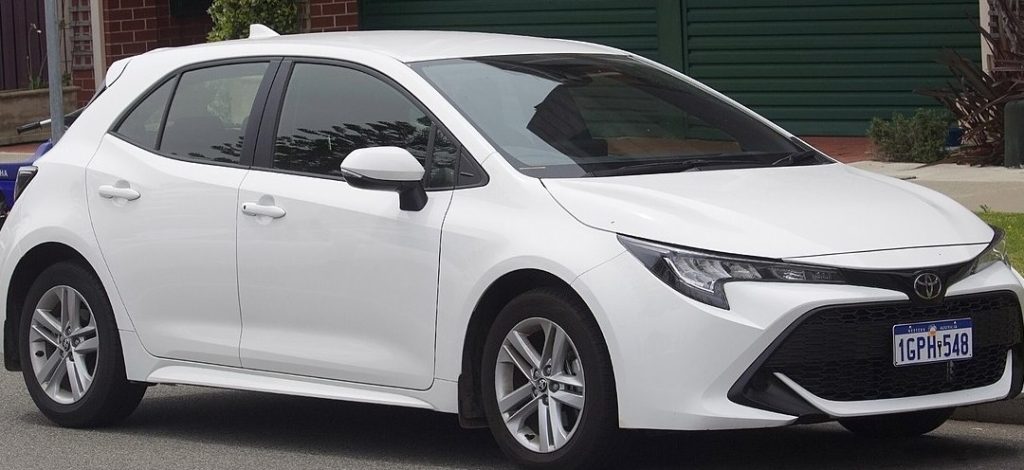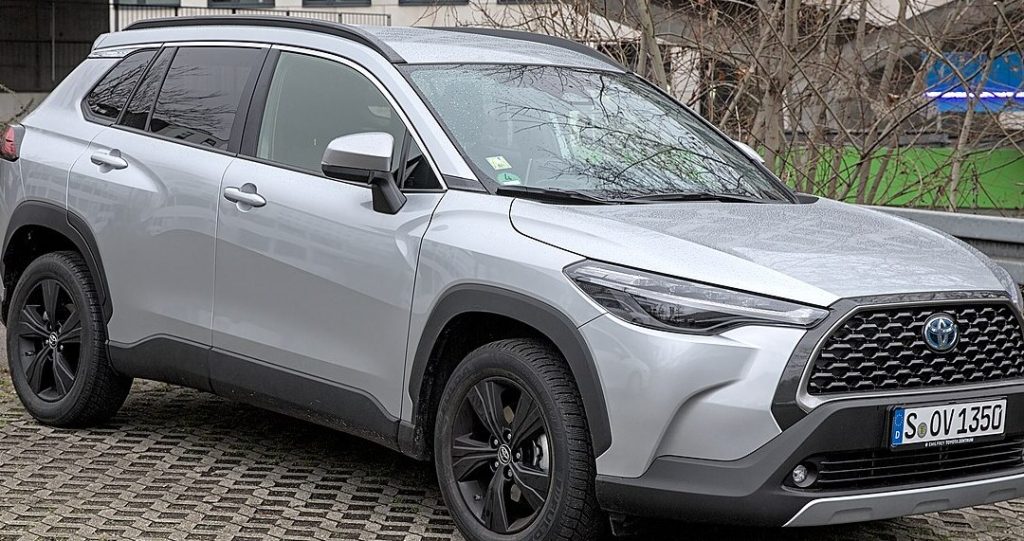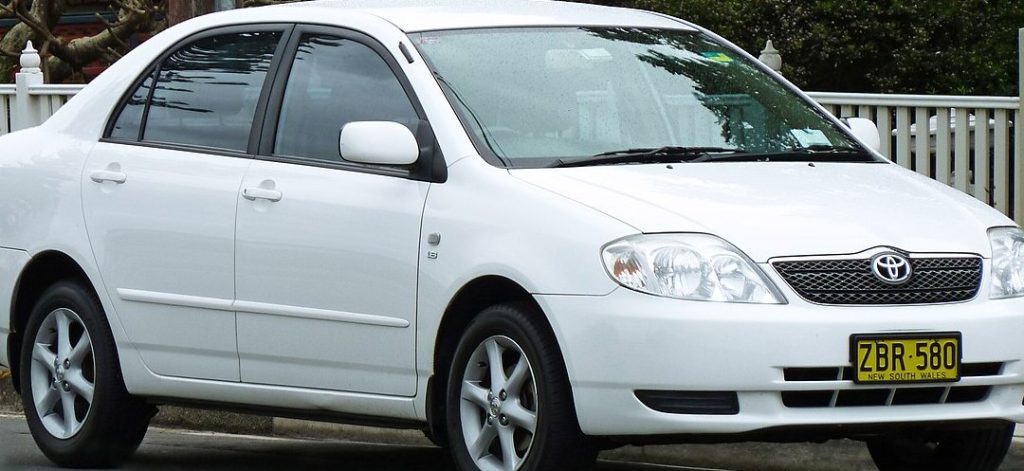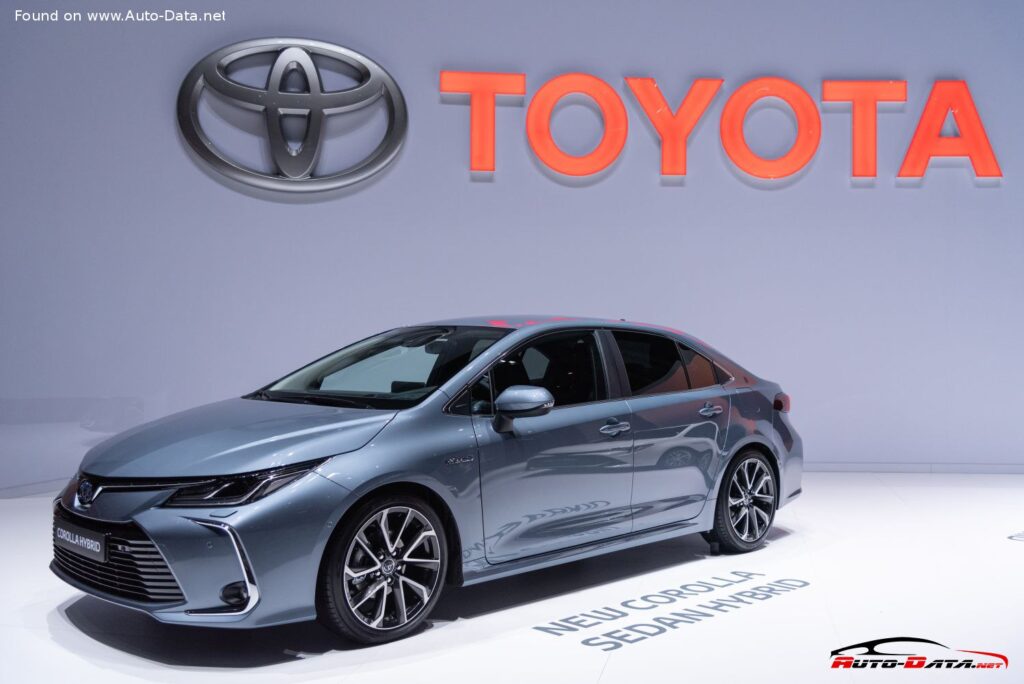
The Toyota Corolla XII (E210) 1.5 Dynamic Force (125 Hp) represents the twelfth generation of the globally renowned Toyota Corolla. Launched in 2018, the E210 generation marked a significant evolution for the Corolla, moving beyond its traditional reputation for simple reliability and embracing more modern design, technology, and driving dynamics. This specific variant, produced between 2020 and 2022, showcases Toyota’s commitment to offering efficient gasoline powertrains alongside its hybrid options, particularly in markets where smaller displacement engines remain popular. As a four-door sedan seating five, it competes in the highly contested compact car segment, appealing to buyers seeking a dependable, economical, and contemporary daily driver.
The 1.5 Dynamic Force Powertrain & Engine Architecture
The heart of this Corolla variant is Toyota’s M15A-FKS 1.5-liter “Dynamic Force” inline three-cylinder gasoline engine. This engine exemplifies modern internal combustion engine design, balancing efficiency with adequate performance. Producing 125 horsepower at 6600 rpm, and 112.85 lb-ft of torque between 4800 and 5000 rpm, it provides responsive acceleration for both city and highway driving.
A key technical feature of the M15A-FKS is its exceptionally high compression ratio of 13.9:1, contributing significantly to thermal efficiency and fuel economy. The engine utilizes a DOHC (Double Overhead Camshaft) valvetrain with four valves per cylinder, optimizing airflow for improved combustion. Power is delivered to the front wheels through a 6-speed manual transmission, appealing to drivers who prefer greater control and a more engaging driving experience. The engine also incorporates direct fuel injection for precise fuel delivery and enhanced efficiency.
Performance Characteristics
The Toyota Corolla XII (E210) 1.5 Dynamic Force (125 Hp) achieves an estimated 0-60 mph time of 11.5 seconds, with a top speed of 118 mph. While not focused on outright speed, these figures are suitable for everyday commuting and comfortable highway travel. Fuel economy is a strong point, with combined WLTP figures ranging from 38.6 to 41.3 US mpg, highlighting its efficiency. CO2 emissions fall between 128-139 g/km, meeting the stringent Euro 6 AP emission standard and demonstrating Toyota’s commitment to environmental responsibility.
Design & Features of the Toyota Corolla XII (E210)
The E210 generation represents a significant design departure for the Corolla, adopting a sleek, modern, and dynamic aesthetic. Built on the TNGA-C platform (Toyota New Global Architecture), the sedan boasts a lower center of gravity and wider stance, enhancing handling and driving engagement. The exterior features sharp lines, a bold front fascia, and a sculpted profile, giving the Corolla a more premium and athletic appearance.
The interior provides a comfortable and well-appointed cabin for five passengers, emphasizing ergonomics and quality materials. Practicality is a key consideration, with a trunk capacity of 16.63 cubic feet. The Corolla’s dimensions – 182.28 inches in length, 70.08 inches in width, and 56.5 inches in height, with a 106.3-inch wheelbase – offer a spacious interior for its class while maintaining a manageable footprint for urban environments. A minimum turning circle of 34.12 feet aids maneuverability.
Equipment & Trim Levels
The 1.5 Dynamic Force variant typically served as an entry-level or mid-range trim in many markets. Standard features generally included air conditioning, power windows and locks, a basic infotainment system with Bluetooth connectivity, and a suite of safety features such as ABS, stability control, and multiple airbags. Higher trim levels offered options like alloy wheels, a more advanced touchscreen infotainment system with smartphone integration, automatic climate control, and a rearview camera. Interior upholstery typically consisted of cloth, with optional upgrades to synthetic leather available on some trims.
Chassis & Braking
The TNGA platform allows for a sophisticated suspension setup, featuring an independent MacPherson strut system at the front and a double wishbone arrangement at the rear. This combination delivers a compliant ride while maintaining stability and agility. Braking is handled by ventilated discs at the front and solid discs at the rear, complemented by an Anti-lock Braking System (ABS) for enhanced safety. The electric power steering system provides precise control and ease of use. Tire options ranged from 195/65 R15 to 205/55 R16, mounted on 6.5J x 15 or 7J x 16 inch wheel rims, respectively.
Market Reception & Comparison
Critics generally viewed the 1.5 Dynamic Force Corolla as a sensible and efficient option within the compact car segment. While not offering the performance of higher-output engines or the fuel economy of hybrid models, it provided a good balance of practicality, affordability, and fuel efficiency. Compared to other trims in the Corolla lineup, the 1.5L offered a lower price point, making it accessible to a wider range of buyers. Its fuel economy was comparable to other naturally aspirated engines in its class, and its reliability was expected to be in line with Toyota’s strong reputation. Compared to the hybrid Corolla, the 1.5L offered a simpler powertrain and a lower initial cost, but at the expense of fuel efficiency and environmental performance.
Against competitors like the Honda Civic, Volkswagen Jetta, Hyundai Elantra, and Kia Forte, the Corolla 1.5 Dynamic Force distinguished itself with Toyota’s reputation for reliability and its comfortable ride quality. While some competitors offered more powerful engines or more features for the price, the Corolla provided a well-rounded package that appealed to buyers prioritizing dependability and long-term value.
Technical Specifications
| Brand | Toyota |
| Model | Corolla |
| Generation | Corolla XII (E210) |
| Type (Engine) | 1.5 Dynamic Force (125 Hp) |
| Start of Production | 2020 year |
| End of Production | 2022 year |
| Powertrain Architecture | Internal Combustion engine |
| Body type | Sedan |
| Seats | 5 |
| Doors | 4 |
| Fuel consumption at Low speed (WLTP) | 7.8-8.2 l/100 km (30.2 – 28.7 US mpg) |
| Fuel consumption at Medium speed (WLTP) | 5.6-6 l/100 km (42 – 39.2 US mpg) |
| Fuel consumption at High speed (WLTP) | 4.9-5.3 l/100 km (48 – 44.4 US mpg) |
| Fuel consumption at Very High speed (WLTP) | 5.6-6.2 l/100 km (42 – 37.9 US mpg) |
| Combined fuel consumption (WLTP) | 5.7-6.1 l/100 km (41.3 – 38.6 US mpg) |
| CO2 emissions (WLTP) | 128-139 g/km |
| Fuel Type | Petrol (Gasoline) |
| Acceleration 0 – 62 mph (0-100 km/h) | 12.1 sec |
| Acceleration 0 – 60 mph (Calculated) | 11.5 sec |
| Maximum speed | 190 km/h (118.06 mph) |
| Emission standard | Euro 6 AP |
| Weight-to-power ratio | 10.2 kg/Hp (98 Hp/tonne) |
| Weight-to-torque ratio | 8.3 kg/Nm (120 Nm/tonne) |
| Power | 125 Hp @ 6600 rpm |
| Power per liter | 83.9 Hp/l |
| Torque | 153 Nm @ 4800-5000 rpm (112.85 lb.-ft. @ 4800-5000 rpm) |
| Engine layout | Front, Transverse |
| Engine Model/Code | M15A-FKS |
| Engine displacement | 1490 cm3 (90.93 cu. in.) |
| Number of cylinders | 3 |
| Engine configuration | Inline |
| Cylinder Bore | 80.5 mm (3.17 in.) |
| Piston Stroke | 97.6 mm (3.84 in.) |
| Compression ratio | 13.9:1 |
| Number of valves per cylinder | 4 |
| Fuel injection system | Direct injection |
| Engine aspiration | Naturally aspirated engine |
| Valvetrain | DOHC |
| Engine oil capacity | 3.4 l (3.59 US qt) |
| Coolant | 5.8 l (6.13 US qt) |
| Engine systems | Particulate filter |
| Kerb Weight | 1275-1310 kg (2810.89 – 2888.06 lbs.) |
| Trunk (boot) space – minimum | 471 l (16.63 cu. ft.) |
| Fuel tank capacity | 50 l (13.21 US gal) |
| Permitted trailer load with brakes (12%) | 1000 kg (2204.62 lbs.) |
| Permitted trailer load without brakes | 450 kg (992.08 lbs.) |
| Length | 4630 mm (182.28 in.) |
| Width | 1780 mm (70.08 in.) |
| Height | 1435 mm (56.5 in.) |
| Wheelbase | 2700 mm (106.3 in.) |
| Front track | 1531 mm (60.28 in.) |
| Rear (Back) track | 1544 mm (60.79 in.) |
| Front overhang | 935 mm (36.81 in.) |
| Rear overhang | 995 mm (39.17 in.) |
| Minimum turning circle (turning diameter) | 10.4 m (34.12 ft.) |
| Drivetrain Architecture | The Internal combustion engine (ICE) drives the front wheels of the vehicle. |
| Drive wheel | Front wheel drive |
| Number of gears and type of gearbox | 6 gears, manual transmission |
| Front suspension | Independent type McPherson |
| Rear suspension | Double wishbone |
| Front brakes | Ventilated discs |
| Rear brakes | Disc |
| Assisting systems | ABS (Anti-lock braking system) |
| Steering type | Steering rack and pinion |
| Power steering | Electric Steering |
| Tires size | 195/65 R15; 205/55 R16 |
| Wheel rims size | 6.5J x 15; 7J x 16 |
Legacy
The Toyota Corolla’s legacy is firmly established as the best-selling car globally. The E210 generation continues this success, with the TNGA platform significantly improving driving dynamics. The 1.5 Dynamic Force engine variant plays a vital role in Toyota’s global strategy, particularly in markets where a conventional gasoline engine remains preferred.
In the used car market, the Corolla XII (E210) 1.5 Dynamic Force (125 Hp) is generally regarded as a reliable and economical choice. The M15A-FKS engine has proven to be relatively durable, with few widespread issues reported. Regular maintenance, including oil changes and timely replacement of wear items, is crucial for ensuring long-term reliability. Its fuel efficiency and low running costs make it an attractive option for budget-conscious buyers seeking a dependable and practical compact sedan.