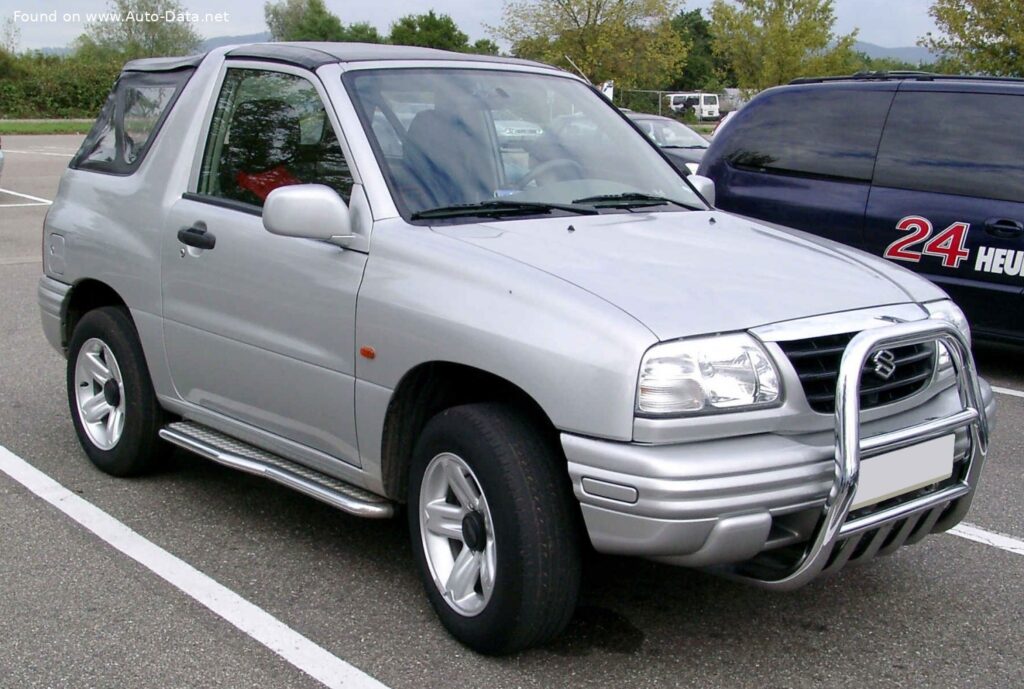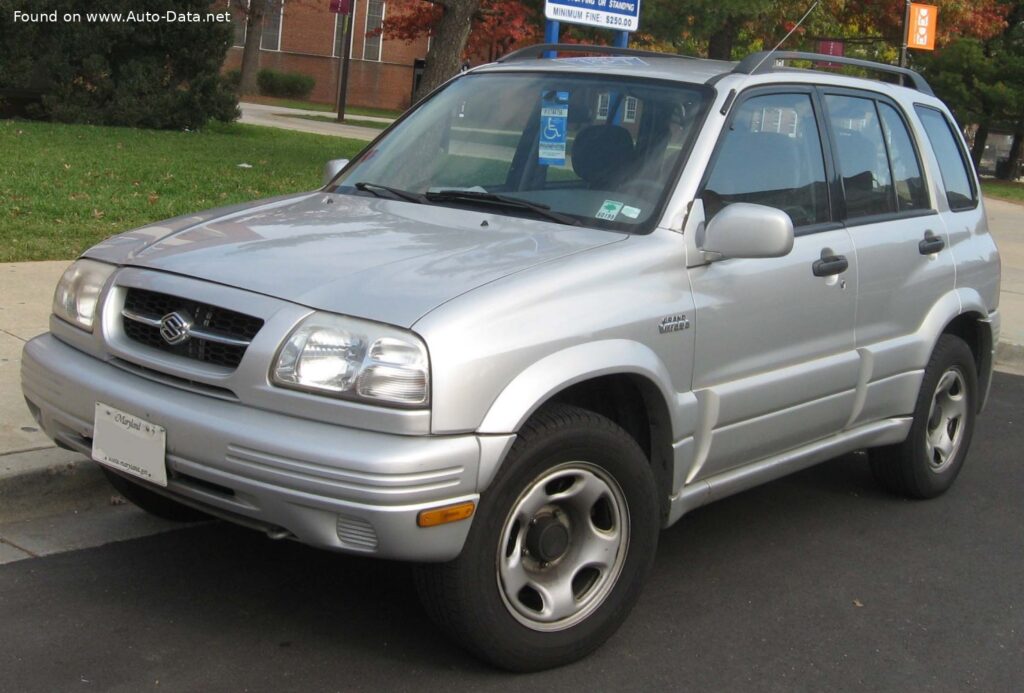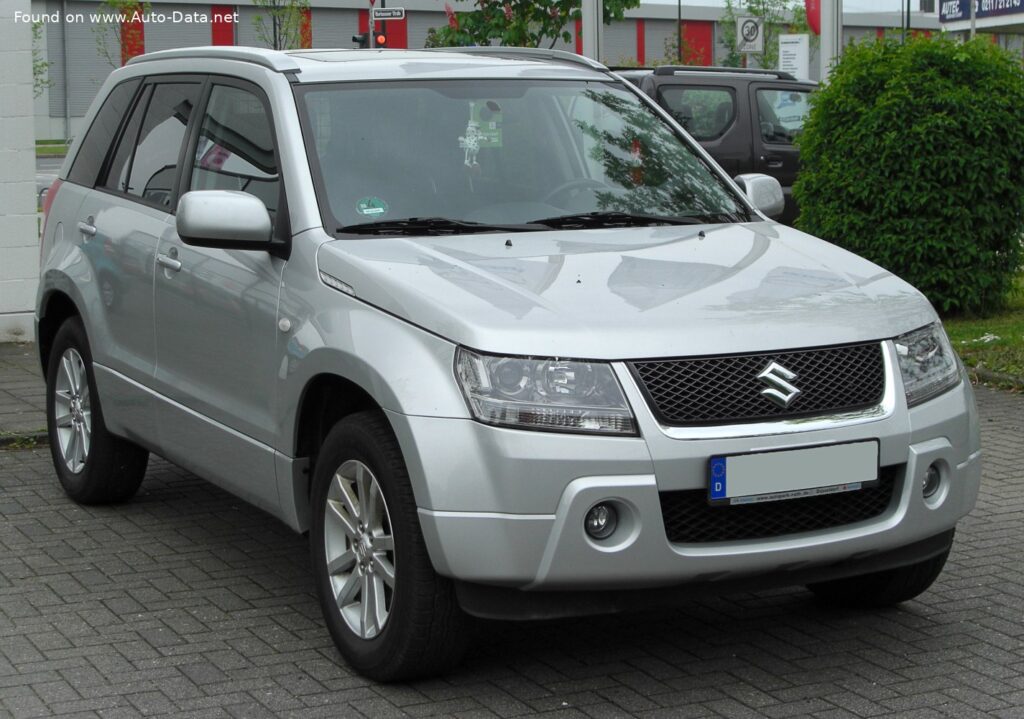
The Suzuki Grand Vitara II 5 Door 2.7 V6 (185 Hp) 4WD Automatic represented a significant step forward for Suzuki’s compact SUV offering. Introduced in 2005 and produced through 2008, this iteration of the Grand Vitara aimed to combine traditional SUV robustness with improved on-road refinement, appealing to a wider audience in North America, Europe, and Asia. Unlike many emerging crossover rivals transitioning to car-based platforms, the Grand Vitara II retained a more robust, body-on-frame (integrated ladder frame within a unibody structure, often referred to as a “built-in ladder frame”) architecture and a sophisticated permanent all-wheel-drive system, making it a strong contender for light off-road duties while remaining practical for daily commuting. The Suzuki Grand Vitara II 5 Door 2.7 V6 (185 Hp) 4WD Automatic was a demonstration of Suzuki’s commitment to delivering capable, value-oriented vehicles.
Engine and Performance: The 2.7-Liter V6 Powerplant
The heart of this specific Grand Vitara II model was the H27A engine, a naturally aspirated 2.7-liter V6 gasoline unit. This powerplant was engineered to deliver a balance of power suitable for both highway cruising and occasional off-road excursions. It produced a respectable 185 horsepower at 6000 rpm, providing ample motivation for the compact SUV. Torque output stood at 249 Nm (183.65 lb.-ft.) at 4500 rpm, ensuring decent low-end grunt for acceleration and tackling varied terrain.
The H27A engine featured a V-engine configuration with six cylinders, each equipped with four valves, totaling 24 valves for improved breathing and efficiency. It utilized a Double Overhead Camshaft (DOHC) valvetrain and, according to specifications, a direct injection fuel system, which was somewhat advanced for its time and class, contributing to its power per liter rating of 67.6 Hp/l. The engine’s bore and stroke measured 88 mm (3.46 in.) and 75 mm (2.95 in.) respectively, resulting in a total displacement of 2736 cm3 (166.96 cu. in.).
Power was delivered to all four wheels via a 5-speed automatic transmission. This drivetrain architecture featured a permanent all-wheel-drive (4×4) system, meaning the engine continuously drove all four wheels, offering superior traction and stability in diverse driving conditions, from slippery roads to unpaved trails. This robust setup, combined with the V6 engine, provided a weight-to-power ratio of 9 kg/Hp (110.8 Hp/tonne) and a weight-to-torque ratio of 6.7 kg/Nm (149.1 Nm/tonne), indicating a well-matched powertrain for its intended purpose.
Fuel economy for the Suzuki Grand Vitara II 5 Door 2.7 V6 (185 Hp) 4WD Automatic was rated at 19 US mpg in urban driving and 23.1 US mpg for extra-urban conditions, which was competitive for a V6-powered, permanent 4WD SUV of its era. It met the LEV (Low Emission Vehicle) emission standard, reflecting Suzuki’s efforts toward environmental responsibility.
Driving Characteristics
The 2.7L V6 and 5-speed automatic combination in the Grand Vitara II offered a noticeably smoother and more refined driving experience compared to the available four-cylinder engine options. While not a sports car, the 185 hp engine provided adequate acceleration for highway merging and passing maneuvers. The automatic transmission was tuned for comfort and ease of use, with relatively smooth shifts. However, it lacked the responsiveness of a manual transmission and didn’t offer a sport mode or manual shift capability. The permanent all-wheel-drive system contributed to confident handling in various conditions, providing enhanced traction on slippery surfaces. Compared to the manual transmission versions, the automatic traded some fuel efficiency and a more engaging driving experience for added convenience. The gear ratios were optimized for a balance between acceleration and fuel economy, with a final drive ratio geared towards providing sufficient torque for off-road situations.
Equipment & Trim Levels
The Suzuki Grand Vitara II 5 Door 2.7 V6 (185 Hp) 4WD Automatic typically came standard with features such as air conditioning, power windows and locks, keyless entry, and an AM/FM stereo with a CD player. Higher trim levels often included upgrades like leather upholstery, a sunroof, upgraded audio systems, and alloy wheels. Interior upholstery was generally cloth on base models, with leather available as an option. The dashboard configuration was functional and straightforward, prioritizing usability over elaborate styling. Optional extras included a navigation system, side airbags, and a rear cargo organizer. The specific trim levels and available options varied depending on the market.
Chassis & Braking
Underneath its skin, the Grand Vitara II boasted an independent suspension setup at both the front and rear, a significant upgrade for ride comfort and handling dynamics. The front utilized a McPherson strut system with coil springs and an anti-roll bar, while the rear featured an independent multi-link suspension. This configuration provided a more compliant ride on paved roads compared to many traditional body-on-frame SUVs, without sacrificing too much articulation for off-road excursions. Braking performance was handled by ventilated discs at the front and solid discs at the rear, complemented by an Anti-lock Braking System (ABS) for enhanced safety and control during emergency stops. Steering was managed by a hydraulic rack and pinion system, offering direct feedback to the driver. The vehicle came with various tire size options, including 225/70 R16, 235/60 R16, and 225/65 R17, providing flexibility for different driving preferences and conditions.
Market Reception & Comparison
Critics generally viewed the 2.7L V6 automatic Grand Vitara II favorably, praising its combination of off-road capability, on-road comfort, and value for money. It was often compared to competitors like the Honda CR-V and Toyota RAV4, but the Grand Vitara distinguished itself with its body-on-frame construction and permanent all-wheel-drive system, offering superior off-road performance. Fuel economy was considered average for its class, and reliability was generally good, although some owners reported minor issues with the automatic transmission over time. The V6 engine provided a noticeable performance advantage over the four-cylinder options, but at the cost of slightly lower fuel efficiency. The Grand Vitara II 2.7 V6 Automatic appealed to buyers who wanted a compact SUV that could handle both daily commuting and occasional off-road adventures.
Technical Specifications
| Category | Specification |
| Brand | Suzuki |
| Model | Grand Vitara |
| Generation | Grand Vitara II 5 Door |
| Type (Engine) | 2.7 V6 (185 Hp) 4WD Automatic |
| Production Start | 2005 year |
| Production End | 2008 year |
| Powertrain Architecture | Internal Combustion engine |
| Body type | SUV |
| Seats | 5 |
| Doors | 5 |
| Fuel Consumption (Urban) | 12.4 l/100 km (19 US mpg) |
| Fuel Consumption (Extra Urban) | 10.2 l/100 km (23.1 US mpg) |
| Fuel Type | Petrol (Gasoline) |
| Emission Standard | LEV |
| Weight-to-power ratio | 9 kg/Hp (110.8 Hp/tonne) |
| Weight-to-torque ratio | 6.7 kg/Nm (149.1 Nm/tonne) |
| Power | 185 Hp @ 6000 rpm |
| Power per liter | 67.6 Hp/l |
| Torque | 249 Nm @ 4500 rpm (183.65 lb.-ft. @ 4500 rpm) |
| Engine Layout | Front, Longitudinal |
| Engine Model/Code | H27A |
| Engine Displacement | 2736 cm3 (166.96 cu. in.) |
| Number of Cylinders | 6 |
| Engine Configuration | V-engine |
| Cylinder Bore | 88 mm (3.46 in.) |
| Piston Stroke | 75 mm (2.95 in.) |
| Valves per Cylinder | 4 |
| Fuel Injection System | Direct injection |
| Engine Aspiration | Naturally aspirated engine |
| Valvetrain | DOHC |
| Engine Oil Capacity | 5.3 l (5.6 US qt) |
| Kerb Weight | 1670 kg (3681.72 lbs.) |
| Trunk (boot) space – minimum | 691 l (24.4 cu. ft.) |
| Trunk (boot) space – maximum | 1951 l (68.9 cu. ft.) |
| Fuel Tank Capacity | 66 l (17.44 US gal) |
| Permitted Trailer Load (with brakes) | 1361 kg (3000.49 lbs.) |
| Drivetrain Architecture | Permanent All-wheel drive (4×4) |
| Drive Wheel | All wheel drive (4×4) |
| Number of Gears & Gearbox Type | 5 gears, automatic transmission |
| Front Suspension | Independent, McPherson with coil spring and anti-roll bar |
| Rear Suspension | Independent multi-link suspension |
| Front Brakes | Ventilated discs |
| Rear Brakes | Disc |
| Assisting Systems | ABS (Anti-lock braking system) |
| Steering Type | Steering rack and pinion |
| Power Steering | Hydraulic Steering |
| Tires Size | 225/70 R16; 235/60 R16; 225/65 R17 |
Legacy
The Suzuki Grand Vitara II 5 Door 2.7 V6 (185 Hp) 4WD Automatic has maintained a reasonably good reputation for long-term reliability, particularly the engine itself. The H27A V6 is known to be a durable powerplant when properly maintained. However, the 5-speed automatic transmission can be prone to issues with age, such as slipping or harsh shifting. In the used car market today, these Grand Vitaras are often sought after by buyers looking for a capable and affordable off-road vehicle. Their body-on-frame construction and permanent all-wheel-drive system make them well-suited for tackling challenging terrain. While they may not offer the latest technology or fuel efficiency, they remain a viable option for those who prioritize ruggedness and reliability. Parts availability is generally good, although some specific components may become increasingly difficult to find as the vehicle ages. Overall, the Grand Vitara II 2.7 V6 Automatic represents a solid and dependable choice in the used SUV market.