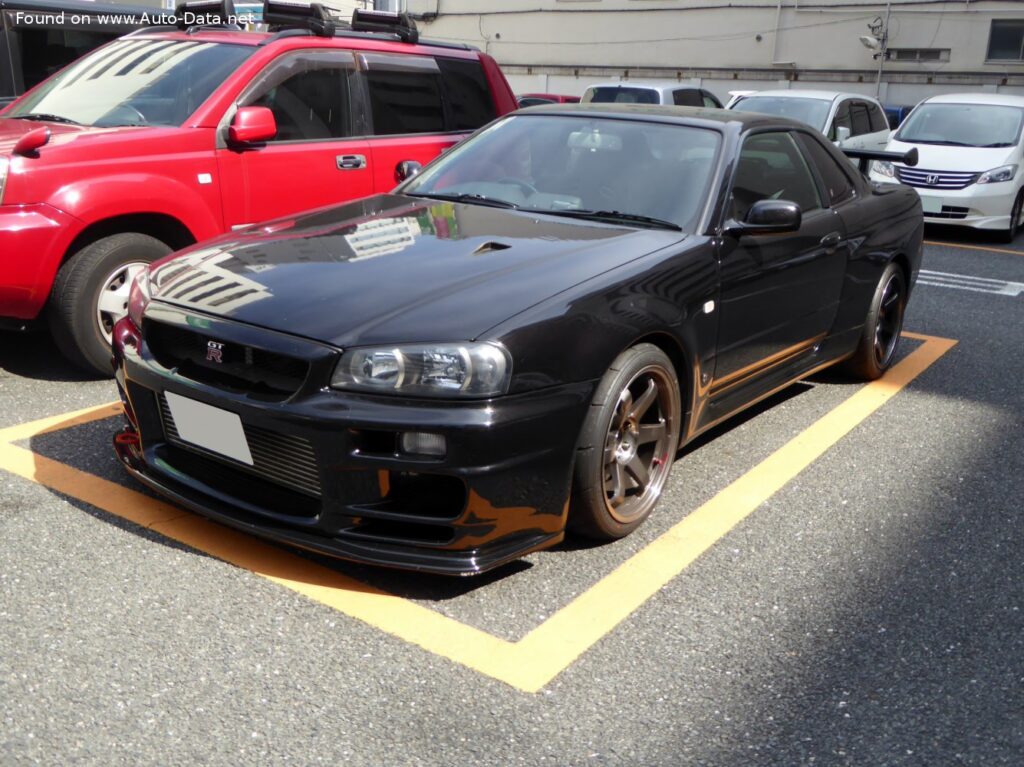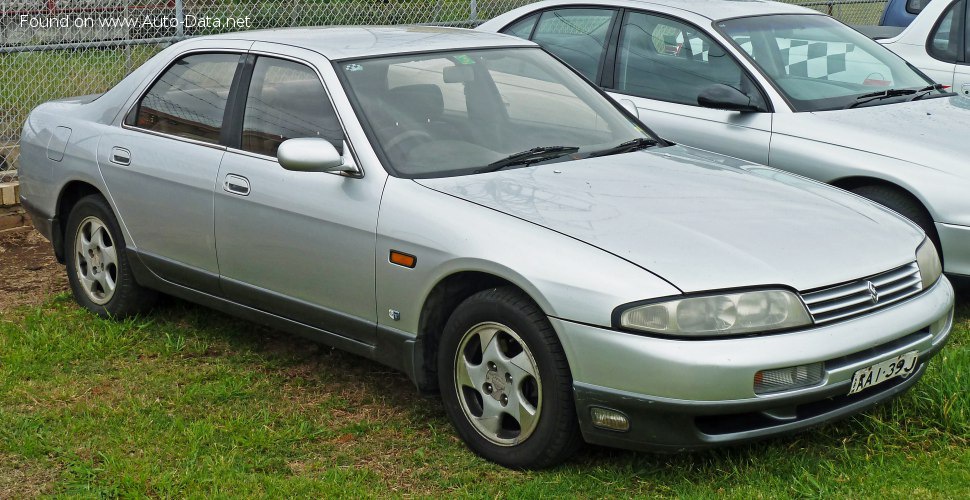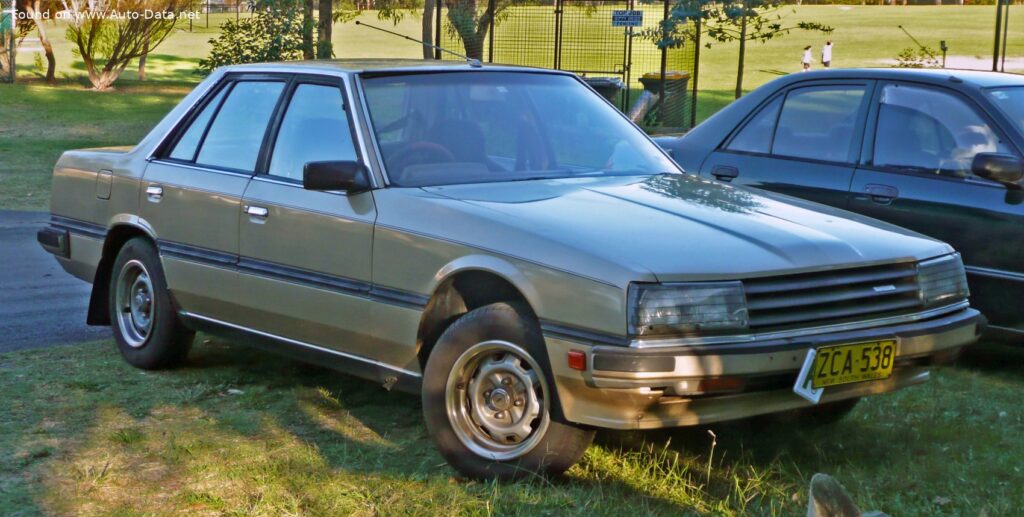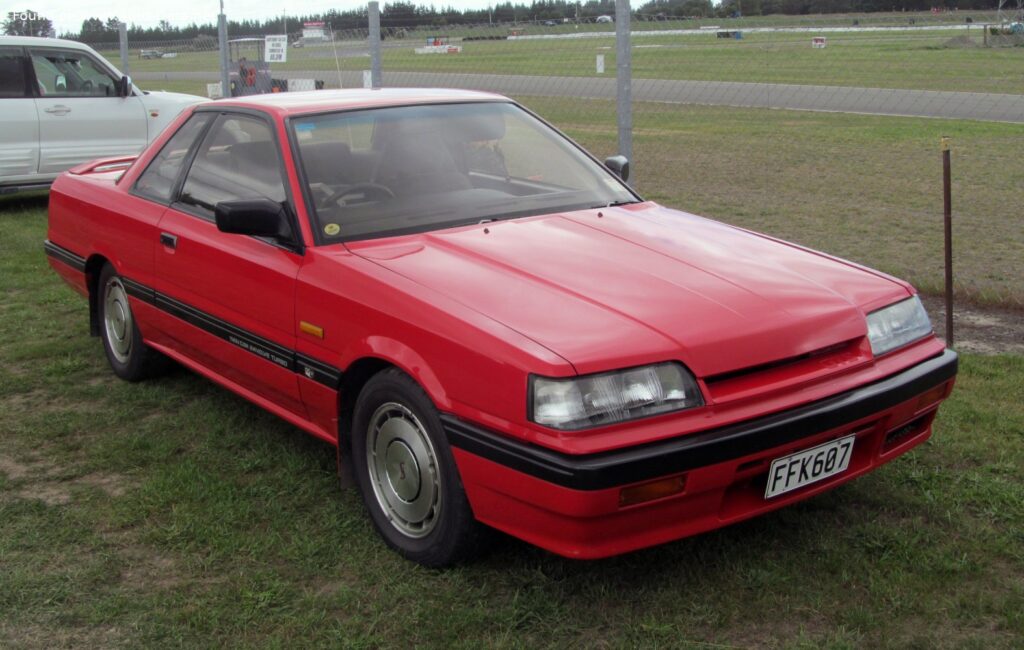
The Nissan Skyline, a name deeply rooted in Japanese automotive history, entered its seventh generation with the R31 in 1985. While often eclipsed by the iconic GT-R models that followed (R32, R33, and R34), the R31 Skyline played a vital role in the evolution of the Skyline lineage. This article focuses on the 2.0 i R6 24V Turbo 4WD (215 Hp) coupe, a high-performance variant that represented a significant technological advancement for Nissan during the mid-1980s. Primarily sold in Japan and select Asian and Oceanic markets, this model showcased a turbocharged inline-six engine and an all-wheel-drive system, laying the groundwork for future performance icons.
Powertrain & Engine Architecture
The heart of the Nissan Skyline VII Coupe (R31) 2.0 i R6 24V Turbo 4WD (215 Hp) is the RB20DET-R engine. This 2.0-liter (1998 cm³ or 121.93 cubic inches) inline-six engine was a technological marvel for its time, featuring a 24-valve cylinder head. This configuration allowed for superior airflow and efficiency compared to traditional 12-valve designs. The ‘DET’ designation signifies Dual Overhead Camshaft (DOHC) and Electronic Turbocharger, highlighting its advanced nature. The engine utilized a multi-port fuel injection system for precise fuel metering, contributing to both performance and efficiency.
The turbocharger significantly boosted the engine’s output, producing 215 horsepower at 6400 rpm. Torque figures were equally impressive, with 195.45 lb-ft (265 Nm) available at 3200 rpm, providing robust acceleration and responsiveness. This strong low-to-mid range torque was a characteristic often praised in early turbocharged Japanese engines. The engine was front-mounted and longitudinal, a classic configuration for rear-wheel-drive or all-wheel-drive performance cars, optimizing weight distribution and handling. A compression ratio of 8.5:1 balanced power output with reliability. The engine’s layout and design were crucial in achieving a power-to-weight ratio of 168.6 hp per tonne (5.9 kg/hp).
The RB20DET-R was paired with a precise 5-speed manual transmission, delivering power to all four wheels. The all-wheel-drive system, while less sophisticated than the later ATTESA E-TS system found in the R32 GT-R, provided enhanced traction and stability, particularly under hard acceleration or in inclement weather. This was a significant advantage over purely rear-wheel-drive counterparts.
Driving Characteristics
The 2.0 i R6 24V Turbo 4WD (215 Hp) R31 Skyline offered a distinct driving experience. The turbocharger provided a noticeable surge of power, delivering strong acceleration once spooled up. Compared to naturally aspirated versions of the R31, or even the later 2.0L non-turbo models, this variant offered a significantly more engaging and responsive driving experience. While not as brutally fast as the later GT-R models, the R31 Turbo 4WD provided a balanced and capable performance. The all-wheel-drive system enhanced cornering grip and stability, making it a confident handler on both dry and wet surfaces. The 5-speed manual transmission allowed for precise control over the engine’s powerband, while the gear ratios were tuned to maximize acceleration and maintain responsiveness at highway speeds.
Compared to the later RB25DET found in some R31 variants, the RB20DET-R offered a slightly more nimble feel due to its lower weight. However, the RB25DET generally provided more overall power and torque. The R31 Turbo 4WD aimed for a balance between performance and practicality, making it a versatile and enjoyable daily driver as well as a capable performance machine.
Equipment & Trim Levels
The 2.0 i R6 24V Turbo 4WD (215 Hp) R31 Skyline typically came equipped with a range of features considered advanced for the mid-1980s. Standard features included power windows, power steering, and an AM/FM stereo. The interior upholstery was typically cloth, although leather options were available. The dashboard featured a comprehensive instrument cluster with gauges for speed, tachometer, temperature, fuel level, and turbo boost pressure. Optional extras included air conditioning, a sunroof, and upgraded audio systems. The trim level often dictated the level of interior refinement, with higher-spec models featuring more luxurious materials and additional convenience features.
The exterior styling of the Turbo 4WD variant often included subtle visual cues, such as a rear spoiler and unique wheel designs, to differentiate it from other R31 models. The overall interior design was functional and driver-focused, reflecting the car’s performance-oriented nature.
Chassis & Braking
The R31 Skyline’s chassis was designed to complement its powerful engine and advanced drivetrain. It featured a double wishbone suspension system at both the front and rear, providing excellent wheel control and a comfortable ride. The suspension was tuned to balance handling precision with ride comfort, making it suitable for both spirited driving and everyday use. Braking duties were handled by ventilated discs at the front and solid discs at the rear, complemented by an Anti-lock Braking System (ABS), a significant safety feature for the time. Hydraulic power steering provided direct feedback and ease of maneuverability.
The R31 Turbo 4WD typically featured a thicker stabilizer bar compared to lower-spec models, further enhancing its handling capabilities. The tires were typically 205/55 HR16, providing a good balance of grip and ride comfort. The chassis’s rigidity and suspension tuning contributed to its stable and predictable handling characteristics.
Market Reception & Comparison
The Nissan Skyline VII Coupe (R31) 2.0 i R6 24V Turbo 4WD (215 Hp) was generally well-received by automotive critics in Japan. It was praised for its powerful engine, advanced drivetrain, and comfortable ride. However, some critics noted that the turbocharger’s lag could be noticeable at lower engine speeds. Compared to other trims in the R31 lineup, the Turbo 4WD offered a significant performance upgrade, but it also came at a higher price point. Fuel economy was reasonable for a turbocharged performance car of the era, but it was not as fuel-efficient as the naturally aspirated models.
In comparison to rivals like the Toyota Supra (A70) and Mazda RX-7 (FC3S), the R31 Turbo 4WD offered a unique blend of performance, practicality, and all-wheel-drive capability. The Supra was known for its powerful inline-six engine, while the RX-7 offered a more nimble and lightweight driving experience. The R31 Turbo 4WD carved out its own niche as a versatile and capable performance coupe.
Technical Specifications
| Category | Specification |
| General Information | |
| Brand | Nissan |
| Model | Skyline |
| Generation | Skyline VII Coupe (R31) |
| Type (Engine) | 2.0 i R6 24V Turbo 4WD (215 Hp) |
| Start of Production | 1985 |
| End of Production | 1995 |
| Powertrain Architecture | Internal Combustion engine |
| Body type | Coupe |
| Seats | 5 |
| Doors | 2 |
| Performance Specs | |
| Fuel Type | Petrol (Gasoline) |
| Weight-to-power ratio | 5.9 kg/Hp, 168.6 Hp/tonne |
| Weight-to-torque ratio | 4.8 kg/Nm, 207.8 Nm/tonne |
| Engine Specs | |
| Power | 215 Hp @ 6400 rpm |
| Power per liter | 107.6 Hp/l |
| Torque | 265 Nm @ 3200 rpm (195.45 lb.-ft. @ 3200 rpm) |
| Engine layout | Front, Longitudinal |
| Engine displacement | 1998 cm³ (121.93 cu. in.) |
| Number of cylinders | 6 |
| Engine configuration | Inline |
| Cylinder Bore | 78 mm (3.07 in.) |
| Piston Stroke | 69.7 mm (2.74 in.) |
| Compression ratio | 8.5:1 |
| Number of valves per cylinder | 4 |
| Fuel injection system | Multi-port manifold injection |
| Engine aspiration | Turbocharger |
| Space, Volume and Weights | |
| Kerb Weight | 1275 kg (2810.89 lbs.) |
| Fuel tank capacity | 60 l (15.85 US gal) |
| Dimensions | |
| Length | 4530 mm (178.35 in.) |
| Width | 1615 mm (63.58 in.) |
| Height | 1325 mm (52.17 in.) |
| Wheelbase | 2615 mm (102.95 in.) |
| Front track | 1460 mm (57.48 in.) |
| Rear track | 1460 mm (57.48 in.) |
| Drivetrain, Brakes and Suspension Specs | |
| Drive wheel | All wheel drive (4×4) |
| Number of gears and type of gearbox | 5 gears, manual transmission |
| Front suspension | Double wishbone |
| Rear suspension | Double wishbone |
| Front brakes | Ventilated discs |
| Rear brakes | Disc |
| Assisting systems | ABS (Anti-lock braking system) |
| Power steering | Hydraulic Steering |
| Tires size | 205/55 HR16 |
Legacy
The Nissan Skyline VII Coupe (R31), particularly the 2.0 i R6 24V Turbo 4WD (215 Hp) variant, holds a significant place in Skyline history. It was the first Skyline to feature the RB series of engines, which would power all subsequent GT-R models. The RB20DET-R proved to be a robust and tunable engine, and many examples remain on the road today. In the used car market, the R31 Turbo 4WD is becoming increasingly sought after by collectors and enthusiasts, particularly those interested in JDM classics. Its relative rarity and advanced engineering for its time make it a desirable and appreciating asset.
The RB20DET-R engine is known for its durability and potential for modification. With proper maintenance, it can provide reliable performance for many years. However, like any older vehicle, the R31 requires regular maintenance and attention to detail to keep it in optimal condition. The R31’s legacy extends beyond its mechanical specifications; it represents a pivotal moment in Nissan’s engineering history, paving the way for the legendary GT-R models that would follow.