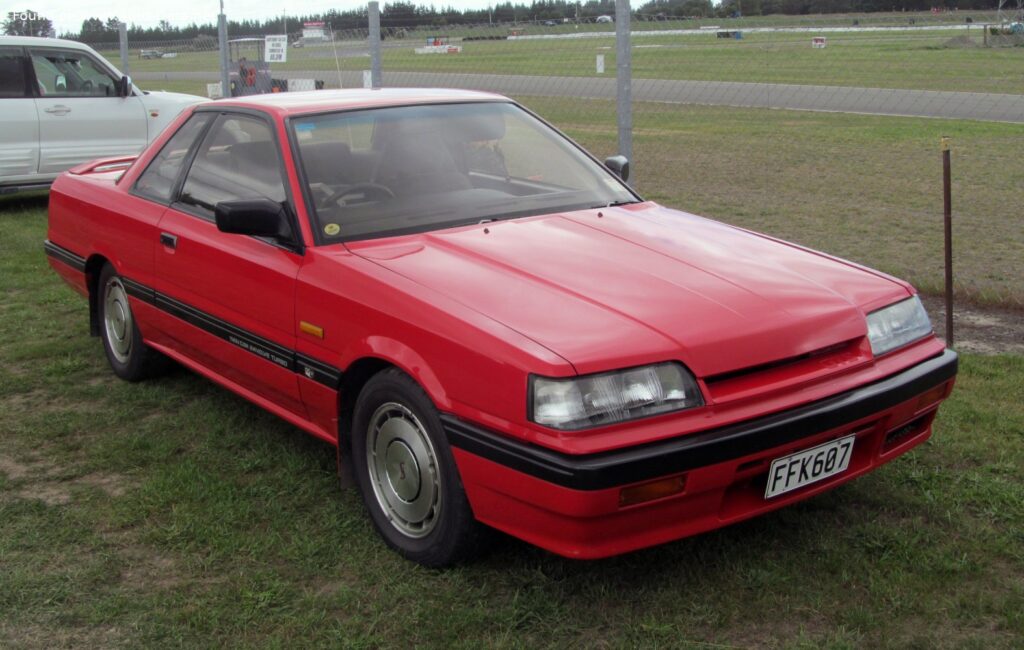
The Nissan Skyline VII Coupe (R31), produced from 1985 to 1995, represents a pivotal, yet often overlooked, chapter in the storied history of the Nissan Skyline nameplate. While not as universally recognized as its R32, R33, or R34 GT-R successors, the R31 generation was a significant vehicle in its primary market, Japan, introducing a host of technological advancements and setting the stage for the legendary performance cars that would follow. As a two-door coupe, the R31 offered a blend of executive comfort and burgeoning sporting potential, catering to a discerning Japanese audience looking for a sophisticated, rear-wheel-drive machine. This generation, particularly its performance-oriented variants like the 2.6 i R6 24V (280 Hp) model, pushed the boundaries of what was expected from a Japanese sports coupe in the mid-1980s.
R31 2.6 i R6 24V: Positioning and Overview
The 2.6 i R6 24V variant of the R31 Skyline Coupe occupied a mid-to-premium position within the R31 lineup. It wasn’t the base model, which typically featured smaller displacement engines and lower power outputs, but it also wasn’t the top-of-the-line GTS-R, a limited-production homologation special designed for racing. The 2.6 i R6 24V was aimed at buyers who desired a significant performance upgrade over the standard models, offering a powerful and refined driving experience without the extreme focus of the GTS-R. It represented a sweet spot for those seeking a comfortable grand tourer with genuine sporting credentials.
Powertrain & Engine Architecture
The heart of the R31 2.6 i R6 24V was the RB26DETT’s predecessor, the RB26DOHC inline-six engine, displacing 2.6 liters (2568 cm³). This engine was a significant step forward for Nissan, featuring a double overhead camshaft (DOHC) valvetrain with four valves per cylinder – a 24-valve configuration. This design allowed for improved airflow and higher engine speeds compared to older single overhead cam (SOHC) engines. The engine utilized a multi-port fuel injection system for precise fuel delivery, and was turbocharged to significantly increase power output.
The RB26DOHC engine produced 280 horsepower at 6800 rpm, a figure that cleverly skirted the “gentlemen’s agreement” among Japanese automakers to limit horsepower to 280. Torque output was a robust 289.12 lb-ft (392 Nm) at 4400 rpm. The engine’s front, longitudinal layout contributed to a balanced weight distribution, enhancing handling. The engine code is often referred to as RB26DOHC, though variations exist. The engine’s power-to-liter ratio was an impressive 109 hp/liter.
Power was transmitted to the rear wheels through a 5-speed manual transmission. While an automatic transmission was available on other R31 models, the 2.6 i R6 24V was primarily offered with the manual gearbox to maximize performance and driver engagement. The transmission was designed to handle the engine’s substantial torque output and provide precise gear changes.
Driving Characteristics
The R31 2.6 i R6 24V offered a distinctly engaging driving experience. The turbocharged inline-six delivered strong acceleration, with peak torque available at a relatively low 4400 rpm, providing ample power for both everyday driving and spirited performance. The 5-speed manual transmission allowed drivers to fully exploit the engine’s powerband. Compared to the lower-powered R31 variants, the 2.6 i R6 24V felt significantly more responsive and capable. While not as raw or focused as the later GT-R models, it provided a satisfying blend of performance and comfort.
The car’s weight of approximately 3152.61 lbs (1430 kg) resulted in a respectable power-to-weight ratio of 5.1 kg/Hp or 195.8 Hp/tonne, enabling a top speed of 155.34 mph (250 km/h). The rear-wheel-drive configuration and well-tuned suspension contributed to balanced handling characteristics, making it a capable performer on winding roads.
Equipment & Trim Levels
The R31 2.6 i R6 24V typically came equipped with a range of features designed to enhance both comfort and performance. Standard equipment included power windows, power steering, and an upgraded audio system. The interior featured comfortable cloth or leather upholstery, depending on the specific trim package. The dashboard layout was functional and driver-focused, with clear instrumentation.
Optional extras included features such as a sunroof, upgraded sound systems, and more luxurious interior trim options. The availability of these options varied depending on the year and specific market. The R31 2.6 i R6 24V was generally positioned as a well-equipped vehicle, offering a premium experience compared to the base models.
Chassis & Braking
The R31 Coupe utilized a robust chassis construction, providing a solid foundation for its performance capabilities. The suspension system consisted of independent front suspension with MacPherson struts and a multi-link rear suspension. This setup provided a good balance between ride comfort and handling precision. Stabilizer bars were fitted to both the front and rear axles to reduce body roll during cornering.
The braking system featured ventilated discs at the front and solid discs at the rear, providing adequate stopping power for the car’s weight and performance. An Anti-lock Braking System (ABS) was available as an option, enhancing braking stability and control, particularly in adverse conditions. The R31 2.6 i R6 24V typically rode on 225/60 VR16 tires, providing a good level of grip.
Market Reception & Comparison
The R31 2.6 i R6 24V was generally well-received by automotive critics in Japan. It was praised for its powerful engine, refined driving experience, and comfortable interior. However, some critics noted that it lacked the outright performance and handling prowess of more focused sports cars, such as the Toyota Supra. Compared to the lower-powered R31 variants, the 2.6 i R6 24V offered a significant performance upgrade, making it a popular choice for enthusiasts.
In terms of fuel economy, the 2.6 i R6 24V was comparable to other turbocharged sports coupes of the era. Reliability was generally good, although the turbocharged engine required regular maintenance to ensure optimal performance. Compared to the later R32 GT-R, the R31 2.6 i R6 24V was less technologically advanced and offered a less focused driving experience, but it was also more affordable and accessible.
Technical Specifications
| Brand | Nissan | |
| Model | Skyline | |
| Generation | Skyline VII Coupe (R31) | |
| Type (Engine) | 2.6 i R6 24V (280 Hp) | |
| Start of Production | 1985 year | |
| End of Production | 1995 year | |
| Powertrain Architecture | Internal Combustion engine | |
| Body Type | Coupe | |
| Seats | 5 | |
| Doors | 2 | |
| Performance Specs | ||
| Fuel Type | Petrol (Gasoline) | |
| Maximum Speed | 250 km/h | 155.34 mph |
| Weight-to-Power Ratio | 5.1 kg/Hp | 195.8 Hp/tonne |
| Weight-to-Torque Ratio | 3.6 kg/Nm | 274.1 Nm/tonne |
| Engine Specs | ||
| Power | 280 Hp @ 6800 rpm | |
| Power per Liter | 109 Hp/l | |
| Torque | 392 Nm @ 4400 rpm | 289.12 lb.-ft. @ 4400 rpm |
| Engine Layout | Front, Longitudinal | |
| Engine Displacement | 2568 cm³ | 2.6 l / 156.71 cu. in. |
| Number of Cylinders | 6 | |
| Engine Configuration | Inline | |
| Cylinder Bore | 86 mm | 3.39 in. |
| Piston Stroke | 73.7 mm | 2.9 in. |
| Compression Ratio | 9:1 | |
| Number of Valves per Cylinder | 4 | |
| Fuel Injection System | Multi-port manifold injection | |
| Engine Aspiration | Turbocharger | |
| Valvetrain | DOHC | |
| Space, Volume and Weights | ||
| Kerb Weight | 1430 kg | 3152.61 lbs. |
| Fuel Tank Capacity | 60 l | 15.85 US gal |
| Dimensions | ||
| Length | 4530 mm | 178.35 in. |
| Width | 1615 mm | 63.58 in. |
| Height | 1325 mm | 52.17 in. |
| Wheelbase | 2615 mm | 102.95 in. |
| Front Track | 1460 mm | 57.48 in. |
| Rear (Back) Track | 1460 mm | 57.48 in. |
| Drivetrain, Brakes and Suspension Specs | ||
| Drivetrain Architecture | The Internal combustion engine (ICE) drives the rear wheels of the vehicle. | |
| Drive Wheel | Rear wheel drive | |
| Number of Gears and Type of Gearbox | 5 gears, manual transmission | |
| Front Brakes | Ventilated discs | |
| Rear Brakes | Disc | |
| Assisting Systems | ABS (Anti-lock braking system) | |
| Power Steering | Hydraulic Steering | |
| Tires Size | 225/60 VR16 |
Legacy
The Nissan Skyline VII Coupe (R31) 2.6 i R6 24V, while often overshadowed by its successors, remains a significant vehicle in the Skyline lineage. Its robust RB26DOHC engine, while not as sophisticated as the later RB26DETT, proved to be durable and tunable, making it a popular choice for enthusiasts. Today, the R31 2.6 i R6 24V is a sought-after classic, particularly among JDM (Japanese Domestic Market) car collectors. Its relative rarity and historical importance contribute to its increasing value in the used car market. The engine’s reliability, when properly maintained, is generally good, although age and mileage can necessitate repairs. The R31 2.6 i R6 24V stands as a testament to Nissan’s engineering prowess and its commitment to building exciting and capable sports coupes.